Histamine intolerance sounds like something invented by a wellness influencer while standing in the kombucha aisle, but it is a real topic of medical discussionand, admittedly, a confusing one. Some people eat aged cheese, drink red wine, snack on fermented foods, or enjoy leftover fish and suddenly feel like their body has opened a tiny fireworks factory: flushing, headaches, runny nose, itching, bloating, cramps, diarrhea, or a heartbeat that seems to be auditioning for a drum solo.
At the center of this conversation is diamine oxidase, commonly shortened to DAO. DAO is an enzyme that helps break down histamine in the digestive tract. When DAO activity is too lowor when histamine intake is too highhistamine may build up and trigger symptoms that look suspiciously like allergies, even when classic allergy testing does not explain the problem.
So, do diamine oxidase supplements help with histamine intolerance? The honest answer is: they may help some people, especially when taken before high-histamine meals, but they are not a cure, not a substitute for medical evaluation, and definitely not permission to live on salami, champagne, and blue cheese like a fancy raccoon.
What Is Diamine Oxidase?
Diamine oxidase is a digestive enzyme made mainly in the lining of the small intestine. Its job is to help break down histamine from food before that histamine gets absorbed into the bloodstream. Think of DAO as the kitchen bouncer. Histamine shows up wearing sunglasses indoors, and DAO says, “Not today, buddy.”
Histamine itself is not bad. Your body uses it for immune responses, stomach acid regulation, brain signaling, and inflammation control. The problem is not histamine existing; the problem is too much histamine hanging around at once. When histamine accumulates beyond what your body can comfortably process, symptoms may appear.
DAO vs. Histamine: The Digestive Balancing Act
Histamine comes from two major places: your body and your diet. Your immune cells can release histamine during allergic reactions or inflammation. Foods can also contain histamine, especially when they are aged, fermented, smoked, cured, spoiled, or stored for a long time.
DAO mainly works in the gut, breaking down dietary histamine. Another enzyme, histamine-N-methyltransferase, helps process histamine inside cells. For people with suspected histamine intolerance, DAO often receives the spotlight because many symptoms appear after meals.
What Is Histamine Intolerance?
Histamine intolerance is a proposed condition in which the body has trouble breaking down histamine efficiently. It is not the same as a food allergy. In a true allergy, the immune system reacts to a specific protein, often involving IgE antibodies. With histamine intolerance, the issue is thought to be an imbalance between histamine intake, histamine release, and histamine breakdown.
This is where things get tricky. Histamine intolerance is still debated in mainstream allergy medicine because symptoms overlap with many other conditions, and there is no universally accepted diagnostic test. In other words, histamine intolerance is not as simple as “I ate cheese, therefore DAO did it.” The human body loves nuance, mostly because it enjoys making doctors and patients solve puzzles before breakfast.
Common Symptoms Linked to Histamine Intolerance
Symptoms vary widely from person to person. Some people mainly experience digestive issues. Others notice skin, sinus, or headache symptoms. Commonly reported symptoms include:
- Bloating, gas, abdominal cramps, diarrhea, or nausea
- Headaches or migraine-like episodes
- Flushing, itching, hives, or skin redness
- Runny nose, sneezing, nasal congestion, or watery eyes
- Heart palpitations or a racing heartbeat
- Dizziness, fatigue, or brain fog
- Worsening symptoms after aged, fermented, or leftover foods
Because these symptoms can also occur with food allergies, mast cell disorders, irritable bowel syndrome, celiac disease, inflammatory bowel disease, medication reactions, anxiety, infections, and other health problems, self-diagnosis can lead people down the wrong road. Sometimes that road is paved with unnecessarily sad lunches.
What Causes Low DAO Activity?
Low DAO activity may be temporary or longer lasting. It can be influenced by gut health, genetics, medications, alcohol, inflammation, nutrient status, and the overall histamine load in a person’s diet.
1. Gut Irritation or Inflammation
Because DAO is produced in the intestinal lining, anything that affects the gut lining may affect DAO activity. Conditions involving inflammation, infection, or damage to the small intestine can potentially reduce the body’s ability to process dietary histamine. This is one reason a clinician may evaluate digestive conditions before labeling symptoms as histamine intolerance.
2. High-Histamine Eating Patterns
Even people with normal DAO activity may feel uncomfortable if they consume a large histamine load. A charcuterie board with aged cheese, cured meats, wine, pickles, and fermented vegetables may be delicious, but for a histamine-sensitive person, it can behave like a digestive booby trap with garnish.
3. Alcohol
Alcohol can be a double troublemaker. Some alcoholic drinks, especially wine and beer, may contain histamine or other biogenic amines. Alcohol may also interfere with histamine breakdown. This explains why some people tolerate a food on Tuesday but react dramatically when the same food is paired with wine on Friday.
4. Medications
Some medications may influence histamine release or histamine breakdown. This does not mean you should stop taking a prescribed medication. It means that if symptoms started after a medication change, or if you suspect a medication is involved, the right move is to discuss it with a healthcare professional.
5. Individual Biology
Genetic differences may affect DAO production or activity. Hormonal changes, stress, sleep disruption, and overall inflammation may also shape how reactive someone feels. Histamine intolerance is rarely one neat domino; it is usually more like a drawer full of tangled charging cables.
High-Histamine Foods: The Usual Suspects
Histamine levels in food can vary depending on freshness, processing, storage, fermentation, and bacterial activity. That means one person may tolerate fresh fish but react to fish that sat in the fridge too long. Histamine is not always about the food category alone; timing and handling matter.
Common high-histamine or histamine-triggering foods include:
- Aged cheeses such as Parmesan, cheddar, blue cheese, and brie
- Fermented foods such as sauerkraut, kimchi, kombucha, soy sauce, and vinegar
- Cured or processed meats such as salami, pepperoni, ham, and smoked meats
- Alcohol, especially wine and beer
- Canned, smoked, fermented, or leftover fish
- Tomatoes, spinach, eggplant, and avocado for some people
- Chocolate, nuts, citrus fruits, and strawberries for some people
This does not mean everyone with suspected histamine intolerance must avoid all of these forever. Long-term over-restriction can create nutritional gaps, food fear, and a very boring refrigerator. A structured approach is better than declaring war on every tomato in the county.
Do Diamine Oxidase Supplements Help?
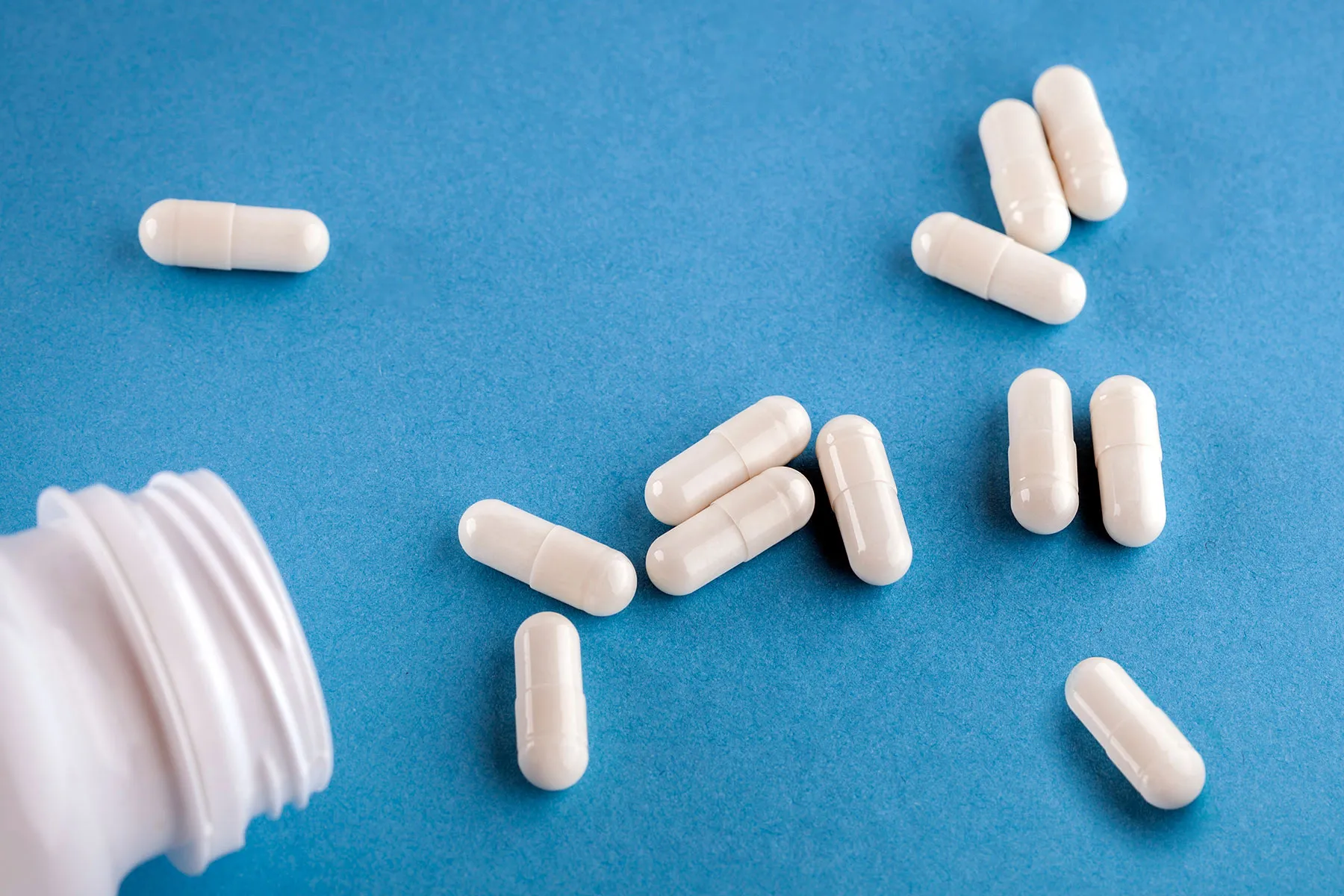
DAO supplements are designed to add extra diamine oxidase to the digestive tract, usually before meals. The idea is simple: if DAO breaks down histamine in food, taking DAO before eating may reduce the histamine load reaching the body.
Research suggests DAO supplementation may improve symptoms in some people with suspected histamine intolerance. Small studies have reported reductions in digestive complaints, headaches, skin symptoms, and other histamine-related issues when DAO was taken before meals. However, the evidence is still limited. Many studies are small, short, open-label, or focused on specific groups. That means the results are interesting, but not strong enough to crown DAO supplements as the king of histamine solutions.
What DAO Supplements Can Realistically Do
DAO supplements may help break down histamine from a meal while that food is still in the gut. They are most likely to be useful when symptoms are clearly connected to eating high-histamine foods. For example, someone who reacts to aged cheese, wine, or fermented foods might notice fewer symptoms when using DAO before occasional exposure.
DAO supplements are not expected to stop your body from releasing histamine from immune cells. They also do not treat true food allergies, mast cell activation disorders, chronic hives, inflammatory bowel disease, or other medical conditions that can mimic histamine intolerance. In plain English: DAO works in the gut; it is not a tiny superhero flying through your bloodstream with a mop.
What DAO Supplements Cannot Do
- They cannot cure histamine intolerance.
- They cannot make spoiled food safe.
- They cannot replace emergency allergy medication.
- They cannot diagnose the cause of symptoms.
- They cannot compensate for unlimited high-histamine meals.
- They cannot replace medical care for severe reactions.
If symptoms include trouble breathing, throat tightness, fainting, severe swelling, chest pain, or a rapidly worsening reaction, that is not “just histamine intolerance.” That is urgent medical territory.
How to Use DAO Supplements Safely
DAO supplements are typically taken shortly before meals, not randomly throughout the day. Since products vary, people should follow label directions and consult a healthcare professional, especially if they are pregnant, nursing, under 18, managing chronic illness, taking medications, or dealing with severe symptoms.
Quality Matters
Dietary supplements are not regulated like prescription drugs in the United States. The FDA does not approve supplements for safety and effectiveness before they reach store shelves. That means brand quality, third-party testing, ingredient transparency, and allergen information matter.
Some DAO products are derived from animal sources, often porcine kidney. Others use plant-based sources. People with dietary restrictions, allergies, religious concerns, or ethical preferences should read labels carefully. Also, “more enzyme” is not automatically better. Your digestive system is not a video game where you win by collecting the highest enzyme score.
Who Should Be Extra Careful?
Talk to a healthcare professional before trying DAO supplements if you:
- Take prescription medications or regular antihistamines
- Have chronic hives, asthma, autoimmune disease, or inflammatory bowel disease
- Are pregnant, trying to become pregnant, or breastfeeding
- Are buying supplements for a child or teenager
- Have a history of severe allergic reactions
- Have unexplained weight loss, blood in stool, persistent vomiting, or severe abdominal pain
Diagnosis: Why Testing Is Not So Simple
There are DAO blood tests, histamine tests, and other lab markers marketed for histamine intolerance, but no single test can reliably confirm the condition in every person. DAO levels in blood may not perfectly reflect DAO activity in the gut. Symptoms may also fluctuate based on diet, stress, hormones, infections, sleep, and medication use.
A practical diagnosis often involves three steps: ruling out other conditions, trying a short-term low-histamine diet under guidance, and carefully reintroducing foods to see whether symptoms return. A food and symptom journal can be surprisingly useful. It is not glamorous, but neither is guessing wildly while blaming every meal like it personally betrayed you.
A Smarter Low-Histamine Trial
A low-histamine diet is usually meant to be temporary and structured. Many clinicians and dietitians use a trial period of several weeks, followed by gradual reintroduction. The goal is not to shrink your diet forever. The goal is to identify patterns, reduce symptoms, and rebuild the broadest diet you can tolerate.
During a trial, people often focus on fresh foods, simple meals, quick refrigeration, and avoiding leftovers that linger too long. Freshly cooked chicken with rice and tolerated vegetables may cause fewer problems than a week-old mystery container in the fridge that has developed its own personality.
DAO Supplements vs. Low-Histamine Diet: Which Works Better?
For many people, the most effective approach is not DAO supplements or diet alone, but a thoughtful combination. Diet reduces the overall histamine load. DAO supplements may help with specific meals or unavoidable exposures. Gut care, sleep, stress management, and medical evaluation address the wider picture.
If symptoms improve only when DAO is used, that is useful information. If symptoms improve only with a low-histamine diet, that is also useful. If neither helps, it is time to reconsider the diagnosis and look for other causes. The body leaves clues; unfortunately, it does not always label them clearly.
Practical Tips for Managing Histamine Intolerance
Prioritize Freshness
Histamine can rise as foods age, especially protein-rich foods. Buy fresh meat and fish, cook promptly, and freeze portions instead of keeping leftovers for several days. Your freezer may become your new best friend. It is cold, reliable, and does not judge your snack choices.
Track Patterns, Not Perfection
Do not panic after one reaction. Look for repeated patterns. Did symptoms happen after wine plus cheese? After leftovers? During a stressful week? Around certain medications? A pattern is more useful than one dramatic Tuesday.
Do Not Over-Restrict
Low-histamine eating can become too restrictive if done without guidance. Many high-histamine food lists disagree with each other, which can make people feel like the only safe meal is plain air with a side of anxiety. A registered dietitian can help protect nutrition while identifying triggers.
Support Gut Health
Because DAO activity is tied to the gut lining, digestive health matters. Addressing constipation, diarrhea, reflux, infections, celiac disease, inflammatory bowel disease, or irritable bowel syndrome may reduce symptoms. A gut-friendly plan may include tolerated fiber, hydration, regular meals, and medical treatment when needed.
Real-Life Experience: What It Feels Like to Experiment With DAO
Many people who explore DAO supplements arrive at them after a long and slightly ridiculous detective story. The first clue may be wine causing flushing one night, then leftovers causing a headache the next day, then a “healthy” spinach-and-tomato salad leading to bloating and itchy skin. At first, it feels random. Then the pattern starts waving from across the room wearing a neon sign.
A common experience is that DAO helps most when expectations are realistic. Someone may take it before a restaurant meal and notice less bloating or fewer sinus symptoms afterward. Another person may find that DAO helps with aged cheese but does nothing for stress-related flushing or chronic hives. That difference matters. It suggests the supplement may be helping with dietary histamine in the gut, but not with every histamine-related process in the body.
People often learn that timing matters. Taking DAO after symptoms start may be less useful than taking it before the meal. It is similar to bringing an umbrella before rain instead of after you are already soaked and arguing with the sky. Some users also report that DAO works better when paired with basic food freshness rules: fewer leftovers, less alcohol, simpler meals, and careful reintroduction of trigger foods.
Another real-world lesson is that “low histamine” is personal. One person reacts to wine but tolerates tomatoes. Another handles yogurt but not canned fish. Someone else may do fine with small portions but react when several triggers stack together in one meal. Histamine intolerance often behaves like a bucket: one food may not overflow it, but wine, stress, poor sleep, leftovers, and pollen season together can send the bucket sloshing over the sides.
The emotional side is also real. Food uncertainty can make eating feel stressful. People may become afraid of social meals, restaurant menus, or family gatherings where every dish has a mysterious sauce. A helpful mindset is experimentation, not punishment. The goal is not to become the perfect histamine monk. The goal is to understand your body well enough to eat with more confidence and fewer surprises.
A practical experience-based strategy is to run a calm, organized trial. Keep meals simple for a few weeks, write down symptoms, avoid changing ten variables at once, and reintroduce foods one by one. If DAO is tested, use it consistently before specific meals and track the result. If it helps, great. If it does not, that is still useful datanot failure.
The biggest takeaway from real-life use is this: DAO supplements can be a tool, but they work best as part of a broader plan. They are not magic. They are not useless. They are more like reading glasses for a specific problem: very helpful when the problem is the one they are designed for, unimpressive when it is not.
Conclusion: Should You Try DAO for Histamine Intolerance?
Diamine oxidase supplements may help some people with suspected histamine intolerance, particularly when symptoms appear after high-histamine meals. The science is promising but still limited, and histamine intolerance remains a complicated and sometimes controversial diagnosis. DAO is best viewed as a targeted digestive support toolnot a cure, not a diagnostic test, and not a hall pass for unlimited fermented snacks.
If you suspect histamine intolerance, start with medical evaluation, especially if symptoms are severe, new, or worsening. Rule out allergies and other digestive or immune conditions. Then consider a structured low-histamine trial, careful food reintroduction, freshness-focused eating, and professional guidance. DAO supplements may be worth discussing with a clinician if meal-related symptoms persist.
The best plan is not the strictest plan. It is the one that helps you feel better while keeping your diet as varied, nourishing, and normal as possible. Histamine may be complicated, but your meals do not have to become a courtroom drama.