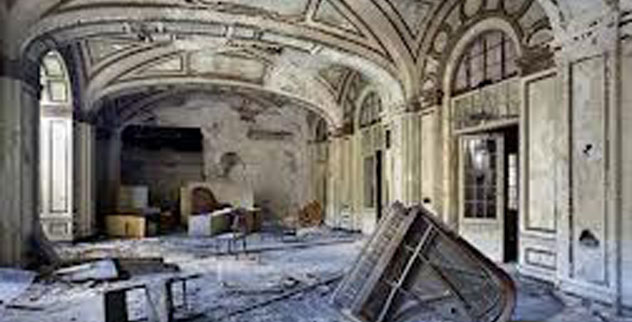
Ghost stories are funny creatures. Not “ha-ha” funny, although a well-timed haunted rocking chair can absolutely steal a scene. They are funny because they keep changing costumes while secretly keeping the same skeleton. A ghost story can take place in a crumbling mansion, a bright suburban kitchen, a Civil War battlefield, a lonely hotel hallway, a museum after closing, or a phone screen at 2:13 a.m. Yet the best ones tend to rely on consistent ghost story elements that feel almost ancient: mystery, memory, fear, guilt, atmosphere, and one suspicious noise that everyone pretends not to hear.
That consistency is not laziness. It is the reason ghost stories work. From classic Gothic fiction to American haunted house legends, from campfire tales to modern supernatural horror, the genre keeps returning to a few durable ingredients. The trick is not simply to include a ghost. A white sheet with eyeholes is not enough, unless your target audience is a very nervous laundry basket. A great ghost story uses the supernatural to expose something buried: a family secret, a social fear, a moral mistake, an old grief, or a room nobody should have wallpapered in 1974.
Below are 10 more consistent ghost story elements that appear again and again because they continue to frighten, fascinate, and emotionally ambush readers. Use them for writing, reading, analyzing, or justifying why you refuse to investigate that thump in the attic.
1. A Place That Remembers Too Much
One of the strongest ghost story elements is a setting that behaves like memory with walls. Haunted houses, abandoned hospitals, old prisons, cemeteries, theaters, hotels, ships, schools, and museums all work because they carry visible layers of the past. The place is not just scenery; it is a witness. It has absorbed footsteps, arguments, secrets, deaths, and bad decorating decisions.
In many American haunted place legends, the location matters as much as the apparition. The White House, Salem cemeteries, historic mansions, and old institutions become believable ghost-story settings because they already feel crowded with history. A good haunted setting asks the reader to believe that the past did not disappear. It only moved into the walls and learned to knock.
Example in action
Instead of writing, “The house was scary,” give the place a memory: a nursery that stayed locked after a child vanished, a hotel room no employee will clean alone, or a museum exhibit where the same object is found turned around every morning. The setting should feel as if it knows the ending before the characters do.
2. Ordinary Life Interrupted by the Impossible
A ghost story becomes stronger when the haunting invades normal routines. Breakfast, laundry, homework, office work, late-night driving, or a quiet family dinner can become terrifying when one detail refuses to behave. The lights flicker. A chair moves. A dead person’s perfume appears in an empty hallway. Someone hears a familiar voice through a baby monitor, which is rude because the baby is asleep and the familiar person has been dead since 1998.
This contrast between ordinary life and supernatural disturbance makes the fear more personal. Readers may not live in castles, but they know the horror of hearing a noise in the kitchen after everyone has gone to bed. Ghost stories thrive when the impossible does not arrive with thunder and violins, but with a small, domestic interruption.
3. A Repeating Signal
Repetition is one of the most reliable haunted house elements. A ghost may repeat the same action, sound, phrase, route, smell, dream, or time of appearance. Repetition makes the supernatural feel patterned rather than random. Once a reader notices the pattern, suspense begins doing push-ups.
The repeating signal might be a clock stopping at 3:17, a piano note every Friday night, wet footprints leading from a dry bathtub, or a child’s laugh from a room with no child in it. The first occurrence is strange. The second is unsettling. The third is a contract with dread.
Why it works
Patterns suggest intention. They make readers ask: What is the ghost trying to say? Why this hour? Why this room? Why that song? Repetition turns atmosphere into investigation, and investigation keeps readers turning pages.
4. A Skeptical Witness
Ghost stories often need someone who does not believe in ghosts, at least at first. The skeptic is valuable because disbelief creates friction. If the character accepts the haunting too easily, the story can lose tension. If they resist too long, readers start wanting the ghost to throw a lamp just to speed up the meeting.
A skeptical witness gives the audience permission to doubt. They look for practical explanations: bad wiring, old pipes, stress, sleep paralysis, carbon monoxide, pranksters, mold, grief, or an overactive imagination. These possibilities are important because ambiguity keeps the story alive. A ghost story becomes more unnerving when the reader wonders whether the haunting is external, psychological, or both.
5. Unfinished Business
Among the most consistent ghost story elements is the idea that the dead remain because something is unresolved. The unfinished business may be revenge, confession, protection, justice, love, guilt, or a message that never reached the living. In folklore and fiction, restless spirits often appear because the story of their life has not been properly completed.
This element gives emotional weight to the haunting. A ghost who merely jumps out from behind curtains is startling. A ghost who returns because no one listened, no one apologized, or no one found the body is memorable. The haunting becomes a moral problem, not just a paranormal inconvenience.
Common forms of unfinished business
- A wrongful death that was covered up
- A betrayal hidden by a respectable family
- A promise broken by the living
- A loved one who needs protection
- A secret that must be spoken aloud
6. A Hidden History Coming Back
Great ghost stories are rarely only about ghosts. They are about history refusing to stay buried. Gothic fiction has long used hauntings to reveal old violence, family shame, social hypocrisy, and uncomfortable truths. The ghost is the symptom; the real disease is what everyone agreed not to discuss.
This is why old letters, diaries, photographs, newspaper clippings, family portraits, locked rooms, and dusty archives show up so often. They are not just props. They are evidence. The protagonist must become part detective, part therapist, and part person making extremely poor decisions after midnight.
A hidden history gives the supernatural plot structure. The more the character discovers, the more the haunting changes. The ghost stops being a random terror and becomes part of a larger story about cause and consequence.
7. Sensory Details That Feel Slightly Wrong
Atmosphere is the oxygen of a ghost story. Without it, even a terrifying plot can feel flat. Strong supernatural horror uses sensory details to make the reader uneasy before anything dramatic happens. Cold spots, damp air, the smell of smoke in a house that never had a fireplace, a hallway that seems longer at night, a mirror that reflects the room a second too latethese details create dread through suggestion.
The key is restraint. Do not dump a truckload of spooky adjectives on the reader. One precise, wrong detail is more effective than a paragraph screaming, “Please be scared now.” A doorknob that is warm in an empty room can be creepier than seventeen paragraphs of thunder.
8. Rules for the Haunting
Even the supernatural needs boundaries. Many effective ghost stories establish rules, whether clearly or gradually. The ghost may appear only at night, only near water, only to children, only during storms, only when a certain song plays, or only when someone lies. Rules make the haunting feel coherent. They also create suspense because readers begin watching for the conditions that invite danger.
Rules do not have to be explained immediately. In fact, it is often better when the reader discovers them along with the characters. The moment a character realizes, “It only happens when we open that room,” the story gains momentum. Naturally, someone will open the room again. People in ghost stories are brave, curious, and apparently unfamiliar with basic survival paperwork.
9. Emotional Ambiguity
Not every ghost is evil. Some are mournful, protective, confused, lonely, or trapped in a loop. One of the richest ghost story elements is emotional ambiguity: the reader is not sure whether the spirit is a threat, a warning, a victim, or all three. This complexity prevents the story from becoming a simple monster chase.
A ghost can frighten the living and still deserve pity. It can protect one person while harming another. It can be terrifying because it wants something human: to be remembered, forgiven, found, believed, or released. Emotional ambiguity deepens the haunting because it asks the reader to feel fear and sympathy at the same time. That combination is wonderfully uncomfortable, like crying during a jump scare while holding nachos.
10. A Final Reveal That Reframes Everything
Many memorable ghost stories end with a reveal that changes the meaning of earlier events. The strange knocking was not random. The recurring dream was a map. The cold room was where someone died. The helpful stranger was dead all along. The narrator was the ghost. The family was never alone. The house was not haunted by the past; it was preserving it.
The best reveals do not feel pasted on. They are seeded through earlier clues, images, patterns, and omissions. When the ending arrives, readers should feel surprised but not cheated. A satisfying ghost story reveal makes the audience want to reread the beginning and mutter, “Oh no, it was there the whole time.” That is the sound of a story doing its job.
How These Ghost Story Elements Work Together
These elements are most powerful when they overlap. A memorable ghost story might begin with a skeptical character moving into a house with a hidden history. Soon, they notice a repeating signal: three knocks from a locked room every night. Sensory details build unease. A rule emerges. The knocks happen only when it rains. The character uncovers unfinished business tied to the previous owner. The ghost seems dangerous, then pitiable. Finally, the reveal reframes the house not as a monster but as a witness.
That structure works because it combines mystery, atmosphere, emotion, and escalation. The ghost is not simply “there.” It is connected to place, history, character, and theme. Readers may come for the chills, but they stay for the unanswered question: What happened here, and why is it still happening?
Why Ghost Stories Still Matter
Ghost stories endure because they let us talk about what refuses to vanish. Grief, guilt, injustice, nostalgia, fear of death, family secrets, social anxiety, and old violence all become easier to approach when they wear a translucent nightgown and drift down the stairs. The supernatural gives shape to feelings that are otherwise difficult to see.
That is why the ghost story remains flexible. It can be literary, scary, funny, romantic, tragic, historical, psychological, or deeply weird. A ghost can be a dead person, a memory, a house, a sound, a photograph, a rumor, or a silence at the dinner table. The genre keeps evolving, but its core promise remains the same: the past is not finished with us.
Experiences Related to “10 More Consistent Ghost Story Elements”
Anyone who has read, written, or listened to ghost stories long enough eventually notices a strange experience: the best ones do not always scare you immediately. They follow you later. You close the book, laugh at yourself, brush your teeth like a responsible adult, and then suddenly remember the line about the mirror. Now the bathroom mirror has become a co-author. Congratulations, you are in the story.
This delayed reaction is one reason consistent ghost story elements matter so much. A cheap scare jumps out and disappears. A well-built haunting lingers because it attaches itself to familiar experiences. Everyone has heard an unexplained noise at night. Everyone has walked into a room and forgotten why they came in. Everyone has smelled something that instantly brought back a person, place, or season. Ghost stories take these ordinary experiences and tilt them slightly until they become uncanny.
For example, the repeating signal is powerful because real life is full of small repetitions. A grandfather clock ticks. A neighbor’s dog barks at the same hour. A floorboard creaks near the hallway. Most of the time, these patterns are harmless. But in a ghost story, the pattern begins to feel like a message. The reader starts watching for it. When it stops, that can be even worse. Silence becomes evidence.
The haunted place also reflects real emotional experience. Many people have entered an old family home, school, church, hotel, or workplace and felt that the building contained more than its current occupants. Maybe it was the smell of old wood, the faded marks on the floor, or the way sunlight hit a staircase. A ghost story exaggerates that sensation into plot. It says: What if the place really did remember? What if memory had weight? What if the house did not want the new owners to repaint the nursery because the nursery was not done speaking?
Writers can learn a lot from these experiences. The scariest detail is often not the biggest one. It is the believable one. A door slamming by itself can work, but a family photo quietly turned face down may work better. A screaming ghost can frighten, but a dead mother’s lullaby playing from a broken music box can break a reader’s heart while making them check the closet. The emotional hook gives the supernatural event staying power.
Readers also bring their own ghosts into the story. A tale about unfinished business may remind one person of a lost friendship and another of a family secret. A story about a haunted hotel may feel entertaining to one reader and deeply unsettling to someone who once worked the night shift in a large empty building. This personal participation is part of the genre’s magic. The writer builds the hallway, but the reader supplies the darkness at the end of it.
In practical terms, the most useful experience is learning to trust suggestion. You do not have to explain everything. In fact, overexplaining a ghost is like turning on all the lights at a haunted tour and pointing out the extension cords. A little uncertainty lets the reader’s imagination do premium unpaid labor. Leave one question open. Let one shadow remain a shadow. The ghost story is strongest when the reader closes the page and still feels that something unseen has followed them into the room.
Conclusion
The 10 more consistent ghost story elements above prove that hauntings are not random collections of cobwebs, candles, and suspicious portraits. Strong ghost stories use setting, repetition, skepticism, unfinished business, hidden history, sensory unease, rules, emotional ambiguity, and carefully planted reveals to create fear with meaning. A ghost is most effective when it is tied to something human. It should not merely appear; it should expose.
Whether you are writing supernatural fiction, analyzing Gothic literature, planning a Halloween blog post, or simply trying to understand why haunted houses remain popular, these ghost story elements offer a durable blueprint. The best ghost stories remind us that the past is never as quiet as we hope. Sometimes it whispers. Sometimes it knocks. Sometimes it moves the chair back after you swear you pushed it in. Very considerate, really, for a dead person.