Medical note: This guide is for general education only. A hernia can be harmless-looking one minute and serious the next, so never force a bulge back in. If the hernia is painful, hard, red, purple, dark, suddenly larger, associated with fever, nausea, vomiting, constipation, inability to pass gas, or it will not go back in gently, seek urgent medical care immediately.
A hernia happens when tissue, often fat or part of the intestine, pushes through a weak spot in the muscle or connective tissue that normally keeps everything tucked neatly where it belongs. Think of it as your body’s internal “stuff drawer” trying to escape through a loose seam. The most common places are the groin, belly button, upper abdomen, and areas near a previous surgical incision.
Some hernias are reducible, meaning the bulge can slide back inside the abdominal wall when you lie down, relax, or apply very gentle pressure. Others are incarcerated, meaning the tissue is stuck. The most dangerous type is strangulated, when blood supply is cut off. That is a medical emergency, not a “let me try one more push” situation.
So, can you push a hernia back in? Sometimes a small, previously diagnosed, painless, soft hernia may reduce with rest and gentle positioning. But the safest answer is: only with caution, only if there are no warning signs, and ideally only after a healthcare professional has explained what is safe for your specific hernia.
Before You Try: Know When Not to Push a Hernia Back In
Before touching the bulge, pause. This is the part where your body gets a vote, and if it is shouting, listen.
Do not try to push the hernia back in if you notice:
- Sudden or worsening pain
- A bulge that is firm, tender, red, purple, dark, or hot
- Nausea or vomiting
- Fever, chills, dizziness, or weakness
- Bloating, constipation, or inability to pass gas
- A hernia that used to go in but now will not
- Severe pain when coughing, standing, or moving
If any of these symptoms are present, stop reading the “how-to” part and get medical help. A stuck or strangulated hernia can damage tissue and may require emergency surgery. No blog article, no home trick, and no heroic bathroom-mirror pep talk is worth that risk.
How to Push a Hernia Back in: 15 Safety-First Steps
The following steps are written for a small, soft, previously diagnosed, reducible hernia with no emergency symptoms. If you are unsure, choose the safer path and contact a doctor.
1. Confirm that the hernia has already been diagnosed
Do not assume every lump is a hernia. Swollen lymph nodes, cysts, abscesses, testicular problems, tumors, and other conditions can create lumps. If this is a new bulge, schedule a medical evaluation before trying to reduce it yourself.
2. Check for emergency warning signs
Look at the skin color, feel the tenderness, and notice your overall symptoms. A soft bulge that comes and goes is very different from a hard, painful, discolored bulge with vomiting. If something feels “wrong,” trust that instinct.
3. Stop lifting, coughing, or straining
Pressure inside the abdomen can make a hernia pop out more. Put down the laundry basket, the grocery bags, or the toddler who has somehow become a 40-pound kettlebell. Sit or lie down and let your abdominal muscles relax.
4. Lie flat on your back
Gravity can help. Lie on a bed, sofa, or clean floor. Keep your body straight and avoid crunching forward, because bending at the waist can increase abdominal pressure.
5. Elevate your hips slightly
Place a pillow under your hips or lower back. This position may help the hernia contents slide back toward the abdominal cavity. Keep the angle comfortable. You are not trying to become a yoga sculpture.
6. Bend your knees
Bending your knees helps relax the abdominal wall. Place your feet flat on the bed or floor. Breathe slowly and let your belly soften. Tense muscles make gentle reduction harder.
7. Take slow, steady breaths
Inhale through your nose and exhale slowly through your mouth. Do this for several minutes. Relaxation matters because abdominal tension can hold the hernia out, especially with groin and abdominal wall hernias.
8. Wait a few minutes before touching the bulge
Many reducible hernias shrink on their own after you lie down. Give your body a chance to cooperate before you intervene. Sometimes the best technique is patience, which is annoying but effective.
9. Use gentle, flat-finger pressure only
If the bulge is soft and painless, you may place your fingertips or palm lightly over it. Apply slow, gentle pressure toward the opening where the hernia usually disappears. Never jab, knead, squeeze, or force it. If it does not slide back easily, stop.
10. Stop immediately if pain increases
Pain is not proof that you are “almost there.” Pain is information. If pressure causes sharp pain, burning, nausea, sweating, or a feeling that something is stuck, stop and seek medical advice.
11. Do not use ice, heat, or heavy objects to force it in
Pressing with an ice pack, heating pad, belt buckle, book, or random household object is a bad plan wearing a fake mustache. You could bruise tissue, delay emergency care, or make symptoms harder to judge.
12. Once reduced, stay lying down briefly
If the hernia slides back in, rest for several minutes. Standing up too quickly may cause it to pop out again. Move slowly and avoid coughing, lifting, or straining right away.
13. Support the area when you stand
Use your hand to support the area as you roll to your side and stand. If you have been prescribed a hernia belt or truss, use it only as directed. A support garment may reduce discomfort, but it does not repair the hernia.
14. Call your doctor even if it goes back in
A reducible hernia can still enlarge, become painful, or get stuck later. Tell your healthcare provider how often it comes out, what triggers it, whether it hurts, and whether it is becoming harder to reduce.
15. Discuss long-term treatment options
The only true repair for many hernias is surgery, although small and minimally symptomatic hernias may sometimes be monitored with watchful waiting. Your doctor can explain the risks and benefits based on your age, hernia type, symptoms, job, activity level, and overall health.
Why Hernias Come Out in the First Place
Hernias often become more noticeable when pressure inside the abdomen rises. Common triggers include heavy lifting, chronic coughing, constipation, pregnancy, obesity, fluid in the abdomen, straining during urination, or previous surgery. Some people are born with naturally weaker spots in the abdominal wall. Others develop weakness over time because, apparently, the body enjoys adding plot twists.
Inguinal hernias, which occur in the groin, are especially common. Umbilical hernias appear near the belly button. Incisional hernias develop near an old surgical cut. Hiatal hernias are different because part of the stomach pushes upward through the diaphragm, often causing reflux symptoms rather than a visible external bulge.
What to Do After a Hernia Goes Back In
If the hernia reduces, do not celebrate by moving a sofa. Rest, monitor the area, and avoid activities that increase pressure. Keep track of what happened: the time, pain level, size of the bulge, how long it took to go back in, and what you were doing before it appeared.
Make an appointment with a healthcare provider, especially if the hernia is new, growing, uncomfortable, or interfering with daily life. A doctor may diagnose the hernia with a physical exam and sometimes imaging such as ultrasound or CT scan. The goal is to understand the type of hernia and whether repair is recommended.
How to Reduce Pressure on a Hernia Day to Day
Avoid heavy lifting
If you must lift something, bend at your knees, keep the object close, and exhale as you lift. Better yet, ask for help. Pride heals slower than abdominal tissue.
Treat constipation
Straining on the toilet can push a hernia outward. Drink enough water, eat fiber-rich foods, and talk with your doctor about stool softeners if needed.
Manage coughing
A chronic cough can repeatedly increase abdominal pressure. If allergies, smoking, asthma, reflux, or respiratory infection is causing frequent coughing, address the cause with medical guidance.
Maintain a healthy weight
Extra abdominal pressure may worsen symptoms. Weight management is not a quick fix, but it can reduce strain on the abdominal wall over time.
Use support only as recommended
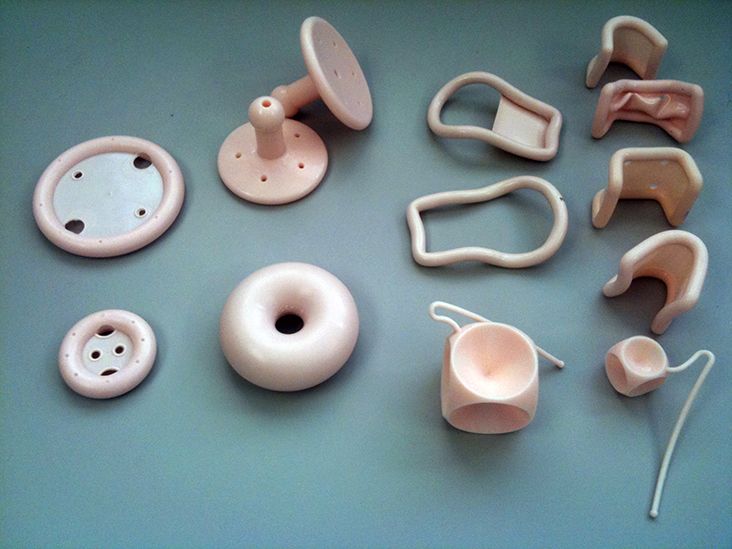
A hernia belt or truss may help some people manage symptoms temporarily, but incorrect use can cause pressure, skin irritation, or false confidence. It should not replace medical evaluation.
Common Mistakes People Make When Trying to Push a Hernia Back In
The biggest mistake is forcing it. A hernia should never require a wrestling match. If it does not reduce with rest, positioning, and gentle pressure, it needs medical attention. Another mistake is ignoring a hernia because it “usually goes back.” Patterns can change. A hernia that was once soft and cooperative may become stuck later.
Some people also delay care because they fear surgery. That is understandable. Surgery is not exactly a spa day. But emergency surgery for a complicated hernia is often more serious than planned repair. A calm conversation with a surgeon is usually better than a midnight dash to the emergency room.
When to Go to the Emergency Room
Go to the emergency room or call emergency services if the hernia becomes very painful, firm, red, purple, dark, or impossible to push back in gently. Also seek urgent care for nausea, vomiting, fever, abdominal swelling, inability to pass gas, inability to have a bowel movement, faintness, or sudden worsening symptoms.
These symptoms may suggest incarceration, obstruction, or strangulation. In plain English: the tissue may be trapped, blocked, or losing blood supply. That is not the time for home treatment.
Experiences Related to Pushing a Hernia Back In
Many people first notice a hernia during an ordinary moment: lifting a suitcase, coughing through a cold, carrying groceries, or finishing a workout. The bulge may appear, disappear, and then return like an unwanted subscription. At first, it may be painless, which is exactly why some people ignore it. “It goes away when I lie down” becomes the unofficial motto of hernia procrastination.
A common experience with a reducible hernia is that it feels more obvious near the end of the day. After hours of standing, walking, lifting, or coughing, the bulge may become larger or more uncomfortable. Lying down may make it shrink. Some people describe a soft pressure, dragging sensation, or mild ache. Others feel a strange popping or squishy feeling when the bulge slides back in.
People with groin hernias often say the discomfort is worse when they cough, sneeze, climb stairs, or lift something heavy. The awkward part is that the hernia may behave perfectly during a doctor’s visit, like a car that stops making the suspicious noise as soon as the mechanic appears. That is why it helps to write down symptoms or take a photo of the bulge when it is visible, as long as doing so does not delay urgent care.
Another real-world pattern is fear. A person may push the hernia back in once, feel relieved, and then worry every time it returns. That fear is reasonable. The best next step is not constant checking or repeated pushing, but a proper medical plan. Knowing whether watchful waiting, lifestyle adjustments, support garments, or surgical repair is appropriate can turn panic into a checklist.
Some people learn that their daily habits matter. Constipation, heavy lifting, and untreated coughing can make symptoms worse. Small changes, such as using proper lifting technique, treating allergies, eating more fiber, and avoiding unnecessary strain, can reduce flare-ups. These steps do not close the hernia opening, but they may help prevent the bulge from appearing as often.
Finally, many patients report that planned treatment is less frightening after they understand the options. Modern hernia repair may be open, laparoscopic, or robotic, depending on the case. Not every hernia needs immediate surgery, but every hernia deserves respect. The goal is not to become an expert at pushing it back in. The goal is to prevent an emergency, protect your health, and keep your internal organs from staging another escape attempt.
Conclusion
Learning how to push a hernia back in starts with knowing when not to try. A soft, painless, previously diagnosed reducible hernia may slide back in with rest, relaxed breathing, gentle positioning, and light pressure. But pain, discoloration, vomiting, fever, constipation, bloating, or a bulge that will not go back in are warning signs that need urgent medical care.
The safest approach is simple: do not force it, do not ignore changes, and do not treat reduction as a cure. Even when a hernia goes back in, the weak spot remains. Talk with a healthcare provider about monitoring, activity changes, support options, and whether surgical repair is the best long-term solution.