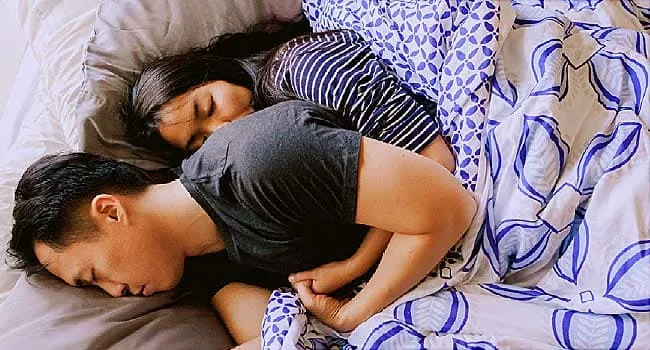
Snoring can turn a peaceful bedroom into what sounds like a midnight construction project. One person is sleeping through the noise, while everyone else is wondering whether earplugs qualify as a household necessity.
Occasional snoring is extremely common and may happen after a tiring day, during a cold, or after drinking alcohol. Persistent snoring, however, deserves more attention. It can disrupt sleep, strain relationships, and sometimes signal obstructive sleep apnea, a condition in which breathing repeatedly narrows or stops during sleep.
Understanding why you snore is the first step toward choosing a solution that actually addresses the cause rather than buying another mysterious anti-snoring gadget at 2 a.m.
What Actually Causes the Sound of Snoring?
Snoring occurs when air cannot move freely through your nose, mouth, and throat while you sleep. As the airway becomes narrower, the passing air makes relaxed tissues vibrate. The soft palate, uvula, tongue, tonsils, and walls of the throat may all participate in this unwanted nighttime orchestra.
Your muscles naturally relax during sleep. For some people, that relaxation allows the tongue or other soft tissue to move backward enough to partially obstruct airflow. The narrower the passage becomes, the more turbulent the airflow may be and the louder the resulting vibration can sound.
The noise alone does not reveal exactly where the obstruction is located. Two people may produce equally heroic snoring while having completely different causes. One may have chronic nasal congestion, while the other has an airway that collapses behind the tongue.
Medical basis: Mayo Clinic, Cleveland Clinic, Johns Hopkins Medicine and MedlinePlus.
Why Do You Snore? The Most Common Causes
1. Sleeping on Your Back
Gravity is not always your bedtime friend. When you sleep on your back, your tongue and soft palate are more likely to fall toward the rear of your throat. This position can narrow the airway and make snoring worse.
People whose snoring is strongly related to sleep position may become much quieter when they sleep on their side. This is called positional snoring. It is one of the easier forms to investigate because a bed partner or sleep-recording app may notice an obvious difference between positions.
2. Nasal Congestion or Structural Blockage
A cold, seasonal allergies, sinus inflammation, nasal polyps, or a deviated septum can make nasal breathing difficult. When your nose feels blocked, you may breathe through your mouth, increasing turbulence and vibration farther down the airway.
Temporary snoring during a respiratory infection often improves when the illness clears. Snoring that accompanies year-round stuffiness may require treatment for allergies or an examination by an ear, nose, and throat specialist.
3. Alcohol and Sedating Medications
Alcohol relaxes the muscles around the throat, especially when consumed close to bedtime. This can turn mild snoring into an overnight sound-effects demonstration. Sedatives, certain sleep medications, muscle relaxants, and some other drugs may have a similar effect.
Do not stop a prescribed medication on your own. Ask the prescribing clinician whether it could be affecting your breathing or muscle tone during sleep and whether safer adjustments are appropriate.
4. Body Weight and Neck Tissue
Excess tissue around the neck and upper airway can reduce the amount of space available for airflow. Weight is not the only reason people snorethin people can snore loudly, toobut weight gain may cause new snoring or make an existing problem worse.
For people with overweight or obesity, gradual, sustainable weight loss may reduce snoring and improve obstructive sleep apnea. Dramatic crash diets are not necessary, and weight loss should not replace medical evaluation when warning signs of sleep apnea are present.
5. The Anatomy of Your Mouth and Throat
A long soft palate, enlarged tonsils, a large tongue, a small or recessed lower jaw, or a naturally narrow throat can contribute to snoring. These structural traits may run in families, which helps explain why several relatives can share both facial features and a talent for rattling bedroom windows.
6. Aging and Hormonal Changes
Throat muscle tone may decline with age, making airway tissues more likely to relax and vibrate. Snoring also becomes more common after menopause, partly because hormonal and body-composition changes can affect the upper airway.
7. Smoking
Cigarette smoke can irritate and inflame the tissues lining the airway. Swelling and congestion may further restrict airflow. Quitting smoking may help reduce airway irritation while providing much broader benefits for the lungs, heart, and overall health.
8. Sleep Deprivation
When you are seriously overtired, your throat muscles may relax more deeply during sleep. Keeping a consistent sleep schedule will not correct a major anatomical obstruction, but adequate sleep may prevent exhaustion from amplifying ordinary snoring.
Risk-factor guidance synthesized from NHLBI, ENT Health, Harvard Health, Sleep Foundation and the American Lung Association.
When Snoring May Be a Sign of Sleep Apnea
Snoring does not automatically mean you have obstructive sleep apnea. Likewise, some people with sleep apnea do not snore dramatically. The pattern and accompanying symptoms matter more than the noise alone.
Obstructive sleep apnea occurs when the upper airway repeatedly becomes partially or completely blocked during sleep. The brain briefly arouses the sleeper so breathing can resume, often without the person remembering the event. These interruptions can occur many times during the night and prevent restorative sleep.
Warning Signs That Deserve Medical Attention
- Loud, frequent snoring interrupted by silence
- Witnessed pauses in breathing
- Gasping, choking, or snorting during sleep
- Severe daytime sleepiness
- Morning headaches or a persistently dry mouth
- Difficulty concentrating, forgetfulness, or irritability
- Frequent nighttime urination
- High blood pressure that is difficult to control
- Falling asleep while working, watching television, or driving
Daytime drowsiness while driving is an urgent safety issue. Avoid driving and seek prompt medical advice when you cannot stay alert behind the wheel.
Habitual snoring in children should also be discussed with a pediatrician. Enlarged tonsils or adenoids are common contributors to pediatric sleep-disordered breathing. Instead of appearing sleepy, affected children may become unusually active, irritable, or inattentive.
Sleep-apnea symptoms and risks: NHLBI, Mayo Clinic, Johns Hopkins Medicine, American Lung Association and ENT Health.
How Doctors Determine Why You Snore
A clinician may ask when the snoring started, whether it happens every night, which sleep positions make it worse, and whether anyone has observed breathing pauses. A recording made by a partner can be useful, although a smartphone cannot diagnose sleep apnea.
The physical examination may include the nose, mouth, throat, jaw, neck, tonsils, and soft palate. When sleep apnea is suspected, the clinician may order a home sleep apnea test or an overnight laboratory study called polysomnography. Testing can measure airflow, breathing effort, oxygen levels, heart rate, sleep stages, and other signals.
A home test may be appropriate for certain adults with a strong likelihood of uncomplicated obstructive sleep apnea. Laboratory testing provides more extensive information and may be preferred when symptoms are unusual or when other medical or sleep disorders are possible.
Diagnostic information: MedlinePlus, Johns Hopkins Medicine, UCSF Health and the American Lung Association.
How to Stop Snoring: Practical Solutions That Make Sense
Start With Side Sleeping
Try sleeping on your side for several nights and ask your partner whether the volume changes. A body pillow, positional pillow, or wearable positional device may make it easier to remain on your side. The classic advice about sewing a tennis ball into the back of your pajamas can work, but it may also make you feel as though your sleepwear has declared war on you.
Position changes may reduce simple snoring and some cases of positional sleep apnea. They are not a substitute for proper treatment when breathing repeatedly stops.
Limit Alcohol Before Bed
Avoiding alcohol for at least several hours before bedtime may reduce throat relaxation and snoring. Compare several alcohol-free nights with your usual routine rather than judging the result after one evening.
Treat Nasal Congestion Properly
Saline sprays or rinses may help clear mucus and allergens. Nasal strips or external nasal dilators can improve airflow when the obstruction is near the entrance of the nose. They are less likely to help when the main collapse occurs in the throat, and they do not treat obstructive sleep apnea.
People with allergies may benefit from clinician-recommended treatments such as a nasal corticosteroid spray. Topical decongestant sprays should not be used longer than directed because overuse can cause rebound congestion. Persistent one-sided blockage, recurrent sinus problems, or suspected structural narrowing warrants a medical evaluation.
Work Toward a Healthy Weight When Relevant
Weight management can reduce tissue pressure around the upper airway. Focus on changes that can be maintained: balanced meals, regular activity, adequate sleep, and professional support when needed. Even after significant weight loss, some people continue to snore because anatomy, nasal obstruction, or another factor remains.
Quit Smoking
Stopping tobacco use may decrease chronic airway irritation and swelling. The benefits extend far beyond quieter sleep, so ask a healthcare professional about counseling, medications, and other evidence-based cessation support.
Review Medications With a Clinician
Ask whether sedatives, sleep aids, opioids, muscle relaxants, or other medications might be worsening nighttime breathing. Never discontinue them abruptly unless a qualified professional tells you to do so.
Consider a Custom Oral Appliance
A mandibular advancement device holds the lower jaw slightly forward, helping create more space behind the tongue. A tongue-retaining device uses a different mechanism to prevent the tongue from falling backward.
Custom, adjustable appliances fitted and monitored by a qualified dentist are generally preferred over generic boil-and-bite products. Oral appliances may be considered for primary snoring and certain adults with obstructive sleep apnea, particularly when recommended through coordinated care between a physician and dentist.
Possible side effects include jaw discomfort, dry mouth, excess saliva, tooth movement, and changes in the bite. Follow-up is important because a device can make the bedroom quieter without fully controlling sleep apnea.
Use CPAP When Sleep Apnea Is the Cause
Continuous positive airway pressure, commonly called CPAP, sends pressurized air through a mask to prevent the airway from collapsing. It is one of the most effective and reliable treatments for obstructive sleep apnea and usually eliminates apnea-related snoring when used correctly.
Adjustment can take time. Mask leaks, dryness, pressure discomfort, or claustrophobia often improve after changing the mask style, adjusting humidification, refining settings, or practicing with the equipment while awake. A difficult first week does not necessarily mean CPAP has failed.
Discuss Surgery Only After a Thorough Evaluation
Surgery may be appropriate when a clear structural problem is present or when other treatments are ineffective or intolerable. Depending on the obstruction, procedures may address the septum, tonsils, palate, tongue, jaw, or other airway structures.
Selected adults with obstructive sleep apnea may qualify for hypoglossal nerve stimulation, an implanted system that helps move the tongue forward during sleep. No single operation is ideal for every person, so the decision should follow a detailed airway and sleep evaluation.
Treatment guidance: NHLBI, ENT Health, American Dental Association, FDA, UCSF Health, Mayo Clinic and Johns Hopkins Medicine.
Popular Snoring “Fixes” to Approach Carefully
Mouth Taping
Mouth taping has become a social-media favorite, but it is not a proven substitute for diagnosing and treating sleep apnea. It may be inappropriate for people with nasal obstruction, breathing conditions, vomiting risk, or significant nighttime breathing problems. Speak with a clinician before deliberately sealing your mouth during sleep.
Anti-Snoring Sprays and Supplements
Many products claim to lubricate the throat, tighten tissues, or produce instant silence. Evidence for most over-the-counter sprays and supplements is limited. A product cannot correct enlarged tonsils, a recessed jaw, or repeated airway collapse simply because its packaging features a peaceful moon.
Phone Apps
Apps can record sounds and help identify patterns, such as worse snoring after alcohol or while lying on your back. They cannot reliably determine oxygen levels, distinguish all breathing events, or rule out sleep apnea. Use recordings as information to share, not as a medical verdict.
Experiences Related to Stopping Snoring
The following scenarios are illustrative composites based on commonly reported experiences. They are not individual medical case reports.
The “I Only Snore Sometimes” Experiment
Imagine a person who insists that snoring happens only after “an unusually stressful week.” Their partner points out that unusually stressful weeks somehow occur every week. Together, they track the pattern for 14 nights. The snoring is noticeably worse after late dinners with alcohol and whenever the person sleeps flat on their back.
They test two straightforward changes: no alcohol during the three hours before bed and side sleeping with a body pillow. The snoring does not vanish completely, but its intensity and frequency drop. This experience illustrates the value of changing one or two factors consistently instead of trying five remedies at once. When everything changes simultaneously, it becomes impossible to know what helped.
The Partner Who Notices the Pauses
Another person has snored for years and considers it harmless. Their partner, however, begins hearing periods of silence followed by choking and a sudden, explosive breath. The snorer also wakes with headaches and struggles to stay alert during afternoon meetings.
A clinician orders a sleep study, which confirms obstructive sleep apnea. The first CPAP mask feels awkward, and the person removes it unconsciously during the first few nights. Instead of abandoning treatment, they contact the sleep clinic. A different mask, heated humidification, and gradual practice while reading in bed make the equipment easier to tolerate.
Within several weeks, the partner reports that the gasping has stopped. The person notices better concentration and no longer needs three alarms plus a negotiation with the snooze button. The lesson is not that every snorer needs CPAP; it is that breathing pauses and daytime impairment should not be dismissed as ordinary snoring.
The Congested Sleeper
A third person snores mainly during allergy season. They wake with a dry mouth, feel blocked through the nose, and sleep with their mouth open. A clinician identifies allergic rhinitis and recommends an appropriate allergy-management plan. Saline rinses, consistent use of the prescribed nasal treatment, and reducing bedroom allergen exposure improve nasal breathing.
The improvement is substantial but incomplete, so an ENT examination follows. No dangerous obstruction is found, but the evaluation confirms that nasal resistance is contributing to the noise. This experience demonstrates why treating the nose can help some snorers while doing very little for someone whose obstruction is primarily behind the tongue.
The Generic Mouthpiece Mistake
A final sleeper buys a low-cost mouthpiece online. It reduces the noise but causes jaw soreness and an uncomfortable change in the bite each morning. More importantly, the person still feels exhausted during the day.
After a medical assessment and sleep testing, they receive a diagnosis and discuss treatment choices. A trained dentist fits an adjustable oral appliance and monitors the teeth, jaw, and bite. Follow-up sleep testing verifies whether nighttime breathing has actually improved.
The important takeaway is that quiet does not always equal safe. Snoring volume is useful feedback, but successful treatment should also address airflow, oxygen levels, sleep quality, symptoms, and long-term health risk.
How to Build a Sensible Anti-Snoring Plan
- Ask a partner whether they hear breathing pauses, choking, or gasping.
- Track sleep position, alcohol use, congestion, medications, and morning symptoms for one to two weeks.
- Try low-risk changes such as side sleeping, limiting evening alcohol, and managing nasal congestion appropriately.
- Seek medical evaluation if snoring is frequent, severe, newly worsening, or accompanied by daytime symptoms.
- Complete recommended sleep testing rather than relying on noise recordings alone.
- Choose treatment based on the location and severity of the airway problem.
- Arrange follow-up to confirm that treatment is working, especially when sleep apnea is diagnosed.
Conclusion
Snoring is often caused by a combination of relaxed airway tissue, sleep position, nasal blockage, alcohol, weight, medication effects, and individual anatomy. Simple changes may reduce occasional snoring, but loud, habitual snoring with gasping, breathing pauses, headaches, or daytime sleepiness requires professional attention.
The most effective strategy is not finding the trendiest gadget. It is identifying where airflow is being restricted and selecting a solution that addresses that specific problem. Quieter nights are welcome, but healthy, uninterrupted breathing is the real goal.
Editorial research synthesized from guidance published by Mayo Clinic, the National Heart, Lung, and Blood Institute, MedlinePlus, Cleveland Clinic, Johns Hopkins Medicine, Harvard Health, ENT Health, the American Lung Association, the American Dental Association, the U.S. Food and Drug Administration, UCSF Health, the American Medical Association and Sleep Foundation.