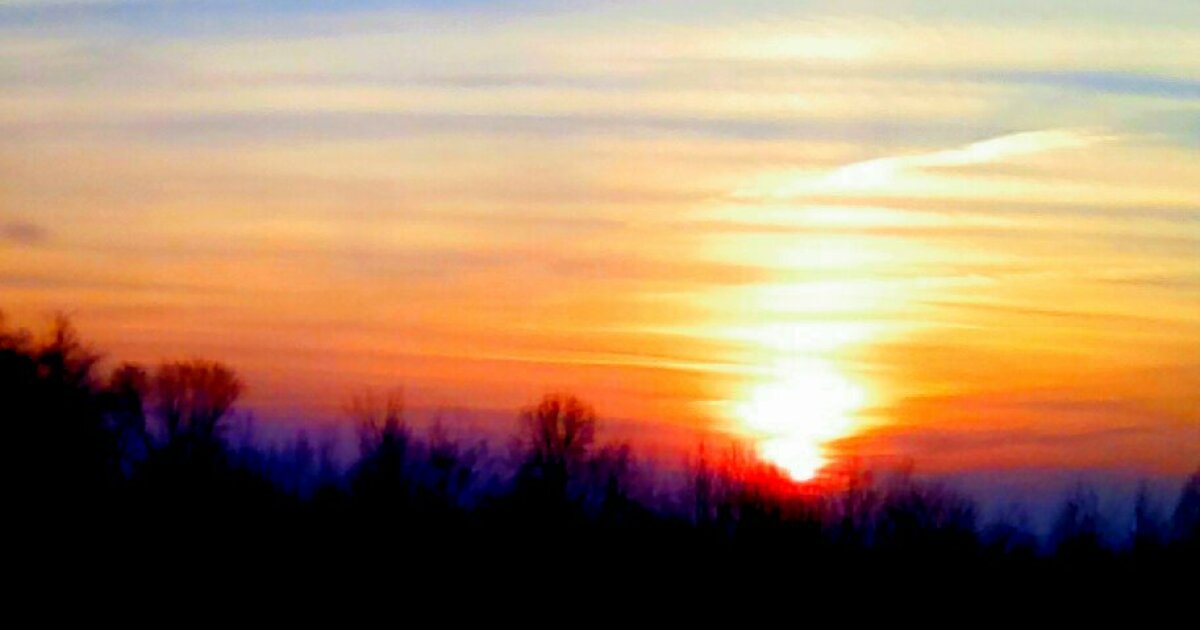
Take a look outside. No, reallypause the scrolling, turn your head, and inspect whatever is on the other side of the nearest window, doorway, balcony railing, or suspiciously dusty screen.
Maybe you see a glittering skyline worthy of a movie poster. Perhaps there is a quiet field, a crowded parking lot, a rain-soaked street, or one determined pigeon conducting a hostile takeover of your windowsill. Whatever the view, it reveals a tiny piece of your world at this exact moment.
That is the irresistible charm of the prompt, “Post a picture of what it looks like outside from where you are sitting.” It requires no professional camera, exotic vacation, elaborate setup, or perfectly behaved sunset. Participants simply photograph the view in front of them and share it. When dozens of people join in, an ordinary comment section becomes a patchwork window onto different neighborhoods, climates, seasons, routines, and lives.
Why This Simple Photo Prompt Is So Fascinating
Every View Is a Tiny Autobiography
A photograph taken from your seat may appear to show only trees, rooftops, traffic, or weather, but it quietly reveals much more. The height of the camera might suggest an apartment, office, classroom, hospital room, or ground-floor home. A bicycle near the door hints at someone’s daily routine. Toys in the yard suggest a family. Construction cranes reveal a neighborhood in transition.
Even two people living on the same street can produce completely different images. One person may photograph a tidy garden from a kitchen table. Another may capture the same block through an office window five floors above it. Perspective turns geography into personality.
Photography has long been used to document changing communities and preserve details that might otherwise disappear. Collections maintained by the Library of Congress and the Smithsonian demonstrate how photographs of ordinary streets, homes, businesses, and daily activities can eventually become meaningful cultural records. Today’s unremarkable bus stop may be tomorrow’s fascinating glimpse of life in the 2020s.
Ordinary Pictures Create an Unusually Strong Connection
Online life often resembles a talent show in which everyone brings professional lighting, a drone, and suspiciously perfect skin. A view-from-your-seat challenge works differently. It celebrates reality rather than performance.
Someone may share snow piled against a porch in Minnesota while another person posts palm trees bending in Florida wind. A city resident might reveal a maze of fire escapes. A rural participant may show a gravel road disappearing between cornfields. None of these scenes needs to “win.” Their value comes from comparison, curiosity, and the feeling that hundreds of windows have briefly opened at once.
Pew Research Center has described photos and videos as a form of social currency because people use visual content to share experiences and participate in online communities. A casual photograph can communicate atmosphere, location, weather, and emotion before a caption has finished clearing its throat.
What the View Outside Can Reveal
Weather Without a Forecast Map
A single community photo thread might contain bright desert sunlight, coastal fog, thunderstorms, autumn leaves, spring blossoms, and snow deep enough to make the mailbox reconsider its career choices.
Weather gives these pictures immediacy. A gray sky tells viewers how the day feels, not merely what temperature an app reports. Wet pavement reflects storefront lights. Wind animates curtains, branches, flags, and laundry. Fresh snow simplifies a cluttered landscape into something quiet and almost theatrical.
Sky photographs can even contribute to scientific observation. NASA’s GLOBE Observer program allows participants to photograph clouds, record sky conditions, and compare ground observations with satellite information. Your dramatic cloud picture may therefore be more than social-media decoration; with the right project, it can become citizen-science data.
The Rhythm of a Neighborhood
Look beyond the weather and notice movement. Is the street busy or nearly empty? Are people walking dogs, waiting for buses, loading delivery vans, tending plants, or rushing indoors before the rain arrives?
A photograph taken at 7 a.m. may show delivery trucks and joggers. The same scene at noon might contain lunch crowds and harsh shadows. At night, windows glow, traffic trails stretch across the frame, and familiar buildings acquire a more mysterious personality.
These pictures are especially interesting when people return to the same seat over time. Photograph the view once a month and you may capture construction, changing foliage, holiday decorations, new businesses, aging trees, shifting sunlight, and the mysterious migration pattern of your neighbor’s recycling bins.
Small Signs of Local Culture
Street signs, architecture, garden styles, vehicles, utility poles, balconies, storefront lettering, and public transportation all offer clues about where a photograph was taken. The goal is not to identify someone’s exact address like an overenthusiastic detective. It is to appreciate how places develop distinct visual characters.
A row of brick townhouses communicates something different from a collection of desert stucco homes. A narrow street lined with bicycles feels different from a broad suburban avenue dominated by cars. Even trash cans have regional personalities, although most of them remain emotionally unavailable.
How to Take a Better Window-View Photograph
This challenge is about authenticity, not perfection. Still, a few simple techniques can prevent your view from looking as though it was photographed through a jar of mayonnaise.
Clean the Camera Lens
Phone lenses collect fingerprints, dust, pocket lint, and whatever mysterious substance lives at the bottom of a handbag. Wipe the lens gently with a clean microfiber cloth before shooting. This ten-second step can improve clarity more dramatically than applying twelve filters named after Scandinavian emotions.
Expose for the Outdoor Light
Windows create a difficult lighting situation because the room is usually darker than the outdoors. Tap the brightest important area of the view on your phone screen so the camera does not overexpose the sky. If the result becomes too dark, adjust the exposure slightly upward until the outdoor details return.
Turning off indoor lights can also reduce reflections. Move the camera closer to the glass without touching it, and shade the lens with your hand when necessary. Watch for accidental reflections of your face, computer screen, family photographs, or the mountain of laundry you have been calling “a sorting system.”
Use the Window as a Natural Frame
Window edges, curtains, balcony doors, porch columns, and railings can frame the outdoor scene. Including part of the interior adds context and reinforces the idea that the photograph shows exactly what the photographer sees while sitting there.
Lines can guide the viewer’s attention toward the most interesting subject. Roads, fences, sidewalks, rooftops, and shadows often work as leading lines. The National Park Service recommends using lines, patterns, scale, and thoughtful composition to make outdoor photographs more compellingeven when the landscape is considerably less dramatic than the Grand Canyon and considerably more populated by parked sedans.
Wait for One Interesting Detail
You do not need a spectacular landscape. Wait for a bird to land on a wire, a person with a bright umbrella to cross the street, sunlight to break through the clouds, or a dog to investigate something with the urgency of an airport security officer.
One small focal point gives the viewer somewhere to look. Without it, a photograph may feel like a security-camera screenshot submitted as evidence that absolutely nothing happened.
What to Write With Your Picture
A short caption can transform a basic window view into a miniature story. Consider including the general region, time of day, weather, and one detail that cannot be seen.
For example: “Morning rain from my apartment in the Pacific Northwest. The crows have been arguing about the same sandwich for twenty minutes.” That caption supplies atmosphere and personality without revealing a precise location.
You could also answer one simple question:
- What changed outside during the last hour?
- What sound can you hear from your seat?
- What is your favorite detail in the view?
- Does this scene look typical for the season?
- What is happening just beyond the edge of the frame?
The strongest captions do not merely identify objects. They tell readers why the view matters to the person who photographed it.
Why Looking Outside May Feel Surprisingly Good
There is a reason many people instinctively choose seats near windows. Natural scenes provide gentle visual activity: clouds shift, leaves move, birds appear, shadows change, and sunlight travels across the ground. This movement holds attention without demanding the intense concentration required by work, messages, or a group chat containing 147 unread opinions about dinner.
Research reviewed by the American Psychological Association has associated exposure to nature with benefits such as lower stress, improved mood, and better attention. Scientific reviews indexed by the National Institutes of Health have also found evidence that viewing natural environmentsincluding views through windows and images of naturemay support relaxation and stress recovery. These findings do not mean that photographing one shrub will solve every problem, but they do suggest that briefly observing the outdoor world can be a worthwhile pause.
Urban views can be restorative in their own way. Watching pedestrians, distant traffic, changing light, or activity in a public square may provide a sense of connection to the wider world. The ideal view is not necessarily a forest. Sometimes it is simply evidence that life continues beyond the screen.
Share the View Without Sharing Too Much
Before posting, inspect the image for personal information. House numbers, street names, license plates, school logos, office badges, delivery labels, computer reflections, family photographs, and distinctive landmarks can reveal more than intended.
Location metadata may also be attached to photographs when camera location services are enabled. The Federal Trade Commission recommends reviewing app permissions and privacy settings and considering whether location access is necessary. It also advises users who do not want to broadcast where every photograph was taken to turn off camera-location features.
Avoid photographing identifiable people through windows without their permission, especially children or neighbors in private spaces. A community photo challenge should feel welcoming, not like the opening scene of a documentary titled The Person Across the Courtyard Knows Too Much.
Safety matters more than the picture. Do not climb onto furniture, lean dangerously over balconies, step into traffic, or venture outside during severe weather for a better angle. The National Weather Service advises people to move indoors when thunder is heard and to remain away from windows during dangerous storms. Lightning is impressive enough without being photographed from the worst possible seat.
How to Build a Great Community Photo Thread
Invite Reality, Not Perfection
Make it clear that every view is welcome. Participants should not feel that they need mountains, beaches, famous landmarks, or a backyard maintained by twelve invisible gardeners. Apartment walls, alleys, office parking lots, dormitory courtyards, suburban streets, and rainy windows all belong in the conversation.
Encourage Kind Curiosity
Comments should focus on thoughtful observations and friendly questions. Ask about the weather, plants, architecture, animals, or mood of the scene. Avoid pressuring people to provide exact locations.
A good reply might say, “The fog makes your street look wonderfully quiet. Is that common there?” A less ideal reply would be, “I have analyzed the angle of the shadows and located your breakfast table.”
Try a Repeat Challenge
Invite everyone to return with another picture at sunset, during a different season, or one month later. Repeated photographs can document subtle environmental and community changes. This principle is used in documentary photography, historical archives, and citizen-science projects because consistent viewpoints make change easier to notice.
Experiences From the Other Side of the Glass
The following representative experiences illustrate the kinds of stories that can emerge from a simple view-outside photo challenge.
A Rainy Apartment Morning
One participant photographs a narrow street through a fifth-floor apartment window. Rain has turned the pavement into a dark mirror, doubling the red glow of a traffic light. Nothing spectacular is happening. A delivery driver pulls a cart toward a doorway, and a cyclist waits beneath an awning.
The photographer explains that this is the chair where she drinks coffee before work. She usually considers the view ordinary, but framing it on her phone makes her notice the warm windows, the reflections, and the choreography of umbrellas below. Other commenters begin discussing their favorite rainy-day rituals. A photograph of wet asphalt unexpectedly becomes a conversation about comfort.
A Backyard Full of Uninvited Performers
Another person shares a photograph from a dining-room table overlooking a modest backyard. The lawn is patchy, one chair has tipped over, and a squirrel is hanging upside down from a bird feeder with the confidence of someone who has defeated the legal system.
The image receives enthusiastic responses because it feels familiar. Several people post their own feeder thieves: raccoons, chipmunks, pigeons, and one remarkably athletic deer. The original view was not picturesque, but it contained a story. By the end of the thread, the squirrel has acquired a name, a criminal record, and several international supporters.
A Quiet Rural Road
A participant working from home photographs a gravel road bordered by tall grass and utility poles. The road disappears behind a low hill. There are no pedestrians, shops, or vehicles in sight.
City dwellers describe the scene as peaceful, but the photographer adds another layer: the road becomes difficult during heavy snow, internet service is unpredictable, and the nearest grocery store is a significant drive away. The photograph invites a useful exchange about the difference between visiting a rural landscape and living in one. Beauty and inconvenience can occupy the same frame without arguing.
A Hospital Window at Sunset
One of the most moving contributions comes from someone sitting beside a relative in a hospital room. The photograph shows only rooftops, antennas, and a strip of orange sunset between two buildings.
The caption explains that the view has marked the passing hours during a stressful week. Morning light means another day has started; illuminated office windows signal evening; the sunset offers a brief moment when everyone in the room stops talking and looks outside.
Commenters respond with their own memories of waiting rooms, recovery rooms, and long nights beside loved ones. The photograph does not reveal private medical details. It simply captures how an ordinary view can become emotionally significant when circumstances change.
The Same Window, Years Apart
A longtime resident posts two photographs from the same kitchen seat. The first was taken years earlier, when a vacant lot across the street contained weeds and a handmade soccer goal. The second shows an apartment building, young trees, and a new sidewalk.
Neither image tells the complete story of whether the changes were positive or negative. Together, however, they document the transformation of a neighborhood. Former residents recognize the lot and begin sharing memories of games, lost balls, summer evenings, and the neighbor who always complained when someone stepped on his flowers.
The paired photographs demonstrate why everyday pictures matter. People often wait for birthdays, vacations, and dramatic events before reaching for a camera. Meanwhile, familiar places change quietly. A casual photograph from a chair may preserve details that no one realizes they will miss.
Conclusion: Your Ordinary View Is Worth Sharing
The scene outside your window does not need to be famous, beautiful, or perfectly lit. It only needs to be yours for this particular moment.
A photograph taken from where you are sitting can reveal weather, architecture, daily routines, local wildlife, neighborhood change, and the emotional atmosphere of a day. Shared in a welcoming community, these images become more than isolated snapshots. They form a collective portrait of people looking outward from homes, offices, cafés, classrooms, hospitals, hotels, and countless other corners of the world.
So clean the camera lens, check the frame for private information, and take the picture. Include the crooked fence, the foggy glass, the delivery truck, the construction noise, or the bird behaving like it owns the property. Perfection would only make the story less interesting.
Note: This article synthesizes established guidance and research from U.S. organizations covering photography, nature exposure, digital privacy, community archives, citizen science, social sharing, and weather safety. Examples in the experience section are illustrative composites rather than claims about identifiable individuals.