
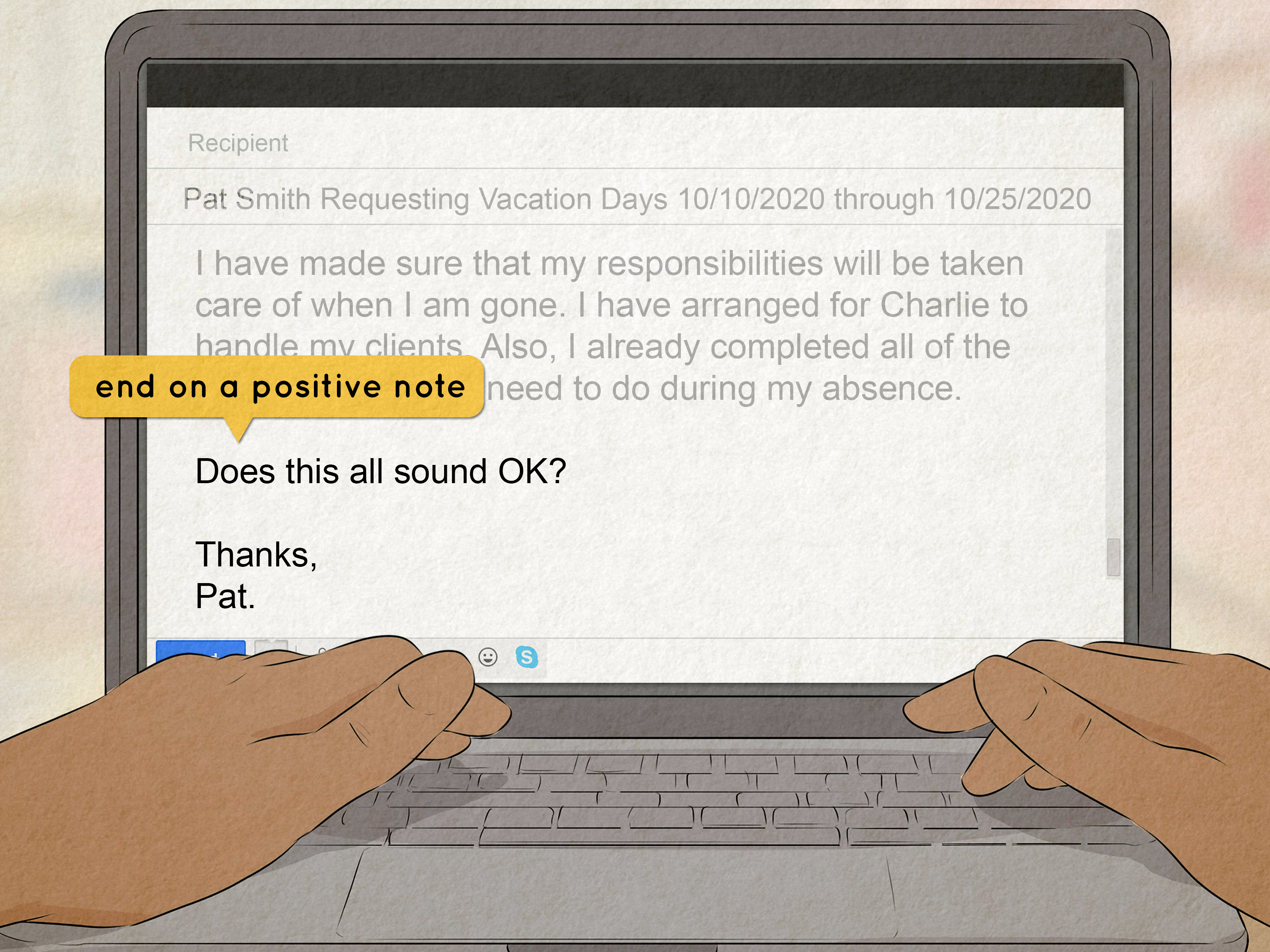
Requesting time off from work should not feel like launching a rocket, solving a mystery, or asking your boss for the last slice of office birthday cake. Still, many employees freeze when they need to write that simple email: “Can I take next Friday off?” Suddenly, every sentence sounds either too casual, too dramatic, or like it was written by a nervous robot wearing a tie.
The good news is that a professional time off request email is easier than it looks. Whether you are asking for vacation days, a personal day, sick leave, bereavement leave, unpaid leave, or a few hours away for an appointment, the basic formula is the same: be clear, be respectful, give enough notice when possible, and show that you have thought about work coverage.
This guide explains how to request time off from work by email, what to include, what to avoid, and how to write messages that sound polished without being stiff. You will also find practical time off request email examples for different situations, plus a real-world experience section at the end to help you handle the awkward little details that most templates skip.
What Is a Time Off Request Email?
A time off request email is a written message asking your manager, supervisor, or HR department to approve your absence from work for a specific date or period. It creates a clear record of your request, including the dates, reason if appropriate, type of leave, and any plan for covering your responsibilities while you are away.
Some companies require employees to request time off through HR software, a payroll platform, or an internal portal. Even then, sending a short email can still be helpful if your manager expects a heads-up before the official request goes into the system. Think of the email as the polite knock on the door before the formal paperwork enters wearing business shoes.
Why a Good Time Off Email Matters
A well-written time off request email does more than ask for a break. It shows that you respect your team’s schedule, understand your responsibilities, and are planning ahead. Managers are usually more comfortable approving leave when they can see that projects, meetings, clients, and deadlines will not be abandoned like leftovers in the office fridge.
A strong email also reduces confusion. Instead of saying, “I might be out sometime next week,” you provide exact dates, return information, and coverage details. That clarity helps your manager make a decision faster and prevents the dreaded follow-up chain of six emails that could have been avoided with one good sentence.
Before You Request Time Off: Check These Things First
Before writing your email, take a few minutes to prepare. This step makes your request more professional and improves your chances of approval.
1. Review Your Company’s Time Off Policy
Start by checking your employee handbook, HR portal, offer letter, or company policy. Look for rules about paid time off, vacation days, sick leave, personal days, unpaid leave, holidays, blackout dates, advance notice, and approval procedures. Some workplaces ask for two weeks’ notice for vacation. Others need more time during busy seasons.
If your request involves medical leave, family leave, disability-related leave, or an extended absence, the rules may be more formal. In the United States, some workers may qualify for job-protected leave under laws such as the Family and Medical Leave Act, while disability-related leave may involve reasonable accommodation rules. For anything legal, medical, or policy-heavy, contact HR instead of guessing.
2. Look at the Team Calendar
Try to avoid requesting time off during major deadlines, product launches, audits, conferences, high-volume customer periods, or dates when several coworkers are already out. You may still need the time off, of course. Life has a rude habit of not checking your team calendar. But if your dates are flexible, choosing a quieter period can make approval much easier.
3. Plan Your Coverage
Before emailing your boss, think through who can handle urgent tasks, what can wait, and what should be completed before you leave. You do not need to create a 40-page handoff document for one afternoon off, but you should show that your absence will not create chaos. A simple line like “I will finish the report before I leave and ask Jordan to monitor urgent client messages” can go a long way.
4. Decide How Much Reason to Share
You usually do not need to overshare. For vacation, “I would like to use PTO” is enough. For a personal day, “for personal reasons” is acceptable in many workplaces. For sick leave, “I am not feeling well and need to take a sick day” is often sufficient unless your company requires more detail. Your manager does not need a dramatic documentary about your stomach, your family reunion, or your dentist’s heroic battle with your molar.
How to Request Time Off from Work by Email
Here is a simple structure you can use for almost any time off request email.
Step 1: Use a Clear Subject Line
Your subject line should make the purpose obvious. Managers receive enough mysterious emails already. Do not make them decode yours.
Good subject line examples:
- Time Off Request: June 10–14
- PTO Request for Friday, August 2
- Vacation Request: September 3–6
- Personal Day Request for Monday, May 20
- Sick Leave Request for Today
Step 2: Start Politely and State the Request
Open with a direct but courteous sentence. You do not need a long introduction. This is not a novel. Your manager should know what you are asking within the first few lines.
Example: “I would like to request paid time off from Monday, June 10, through Friday, June 14, returning to work on Monday, June 17.”
Step 3: Include the Dates and Type of Leave
Be specific. Include the full dates, day of the week if helpful, and whether you are requesting a full day, half day, several days, paid time off, sick leave, unpaid leave, or another type of leave.
Instead of writing, “I want to take some time next month,” write, “I would like to request PTO for Thursday, July 18, and Friday, July 19.” Precision is your friend. Vague requests are where confusion goes to build a tiny vacation home.
Step 4: Mention Coverage or Work Preparation
Managers appreciate knowing that you have a plan. Briefly explain what will happen to your work while you are away. This could include completing tasks early, rescheduling meetings, preparing notes, setting an out-of-office reply, or asking a coworker to cover urgent issues.
Example: “Before I leave, I will send the weekly report, update the project tracker, and share handoff notes with the team.”
Step 5: Ask for Approval
End by asking your manager to confirm whether the request works. Even if your company offers PTO as a benefit, approval still depends on staffing, timing, and policy.
Example: “Please let me know if these dates work for the team or if you would like me to adjust the request.”
Time Off Request Email Template
Use this simple template when you want a clean, professional email that works in most situations.
Vacation Time Off Request Email Example
Vacation emails should be friendly, clear, and planned in advance whenever possible.
Personal Day Request Email Example
You do not always need to explain the personal reason. Keep it professional and brief.
Half-Day Time Off Request Email Example
For a half day, include the exact hours you plan to be away.
Sick Day Email Example
When you are sick, you usually do not need a long explanation. Focus on the fact that you are unable to work and mention urgent coverage if necessary.
Emergency Time Off Request Email Example
Emergencies are different from planned vacation. Be clear, but do not feel pressured to share private details.
Extended Leave of Absence Request Email Example
For longer absences, your email should be more formal. You may also need to work with HR and submit documentation, depending on company policy and the reason for leave.
Unpaid Time Off Request Email Example
If you do not have enough PTO or your leave does not fall under paid categories, ask clearly and acknowledge that approval depends on policy.
What Not to Say in a Time Off Request Email
A good time off email is professional, not overly apologetic, and not packed with unnecessary details. Avoid these common mistakes:
- Being vague: “I need some time off soon” does not help your manager plan.
- Sounding entitled: “I will not be here next week” can come across poorly unless your absence is already approved.
- Oversharing: Your email should not read like a medical chart, family group chat, or travel diary.
- Forgetting coverage: Even a short coverage note shows responsibility.
- Waiting too long: Ask early when the absence is predictable.
- Ignoring company policy: If your workplace requires a portal request, submit it there too.
Best Practices for Getting Your Time Off Approved
Give as Much Notice as Possible
For planned vacation, ask early. Two weeks may be acceptable in some workplaces, but longer notice is better for extended trips or busy seasons. If your team schedules work monthly or quarterly, early notice helps your manager plan coverage without needing a spreadsheet, three meetings, and a stress snack.
Choose the Right Timing
Try not to send your request five minutes before a major deadline or during a crisis. If possible, request time off after you have checked key dates and considered team needs. Timing does not guarantee approval, but it can make your request easier to support.
Make the Email Easy to Approve
Your manager should be able to read your message and quickly understand the dates, impact, and coverage plan. The easier you make the decision, the better. A clear email says, “I have thought this through.” A messy email says, “Good luck solving my calendar puzzle.”
Keep the Tone Confident and Respectful
You do not need to beg for time off. PTO is part of many compensation packages, and rest is important for performance. At the same time, approval often depends on business needs. The best tone is calm, professional, and cooperative.
Follow Up If Needed
If you do not receive a response after a reasonable period, send a polite follow-up. Managers are busy, and emails sometimes sink into the inbox swamp.
Should You Explain Why You Need Time Off?
Sometimes yes, sometimes no. For vacation, you can simply say you would like to use PTO. For personal days, “personal reasons” is usually enough. For sick leave, a brief statement that you are unwell is often appropriate. For extended leave, medical leave, family leave, bereavement, jury duty, or legally protected leave, your company may require specific information or documentation through HR.
The key is to share enough for the request to be understood without giving more detail than necessary. Professional boundaries are healthy. Your boss needs to know you will be away; they probably do not need the full plotline, supporting cast, and emotional soundtrack.
How to Request Time Off When You Just Started a Job
Requesting time off early in a new job can feel awkward, but it happens. Maybe you had a pre-planned trip, a family event, or an appointment that cannot move. The best approach is honesty, early communication, and flexibility.
If you discussed the time off during the hiring process, mention that briefly. If not, ask as soon as you know. Be especially thoughtful about coverage and training schedules.
How to Request Time Off During a Busy Season
Asking for time off during a busy season requires extra care. If your request is flexible, offer alternative dates. If it is not flexible, explain the timing briefly and provide a strong coverage plan.
Experience-Based Tips: What Actually Works When Asking for Time Off
After seeing many workplace situations play out, one lesson becomes obvious: the best time off requests are not the longest ones. They are the clearest ones. Managers do not need a beautifully written essay about your need for rest, your cousin’s wedding, or your heroic plan to finally sleep past 7 a.m. They need dates, context, and confidence that the work will be handled.
One useful experience is to treat your request like a mini project plan. Before you email your manager, write down three things: what will be finished before you leave, what can wait until you return, and who can help if something urgent appears. Even if you do not include every detail in the email, having that plan makes your message stronger. It also prepares you for the manager’s likely question: “What about the client report?” Instead of blinking at the screen like a startled raccoon, you can say, “I’ll send it Wednesday before I leave.”
Another practical tip is to avoid apologizing too much. A simple “Thank you for your understanding” is professional. A dramatic “I am so incredibly sorry to inconvenience everyone by requesting one human day away from my keyboard” is not necessary. Over-apologizing can make a normal request feel bigger and more disruptive than it is. You are asking for time off, not confessing to eating the team’s emergency chocolate supply.
It also helps to know your manager’s communication style. Some managers prefer a quick chat before an official email. Others want everything in writing first. Some approve quickly if you include coverage details. Others want you to submit the request in the HR system before they discuss it. Pay attention to how time off is handled on your team. Workplace culture matters, and matching the process shows good judgment.
For planned vacations, the best approach is to ask early and then remind people politely as the date gets closer. Approval in January does not mean everyone will magically remember your July beach trip. One week before leaving, send a short handoff message to your manager and key coworkers. Include your dates away, return date, urgent contacts, and status of important tasks. This prevents last-minute panic and reduces the chance that someone messages you on day two of vacation asking where the spreadsheet lives. The spreadsheet is in the shared folder, Kevin. It has always been in the shared folder.
For personal or sensitive leave, experience shows that less detail is often better. You can be honest without opening your private life for public review. “I need to take a personal day” or “I need to request time off for a family matter” is enough in many cases. If HR needs more information, they will tell you through the proper process. Protecting your privacy is not rude; it is professional.
For sick days, speed matters more than perfection. Send the message as early as you reasonably can, especially if your absence affects meetings or coverage. Do not spend 30 minutes crafting a literary masterpiece while running a fever. A short email that says you are sick, unavailable, and have noted any urgent items is perfectly fine.
Finally, remember that taking time off is not a weakness. Rested employees make fewer mistakes, communicate better, and return with more energy. A workplace that never allows people to unplug eventually becomes a place where everyone is technically present but mentally buffering. Use your time off responsibly, communicate clearly, and then actually take the break. Close the laptop. Turn off notifications if your role allows it. Let your out-of-office message do its tiny digital job while you enjoy being a person outside of work.
Conclusion
Learning how to request time off from work by email is a simple but valuable career skill. The right email is clear, polite, specific, and practical. It includes your requested dates, type of leave, return date, and a brief plan for handling work while you are away. Whether you are taking vacation, a sick day, a personal day, unpaid leave, or an extended absence, the goal is to make your request easy to understand and easy to approve.
You do not need fancy language or a dramatic explanation. You need professionalism, timing, and clarity. Check your company policy, give notice when possible, respect team needs, and keep your message focused. With the examples above, you can write a time off request email that sounds confident, considerate, and refreshingly human.











