Some stories grab you by the shirt collar. This is one of them.
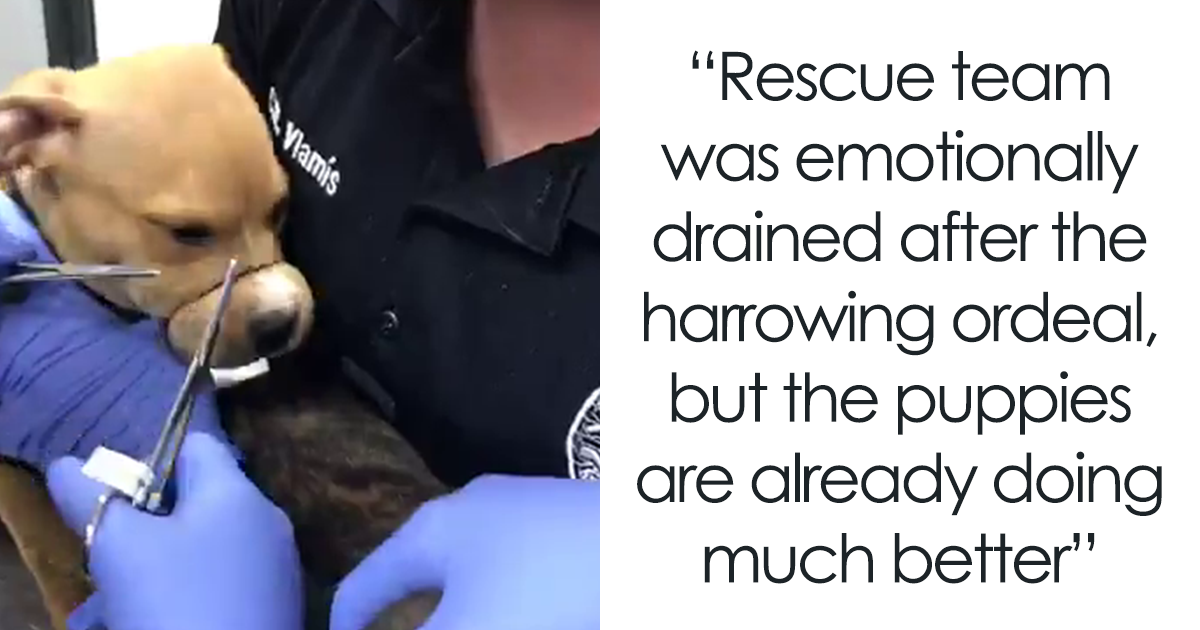
In Wichita, Kansas, two abandoned puppies were found in a crate inside a filthy apartment after a maintenance worker entered the unit to investigate a burst pipe. What he discovered was the kind of scene that makes decent people lose faith in humanity for a minute: the puppies were silent, cramped, surrounded by waste, and unable to open their mouths properly because small rubber bands had been wrapped tightly around their snouts. Rescue workers moved fast. A veterinarian removed the bands. And the puppies, later identified as Wilson and Violet, were saved just in time.
It is a heartbreaking rescue story, yes, but it is also something more useful than heartbreak alone. It is a case study in how animal cruelty is spotted, how rescue networks actually work, and why quick action matters. It is also a reminder that even when people behave like absolute bargain-bin villains, there are still maintenance workers, foster volunteers, animal control officers, and veterinarians willing to step in and change the ending.
This article looks at what happened, why the rescue mattered, what the case reveals about animal neglect and abuse, and what readers should do if they ever come across puppies in similar danger.
What Happened to the Puppies?
The rescue began with what seemed like a routine property problem. A maintenance worker went into an apartment to check on flooding caused by a burst pipe. Instead of finding only water damage, he found two puppies in a crate, hidden away in appalling conditions. They were quiet, not because they were calm, but because something was terribly wrong.
When rescuers and local animal welfare workers got involved, the truth became painfully clear: tiny rubber bands had been wrapped around the puppies’ snouts tightly enough to keep them from opening their mouths normally. Their noses were swollen and red. According to rescue accounts, the bands were so tight that at first glance they looked more like wire than hair ties.
That detail matters. Rubber bands may look small and harmless sitting in a bathroom drawer next to a lonely bobby pin and a broken hair clip, but when they are left tightly around living tissue, they can cut off circulation, dig into skin, trigger extreme pain, and create a serious risk of infection and lasting damage.
The puppies were rushed to a veterinarian, where the bands were removed. Rescuers later described the moment as both relieving and devastating. The puppies cried out when circulation returned, a sign of just how much pain they had been enduring. The good news is that the rescue happened before the damage became even worse. They were then placed into foster care to recover.
That phrase, just in time, is not dramatic fluff here. It is the whole point.
Why This Rescue Story Hit So Hard
Animal rescue stories go viral every day, but this one struck a nerve because it combined three things people instinctively understand: helplessness, cruelty, and timing. The puppies were not simply abandoned. They were deliberately silenced. That act transformed the case from sad neglect into something colder and harder to process.
It also forced people to confront a harsh truth: abuse is not always theatrical. Sometimes it is quiet. Sometimes it happens behind apartment doors, inside crates, in places no one sees unless a pipe bursts, a neighbor calls, or a Good Samaritan follows a bad feeling.
There is another reason this story lingers. It shows the razor-thin line between recovery and catastrophe. If the maintenance worker had arrived later, if the flooding had not happened, if no one had called for help, the result could have been very different. Rescue often looks heroic in hindsight, but in real time it is fragile, messy, and heavily dependent on chance meeting courage.
What Made This a Medical Emergency
People sometimes hear “rubber bands” and think of a prank-level object. Veterinarians hear “constriction injury” and think, correctly, that things can go south in a hurry.
When a tight band stays wrapped around a body part, it can reduce blood flow, damage skin, create swelling, and increase the risk of tissue death. Around a puppy’s snout, the danger becomes especially serious because the mouth and nose are essential not only for eating and drinking, but also for breathing comfortably, cooling the body, and expressing distress.
This is also a good place to clear up an important distinction: humane restraint in veterinary settings is controlled, brief, and designed to prevent injury. Deliberately sealing a puppy’s mouth shut with rubber bands is not restraint. It is abuse. Full stop. No loophole. No clever rebranding. No “the dog was being noisy” defense that deserves daylight.
Rescued animals in situations like this need immediate veterinary assessment, pain control, wound evaluation, hydration support, and follow-up observation. The outer injuries matter, but so do the invisible ones: stress, fear, dehydration, infection risk, and the emotional shutdown that can follow trauma.
How a Real Rescue Usually Unfolds
1. Someone notices something is wrong
In this case, it was a maintenance worker. In other cases, it might be a delivery driver, neighbor, landlord, postal worker, or passerby. Rescue often starts not with an organization, but with one observant person who refuses to shrug and move on.
2. The right people get called
Animal control, rescue groups, and veterinary teams each play a different role. Animal control may investigate and secure the scene. A rescue group may coordinate transport, foster placement, and medical support. Veterinarians handle the urgent health side of the crisis. No single hero cape does it all; it is usually a relay race.
3. Medical care happens first, questions later
When an animal is in obvious distress, treatment cannot wait for a perfectly tidy narrative. Stabilization comes first. Documentation and investigation follow. That sequence matters because animals cannot explain what happened, and they definitely cannot fill out intake paperwork with a paw print and a sigh.
4. Foster care becomes the bridge to recovery
Once an animal is stable, foster care often provides the safest next step. A foster home gives rescued puppies routine, quiet, observation, and the chance to relearn that human hands can bring food, warmth, and comfort instead of pain.
5. Recovery is measured in small wins
Eating normally. Sleeping deeply. Wagging again. Approaching instead of cowering. These are not tiny milestones when a dog has experienced trauma. They are the rebuilding of trust, one ordinary moment at a time.
What This Story Teaches Us About Animal Cruelty
The puppies’ rescue did not happen in a vacuum. It reflects broader patterns that animal welfare experts talk about all the time: neglect hides in plain sight, untreated injuries escalate quickly, and bystanders can make the difference between suffering and survival.
Animal welfare organizations consistently warn the public to watch for signs such as untreated wounds, visible illness, severe confinement, unsanitary living conditions, lack of veterinary care, and tight items causing injury to the body. In other words, if something looks deeply wrong, it probably is.
- Animals kept in filthy spaces with feces, urine, or little room to move
- Visible swelling, bleeding, wounds, or embedded objects
- Extreme fear, silence, or unusual withdrawal
- No access to food, water, or proper shelter
- Deliberate attempts to hide animals from landlords, neighbors, or authorities
This story also underscores another uncomfortable reality: cruelty to animals is often linked with broader patterns of violence and neglect. That does not mean every bad pet owner fits one simple profile, but it does mean communities should take these cases seriously, not wave them off as “just an animal issue.”
What To Do If You Find Abandoned or Abused Puppies
If you ever find puppies in a situation that looks abusive, do not improvise like you are starring in an action movie with a leash instead of a sword. Move carefully and think in steps.
Stay safe first
Injured animals may bite out of fear or pain. Approach slowly, avoid sudden movements, and do not force physical contact unless it is necessary to prevent immediate harm.
Call local help immediately
Contact animal control, local law enforcement if a crime is in progress, or a reputable rescue group. If the puppies have visible injuries, ask for urgent veterinary help.
Document what you see
Take notes or photos if it is safe and legal to do so. Details about the environment, the condition of the puppies, and the timing can help investigators and rescuers later.
Do not remove tight objects unless you can do so safely
If something is wrapped around a puppy’s mouth, neck, or limb, removal may seem obvious, but distressed animals can thrash, bite, or worsen the injury. Emergency veterinary help is the safest route whenever available.
Keep the puppies warm and quiet
If rescue professionals instruct you to transport them, keep the environment calm, use a secure carrier, and minimize stress. Traumatized puppies need less chaos, not a loud group debate around the trunk of your car.
Can Puppies Recover From This Kind of Trauma?
Physically, many can recover surprisingly well when treatment comes quickly. Emotionally, recovery is usually slower, but it absolutely happens.
Behavior experts and rescue groups emphasize patience, routine, and positive reinforcement for dogs with fear or trauma histories. That means predictable feeding, gentle handling, quiet sleep space, slow introductions, and reward-based training rather than punishment. A foster or adopter may first see a puppy who flinches, freezes, avoids touch, or seems “shut down.” Over time, many of those same dogs learn to relax, play, and trust again.
That recovery matters because a rescue is not finished when the emergency ends. Saving a life is phase one. Helping that life feel safe again is phase two. And phase two often takes longer, more discipline, and more emotional stamina than people expect.
Still, there is real hope here. Shelter and rescue work across the United States continues to move animals from crisis to care to adoption every day. Millions of dogs are adopted nationwide, and many of them come from difficult beginnings. Their first chapter may be grim, but it does not have to be their final one.
The Bigger Reason Stories Like This Matter
It is easy to consume a story like this in the modern internet style: gasp, feel furious, share, move on, repeat. But the lasting value is not outrage alone. It is awareness.
Stories like the rescue of Wilson and Violet teach people what warning signs look like. They show how rescue systems function under pressure. They remind landlords, neighbors, property workers, and ordinary residents that noticing something strange can save a life. And they push the public to support shelters, foster networks, veterinary charities, and cruelty investigations that are often underfunded and overworked.
They also challenge the lazy myth that one person cannot do much. One maintenance worker noticed something. One call triggered action. One urgent response changed everything. That is not small. That is the whole engine.
Experiences People Often Carry After a Rescue Like This
Cases involving abandoned puppies with mouths sealed shut do not end emotionally when the bandages come off. For the people involved, the experience tends to linger in surprisingly specific ways. The person who first finds the puppies often remembers the smell before anything else. That detail shows up again and again in rescue accounts because severe neglect is not just visible; it hits all the senses at once. Many finders also report a strange wave of guilt, even though they were not the ones who caused the harm. They think, How long were they here? or What if I had come sooner? That kind of second-guessing is common in animal rescue, especially when the animals are very young.
Veterinary staff and rescuers describe a different kind of aftermath. In emergency cases, adrenaline does the heavy lifting at first. You focus on transport, removal, medication, paperwork, follow-up, and who is taking the overnight watch. The emotional hit often lands later, when the room is finally quiet. That is when a rescuer remembers the sound a puppy made when circulation returned, or the way the dog shrank from human hands before slowly realizing those hands were helping. Professionals get experienced, but they do not become made of stone. Most of them would probably prefer that the internet stop assuming rescue workers are powered by caffeine and invincibility.
Foster families often experience the rescue in slow motion. The emergency is over by the time the puppy arrives, but the healing is just beginning. A foster may see a dog refuse to eat unless no one is watching, panic at sudden movement, or freeze when a leash appears. Then, one day, something changes. The puppy takes a treat. The tail gives one cautious wag. The dog falls asleep belly-up for the first time. Those moments may look tiny from the outside, but to a foster, they feel enormous. They are signs that trust is not dead; it is just rebuilding itself brick by brick.
Adopters of animals with hard beginnings often describe a mix of gratitude and humility. They may enter the process wanting to “save” a dog, then realize very quickly that the dog is also changing them. Caring for a traumatized puppy teaches patience in a way no motivational poster ever could. Progress is uneven. Some days are adorable movie montage material. Other days are more like “why are we afraid of doorways again?” But over time, the relationship becomes less about damage and more about personality. The dog stops being only a survivor and starts being a goofball, a shadow in the kitchen, a sock thief, a couch hog, a family member.
And for people who only read about cases like this from a distance, the experience is often simpler but still important: anger first, then resolve. That is the best possible use of outrage. Support a rescue. Report suspected cruelty. Foster if you can. Donate if you cannot. Pay attention. The lasting lesson of these puppies is not only that cruelty exists. Sadly, we knew that already. The real lesson is that intervention works, and it works because ordinary people decide not to look away.
Final Thoughts
The story of these abandoned puppies with mouths sealed shut by rubber bands is painful to read because it should never have happened. But it is worth telling because the ending was interrupted. Someone noticed. Rescuers moved. A vet acted. Foster care began. And two puppies who could have disappeared into silence instead became proof that urgency, compassion, and teamwork still count for something.
If there is one takeaway to keep, it is this: cruelty thrives in secrecy, but rescue begins the second somebody pays attention. In a world full of noise, that might be the most important sound of all.