Realizing you love someone can make your brain behave likes playing from somewhere, and you cannot remember why you walked into the room. For teenagers, saying “I love you” may feel especially intense because crushes, friendships, school, social media, and self-confidence are all tangled together.
The good news is that you do not need a movie-worthy speech, a marching band, or a skywriter with suspicious spelling skills. The best way to tell a girl you love her is usually simple: understand your feelings, choose an appropriate moment, speak honestly, and give her complete freedom to respond.
Healthy teenage relationships are built on honest communication, mutual respect, trust, boundaries, equality, and support. A declaration of love should strengthen those qualities, not pressure someone into dating you or returning your feelings. efore You Say “I Love You”
1. Make Sure You Understand Your Feelings
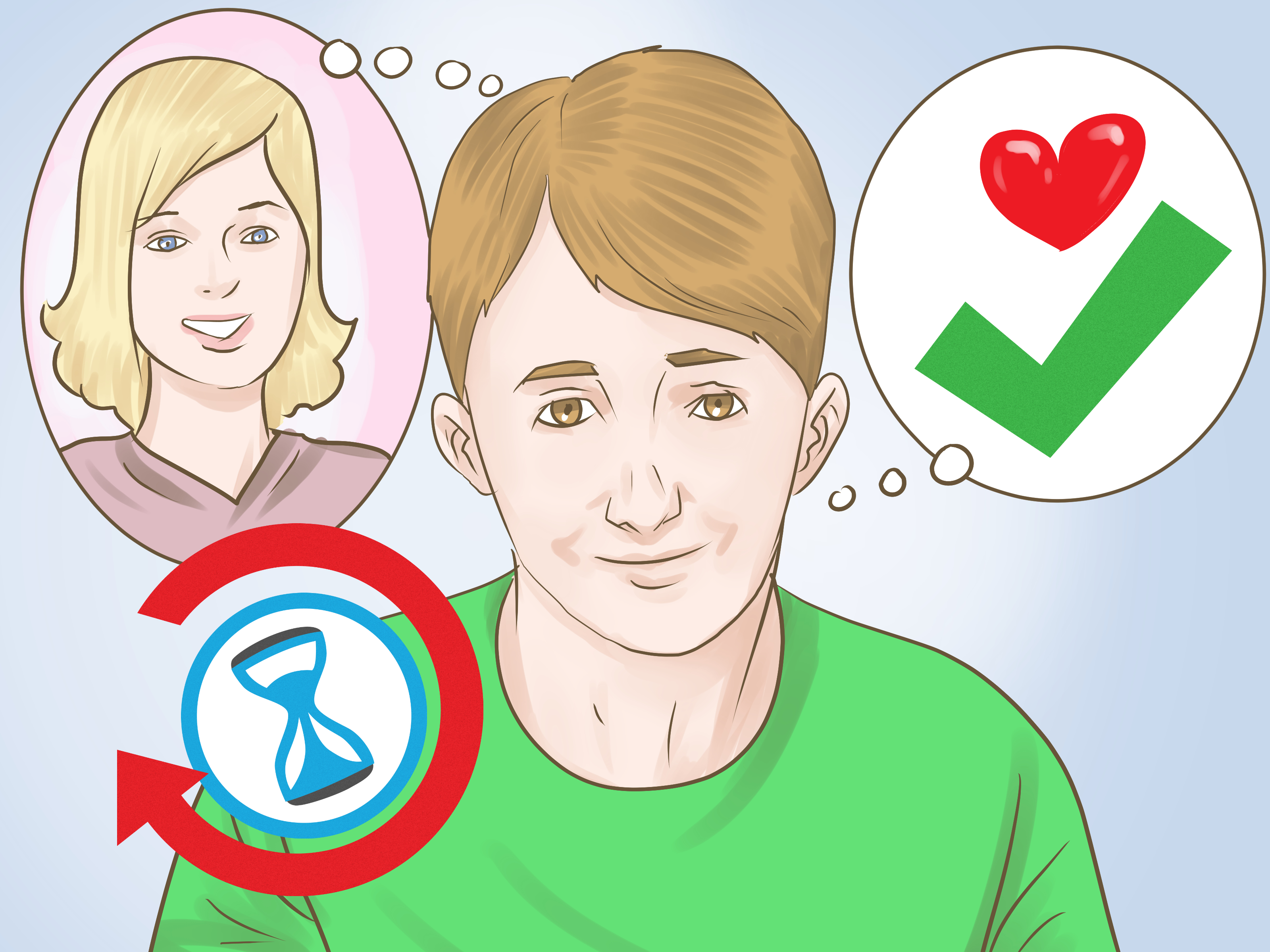
Before telling a girl you love her, pause and ask yourself what “love” means to you. Do you genuinely care about her happiness, personality, goals, and comfort? Or are you mainly excited because she smiled at you during chemistry and suddenly every love song appears to be about your life?
A crush can be powerful, but it often focuses on excitement, attraction, or an idealized picture of someone. Love usually develops as you get to know the real person, including her opinions, habits, awkward jokes, boundaries, and imperfect days.
Ask yourself a few useful questions:
- How well do I actually know her?
- Do I respect her even when we disagree?
- Do I care about what she wants, not only what I want?
- Would I still value her if she did not want a romantic relationship?
- Am I prepared to accept an answer I may not like?
You do not need to pass an emotional final exam before speaking. You simply want enough self-awareness to know that you are expressing sincere feelings rather than making an impulsive announcement.
2. Consider the Relationship You Already Have
Think honestly about your current connection. Are you close friends, casually dating, officially together, or mostly exchanging occasional messages? The right words depend partly on the relationship.
If you have been dating for several months and regularly sharing personal thoughts, “I love you” may feel like a natural next step. If you have spoken twice and one conversation was about borrowing a pencil, opening with a dramatic declaration may feel overwhelming.
When the relationship is new, you can begin with language that matches the situation:
- “I really like spending time with you.”
- “I’ve started to like you as more than a friend.”
- “I’d like to get to know you better. Would you want to hang out sometime?”
Honesty works best when it is proportional. You do not have to turn a small but promising connection into the emotional season finale of a television drama.
3. Look for Mutual Interest Without Assuming It
Notice whether she seems comfortable and interested in talking with you. She might start conversations, remember details you shared, enjoy spending time with you, or suggest future activities. These can indicate that she values the connection, but none of them automatically proves romantic interest.
Friendliness is not a secret contract. A girl can laugh at your jokes, answer quickly, or be kind without wanting to date you. Avoid asking friends to investigate her like undercover agents, and do not treat every emoji as evidence in a federal case.
The only dependable way to learn how she feels is to communicate respectfully and listen to her answer.
4. Prepare for More Than One Possible Response
Before the conversation, imagine several outcomes. She might say she loves you too. She might like you but not be ready to use the word “love.” She might need time to think. She might care about you only as a friend. She may also feel uncomfortable or surprised.
Preparing for these possibilities is not pessimistic. It helps you respond calmly instead of treating an unexpected answer as a disaster.
Rejection can hurt, but one person’s answer does not determine your value. Healthy coping begins with admitting that disappointment is painful rather than pretending you do not care, then avoiding harsh conclusions such as “Nobody will ever like me.” ow to Tell a Girl You Love Her
5. Choose a Comfortable, Private Setting
Find a moment when you can talk without a crowd watching. A quiet walk, a calm conversation after school, or a relaxed moment during a date can work well. Choose somewhere familiar and reasonably private but still safe and appropriate for both of you.
Avoid telling her in front of friends, during class, at a loud party, or while someone is filming. Public declarations can create pressure because she may feel expected to give a positive answer to avoid embarrassment.
Timing matters too. Do not begin the conversation five minutes before an exam, during a family emergency, or as her ride is pulling away. You want enough time for both of you to speak without racing a countdown clock.
6. Tell Her You Want to Share Something
A short introduction prevents the words from appearing out of nowhere. You might say:
“There’s something personal I’ve wanted to tell you. Is now an okay time?”
This question shows consideration. She might be stressed, distracted, or simply not ready for a serious conversation at that moment. If she asks to talk later, respect that request and agree on another reasonable time.
Do not start with alarming phrases such as “We need to talk” followed by ten minutes of silence. She should not have to wonder whether you accidentally destroyed the school cafeteria.
7. Use Simple, Honest Words
You do not need to memorize a speech. In fact, a speech that sounds rehearsed can make the moment feel less genuine. Speak naturally and focus on what you appreciate about her.
For example:
“I’ve really loved getting to know you. You’re thoughtful, funny, and easy to talk to. My feelings have become stronger, and I love you. I wanted to be honest about that.”
If you are not yet in a relationship, a lighter statement may fit better:
“I care about you a lot, and I’ve realized I have romantic feelings for you. I don’t expect you to answer immediately, but I wanted to tell you honestly.”
Use your own vocabulary. If you normally speak casually, suddenly sounding like a nineteenth-century poet may distract from what you are trying to say. Sincerity matters more than impressive wording.
8. Explain What You Appreciate About Her
A meaningful confession is about more than announcing your emotional status. Briefly explain why she matters to you. Focus on qualities that show you have paid attention to who she is.
You might mention that she listens without judging, encourages you before difficult games, treats other people kindly, shares your strange sense of humor, or makes you feel comfortable being yourself.
Keep the compliment respectful. Avoid focusing entirely on her body or comparing her with other girls. “You’re kinder than anyone I know” is thoughtful. “You’re hotter than all your friends” is a sentence that should remain permanently unspoken.
9. Remove Pressure From the Moment
After telling her, make it clear that she is free to respond honestly. Say something like:
“You don’t have to say it back, and you can take time to think. I respect how you feel.”
Love is not a transaction in which your confession purchases a relationship. She does not owe you affection, a date, physical contact, or an immediate answer because you were brave enough to speak.
Consent and boundaries depend on clear, voluntary, ongoing communication. Silence, hesitation, fear, or pressure should never be treated as agreement. This principle applies not only to physical affection but also to decisions about dating, privacy, photographs, messages, and emotional conversations. 0. Listen Without Interrupting
Once you have spoken, stop and listen. Nervousness may tempt you to fill every second of silence with additional explanations. Resist the urge. She may need a moment to understand what you said and decide how to respond.
Listen to her actual words instead of searching for hidden meanings. If she says, “I need time,” give her time. If she says she is not interested romantically, accept that answer. If she says she feels the same way, talk about what both of you would like to happen next rather than making assumptions.
A respectful response might be:
“Thank you for being honest with me. I’m glad we could talk about it.”
Listening calmly is one of the clearest ways to show that your feelings are based on care rather than control.
What to Do After You Tell Her
11. Respond Maturely to Her Answer
If she loves you too, enjoy the moment without immediately rushing the relationship forward. Discuss what being together means to each of you. Talk about communication, time with friends, family rules, privacy, social media, school priorities, and physical boundaries.
If she is unsure, avoid repeatedly asking whether she has decided. Give her space. A reasonable follow-up might be, “Take the time you need. You can bring it up when you’re ready.” Then continue with your normal responsibilities instead of monitoring her online activity every seven minutes.
If she says no, do not argue, insult her, send angry messages, demand an explanation, or ask mutual friends to pressure her. You can say:
“I’m disappointed, but I respect your answer. Thanks for being honest.”
You are allowed to feel hurt. You may also need some distance while your feelings settle. Taking space is different from punishing her with hostility or trying to make her jealous.
12. Let Your Future Behavior Match Your Words
Saying “I love you” takes a few seconds. Acting with care, honesty, and respect takes ongoing effort. If you begin or continue a relationship, keep communicating rather than assuming that one romantic conversation solved everything forever.
Respect her friendships, interests, goals, and time alone. Do not demand passwords, constant location updates, instant replies, or private photographs. Both people should be able to maintain separate activities and change their boundaries when needed. Once a private image or message is shared digitally, control over where it goes can be lost, which makes digital boundaries especially important. alousy, threats, humiliation, stalking, sexual pressure, and attempts to isolate someone are not signs of deep love. If either person feels frightened, controlled, or unsafe, involve a trusted adult, school counselor, health professional, or appropriate support service. Healthy teen relationships require safety as well as affection. hould You Tell Her in Person or by Text?
In-person communication is usually best for an important emotional conversation because tone, facial expressions, and pauses are easier to understand. It also reduces the risk of screenshots, forwarded messages, or confusing one-word responses.
However, texting may be reasonable when you live far apart, normally communicate online, become extremely anxious in person, or need a safer form of communication. A thoughtful message is better than avoiding honesty indefinitely.
A respectful text could say:
“I’ve wanted to tell you something honestly. I care about you a lot, and my feelings have grown into love. You don’t need to answer right away, and I’ll respect whatever you feel.”
Do not send dozens of follow-up messages if she does not reply immediately. She may be busy, asleep, studying, talking with a parent, or figuring out what to say. The quality and mutual understanding of digital communication matter more than sending messages constantly. istakes to Avoid When Confessing Your Love
- Do not make an enormous public display. It can embarrass her and make an honest response difficult.
- Do not ask friends to speak for you. Advice is fine, but the conversation should come from you.
- Do not use gifts as emotional leverage. A gift does not create an obligation to date or love someone.
- Do not threaten to hurt yourself. This is emotional coercion. Contact a trusted adult or crisis professional immediately if you are considering self-harm.
- Do not demand secrecy. She is allowed to seek advice from a trusted person.
- Do not confuse persistence with romance. Once she says no, repeatedly asking is disrespectful.
- Do not spread private details afterward. Whether the conversation goes well or badly, protect her privacy and your own.
Experiences Teenagers Often Have When Saying “I Love You”
The following composite experiences illustrate common situations. They are not stories about specific individuals, but they show how respectful communication can work in real life.
Experience 1: The Longtime Friend
Imagine a teenager named Marcus who has been friends with Elena for two years. They study together, trade music recommendations, and know each other’s families. Marcus realizes his feelings have changed, but he worries that saying something will ruin the friendship.
Instead of announcing his love during lunch while twelve classmates listen, he asks Elena whether she wants to take a walk after school. He tells her, “Our friendship matters a lot to me. Recently, I’ve started feeling something more. I think I’m falling in love with you, but I don’t want you to feel pressured.”
Elena says she cares deeply about him but does not have romantic feelings. Marcus feels embarrassed and disappointed. He still thanks her for being honest. For a few weeks, he spends less one-on-one time with her while continuing to behave politely at school. Eventually, the friendship becomes comfortable again.
The experience hurts, but Marcus learns something important: honesty does not guarantee the answer you want, yet respectful behavior allows both people to keep their dignity.
Experience 2: The New Relationship
Sophia and Jordan have been dating for three months. They talk almost every day and have met each other’s friends, but neither has said “I love you.” Sophia wants to say it and spends several nights inventing increasingly complicated plans involving balloons, candles, and a playlist long enough to require an intermission.
She eventually chooses a normal moment after they finish getting ice cream. She says, “I feel safe and happy around you, and I love how supportive you are. I’ve realized I love you. You don’t have to say it just because I did.”
Jordan smiles but admits he is not ready to use that word. He says his feelings are becoming serious and he wants to keep building the relationship. Sophia initially feels awkward, but she recognizes that his honest answer is healthier than a fake declaration.
A month later, Jordan says “I love you” when he genuinely feels ready. Their different timing did not mean the relationship was failing. It meant they were two separate people with their own emotional pace.
Experience 3: The Confession by Text
Daniel knows Priya through an online study group. They attend different schools but video-chat regularly. Because meeting privately is difficult, Daniel sends a carefully written message saying he has developed romantic feelings.
Priya does not answer for several hours. Daniel starts imagining every possible disaster. He types three follow-up messages, deletes them, puts his phone down, and goes to basketball practice.
Later, Priya replies that she likes him too but wants to move slowly. They arrange a video call and discuss what a relationship would mean, how often they want to talk, and which personal details should remain private. They also agree that neither will pressure the other for photos or passwords.
The important part of the experience is not that Daniel received the answer he hoped for. It is that he gave Priya room to respond, resisted flooding her phone, and treated digital boundaries seriously.
Experience 4: When the Answer Changes Things
Sometimes a confession makes a friendship temporarily uncomfortable. After Ava tells Maya she loves her, Maya politely says she does not feel the same way. Their next few conversations are stiff, and both become unsure about what to say.
Ava eventually explains, “I still respect you, but I may need a little space so I can get over my feelings. I’m not angry with you.” Maya understands. They stop messaging daily but remain friendly in their shared activities.
Ava talks with a trusted cousin, spends more time with friends, and returns to hobbies she had neglected. Her disappointment gradually becomes manageable. She does not post vague insults, reveal private conversations, or pretend Maya betrayed her.
This experience shows that handling rejection well does not require acting cheerful immediately. It means acknowledging the pain without using it as permission to mistreat someone.
Conclusion
Learning how to tell a girl you love her as a teenager is not mainly about finding magical words. It is about communicating with courage and kindness. Understand what you feel, choose an appropriate moment, speak clearly, and let her respond without pressure.
If she feels the same way, build the relationship slowly through trust, communication, and respected boundaries. If she does not, accept her answer and give yourself time to recover. A mature confession is successful not only when it begins a romance, but also when both people leave the conversation feeling heard and respected.
Note: This article is intended for teenagers expressing feelings toward peers of a similar age. If the situation involves a significant age difference, an adult in a position of authority, coercion, threats, stalking, or fear, speak with a trusted adult or qualified support professional.