Winter quiet is not the sound of nothing happening. It is the soft thump of socks on wood floors, the low glow of a lamp at 5:12 p.m., the heroic dignity of a blanket that has somehow become your primary personality trait. In a world that keeps asking us to optimize, announce, upgrade, and sparkle like a caffeinated disco ball, winter quiet whispers a better offer: stay in, warm up, edit gently, and let the room breathe.
The phrase Current Obsessions: Winter Quiet captures a seasonal mood that sits somewhere between cozy interior design, slow living, quiet luxury, and the very human desire to stop being yelled at by our own schedules. It is not about turning your home into a showroom where nobody is allowed to sit. It is about creating calm that actually works: soft lighting, natural textures, better sleep rituals, mindful winter routines, and spaces that feel collected rather than staged.
Designers and wellness experts have been circling the same idea from different angles. Home design coverage has moved away from cold minimalism and toward warmer neutrals, layered materials, meaningful objects, vintage accents, and interiors that support mental ease. Health sources continue to remind us that winter’s shorter days can affect mood, sleep, energy, and routines. Put those ideas together, add a mug of something hot, and you get the new winter obsession: not more stuff, but more stillness.
What “Winter Quiet” Really Means
Winter quiet is a design mood, a lifestyle reset, and a tiny rebellion against seasonal chaos. It is the opposite of holiday clutter, doom-scrolling under a blanket, and buying a decorative reindeer that looks personally offended. Instead, winter quiet focuses on restraint, warmth, softness, and sensory comfort.
In interiors, it looks like wool throws, linen bedding, paper-shaded lamps, warm wood, handmade ceramics, creamy neutrals, smoky greens, deep browns, muted blues, and the occasional dramatic candle that makes you feel like you own a library in Vermont. In daily life, it means protecting slower mornings, getting daylight when possible, building screen-free transitions at night, and creating little rituals that help the nervous system unclench.
The keyword is quiet, but quiet does not mean empty. A winter quiet room can still have books, art, plants, baskets, quilts, family photos, and a slightly bossy cat. The difference is intention. Everything earns its place by adding comfort, usefulness, memory, beauty, or some combination of the four.
The Rise of Cozy Minimalism Without the Sterile Vibes
For years, minimalism was often translated as “remove every object until your living room resembles a polite airport lounge.” That version looked clean but sometimes felt emotionally refrigerated. Current design thinking is warmer. The best winter rooms are edited, yes, but not empty. They use fewer pieces, better textures, softer edges, and more personal details.
This is where cozy minimalism becomes useful. It keeps clutter under control while avoiding the sad-beige trap. Instead of ten random pillows, choose two with texture. Instead of a shelf full of tiny items that need dusting and emotional support, display a small stack of favorite books, one ceramic bowl, and a framed print that means something. Instead of filling every wall, give the eye a place to rest.
Winter quiet loves negative space, but only when it feels like a pause, not a punishment. A blank wall beside a reading chair can feel peaceful. A completely bare room with one tiny bench can feel like you are waiting to be interviewed by a Scandinavian detective. Balance matters.
Quiet Luxury, but Make It Livable
Quiet luxury interior design fits naturally into the winter quiet mood because it favors quality, subtlety, and texture over loud branding or trend overload. The idea is not to make your home look expensive; it is to make it feel considered. A thick cotton blanket, a solid wood side table, a linen lampshade, and a well-made tray can do more for a room than a cart full of seasonal plastic pretending to be personality.
The livable version of quiet luxury is not precious. You can put your feet on the ottoman. You can drink tea on the sofa. You can own a throw blanket that occasionally becomes a cape during a chilly kitchen expedition. The luxury is in the comfort, the craftsmanship, the calm palette, and the fact that nothing in the room is screaming for attention.
Materials That Create Winter Calm
The winter quiet palette starts with touch. Think wool, boucle, velvet, brushed cotton, linen, clay, stone, rattan, aged brass, matte ceramics, and wood with visible grain. These materials bring depth without visual noise. They also help a room feel warmer even before the thermostat gets involved.
Natural materials are especially effective because they age gracefully. A wooden stool with a few marks looks storied. A ceramic mug with a handmade wobble looks charming. A plastic glitter snowman with motion-activated jazz hands looks like a cry for help. Choose accordingly.
The Winter Quiet Color Palette
The colors of winter quiet are soft, grounded, and slightly moody. They do not shout “theme.” They suggest atmosphere. Warm ivory, oatmeal, mushroom, taupe, camel, chocolate brown, stone gray, muted sage, eucalyptus, ink blue, charcoal, and deep plum all belong here. These shades work because they mirror winter landscapes: bark, fog, frost, evergreen branches, cloudy skies, dried grasses, and that mysterious gray slush nobody wants to discuss.
If your home is mostly white, winter quiet does not require repainting the entire place while questioning your life choices. Add warmth through textiles, wood tones, lamps, woven baskets, art, and plants. A white room becomes much softer when paired with creamy wool, amber light, and natural textures.
If your home already has color, lean into muted depth. A burgundy pillow, moss green curtains, a cocoa throw, or a dark blue reading nook can make a room feel winter-ready without turning it into a movie set for “A Very Dramatic Cabin.”
Lighting: The Secret Ingredient Nobody Should Ignore
Winter quiet lives or dies by lighting. Harsh overhead light can make even a beautiful room feel like a dentist’s waiting area. Layered lighting, on the other hand, creates atmosphere. Use table lamps, floor lamps, wall sconces, candles, and small accent lights to create pools of warmth around the room.
During the day, chase natural light like a houseplant with responsibilities. Open curtains early, sit near a window when working, and take a short outdoor walk when possible. Morning light helps support circadian rhythm, and winter routines often benefit from brighter daytime exposure followed by dimmer evenings.
At night, reduce bright screens and intense lighting before bed. This does not mean you must live by candlelight like a haunted but well-moisturized poet. It simply means giving your body a clearer signal that the day is winding down. Warm bulbs, low lamps, and a charging station outside the bed can make the evening feel quieter without becoming complicated.
Sound, Scent, and the Sensory Side of Quiet
Winter quiet is not only visual. It is sensory. The right soundtrack might be soft jazz, low classical music, ambient piano, a fireplace video, rain sounds, or absolute silence interrupted only by the refrigerator doing its weird little monologue.
Scent matters too, but restraint is key. After the holidays, many homes are ready to retire the candy-cane-and-gingerbread parade. Cedar, sandalwood, amber, clove, rosemary, pine, fig, and unscented beeswax candles feel more grown-up and less like a cookie factory wearing a sweater.
Texture completes the sensory picture. Keep a throw where you actually sit. Place a small rug beside the bed so your first step in the morning is not a dramatic betrayal by cold flooring. Use cloth napkins, thick socks, soft towels, and heavier bedding. These are tiny upgrades, but winter is built from tiny upgrades.
Winter Quiet and Mental Well-Being
Shorter days can affect energy, sleep, motivation, and mood. Seasonal affective disorder is a recognized form of depression related to seasonal changes, and winter-pattern symptoms may include low mood, fatigue, oversleeping, social withdrawal, and carbohydrate cravings. Treatments can include light therapy, psychotherapy, medication, vitamin D, or combinations of care, depending on the person and severity.
For everyday winter blues, gentle structure can help. Morning light, regular sleep and wake times, movement, nourishing meals, and social connection all support a steadier winter rhythm. The goal is not to become a productivity snow leopard. The goal is to make the season less draining.
A winter quiet home can support this by reducing friction. Put walking shoes near the door. Keep a lamp near your favorite chair. Store blankets where people use them. Create a small landing zone for keys, gloves, and mail so the entryway does not become a daily archaeological dig. A calm space cannot solve everything, but it can stop adding unnecessary static.
How to Bring Winter Quiet Into Every Room
Living Room
Start with the sofa because, in winter, the sofa is basically a second address. Add one substantial throw, two textured pillows, and a side table that can hold a book, drink, and lamp. Remove decor that feels too bright, too themed, or too busy. Bring in a basket for blankets and another for magazines or knitting supplies, even if the only thing you knit is plans you later ignore.
Bedroom
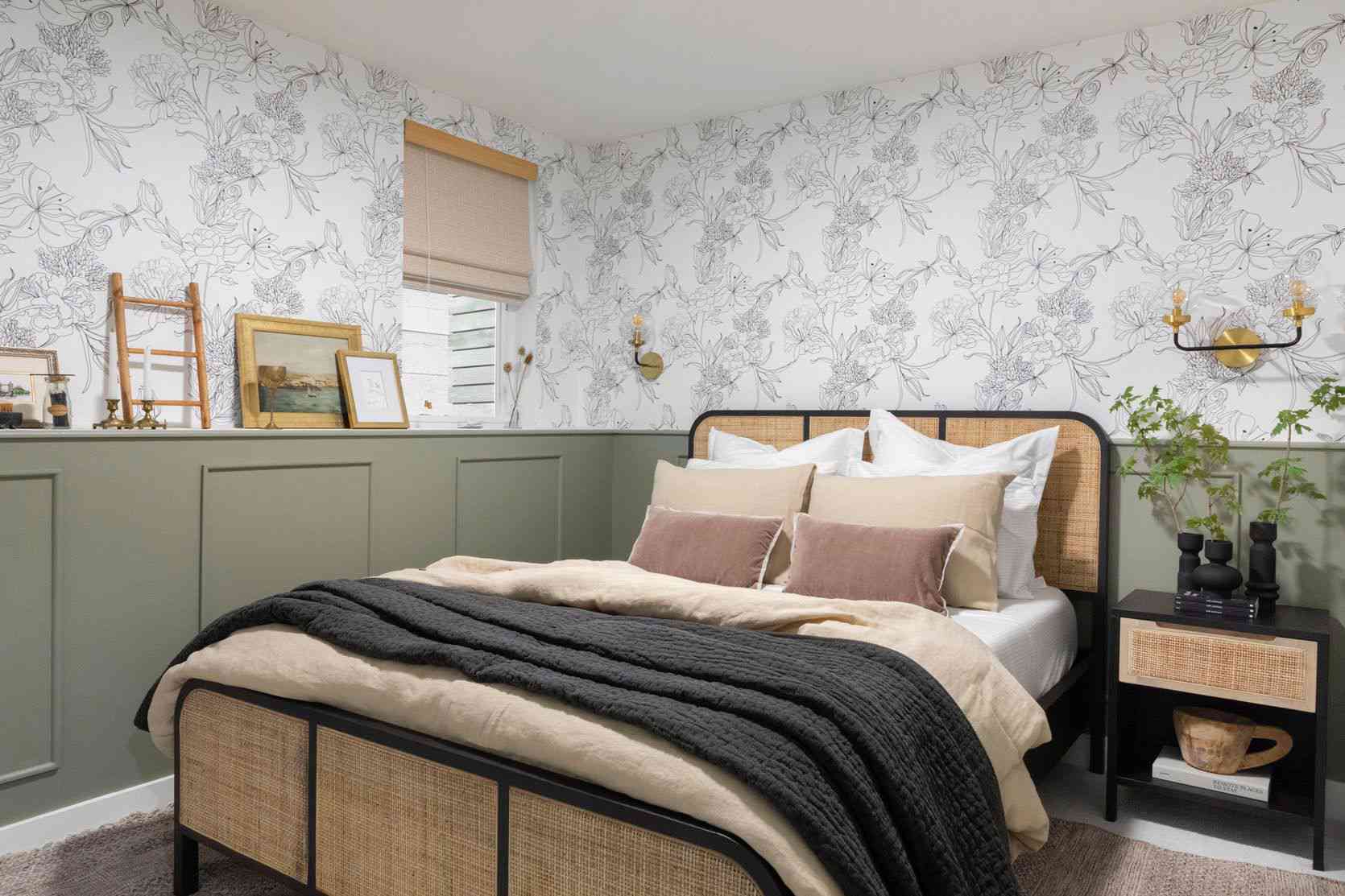
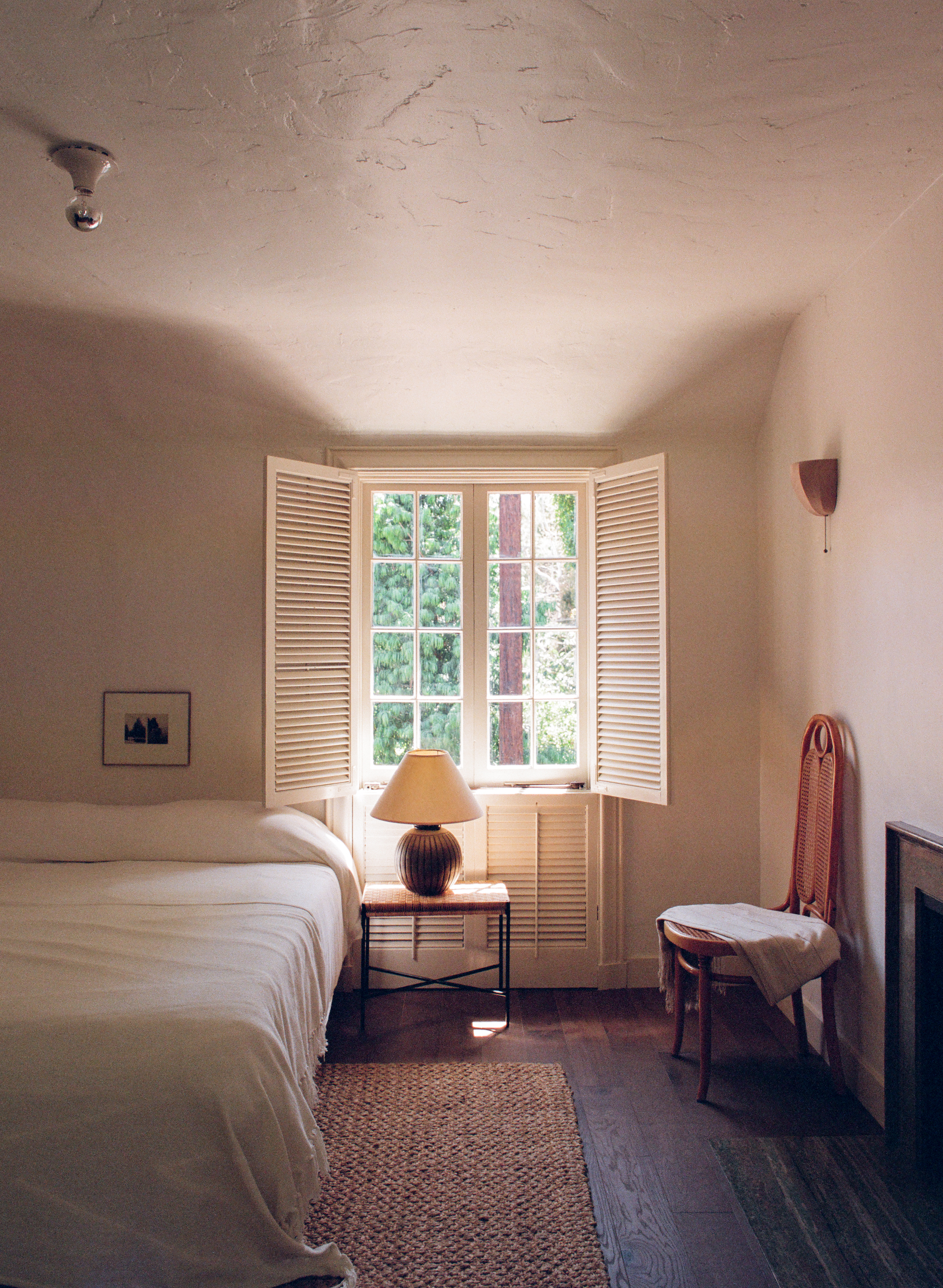
The winter quiet bedroom should feel like a landing pad. Use breathable layers rather than one heavy blanket that turns sleep into a weather event. Try cotton, linen, wool, or down-alternative layers depending on your climate. Keep the palette soft and the surfaces simple. A book, a lamp, a glass of water, and maybe a small dish for jewelry are enough.
Kitchen
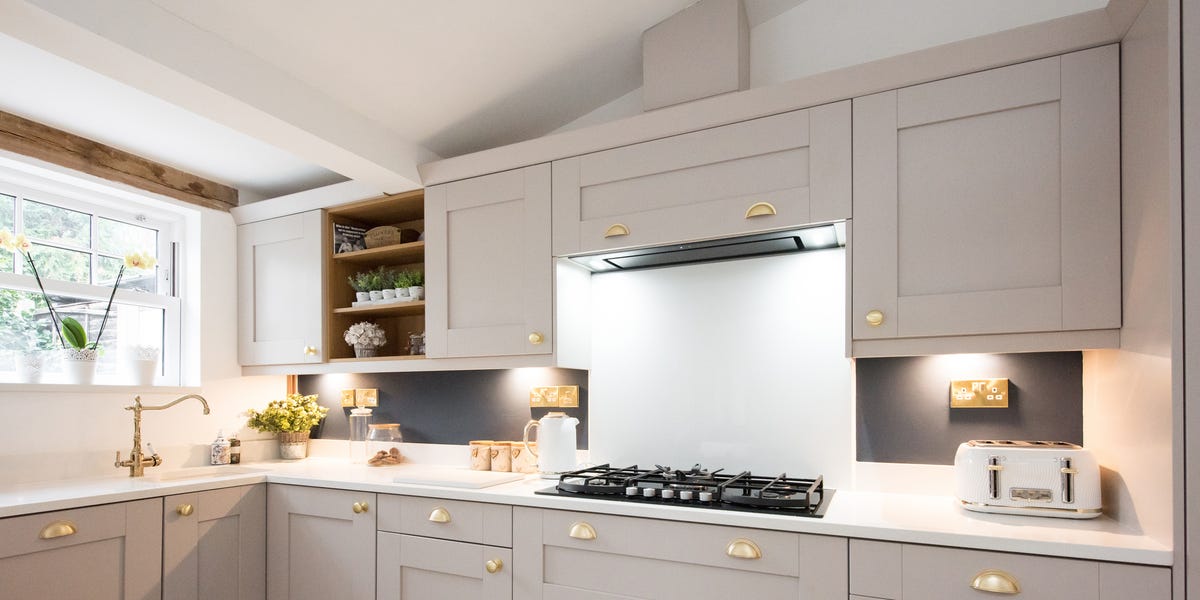
A quiet winter kitchen does not need a renovation. Decant tea bags into a tin, place wooden spoons in a crock, keep citrus in a bowl, and use a small tray for olive oil, salt, and pepper. Add a washable runner if the floor feels cold. Make the kitchen easier to use and nicer to stand in. That is the whole glamorous secret.
Bathroom
The bathroom becomes calmer with softer towels, a simple bath mat, warm lighting, and fewer half-empty bottles conducting a plastic orchestra around the sink. Use a tray, basket, or cabinet organizer. Add eucalyptus if you like the scent. Remove anything expired, crusty, or suspiciously old. Winter quiet is peaceful; it is not a museum of abandoned moisturizers.
Entryway
The entryway is winter’s battlefield: boots, coats, gloves, scarves, bags, and mail all arrive with opinions. Give every category a place. Hooks beat hangers for daily coats. A boot tray saves floors. A small bowl catches keys. A bench makes shoes easier. This one zone can change the feeling of the whole house.
The Art of Seasonal Editing
Winter quiet is easier when you remove before you add. Walk through your home with a laundry basket and collect anything that feels visually loud, seasonally wrong, broken, or annoying. You do not have to donate everything immediately. Just create breathing room.
Then add back warmth intentionally. A lamp here. A blanket there. A stack of winter reading. A ceramic vase with bare branches. A bowl of walnuts. A framed photo. A small plant that has forgiven you. The room should feel layered, not crowded.
Seasonal editing also applies to your calendar. Winter quiet asks: what can be simplified? Which plans are worth keeping? Which habits are leftovers from a more frantic season? Saying no to one unnecessary obligation can be as refreshing as clearing an entire countertop.
Current Obsessions for a Winter Quiet Home
Here are the pieces and practices currently defining the winter quiet mood:
1. The Reading Chair Revival
A comfortable chair, a proper lamp, and a small table create a mini-retreat in any room. Add a throw and suddenly you have a reading corner, a tea corner, a thinking corner, or a place to stare dramatically into middle distance.
2. Warm Wood Everywhere
Wood instantly softens winter interiors. Try a vintage stool, oak tray, walnut frame, pine bench, or wooden bowl. The grain adds movement without clutter.
3. Heavy Curtains
Curtains make rooms feel finished and can help soften acoustics. In winter, lined panels or heavier fabrics also add a sense of enclosure, which is designer language for “this room gives good blanket energy.”
4. Handmade Ceramics
A handmade mug or bowl brings personality to everyday rituals. Winter quiet appreciates objects that feel human, imperfect, and useful.
5. Better Bedside Habits
Keep the bedside table calm. Replace the phone pile with a book, lamp, water, and maybe a notebook. Your future sleepy self will applaud politely.
6. Winter Whites With Texture
Cream, ivory, and snow-white shades work beautifully when mixed with cable knit, wool, linen, boucle, and matte ceramics. The trick is texture. Without it, winter white can drift into “rental apartment waiting for a personality.”
7. Quiet Scent Rituals
One subtle candle or diffuser is enough. Choose grounded scents over sugary ones. The room should smell calm, not like a gingerbread man filed a noise complaint.
How Winter Quiet Supports Better Sleep
Sleep hygiene is a major part of winter quiet because the season naturally invites longer evenings and slower routines. Good sleep habits include consistent schedules, daylight exposure, physical activity, a relaxing pre-bed routine, and a bedroom that is cool, dark, and comfortable.
Try creating a “soft close” for the day. About an hour before bed, dim the lights, put your phone away, prep tomorrow’s essentials, wash your face, and read something that does not involve breaking news, online arguments, or a comment section where civilization goes to trip over itself.
Temperature matters too. Many sleep experts recommend a cooler bedroom for better rest, often around the low-to-mid 60s Fahrenheit. In winter, that may mean breathable bedding, socks if needed, and layers you can adjust. The best winter bed is warm enough to feel safe but not so hot that you wake up feeling like a baked potato with ambitions.
Quiet Winter Entertaining
Winter quiet does not mean becoming a glamorous hermit, though that is a tempting brand direction. It can also shape how you host. Instead of large, overproduced gatherings, try soup night, tea and cake, board games, a movie evening, or a bring-a-book hangout where everyone reads in the same room like civilized introverts.
Keep the table simple: cloth napkins, low candles, a pot of soup, good bread, citrus, olives, or a tray of cookies. Music low. Lights warm. Shoes optional. The goal is not to impress guests into silence; it is to make people feel like they can exhale.
Winter Quiet for Small Spaces
Small homes can do winter quiet beautifully because coziness is already halfway there. The challenge is avoiding clutter. Choose storage that looks good in the open: woven baskets, lidded boxes, wall hooks, trays, and under-bed bins. Use vertical space for books and blankets. Keep surfaces edited.
Lighting is especially important in small rooms. One overhead fixture can flatten everything. Add a lamp in a corner, a clip light near a shelf, or a small shaded lamp on the kitchen counter. Multiple low light sources make a compact space feel intentional rather than cramped.
Budget-Friendly Ways to Create Winter Quiet
You do not need a designer budget to create this mood. Shop your home first. Move a lamp from the guest room to the living room. Put books where you can see them. Use a scarf as a small table textile. Gather branches in a vase. Frame a postcard. Wash the throw blankets. Clear the entryway. Replace one harsh bulb with a warmer one.
Secondhand shops are excellent for winter quiet because the style welcomes age and character. Look for wood frames, ceramic bowls, baskets, brass candlesticks, small lamps, quilts, trays, and art. The more personal a space feels, the less it depends on buying whatever trend the internet is currently yelling about.
Common Mistakes That Break the Mood
The first mistake is confusing quiet with boring. A calm room still needs contrast: rough and smooth, light and dark, old and new, soft and structured. Without contrast, everything becomes oatmeal. Oatmeal is breakfast, not a design destiny.
The second mistake is using too many tiny accessories. Small objects can create visual noise fast. Group items on trays, vary height, and leave open space.
The third mistake is ignoring practical comfort. A gorgeous chair nobody sits in is not winter quiet. It is furniture cosplay. Choose pieces that support real life: reading, resting, talking, eating, stretching, and occasionally folding laundry while pretending it is a wellness ritual.
500-Word Experience Section: Living With Winter Quiet
My favorite experience of winter quiet begins before the room looks “done.” It starts with the moment I stop trying to decorate the season and begin listening to it. The house feels different in winter. Sounds travel differently. Light falls lower. Corners become more important. The chair near the window becomes prime real estate. The kettle suddenly has main-character energy. Even ordinary tasks, like folding a blanket or wiping a counter, feel better when the room is not buzzing with too many colors, too many objects, and too many little decisions.
One winter, I decided to create a quiet corner without buying anything new. I moved an old wooden chair closer to a window, stole a lamp from another room, placed three books on a small stool, and added the blanket that everyone in the house fought over with the seriousness of a royal succession crisis. That was it. No grand makeover. No mood board. No dramatic “before and after” reveal with cinematic music. But the corner changed how I used the room. In the morning, it became the place for coffee and ten minutes of daylight. In the afternoon, it caught a pale stripe of sun that made even email feel less villainous. At night, it became the reading spot, the thinking spot, the “I am unavailable because I am under wool” spot.
That experience taught me that winter quiet is not about perfection. In fact, perfection ruins it. A too-perfect room makes people behave strangely. They perch. They apologize for crumbs. They ask where to put their mug as if the table is a sacred artifact. A winter quiet room should welcome use. The blanket should be rumpled. The book should be face-down for a moment. The mug should leave a harmless ring on a coaster that has accepted its purpose in life.
I also learned that the quietest homes are often the ones with the clearest routines. The entryway has a place for shoes, so the morning does not begin with a boot hunt. The kitchen has a tea tray, so the evening ritual is easy. The bedroom lamp is warm, so bedtime does not feel like being interrogated by a ceiling fixture. These details are small, but they remove friction. Winter already asks enough from the body: colder air, darker mornings, heavier coats, slower energy. A home can either add to that weight or help carry it.
The best part of winter quiet is that it invites you to notice more. The sound of wind against a window. The smell of cedar. The softness of socks. The satisfaction of soup. The way a lamp can turn an ordinary Tuesday into something almost poetic. It is not glamorous in the loud sense. It will not trend because it shouted. It stays because it works. And after a few weeks, you may realize the obsession was never really with winter decor. It was with feeling at home in the season you are actually living.
Conclusion: Why Winter Quiet Is Worth Keeping
Current Obsessions: Winter Quiet is more than a seasonal aesthetic. It is a practical way to make winter feel softer, calmer, and more human. By combining cozy minimalism, quiet luxury, natural textures, warm lighting, better sleep habits, and mindful routines, you can create a home that supports the way you actually want to live during the coldest months.
The best winter quiet spaces do not look copied. They look collected. They are edited but not empty, stylish but not stiff, cozy but not chaotic. They invite rest, conversation, reading, cooking, sleeping, and the occasional noble act of doing absolutely nothing. In a noisy world, that might be the most luxurious obsession of all.
Note: This article was written for web publication and synthesizes real, current information from reputable U.S. design, home, sleep, and health resources, including guidance on seasonal mood, light exposure, cozy interiors, quiet luxury, winter decorating, sleep hygiene, and sensory home design.