
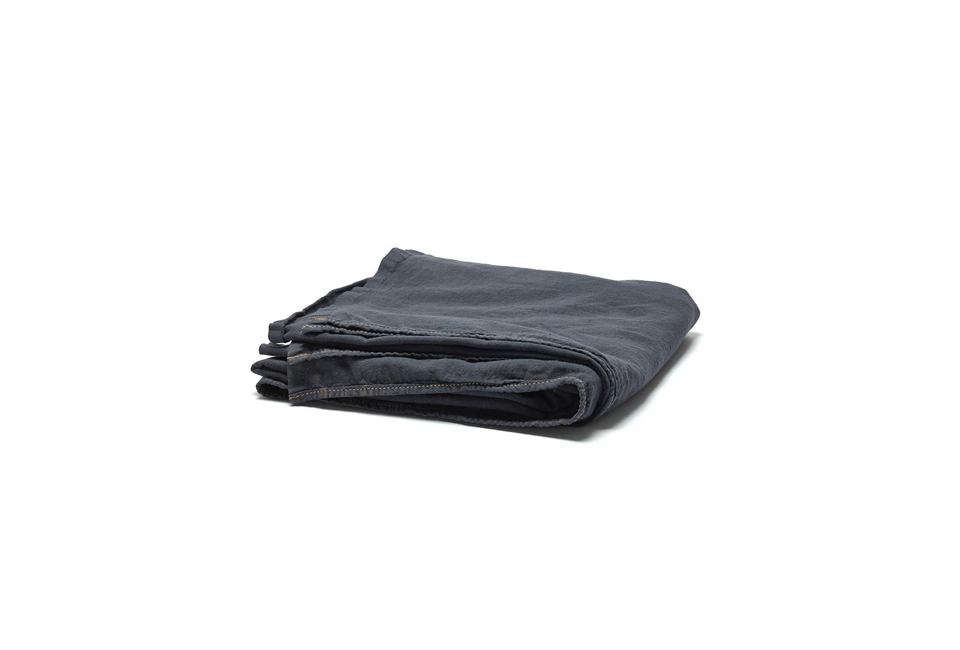
A good household textile earns its storage space by doing more than one job. The Utility Canvas Tarpaulin in Charcoal takes that idea seriously. It can begin the morning as a table covering, spend the afternoon protecting a sofa during a paint project, and finish the day as a picnic blanket. Few products transition from “please protect the floor” to “please pass the sandwiches” quite so confidently.
Made from garment-dyed, 7-ounce canvas, this multipurpose cloth is softer and more decorative than a traditional industrial tarp. Its charcoal color gives it a calm, practical appearance that works in workshops, living rooms, studios, gardens, and campsites without looking like it was borrowed from a construction crew.
However, the word tarpaulin can create unrealistic expectations. This is not a fully waterproof vinyl sheet designed for highway cargo, standing rainwater, or hurricane-force tie-downs. It is better understood as a durable, washable canvas cover for everyday protection, flexible styling, and repeated household use.
What Is the Utility Canvas Tarpaulin in Charcoal?
The Utility Canvas Tarpaulin is a rectangular canvas textile designed to function as a coverall drop cloth, tablecloth, bed covering, picnic blanket, furniture protector, or general-purpose utility layer. According to the manufacturer’s product specifications, it is made from 7-ounce canvas, garment-dyed, machine washable, and finished with a contrasting safety-stitched edge.
Available sizes include approximately 56 by 56 inches, 56 by 74 inches, 68 by 86 inches, and 56 by 107 inches. Those dimensions make the cloth useful for anything from a compact café table to a long dining table, twin bed, sofa, craft station, or generous picnic setup.
A Decorative Tarp Rather Than an Industrial One
Heavy-duty jobsite tarps often include reinforced corners, rope-lined hems, metal grommets, waterproof coatings, and fabric weights ranging well above 10 ounces. The Utility Canvas version takes a different route. Its lighter canvas, stitched perimeter, and garment-dyed finish place it somewhere between a rugged home textile and a reusable drop cloth.
In other words, it is tough enough to be useful but attractive enough to remain visible. You do not have to hide it in the garage whenever guests arrive, which is more than can be said for the crinkly blue tarp currently living behind many lawn mowers.
Why the Charcoal Color Works So Well
Charcoal is one of those rare colors that can look modern, rustic, industrial, and relaxed at the same time. It pairs naturally with pale wood, black metal, leather, stone, concrete, linen, and warmer earth tones. That versatility helps the tarpaulin move between practical and decorative roles.
It Conceals Everyday Marks
Light-colored canvas can show soil, grass stains, coffee drips, and workshop dust almost immediately. Charcoal is more forgiving. It will not make dirt disappear through wizardry, but minor marks tend to blend into the darker surface until laundry day.
It Creates a Strong Background
Used as a table covering, charcoal canvas makes white dishes, wood serving boards, green plants, brass objects, and colorful food stand out. Used as a photography backdrop, it provides a subdued surface that does not compete with the subject.
Garment Dyeing Adds Character
Garment-dyed textiles are colored after construction rather than being assembled entirely from pre-dyed material. The process can create subtle variation, softened seams, and a less rigidly uniform appearance. That character suits a utility fabric because new wear marks tend to join the existing texture rather than looking like catastrophic events requiring a family meeting.
Best Uses for a Charcoal Canvas Tarpaulin
1. Reusable Furniture and Floor Protection
One of the most obvious applications is protecting floors, tables, cabinets, or furniture during painting, sanding, cleaning, and light renovation. Canvas generally stays in place better than thin plastic and is less likely to become a slippery indoor sail when someone walks across it.
The 7-ounce construction is suitable for dust, dry debris, and modest drips. For large quantities of paint, stain, oil, or cleaning solution, add a leakproof liner underneath. Standard canvas is absorbent, but absorbent does not mean liquid-proof. A major spill may eventually travel through the fabric and introduce itself to the floor.
2. Casual Tablecloth
The fabric’s rugged texture makes it an appealing alternative to a formal tablecloth. It works especially well for backyard dinners, craft tables, buffet stations, holiday gatherings, and meals involving children who believe drinking cups are advanced tabletop bowling equipment.
The contrast-stitched edge gives the cloth a finished appearance, so it can be placed directly on a table without additional hemming. Choose a size that provides the desired drop on each side, and remember that a relaxed, slightly uneven drape often suits canvas better than a perfectly pressed finish.
3. Picnic or Beach Ground Cover
A canvas tarpaulin provides a comfortable barrier between people and dry grass, sand, decks, or park surfaces. It feels less plasticky against the skin than a polyethylene tarp and folds into a compact bundle for transportation.
On damp ground, place a waterproof sheet beneath it. Untreated or lightly treated canvas can absorb moisture from below, particularly during long outings. It is a picnic blanket, not a portable island.
4. Bed, Bench, or Sofa Cover
The larger sizes can protect bedding or upholstery from pets, muddy shoes, craft projects, snacks, moving boxes, and everyday wear. Charcoal looks intentional when draped over a sofa or daybed, especially in rooms with modern, farmhouse, cabin, or industrial-inspired decor.
Because the material is machine washable, it offers a practical option for homes where furniture must coexist with dogs, children, art supplies, or adults who insist they can eat pasta on the couch without consequences.
5. Workshop and Studio Surface
Artists, woodworkers, potters, photographers, and hobbyists can use the tarpaulin to define a work area or protect a large table. The dark neutral surface also helps small light-colored components remain visible.
Keep it away from open flames, welding sparks, grinding operations, hot cookware, and other high-temperature work unless the product is specifically certified as flame resistant. Ordinary cotton canvas can burn, and a decorative utility cloth should never be treated as a safety curtain.
6. Temporary Shade or Light-Duty Outdoor Cover
The cloth may provide temporary shade over a table, hammock area, market display, or campsite when properly supported. For overhead use, avoid creating low spots where water can collect. Wet canvas becomes heavier, and standing water places significant stress on seams and attachment points.
Since this design does not appear to include industrial tie-down grommets, use broad clamps or supports that distribute pressure. A thin cord tied tightly around one corner can damage the fabric. For strong wind, extended rain, or unattended outdoor installation, choose a purpose-built tarp with reinforced anchoring points.
7. Photography and Product-Styling Backdrop
Charcoal canvas makes a handsome background for food, ceramics, tools, plants, handmade goods, and lifestyle photography. Natural creases can add texture, while steaming or careful pressing can create a cleaner studio surface when desired.
The material can also be hung behind shelving or displays to reduce visual clutter. Just verify that the support system can carry the fabric safely and that no heat-producing lamps are positioned too close.
Canvas Versus Polyethylene and Vinyl Tarps
Selecting the right tarp depends less on which material is universally “best” and more on what the job actually requires. Canvas excels at breathability, comfortable handling, quietness, appearance, and repeated indoor use. Polyethylene and vinyl excel when waterproofing, low weight, welded seams, or long outdoor exposure matter more.
Where Canvas Has the Advantage
- Soft, fabric-like texture that works well around people and furniture
- Better airflow than fully sealed plastic covers
- Less flapping and crackling in light wind
- Reusable and washable construction
- More attractive for visible household and event use
- Good abrasion resistance for floor and furniture protection
Where Plastic or Vinyl Performs Better
- Continuous heavy-rain exposure
- Standing water or snow accumulation
- Emergency roof covering
- Boat, truck, or trailer transport
- Long-term outdoor equipment storage
- Jobs requiring sealed seams and reinforced tie-downs
A breathable canvas cover may help reduce trapped condensation around certain stored objects, but that does not make it waterproof. Likewise, a waterproof plastic tarp may block rain beautifully while trapping moisture underneath. Matching the material to the situation prevents both disappointment and the surprisingly emotional experience of uncovering a mildewed lawn chair.
How to Choose the Correct Size
Start by measuring the full area or object rather than estimating from memory. Tables need enough extra material for the desired overhang. Furniture covers need additional width to travel over the top and down the sides. Ground covers should be large enough for people and belongings without extending into mud or foot traffic.
Suggested Size Planning
- 56 x 56 inches: Small tables, side tables, craft stations, pet areas, or compact picnics
- 56 x 74 inches: Four-person dining tables, benches, coffee tables, or small sofas
- 68 x 86 inches: Beds, larger tables, generous picnic areas, or furniture protection
- 56 x 107 inches: Long dining tables, workbenches, buffet stations, or extended surface coverage
These are general examples rather than rigid rules. Measure the exact object and decide whether you want a fitted appearance, a casual drape, or complete side coverage before ordering.
Cleaning and Caring for the Tarpaulin
The manufacturer identifies the Utility Canvas Tarpaulin as machine washable, which significantly improves its value as a multipurpose household textile. Nevertheless, canvas deserves thoughtful care, especially when it is garment-dyed.
Shake or Vacuum First
Remove leaves, grit, sawdust, crumbs, and dried soil before washing. Abrasive debris can rub against the fabric in the machine, and nobody wants a washing machine full of picnic gravel.
Treat Spills Promptly
Blot liquid rather than aggressively rubbing it deeper into the weave. Use a mild detergent appropriate for colored cotton and test stain treatments on an inconspicuous area. Avoid assuming that every household cleaner is fabric-safe.
Follow the Current Care Label
Cotton fabrics can experience dimensional change depending on fiber construction, finishing, washing temperature, agitation, and drying method. The sewn-in label should take priority over general online advice. When uncertain, choose cool water and gentle treatment rather than launching the cloth into the hottest possible laundry cycle.
Dry Completely Before Storage
Moisture is the main ingredient mold needs. Never fold and store the tarpaulin while it is damp from rain, washing, ground moisture, or enthusiastic beverage service. Hang it with good airflow until both sides and all folded edges are fully dry.
Store It in a Dry, Ventilated Place
Fold the canvas loosely and keep it away from plumbing leaks, humid basement floors, pests, chemicals, and direct heat. A breathable cotton storage bag is preferable to sealing damp fabric inside an airtight plastic container.
Important Limitations and Safety Considerations
Do Not Assume It Is Waterproof
Canvas products vary widely. Some are untreated, while others receive wax, oil, acrylic, mildew-resistant, or water-repellent finishes. Unless the manufacturer expressly describes a product as waterproof, plan for water resistance at most. Even treated canvas may eventually leak during prolonged or heavy rain.
Keep It Away From Flames and Hot Work
Never use ordinary canvas as a welding blanket, fire curtain, grill cover while the grill is hot, or shield around sparks. Work involving welding, cutting, grinding, electric arcs, or open flames requires equipment rated for the specific hazard.
Avoid Aggressive Tie-Down Pressure
This product is finished with a stitched edge rather than the reinforced grommet system normally found on cargo tarps. Do not stretch it under extreme tension or rely on it where failure could injure someone or damage property.
Use a Waterproof Layer for Major Spills
For painting, plant repotting, automotive fluids, or wet cleaning, place plastic sheeting or a leakproof drop cloth underneath. Canvas can absorb splashes and reduce tracking, but it may not stop liquid from reaching the protected surface.
Is the Utility Canvas Tarpaulin – Charcoal Worth Buying?
It is a strong choice for buyers who value versatility, washable construction, natural texture, and understated design. The charcoal color makes it easier to use in visible spaces, while the multiple dimensions accommodate tables, beds, benches, floors, picnic areas, and creative projects.
It may not be the right purchase for someone seeking a storm tarp, truck cover, roof patch, waterproof camping fly, or industrial safety barrier. Specialized outdoor tarps are engineered with coatings, heavier fabric, reinforced corners, and secure tie-down systems that a decorative utility cloth does not attempt to replace.
The real appeal is that this tarpaulin does not spend eleven months of the year waiting for one specific chore. It can protect, decorate, organize, soften, conceal, and occasionally rescue a dining table from a preschool art project involving glitter glue.
Real-Life Experiences With a Utility Canvas Tarpaulin
The easiest way to understand a multipurpose canvas tarpaulin is to imagine how it behaves during an ordinary week. On Monday, it might be spread across a dining table before a family begins a painting project. The canvas gives brushes, water cups, and paper a stable surface, while the charcoal color prevents every tiny paint mark from becoming visually dramatic. Once the project is complete, the cloth can be shaken outdoors and washed according to its care label.
On Wednesday, the same tarpaulin might cover a sofa while shelves are installed nearby. Dust lands on the canvas instead of settling into upholstery. Unlike thin plastic, the fabric does not slide away every time someone brushes against it. It also makes less noise, so the room does not sound as though an enormous potato-chip bag has taken up residence.
By Saturday, the cloth can become a picnic blanket. On dry grass, the canvas feels comfortable and substantial. Its charcoal surface provides an attractive background for baskets, enamel dishes, fruit, and bright napkins. If the ground is damp, experienced users quickly learn to add a waterproof layer underneath. That small adjustment preserves the pleasant canvas surface while preventing moisture from soaking upward.
Another useful experience comes from covering outdoor furniture temporarily. A canvas layer can shield a bench from dust, pollen, bird droppings, and light debris while allowing more airflow than sealed plastic. However, leaving it stretched through days of heavy rain is a different story. The fabric may absorb water, become heavy, and take much longer to dry. The practical lesson is simple: canvas is excellent for temporary breathable protection, but a fitted waterproof cover is better for season-long exposure.
Creative professionals may appreciate the tarpaulin most of all. A ceramic artist can place it beneath clay work, a photographer can hang it as a textured background, and a market vendor can use it as a table covering that feels more polished than disposable plastic. The charcoal tone hides minor workshop marks while helping pale products stand out.
Pet owners may discover another role. Draped over a bench, daybed, or vehicle cargo area, the cloth catches hair and light dirt before they reach the underlying surface. When muddy paws enter the equation, a waterproof liner underneath becomes sensible. Canvas is washable, but it should not be asked to perform every job alone like an exhausted employee covering three departments.
Long-term satisfaction usually depends on care habits. Users who shake off debris, clean spills promptly, avoid harsh heat, and dry the fabric completely are likely to enjoy it far longer than those who fold it wet and forget it in a basement. Because canvas can soften and develop character with use, light fading and creasing may enhance its relaxed appearance rather than ruin it.
Perhaps the most valuable experience is realizing that “utility” does not have to mean unattractive. The Utility Canvas Tarpaulin in Charcoal can protect a floor without making a room look like a disaster zone. It can cover a table without resembling catering plastic. It can live in a studio, bedroom, garden, or car and still feel appropriate.
That combination of usefulness and visual restraint is the product’s strongest quality. It is not the toughest tarp on earth, nor is it trying to be. It is a flexible canvas textile that earns its place by adapting to everyday situationsand by looking surprisingly good while doing the unglamorous work.
Conclusion
The Utility Canvas Tarpaulin – Charcoal is best viewed as a durable, decorative, and highly reusable household cover. Its 7-ounce garment-dyed canvas, machine-washable construction, contrasting stitched edge, and range of sizes make it suitable for tables, furniture, beds, studios, picnics, and light-duty protection.
Its greatest strengths are breathability, comfortable handling, subtle style, and versatility. Its main limitations are equally important: it is not an industrial cargo tarp, certified fire barrier, or guaranteed waterproof cover. Used for the right tasks and stored completely dry, it can become one of those humble household items that seems to appear whenever something needs covering, protecting, styling, or rescuing.
Note: Product specifications, available sizes, pricing, colors, and care instructions may change. Review the manufacturer’s current product page and sewn-in care label before washing or using the tarpaulin outdoors.













