
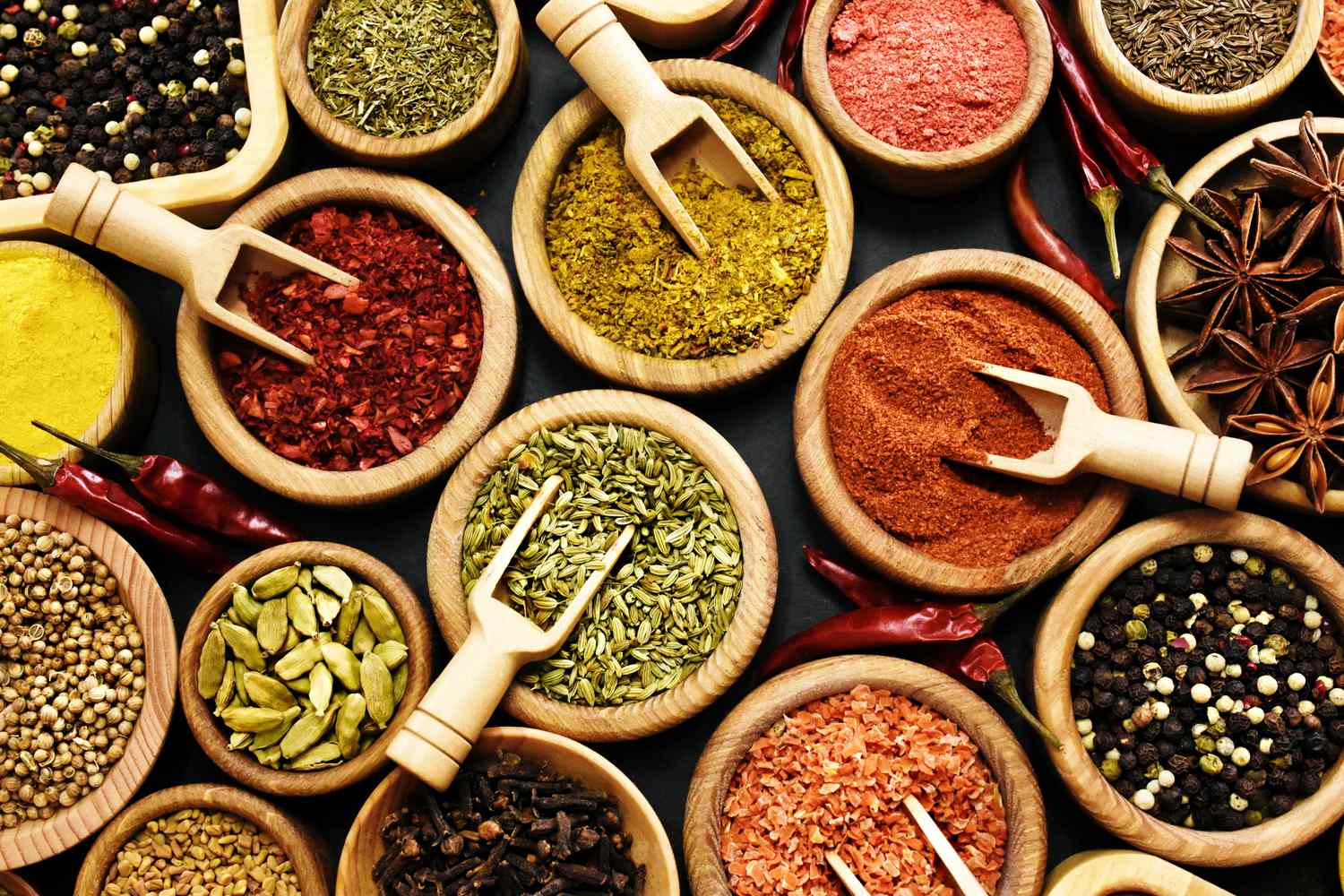
Some ingredients work hard in the kitchen. Then there are spices, the overachievers of the pantry. They make roasted vegetables less boring, rescue bland chicken from its sad beige destiny, and may also help support a more anti-inflammatory way of eating. That last part is why these tiny jars have earned such a big reputation.
Now for the important reality check: no spice is a magic wand. You cannot sprinkle cinnamon on a cinnamon roll the size of a steering wheel and call it wellness. What spices can do is add flavor, phytochemicals, and antioxidant compounds to meals that already lean healthy. In other words, they work best as part of a bigger pattern built around vegetables, beans, fruit, whole grains, healthy fats, fish, and less ultra-processed food.
That is exactly why nutrition experts keep circling back to herbs and spices. They make healthy food taste better, which makes healthy eating easier, which makes consistency more realistic, which is where the real win lives. So if you want meals that taste bigger while doing your body a small favor, these nine spices deserve regular shelf space.
Why spices show up in anti-inflammatory eating plans
Inflammation is not automatically the villain. Your immune system uses it to protect you when you are injured or sick. The problem is chronic low-grade inflammation, which has been linked to a range of long-term health issues. That is why anti-inflammatory diets focus less on miracle foods and more on everyday habits: more plants, more fiber, more healthy fats, fewer heavily processed foods, less added sugar, and smarter seasoning.
Spices fit neatly into that picture because many contain plant compounds such as polyphenols, flavonoids, or other antioxidants. Researchers are still sorting out how much of a real-world effect those compounds have in food amounts, but the overall message is encouraging: using spices to replace excess salt, sugar, and heavy sauces is a smart move for both flavor and nutrition.
1. Turmeric
The golden one with serious main-character energy
Turmeric is the spice most people think of first when the topic is inflammation, and for good reason. Its star compound, curcumin, has been studied for anti-inflammatory and antioxidant effects. The human evidence is promising but mixed, and a lot of the stronger studies focus on supplements or enhanced formulations rather than the little spoonful you stir into dinner.
That does not make turmeric useless. It makes it realistic. Cooking with turmeric is an easy way to add color, earthy warmth, and complexity to soups, rice, lentils, roasted cauliflower, scrambled eggs, and marinades. It is especially handy in dishes that also contain fat, because fat helps carry flavor and may improve how satisfying the meal feels.
Flavor move: Add turmeric to rice, stew, curry, or a sheet-pan blend of chickpeas, carrots, and onions. It brings warm bitterness and a sunset-yellow glow that makes dinner look more impressive than the effort required.
2. Ginger
Zippy, peppery, and much more useful than its sushi-sidekick reputation
Ginger has long been used for nausea and digestive comfort, but it is also known for antioxidant compounds and possible anti-inflammatory effects. Research suggests ginger contains many natural compounds, and some of them may help calm inflammatory pathways. The evidence is not a license to treat it like medicine, but it does make ginger a worthwhile regular in the kitchen.
Fresh ginger brings brightness and heat without overwhelming a dish. Ground ginger is sweeter and warmer, which makes it great in oats, baked fruit, and savory spice blends. If your meals have been tasting flat, ginger is the culinary equivalent of opening a window.
Flavor move: Use fresh ginger in stir-fries, broths, salmon marinades, carrot soup, or tea. Use ground ginger in oatmeal, smoothies, roasted sweet potatoes, or spice rubs.
3. Cinnamon
The spice that proves cozy and useful can be roommates
Cinnamon is often praised for blood sugar support, but it also contains antioxidant compounds, including cinnamaldehyde, that are associated with anti-inflammatory activity. That does not mean cinnamon turns dessert into a health food with diplomatic immunity. It does mean cinnamon can be a smarter way to add flavor without piling on sugar.
Its biggest strength may be versatility. Cinnamon works in sweet foods like yogurt, apples, oats, and smoothies, but it also belongs in chili, lentil dishes, Moroccan-inspired stews, and roasted squash. It adds warmth, roundness, and a slight sweetness that can make whole foods more appealing.
Flavor move: Stir cinnamon into overnight oats, Greek yogurt, black beans with sweet potatoes, or tomato-based chili for an unexpected depth that makes people ask, “Wait, what is that?”
4. Garlic
The pantry hero that makes almost everything taste more alive
Garlic has been linked with anti-inflammatory properties and heart-health benefits in research, but experts are quick to point out that the stronger effects are often seen in supplement studies, not just from a clove or two in pasta sauce. That said, garlic earns its keep easily because it makes healthy food dramatically more craveable.
And that matters. When vegetables, beans, fish, and whole grains taste better, people are more likely to keep eating them. Garlic can help you use less salt while still making meals feel rich and satisfying. That is not flashy nutrition advice, but it is the kind that actually survives Tuesday night.
Flavor move: Sauté garlic in olive oil as the starting point for soups, greens, tomato sauces, beans, roasted mushrooms, shrimp, or grain bowls. Your kitchen will smell like competence.
5. Black Pepper
Not just a backup dancer for salt
Black pepper deserves more respect than its usual role as table-side confetti. It contains piperine, a compound associated with potential anti-inflammatory benefits. Black pepper is also frequently paired with turmeric because piperine is often discussed in relation to improving curcumin absorption.
But even outside the turmeric conversation, black pepper is one of the easiest ways to boost flavor with almost zero effort. It sharpens eggs, wakes up soups, adds edge to roasted vegetables, and gives creamy dishes the kind of contrast that keeps them from tasting sleepy.
Flavor move: Add freshly ground black pepper to eggs, avocado toast, lentil soup, roasted broccoli, salmon, or cottage cheese. Freshly cracked pepper tastes dramatically better than the pre-ground dust living in the back of the cabinet.
6. Cayenne Pepper
For people who believe dinner should have a pulse
Cayenne gets its heat from capsaicin, a natural compound that has been studied for pain and inflammation-related effects. Some evidence suggests capsaicin may help combat low-grade inflammation, including in the gut, though spicy food is not for everyone. If it gives you heartburn, your digestive system has filed a formal complaint, and you should listen.
For everyone else, cayenne is a powerful tool because it adds excitement fast. Small amounts can brighten soups, taco fillings, hummus, roasted nuts, tomato sauce, and even hot chocolate. It creates the sensation that something interesting is happening, which is honestly a gift to meal prep.
Flavor move: Use a pinch in bean chili, roasted chickpeas, grilled corn, soup, or baked sweet potato wedges. Emphasis on pinch. Cayenne does not believe in moderation unless you force it to.
7. Oregano
The Mediterranean classic that does more than decorate pizza
Oregano is loaded with aroma, and that strong fragrance is part of why it gets attention for antioxidant and inflammation-related benefits. It shows up naturally in Mediterranean-style eating, which is one of the dietary patterns most often associated with lower inflammation risk overall.
Dried oregano is especially convenient because it keeps well and works across cuisines. It can pull simple foods together in seconds: tomatoes, beans, chicken, lentils, olive oil, and roasted vegetables all love it. In a world full of expensive wellness trends, oregano is delightfully low-drama.
Flavor move: Toss oregano into tomato sauce, vinaigrettes, white bean salads, roasted potatoes, grilled chicken, or sheet-pan vegetables with olive oil and lemon.
8. Cloves
Tiny, intense, and definitely not here to be subtle
Cloves contain eugenol, which may have anti-inflammatory and antibacterial properties. Research around medicinal uses is still limited, especially when comparing clove oil with ordinary culinary use, so it is best not to oversell them. But as a cooking spice, cloves bring real value: huge flavor from a tiny amount.
They add warmth, sweetness, and complexity to oatmeal, mulled drinks, baked fruit, spice rubs, curries, and slow-cooked dishes. Used carefully, cloves make food taste layered and comforting. Used carelessly, they make the food taste like you lost an argument with a holiday candle.
Flavor move: Add a pinch of ground cloves to oatmeal, stewed apples, pumpkin soup, chai-style tea, or spice blends for lentils and braised meats.
9. Rosemary
The woodsy overachiever that makes roast dinners smell expensive
Rosemary often appears on lists of spices and herbs associated with compounds that help combat inflammation. It is also rich in aroma, which usually signals the presence of plant chemicals that contribute both flavor and antioxidant activity. The research is still evolving, but rosemary is an easy, flavorful addition to a healthy plate.
This is the herb that can make humble ingredients feel restaurant-level. Potatoes, chicken, white beans, mushrooms, squash, and olive oil all become more interesting when rosemary shows up. It is especially helpful for people trying to cut back on salty packaged seasonings.
Flavor move: Roast potatoes or carrots with rosemary, olive oil, and black pepper, or add chopped rosemary to soups, marinades, and whole-grain focaccia dough.
How to get the most benefit without turning dinner into a chemistry experiment
1. Use spices regularly, not heroically
The biggest nutritional advantage comes from consistency. A half teaspoon here and there, used most days, is more realistic than going all-in on one “super spice” for 48 dramatic hours.
2. Pair spices with real food
Spices work best when they upgrade meals built from vegetables, legumes, whole grains, fish, lean proteins, nuts, seeds, and healthy fats. They are supporting actors in a good script, not a replacement for the script.
3. Replace excess salt and sugar where you can
Cinnamon can make oatmeal or yogurt taste sweeter without much added sugar. Garlic, oregano, rosemary, ginger, and black pepper can make savory dishes exciting enough that you rely less on salty sauces.
4. Be careful with supplements
Food amounts are one thing. Concentrated supplements are another. Herbal products can interact with medications and may cause side effects, especially in high doses. If you are pregnant, managing a medical condition, taking blood thinners, or thinking about regular supplement use, talk with a healthcare professional first.
What these spices can and cannot do
They can help you build meals that are more flavorful, more plant-forward, and more satisfying. They can contribute useful plant compounds. They may support a healthier inflammatory profile over time when they are part of a balanced eating pattern.
They cannot erase the effects of chronic sleep loss, smoking, heavy drinking, unmanaged stress, or a diet built around ultra-processed food. They also cannot diagnose or treat inflammatory diseases. If you are dealing with ongoing pain, digestive symptoms, swelling, unexplained fatigue, or other persistent concerns, it is worth talking with a licensed clinician.
Real-life experiences with anti-inflammatory spices in everyday meals
One of the most common experiences people have when they start using more spices is not some dramatic movie-scene transformation. There is no orchestra. No halo over the spice rack. What usually happens first is simpler: food tastes better. Roasted vegetables stop feeling like punishment. Oatmeal stops needing a sugar avalanche. Beans become something you actually look forward to eating instead of something you respect from a distance.
Many home cooks also notice that spices make healthy routines easier to repeat. A bowl of plain brown rice and chicken gets old fast. Add garlic, black pepper, oregano, and a squeeze of lemon, and suddenly it feels like a deliberate meal instead of a backup plan. Stir ginger and turmeric into lentil soup, and leftovers become the kind of lunch you are secretly proud of. Sprinkle cinnamon on apples and yogurt, and dessert cravings may soften because your snack already tastes finished.
Another real-world experience is learning that flavor can come in layers. Fresh ginger gives brightness. Garlic gives depth. Cayenne gives heat. Rosemary gives a piney, savory edge. Cloves add warmth. Black pepper sharpens everything. Once people start understanding what each spice does, cooking gets easier and more creative. You stop following recipes like legal contracts and start building meals by instinct.
There can also be a mindset shift. Instead of asking, “What healthy food should I force myself to eat?” the better question becomes, “How can I make this taste amazing?” That is where spices quietly change the game. They help healthy eating feel generous rather than restrictive. They make a pot of soup smell inviting. They make simple ingredients feel intentional. They turn “I guess I’ll eat salad” into “Actually, this is pretty good.”
Of course, there are practical lessons too. Most people learn very quickly that cloves and cayenne have no interest in being measured with reckless optimism. A little really does go a long way. People also discover that fresher spices taste dramatically better than ancient jars that have been sitting in the pantry since who-knows-when. Replacing old spices can make a bigger difference than buying some trendy powdered blend with a price tag that suggests emotional damage.
And then there is the social side. Spiced food often feels more inviting to share. A tray of rosemary potatoes disappears faster than plain ones. Ginger-garlic stir-fry smells like someone in the house knows what they are doing. Cinnamon oatmeal, turmeric rice, or oregano-roasted vegetables can nudge family members toward healthier choices without announcing, “Attention everyone, tonight’s theme is nutrition.” Sometimes the most effective wellness strategy is simply making the better option taste fantastic.
That may be the best experience of all: spices help healthy food feel less like a project and more like a pleasure. And when something is pleasurable, you are far more likely to keep doing it. That is not glamorous advice. But in real kitchens, real routines, and real life, it is the advice that tends to win.
Conclusion
If your goal is to eat in a way that supports lower inflammation, spices are one of the easiest upgrades you can make. Turmeric, ginger, cinnamon, garlic, black pepper, cayenne, oregano, cloves, and rosemary all bring something useful to the table, from bold flavor to plant compounds that may support overall health. No single spice deserves superhero billing, but together they can make a nutritious eating pattern far more enjoyable.
And honestly, that matters. Because the healthiest meals are not the ones you eat once while feeling virtuous and mildly annoyed. They are the ones you keep coming back to because they taste great. Spices make that far more likely. Your vegetables get better. Your soups get smarter. Your pantry gets more interesting. And dinner stops feeling like a negotiation.













