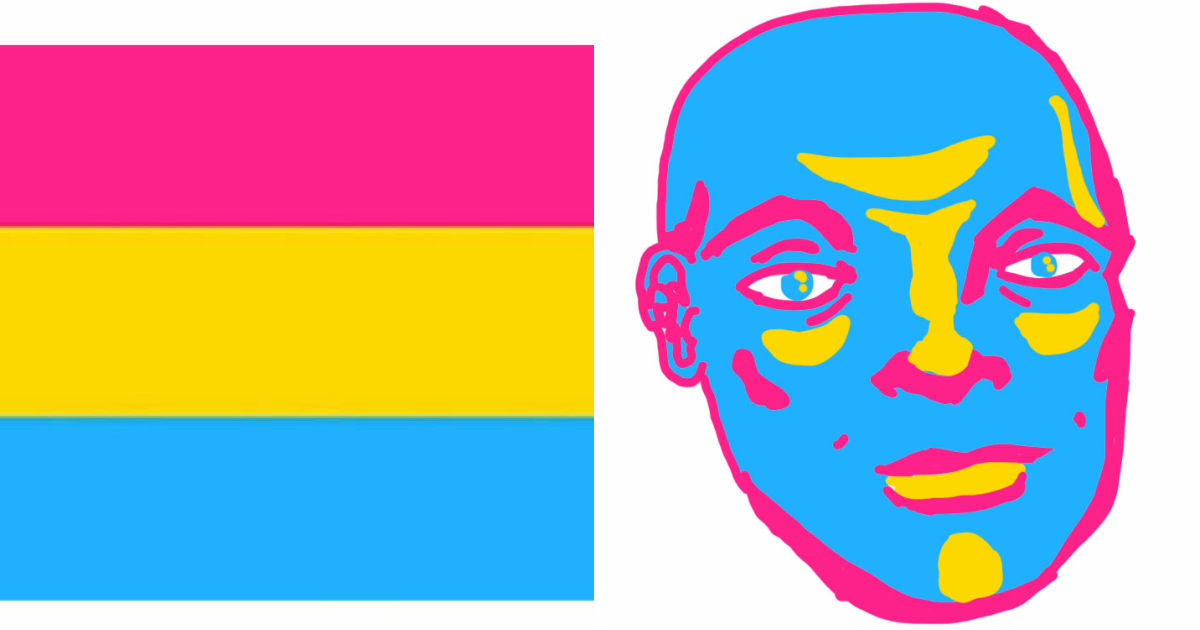
If you’ve ever stared at a blank page and thought, “I support LGBTQ+ folks with my whole heart… but my pencil is currently on strike,” welcome.
This prompt is (officially) closed, but the idea behind it is very much alive: use color to communicate care, visibility, and belonging.
Because sometimes the fastest way to say “You’re safe with me” is to put it in a rainbow, add sparkles, and refuse to apologize for the glitter.
In the spirit of the “Hey Pandas” community challenges, the assignment is simple: draw something colorful that shows support for the LGBTQ+ community.
You can sketch on paper, paint, doodle on a sticky note, or go fully digitalwhatever matches your tools and comfort level.
And if you’re not an “artist,” great news: supportive art isn’t graded on realism. It’s graded on intention (and maybe how brave you are with neon).
What This Prompt Is Really About (Spoiler: It’s Not Perfect Linework)
LGBTQ+ support art works because it does a few powerful things at once:
- Visibility: It signals that LGBTQ+ identities are real, welcome, and worthy of celebration.
- Belonging: It tells people, “You don’t have to shrink here.”
- Joy + resistance: Pride has always been both celebration and advocacycolor can hold both.
- Community: Shared symbols help people find each other, especially online where safety cues matter.
The best supportive art doesn’t try to speak over LGBTQ+ people. It tries to speak with themamplifying dignity, joy, and acceptance.
Quick Pride Color Basics (So Your Rainbow Has Extra Meaning)
The rainbow Pride flag is one of the most recognizable LGBTQ+ symbols. Over time, more flags and designs have grown alongside it, reflecting the
diversity of identities within the community. You don’t have to memorize every flag to create supportive artbut knowing a few basics can help
you be more intentional.
The Classic Rainbow Flag
The most common version features six stripes (red, orange, yellow, green, blue, violet). Historically, earlier designs included additional colors,
with specific symbolic meanings attached to each stripe. Today, the six-color flag is widely used as an umbrella symbol for LGBTQ+ pride.
The Progress Pride Flag (and Why It Exists)
You may have seen a rainbow flag with a chevron on the left side (often including black and brown stripes and the transgender flag colors).
The idea is to emphasize inclusionhighlighting LGBTQ+ people of color and trans communities, and acknowledging that equality is not equally distributed.
Intersex-Inclusive Progress Variations
Some newer designs incorporate an intersex symbol (a purple circle on a yellow field) into the progress-style layout. If your art focuses on broad
LGBTQ+ support, you can choose a design that feels inclusive to youor create something original that honors multiple identities without flattening them.
10 Colorful Drawing Ideas That Say “I Support You” Loudly (Without Yelling)
Here are creative directions that work whether you’re drawing with markers, watercolor, Procreate, MS Paint (no shame), or a napkin and a dream.
Each idea includes a simple version and an “extra” version, because some of us are minimalists and some of us are… aggressively enthusiastic.
1) Rainbow Typography With a Message That Doesn’t Sound Like a Corporate Email
- Simple: Hand-letter “You belong.” Fill each letter with a different Pride color.
- Extra: Make the letters look like stained glass, with light rays in subtle gradients behind them.
2) A Colorful “Safe Space” Door Sign (But Make It Cute)
- Simple: Draw a door with a tiny Pride sticker that says “Safe Here.”
- Extra: Add little icons around it: hearts, stars, pronoun pins, and a welcome mat that reads “No hate past this point.”
3) A Bouquet of Pride Flags as Flowers
- Simple: Draw a vase of flowers, each petal pattern reflecting a Pride flag palette.
- Extra: Put handwritten “thank you” notes on tags: “For your courage,” “For your joy,” “For being you.”
4) Abstract Pride Waves (Perfect for “I Can’t Draw Faces” Folks)
- Simple: Layer wavy stripes in Pride colors.
- Extra: Hide positive words in the curves: “respect,” “care,” “home,” “chosen family.”
5) A “Chosen Family” Picnic Scene
- Simple: Draw a picnic blanket in Pride stripes, with food and friendly hands reaching in.
- Extra: Add speech bubbles with warm, everyday support: “Want me to walk you home?” “I’ve got your back.”
6) Pride Animal Mascots (Because Everyone Loves a Supportive Frog)
- Simple: Draw a cat wearing a tiny rainbow bandana.
- Extra: Create a whole “Pride Parade of Animals” with different flag color themes (tastefully and respectfully).
7) The “Love Is…” Comic Strip
- Simple: Three panels: “Love is listening.” “Love is learning.” “Love is showing up.”
- Extra: Add little scenes of allyship: correcting a pronoun gently, standing up to bullying, sharing resources.
8) Pride Night Sky
- Simple: A galaxy background with Pride-colored constellations.
- Extra: Constellations form words like “Pride,” “Hope,” “Joy,” and “Freedom.”
9) A Color Wheel of Identity (Respectful, Not “Label-y”)
- Simple: A color wheel with words like “identity,” “expression,” “community,” “acceptance.”
- Extra: Add gentle notes: “Labels can help,” “Labels can change,” “You decide what fits.”
10) A Pride-Themed “Thank You” Poster
- Simple: “Thank you for being you.” with rainbow borders.
- Extra: Include small nods to LGBTQ+ history and resilience without getting heavylike a timeline ribbon or symbolic candlelight.
How to Make Supportive Art Feel Genuinely Supportive (Not Performative)
Anyone can draw a rainbow. Supportive art goes a step further by showing care in the detailsespecially if you’re an ally.
Here are practical ways to keep your work warm, accurate, and respectful:
Center People, Not Slogans
If your piece includes characters, show them as whole people doing normal, joyful things: laughing, studying, skating, gaming, making pancakes at 2 a.m.
(The true universal language of friendship.) This helps avoid turning LGBTQ+ identity into a “concept” instead of lived reality.
Avoid Stereotypes and “One-Size-Fits-All” Looks
LGBTQ+ communities are diverse across race, culture, body types, age, disability, and style. If you’re drawing people, vary skin tones,
hair textures, clothing styles, and accessibility tools (like hearing aids, canes, wheelchairs) in an everyday way. Inclusion can be calm and normal.
Use Pronouns Thoughtfully (If You Use Them at All)
If you want to include pronouns, you can do it gently: a pin that says “they/them,” a name tag, or a simple “Ask me my pronouns.”
You don’t need to “assign” pronouns to strangers in your artmake space for self-identification instead.
Keep It Age-Appropriate and Safe
Pride is not automatically adult. Supportive art can be wholesome, joyful, and community-focused. Think: celebration, belonging, friendship,
and safety. Your message can be powerful without being graphic or edgy.
A Mini “Art Recipe” You Can Follow in 20 Minutes
If you want a quick, structured way to create something shareable, try this:
- Pick a base symbol: heart, star, flower, doorway, sky, or an animal.
- Choose a palette: classic rainbow, progress-style, or a custom blend that still feels Pride-adjacent.
- Add one supportive phrase: “You belong,” “Loved,” “Safe with me,” or “Proud of you.”
- Include one “care detail”: a pronoun pin, a welcome sign, clasped hands, or a warm everyday scene.
- Finish with texture: dots, sparkles, brush strokes, or soft gradients to make it feel alive.
Congratulationsyou just cooked up a supportive drawing. Zero oven required.
Specific Examples of Colorful Support Art (So You Can Picture It)
Here are a few fully formed concepts you can adapt:
-
“Community Umbrella”: An umbrella made of Pride-colored panels sheltering a group of people from rain labeled “hate,” “fear,” and “bullying.”
The ground beneath says “belonging.” (Simple shapes, big message.) -
“Library of Acceptance”: A bookshelf where each book spine is a Pride palette, titled with supportive themes: “Respect,” “History,” “Joy,”
“Chosen Family,” “Hope.” The main caption: “Everyone deserves a story where they survive.” -
“Rainbow Window”: A sunny window casting Pride-colored light across a room. In the light: a cup of tea, a journal, a phone with a supportive text.
Caption: “You’re safe here.” - “Pride Garden”: Flowers in different flag palettes growing together, with bees shaped like hearts and a sign that reads “All are welcome.”
Kindness Rules for Sharing (Even If the Prompt Is Closed)
“Hey Pandas” challenges are popular because they’re low-pressure and community-driven. The best vibe is: create, share, celebrate, be kind.
If you’re posting your Pride-inspired art anywheresocial media, a classroom board, a community forumthese guidelines keep it supportive:
- Compliment thoughtfully: point out colors, composition, or the message you felt.
- Don’t debate identities: supportive spaces aren’t courtroom dramas.
- Don’t out anyone: never share someone’s identity story without permission.
- Assume good faith, correct gently: if someone uses a wrong term, offer a kind correction, not a pile-on.
- Protect minors and privacy: avoid personal info and keep images safe to share publicly.
Conclusion: Color Can Be a Small Signal With a Huge Impact
A colorful drawing won’t solve everythingand it doesn’t have to. Sometimes it’s a door sign that makes a student breathe easier.
Sometimes it’s a rainbow doodle that tells a friend, “I’m here.” Sometimes it’s a piece of art that reminds LGBTQ+ folks they don’t have to earn love.
If your drawing carries that message, you did it right.
Extra: of Real-World Experiences Around Pride-Themed Art
Even though this specific “Hey Pandas” prompt is labeled closed, the experience behind it is familiar across schools, workplaces, and online communities:
people use small creative acts to make support visible. One common story you’ll hear is how a simple Pride doodle can change the tone of a room.
Someone tapes a hand-drawn rainbow to a laptop, adds a tiny “You belong” sticky note to a bulletin board, or wears a handmade pinand suddenly a space
feels less like a guessing game. For LGBTQ+ people who are constantly scanning for safety, that kind of signal can feel like exhaling after holding your breath.
In classrooms, Pride art often shows up during poster-making days, hallway displays, or club events. Students who don’t consider themselves “good at art”
still contribute by coloring backgrounds, outlining letters, or adding patterns. That matters because support becomes a group effort, not a talent contest.
Teachers and mentors sometimes describe a shift that happens when kids work side-by-side on something colorful and positive: conversations get kinder,
curiosity replaces rumors, and the project becomes a practice run for empathy. Even students who are quiet about identity can participate in a way that feels safe,
because the activity focuses on valuesrespect, inclusion, and community.
Online, Pride art is often shared as a quick lift: a small comic about friendship, a digital wallpaper in Pride colors, or a character design that quietly includes a
pronoun badge. People respond with comments like “This made my day,” or “I wish I saw this when I was younger,” or “I didn’t know I needed this.”
Those reactions aren’t about perfect anatomy or fancy shadingthey’re about recognition. Artists also talk about learning through feedback: discovering new flags,
better terminology, or how to avoid accidental stereotypes. In supportive spaces, that learning is treated as growth, not a gotcha moment.
Another experience that comes up a lot is the difference between “decorations” and “care.” Pride colors can be everywhere in June, but what sticks with people is
when the color is paired with action: someone stepping in when a cruel joke happens, using inclusive language, or checking in on a friend who seems isolated.
That’s why supportive drawings land best when they feel personal and sincerelike a note you’d hand to someone you care about. A rainbow is lovely;
a rainbow that says “I’ve got your back” is unforgettable.
Finally, many people describe Pride art as a way to hold joy and courage at the same time. Bright colors can feel playful, but they also carry historyvisibility,
resilience, and community. For some, making a Pride-themed drawing is a gentle step toward self-acceptance. For others, it’s a way to show allyship without
making it about themselves. Either way, the shared experience is the same: color becomes communication. And when the message is “you belong,” it’s hard to go wrong.