
Choosing the right bra can feel weirdly similar to online dating: the photos look promising, the description says all the right things, and then five minutes in, something is poking you in the soul. The good news? Finding a bra that actually fits is not some mystical talent passed down by stylish aunts. It is a learnable skill.
The right bra should feel supportive, comfortable, and appropriate for what you are doing that day. It should not ride up your back like it is trying to escape. It should not leave you counting the hours until you can fling it across the room. And it definitely should not require motivational speeches just to get through lunch.
If you have ever wondered why one bra feels amazing while another feels like a tiny personal grudge, this guide will help. Below, you will learn how bra sizing works, how to check fit, how to choose styles for different outfits and activities, and how real people usually figure this out through a mix of trial, error, and one very dramatic dressing-room moment.
Why Choosing the Right Bra Matters
A good bra is not about chasing a perfect look or forcing your body into some made-up standard. It is about comfort, support, and function. When a bra fits well, clothes tend to sit better, straps stop digging, movement feels easier, and you spend far less time doing that subtle shoulder shimmy people do when something is not sitting right.
The wrong bra, on the other hand, can create a long list of annoyances: slipping straps, overflow at the top or sides, cup gaps, poking underwires, skin irritation, and a band that creeps upward every time you move. For some people, poor support can also make everyday soreness feel worse, especially during long days, workouts, or if they carry more weight through the chest.
In other words, this is not a tiny detail. It is an everyday quality-of-life issue disguised as underwear.
Start with Fit, Not with the Cute Color
Yes, color is fun. Lace is fun. A sale is very fun. But the first thing to focus on is fit. A plain bra that fits well will outperform a gorgeous bra that pinches, floats, and behaves like it resents your existence.
The Band: The Real MVP
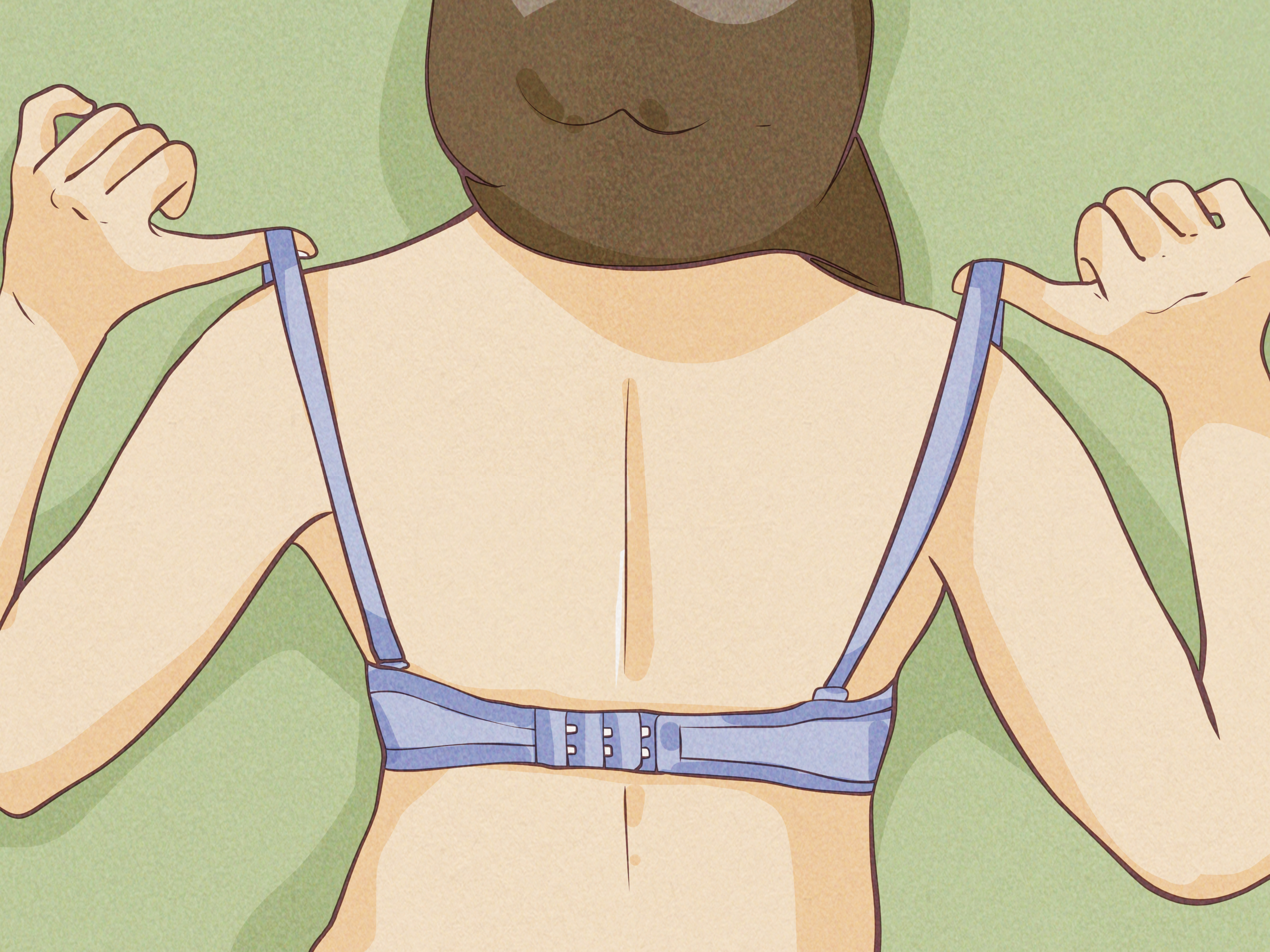
The band does most of the support work. That means it should feel snug and secure around your rib cage without making breathing difficult. If the back of the band rides up, the bra is usually too loose in the band. If it feels painfully tight, leaves deep marks quickly, or makes you want to negotiate with it, it may be too small.
A good band should stay fairly level all the way around your torso. Think “firm handshake,” not “boa constrictor.”
The Cups: No Spilling, No Wrinkling, No Mystery Space
The cups should fully contain your breast tissue without cutting in or standing away from the body. If tissue spills over the top, sides, or underarm area, the cups may be too small or the style may be wrong for your shape. If the cups wrinkle, gape, or collapse, they may be too large or too tall for you.
This is where many shoppers get tricked. They assume a cup issue means the whole bra is wrong. Sometimes it does. But sometimes the size is close and the shape is the real problem.
The Center Gore: Small Part, Big Clue
The center gore is the piece of fabric between the cups. In many everyday bras, it should sit flat against the chest. If it floats away from the body, the cups may be too small, the band may be off, or the style may not suit your shape. Tiny detail, huge clue.
The Straps: Helpful Side Characters, Not Main Characters
Straps should stay in place without digging into your shoulders. If they constantly slip, the bra may be the wrong size, the straps may need adjusting, or the style may not match your shoulder shape. If they dig in deeply, your band may be too loose and the straps are being forced to do work they never signed up for.
How to Measure Your Bra Size at Home
You do not need a velvet throne or a magical fitting wand. A soft measuring tape and a few quiet minutes are enough for a useful starting point.
Step 1: Measure Your Underbust
Wrap the tape snugly around your rib cage, just under your bust. Keep it level all the way around. This number helps estimate your band size.
Step 2: Measure the Fullest Part of Your Bust
Now measure around the fullest part of your bust, again keeping the tape level. This measurement helps estimate cup volume.
Step 3: Use the Difference as a Guide
The difference between your bust and underbust measurements helps estimate cup size. That said, treat this like a starting point, not sacred law engraved on a marble tablet. Bra sizing varies across brands, materials, and styles. One label’s “perfect fit” may be another label’s “absolutely not.”
Step 4: Try More Than One Size
If one bra almost fits, try nearby sizes too. This is where sister sizing becomes useful. If you go down in band size, you usually go up in cup size to keep a similar cup volume. If you go up in band size, you usually go down in cup size. Example: if a 36D feels loose in the band, a 34DD may be worth trying.
This is not bra witchcraft. It is just how sizing works.
Choose a Bra Style for Your Life, Not Just Your Drawer
The right bra depends on what you want it to do. “Best bra” is not one universal thing. It is more like “best pizza topping.” Everyone has opinions, and context matters.
T-Shirt Bra
Great for everyday wear when you want a smooth look under fitted tops. These are often lightly lined or molded and designed to disappear under clothes. If your wardrobe involves tees, knit tops, or work blouses, this is usually the first style worth trying.
Full-Coverage Bra
Good for people who want more containment, more support, and less risk of spillover. This can be especially useful for fuller busts, long workdays, or anyone tired of adjusting their bra every twenty minutes like it is part of a fitness challenge.
Plunge Bra
Helpful under lower necklines. This style can work beautifully, but the fit needs to be precise. If the center front does not sit well or tissue escapes at the middle, it may not be the one.
Wireless Bra
Ideal when comfort is the top priority. Wireless bras have come a long way from the old days of “soft” meaning “mysteriously unsupportive.” They can be excellent for lounging, errands, travel, or everyday wear if structured well.
Sports Bra
This is not optional if you are doing higher-impact exercise and want comfort. Sports bras should be chosen based on impact level. Walking, yoga, strength work, and running do not all demand the same support. A sports bra should feel a bit snugger than an everyday bra, but you should still be able to breathe comfortably, move freely, and pass the bounce test without writing a formal complaint.
Bralette
Good for light support, casual wear, and comfort-forward days. Some are purely for lounging, while others offer enough structure for everyday use. Check the fabric, band construction, and whether the straps are adjustable before assuming all bralettes behave the same.
How to Choose the Right Bra for Your Body and Routine
The smartest way to shop is to think about your actual life. Not your fantasy life where you glide through the day wearing silk and never carry groceries. Your real life.
If You Sit at a Desk All Day
Look for smooth fabrics, a band that stays put, and straps that do not create pressure points during long hours. A comfortable T-shirt bra, wireless bra, or full-coverage bra may work well here.
If You Move a Lot
Teachers, nurses, retail workers, parents, commuters, and anyone who basically lives on their feet often benefit from supportive bands, secure straps, and cups that fully contain movement. Stability becomes far more important than decorative details.
If You Exercise Regularly
Own at least one sports bra that matches the activity. A low-impact bra may be fine for stretching and walking. Running and jumping usually require more compression, encapsulation, or both.
If One Side Is Slightly Bigger
This is common. Fit the bra to the larger side first. Then adjust the smaller side with strap changes, removable padding, or styles that are more forgiving in the cup. Perfection is not the goal. Comfort and balance are.
If Your Size Changes Often
Bodies change. Hormones, age, weight shifts, pregnancy, postpartum recovery, medications, exercise, and simple life can all affect bra fit. If your old favorite suddenly feels wrong, that does not mean you failed at bras. It means your body updated the settings and your drawer did not get the memo.
Signs You Are Wearing the Wrong Bra
Here is the quick reality check. Your bra may be wrong for you if:
- The band rides up your back.
- Your straps keep slipping or dig into your shoulders.
- The cups gap, wrinkle, or collapse.
- You spill out over the top, center, or sides.
- The center gore does not sit flat.
- The wire sits on breast tissue instead of around it.
- You cannot wait to take it off by noon.
One bad sign might mean the straps need adjusting. Several bad signs together usually mean it is time to try a different size, style, or brand.
Shopping Tips That Save Time, Money, and Sanity
Try Multiple Sizes in the Same Bra
Do not assume one try-on tells the full story. A 34D, 34DD, and 36D can feel surprisingly different.
Different Brands Fit Differently
This is normal. A size that works in one brand may not fit the same in another because pattern shapes, materials, and construction vary.
Move Around in the Fitting Room
Raise your arms. Sit down. Twist. Bend a little. If the bra fails basic life motions, it is not a keeper.
Do Not Buy a Painful Bra Hoping It Will “Break In”
Some fabrics soften with wear, but a fundamentally wrong fit rarely transforms into true love.
Have More Than One Type
Most people do better with a small bra wardrobe: maybe one everyday smooth bra, one full-support option, one sports bra, and one comfort-first choice for lighter days.
How to Care for a Bra Once You Finally Find One You Love
Congratulations. You found a bra that does not insult your rib cage. Protect it.
Rotate your bras instead of wearing the same one every day. Wash them gently according to the care label. Avoid high heat when possible. Elastic and structured materials wear out faster when constantly stretched, overheated, or thrown into a laundry situation that feels like an action movie.
If the band has stretched out, the cups no longer sit right, the straps will not stay adjusted, or the bra has lost support, it may be time to replace it. A heavily used bra is not immortal, no matter how emotionally attached you are.
The Bottom Line
Choosing the right bra comes down to three things: fit, function, and comfort. Start with the band, check the cups, pay attention to the center gore and straps, and choose a style that actually fits your daily life. Use measuring as a starting point, not a final verdict. Try sister sizes. Test different styles. And remember that the goal is not to squeeze yourself into a number on a tag. The goal is to feel supported and comfortable in your own body.
A great bra should quietly do its job and let you get on with your day. No drama. No constant adjusting. No inner monologue that sounds like, “Why is this thing attacking me?” That is the dream. And yes, it is possible.
Real-Life Experiences People Commonly Have When Learning How to Choose the Right Bra
One of the most common experiences people talk about is realizing they have been wearing the wrong size for years without knowing it. They assumed bras were just supposed to be uncomfortable, like airplane seats or group projects. Then they try a snugger band with a better cup fit and suddenly understand that support is supposed to come from the bra, not from constant readjusting and wishful thinking.
Another very real experience is the dressing-room identity crisis. You walk in believing you are one size, try on three bras in that size, and leave wondering whether numbers have meaning at all. This is actually normal. Different brands cut cups differently. Some run shallow, some run deep, some have taller wires, and some are clearly designed for a body that is not yours. The lesson is not that your body is wrong. The lesson is that bras are wildly inconsistent, and patience helps.
Many people also discover that their favorite bra style is not the one they expected. Someone may assume they need padding, then find that an unlined bra gives a better shape and feels lighter. Another person may swear off underwire forever, then try a properly fitted underwire bra and realize the problem was never the wire itself; it was a bad fit. Meanwhile, someone else falls in love with a wireless bra and never looks back. There is no universal winner, only what works for you.
People with fuller busts often describe the relief of finally finding a bra that lifts without shoulder pain. People with smaller busts often talk about learning that cup gaps are usually a fit issue, not a sign that bras are not “for” them. People whose size changes with hormones, pregnancy, postpartum recovery, or weight fluctuations often mention how helpful it is to stop treating one old size as permanent truth. Re-measuring and trying new options can feel surprisingly empowering.
There is also the classic sports bra revelation. Plenty of people do not realize how much bounce or discomfort they have been tolerating until they try a sports bra designed for their activity level. Suddenly, a run feels better, a workout feels easier, and the phrase “good support” stops sounding like marketing poetry and starts feeling like common sense.
Perhaps the biggest shared experience is this: once people find a bra that really fits, they become dramatically less willing to tolerate nonsense. They stop buying bras just because they are pretty. They stop settling for straps that slide, bands that climb, or cups that behave like abstract art. They get pickier, and honestly, good for them. Life is busy enough without arguing with your underwear before noon.













