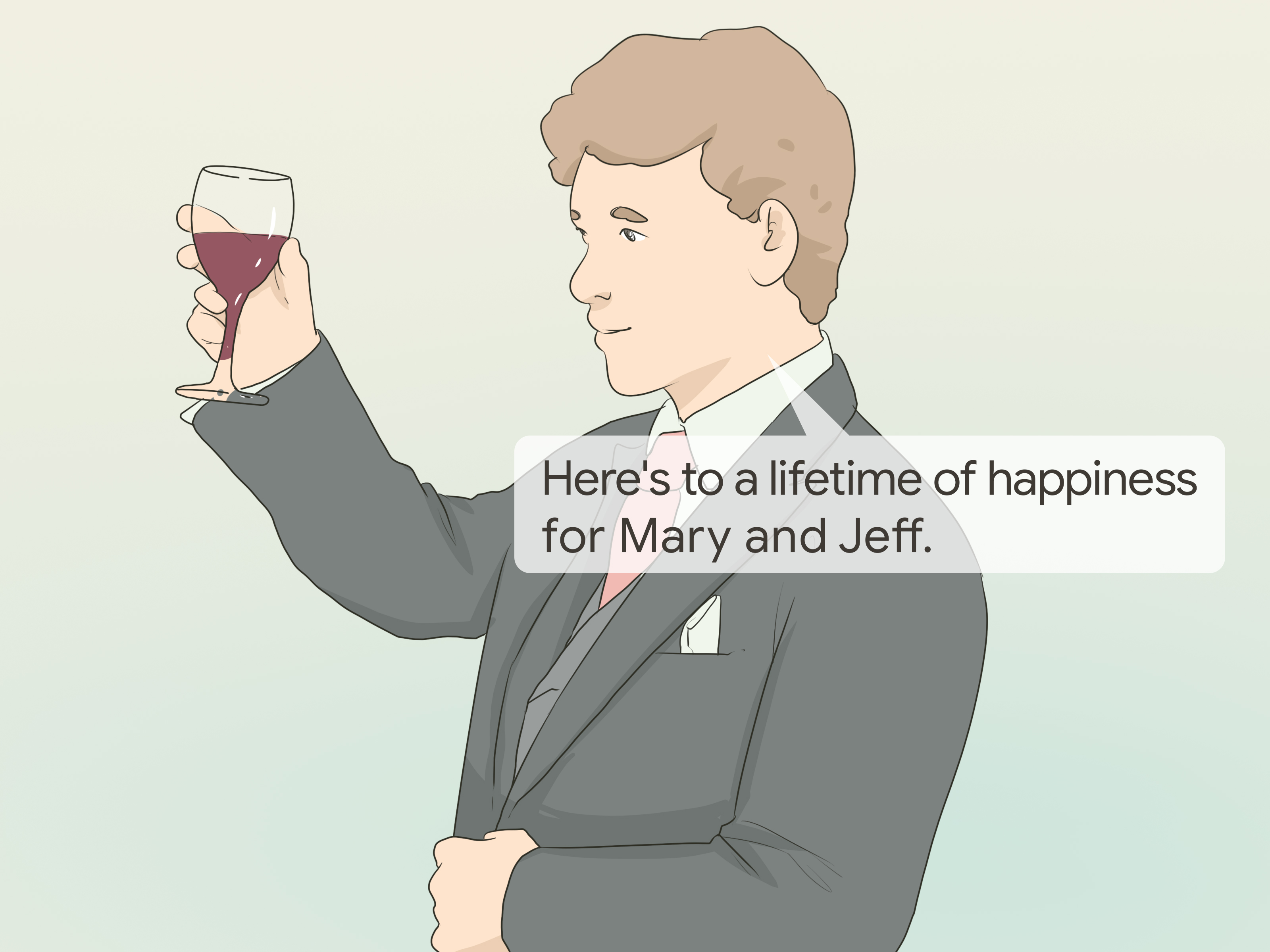
Being chosen as the best man is a tremendous honor. It also comes with one assignment capable of making otherwise confident adults consider changing their names and moving to another state: delivering the best man’s speech.
The good news is that you do not need to be a professional comedian, poet, or presidential speechwriter. A memorable wedding speech usually succeeds because it is personal, concise, respectful, and genuinely focused on the newlyweds. Guests are not expecting a Broadway performance. They simply want to laugh a little, learn something meaningful about the couple, and raise a glass before dinner gets cold.
This guide explains how to write a best man’s speech from the first brainstorm to the final toast. It includes a practical structure, tasteful humor tips, sample lines, delivery advice, common mistakes, and real-world lessons that can help you sound confident even when your knees are quietly filing a complaint.
What Is the Purpose of a Best Man’s Speech?
A best man’s speech celebrates the couple through the eyes of someone who knows the groom well. Your job is not to present the complete biography of your friendship or reveal classified information from the bachelor party. Your job is to show guests something warm, funny, and meaningful about the groom and the relationship he has built with his new spouse.
A strong speech generally accomplishes four things:
- Introduces the best man and explains his connection to the groom.
- Shares one or two stories that reveal the groom’s character.
- Welcomes and compliments the groom’s spouse.
- Ends with sincere wishes and a clear wedding toast.
The speech can be funny, but humor is a supporting actor, not the entire cast. The emotional center should be the couple and the qualities that make their marriage worth celebrating.
How Long Should a Best Man’s Speech Be?
Aim for approximately three to five minutes. That is usually enough time to tell a meaningful story without making guests wonder whether your speech has an intermission.
At a comfortable speaking pace, a four-minute speech may contain roughly 500 to 650 words. The exact number matters less than the delivery. Laughter, applause, pauses, and nervous breathing can all add time. Always rehearse with a timer rather than relying on a word count alone.
If several people are scheduled to speak, stay closer to three minutes. At a small, informal reception, you may have slightly more flexibility. In almost every situation, however, finishing a little early is better than stretching a good story until it needs its own sequel.
How to Write a Best Man’s Speech Step by Step
1. Start Earlier Than You Think You Need To
Do not wait until the wedding morning to write your speech on the back of a room-service receipt. Begin brainstorming several weeks before the ceremony. Early preparation gives you time to remember better stories, remove questionable jokes, and practice until the words sound natural.
Open a document or notebook and write down everything that comes to mind:
- How you met the groom.
- What you first noticed about him.
- Moments when he showed loyalty, kindness, courage, or patience.
- How he changed after meeting his partner.
- Stories that demonstrate why the couple works well together.
- What you sincerely hope for their future.
Do not judge the ideas during this stage. Collect them first. Editing comes later, ideally when your inner comedian has been given adult supervision.
2. Choose One Central Theme
The best wedding speeches feel like one complete story rather than a collection of unrelated memories. Choose a simple theme that connects your anecdotes.
Possible themes include loyalty, personal growth, optimism, generosity, adventure, or the idea that the groom finally found someone who understands him. For example, you might build the speech around the groom’s habit of helping people, then explain how his spouse brings out that same generous quality.
Your theme can be summarized in one sentence:
“Daniel has always been the person who shows up when people need him, and meeting Emma gave him someone equally dependable to share his life with.”
If a story does not support that central idea, save it for another occasion.
3. Introduce Yourself Quickly
Many guests may not know who you are. State your name and relationship to the groom near the beginning, but keep the introduction brief.
A straightforward opening works perfectly:
“Good evening, everyone. I’m Michael, and I’ve had the privilege of being Chris’s best friend since college.”
You can also add a gentle joke:
“I’m Michael, Chris’s best friend and, according to tonight’s seating chart, the person considered responsible enough to hold a microphone.”
The joke should warm up the room without insulting the groom, the venue, or the people who trusted you with audio equipment.
4. Thank the Hosts and Acknowledge the Celebration
A brief expression of gratitude creates a gracious tone. Thank the couple, their families, or anyone who played a major role in organizing the wedding. There is no need to read a directory of vendors and distant relatives. One or two sentences are enough.
“Thank you to both families and everyone who helped create such a beautiful celebration. It is wonderful to see so many people here for Olivia and Chris.”
5. Tell One Strong Story About the Groom
A specific story is more powerful than a list of adjectives. Instead of saying the groom is generous, describe the time he drove three hours to help a friend move. Instead of calling him persistent, tell guests how he trained for his first marathon despite initially believing a warm-up meant turning on the car heater.
The best anecdote has three parts:
- Setup: Explain where and when the event occurred.
- Action: Describe what the groom did.
- Meaning: Connect the story to his character or marriage.
Keep background details short. Guests need enough information to follow the story, not the complete weather report from 2014.
6. Bring the Groom’s Partner Into the Speech
One of the most common best man speech mistakes is spending four minutes discussing the groom and adding his spouse only in the final sentence. Remember that the wedding celebrates two people.
Describe what you admire about the new spouse and how the relationship has affected the groom. Be specific and sincere.
“When Chris met Olivia, we noticed a change. He was still the same loyal, ridiculous friend we loved, but he became more thoughtful, more confident, and mysteriously capable of arriving on time.”
Address both newlyweds by name. Make the partner feel welcomed rather than presented as a supporting character in the groom’s life story.
7. Explain Why They Work as a Couple
This is often the emotional heart of the speech. Highlight qualities the couple shares or the ways their personalities complement one another.
Perhaps one person is spontaneous while the other brings calm. Maybe both are adventurous, family-oriented, ambitious, or deeply kind. A small observation can be more moving than a grand statement.
“Olivia encourages Chris to take bigger chances, and Chris gives Olivia the kind of steady support that makes those adventures possible. They challenge each other without trying to change each other.”
8. Add Humor Without Turning the Toast Into a Roast
Funny best man speeches work because the humor reveals affection. The audience should laugh with the groom, not at him.
Safe humor often involves harmless habits, familiar personality traits, light self-deprecation, or stories in which the groom is endearingly imperfect. Avoid jokes involving former partners, sex, drugs, illegal behavior, family conflict, financial problems, or deeply embarrassing incidents.
Before keeping a joke, ask three questions:
- Would I tell this story in front of the couple’s parents?
- Will both newlyweds find it funny?
- Does the joke make the audience like the groom more?
If the answer to any question is no, delete it. There are no bonus points for creating the most uncomfortable silence in wedding history.
9. Shift Naturally From Humor to Sincerity
A good speech often begins lightly and becomes more heartfelt near the end. Signal the transition with a simple sentence:
“Joking aside, there is something I genuinely admire about Chris and Olivia.”
Then say what you mean. You do not need poetic language. Honest words delivered simply are more memorable than elaborate phrases borrowed from the internet.
10. End With a Clear Toast
Do not let the speech fade into an uncertain ending. Finish with a direct invitation for guests to raise their glasses.
“Please raise a glass to Olivia and Chris. May your life together be filled with laughter, patience, adventure, and a love that grows stronger every year. To the newlyweds!”
Raise your own glass, pause, and let the guests respond. Do not immediately begin a second ending because you remembered another joke.
A Simple Best Man Speech Outline
Use this structure when you need a reliable starting point:
- Opening: Greet the guests and introduce yourself.
- Gratitude: Thank the couple, families, or hosts.
- Friendship: Briefly explain your relationship with the groom.
- Anecdote: Tell one story that reveals his character.
- The relationship: Describe meeting or getting to know the groom’s spouse.
- The couple: Explain why they complement each other.
- Sincere message: Express your admiration and hopes for their marriage.
- Toast: Ask guests to raise their glasses.
Sample Best Man’s Speech
Good evening, everyone. For those I haven’t met, I’m Alex, and I’ve known Ryan since our first year of college, when we became friends after realizing neither of us understood the washing machines in our dorm.
Thank you to both families and everyone who helped make today so special. It is an honor to celebrate Ryan and Sophia with all of you.
Ryan has always been the friend who shows up. Years ago, my car broke down two hours from home. I called him expecting advice. Instead, he arrived with jumper cables, snacks, and absolutely no mechanical knowledge. We eventually solved the problem, although the snacks contributed more than either of us did.
That story says something important about Ryan. He may not always know exactly what to do, but he will never let someone face a problem alone.
When Sophia entered his life, it became clear that he had found someone with the same generous spirit. Sophia, you challenge him, support him, and somehow convince him to read instructions before assembling furniture. More importantly, you make him incredibly happy.
Together, you are thoughtful, adventurous, and stronger than either of you would be alone. Ryan, I have always been proud to call you my friend. Sophia, I am delighted to call you family.
Please raise your glasses to Ryan and Sophia. May your marriage bring you a lifetime of laughter, partnership, and fewer emergency roadside adventures. To the newlyweds!
How to Deliver the Speech Confidently
Practice Out Loud
Reading silently does not reveal awkward phrasing, excessive length, or places where you may run out of breath. Rehearse aloud several times. Record yourself on your phone and listen for rushed sentences, repetitive wording, and jokes that require too much explanation.
Practice in front of one trusted person who knows the couple. Ask whether the speech feels respectful, understandable, and appropriately personal.
Use Notes Instead of Reading a Full Script
You do not have to memorize every word. Small note cards containing key phrases can help you maintain your place while still looking at the audience. Print in large type and number the cards in case they become shuffled.
Avoid reading continuously from your phone. Incoming notifications, a locked screen, or a low battery can introduce unnecessary chaos.
Speak Slowly and Pause
Nervous speakers often accelerate. Slow down, breathe between sections, and pause after jokes so the audience has time to laugh. A pause may feel long to you while sounding completely natural to everyone else.
Make Eye Contact
Look at the newlyweds during personal lines and scan different parts of the room during broader remarks. You do not need to stare intensely at individual guests as though conducting an interrogation. Brief, relaxed eye contact creates connection.
Limit Alcohol Before Speaking
A celebratory drink may be traditional, but several drinks will not improve your timing, pronunciation, or judgment. Give the speech first. Celebrate more enthusiastically afterward, when nobody is recording every word through the venue’s sound system.
Common Best Man Speech Mistakes
- Making the speech entirely about yourself: Your friendship provides context, but the couple remains the focus.
- Using too many inside jokes: If only three people understand the story, most of the room will feel excluded.
- Embarrassing the newlyweds: Private information should remain private.
- Speaking for too long: Remove repeated points and unnecessary background details.
- Copying a generic speech: Templates can provide structure, but personal details create meaning.
- Forgetting the spouse: Speak warmly about both members of the couple.
- Ending without a toast: Make the final invitation clear and celebratory.
Experiences and Lessons From Writing Best Man Speeches
One of the most useful lessons from helping with wedding speeches is that the first draft is rarely the version that should reach the microphone. First drafts tend to contain every memory the writer can recall, including stories that are funny only because the people involved survived them. The real work begins when those memories are filtered according to what the room needs to hear.
A common experience is that the best man initially tries too hard to be funny. He imagines that every sentence must produce a laugh, so the speech becomes a rapid series of jokes about the groom’s clothes, dating history, driving, cooking, and questionable haircut from 2009. The result may be energetic, but it often lacks warmth. Once one sincere paragraph is added, the entire speech becomes more powerful. Guests remember the emotional truth more than the total number of punchlines.
Another lesson is that simple stories frequently outperform spectacular ones. A best man may reject a quiet memory because it does not seem dramatic enough. Yet a story about the groom checking on a struggling friend every week can reveal more character than a wild vacation story. Wedding guests respond to details that show reliability, generosity, and love in action.
Rehearsal also changes the writing. A sentence can look elegant on a screen and sound completely unnatural when spoken. Long sentences become harder to deliver, formal phrases feel stiff, and clever jokes may require confusing explanations. Reading the draft aloud exposes these weaknesses immediately. The strongest revisions usually replace complicated language with the words the speaker would naturally use in conversation.
Timing practice provides another surprise. A speech that appears short on the page may last much longer once laughter and pauses are included. Speakers also tend to rush during early rehearsals and slow down at the actual wedding as they react to the room. Timing several practice runs helps establish a realistic average.
Technical preparation matters as well. At one reception, a speaker may face a microphone positioned too low, bright lights that make the audience difficult to see, or music that has not fully stopped. The best response is not panic. Adjust the microphone, wait for the room, take a breath, and begin only when people are listening. Starting calmly communicates confidence before the first sentence is complete.
Speakers often worry that visible nervousness will ruin the moment. In reality, guests are usually supportive. They know the best man is speaking because he cares about the couple, not because he is auditioning for a television special. A slightly shaking hand or missed word rarely matters. Apologizing repeatedly draws more attention to small mistakes than simply continuing.
The most successful best man speeches tend to share one quality: they sound unmistakably like the person delivering them. A naturally quiet speaker does not need to imitate a stand-up comedian. A playful speaker can use humor without avoiding sincerity. A brother may speak differently from a childhood friend, teammate, or coworker. Authenticity gives the speech credibility.
It is also valuable to ask the couple about boundaries before writing. Some newlyweds enjoy playful teasing, while others prefer a sentimental tone. Families and cultural traditions may influence what feels appropriate. A brief conversation can prevent an awkward surprise and help the speaker choose stories that everyone can enjoy.
Finally, the closing toast deserves rehearsal just as much as the opening. Many speakers spend hours perfecting their first joke and improvise the final line. A prepared ending gives the speech direction and allows the audience to participate. Once the glasses rise and the newlyweds smile, the best man can sit down knowing he has done what mattered most: honored two people he cares about with honesty, humor, and heart.
Conclusion
Learning how to write a best man’s speech is less about finding perfect words and more about choosing the right story. Begin early, select a clear theme, keep the couple at the center, and use humor that reflects affection rather than embarrassment. Practice aloud, time the speech, speak slowly, and finish with a direct toast.
The audience does not need a flawless performance. They need a genuine glimpse of why the groom is valued, why the relationship is special, and why everyone should feel hopeful about the couple’s future. Deliver that message in three to five thoughtful minutes, and you will have given the newlyweds something far more meaningful than another wedding-day joke.