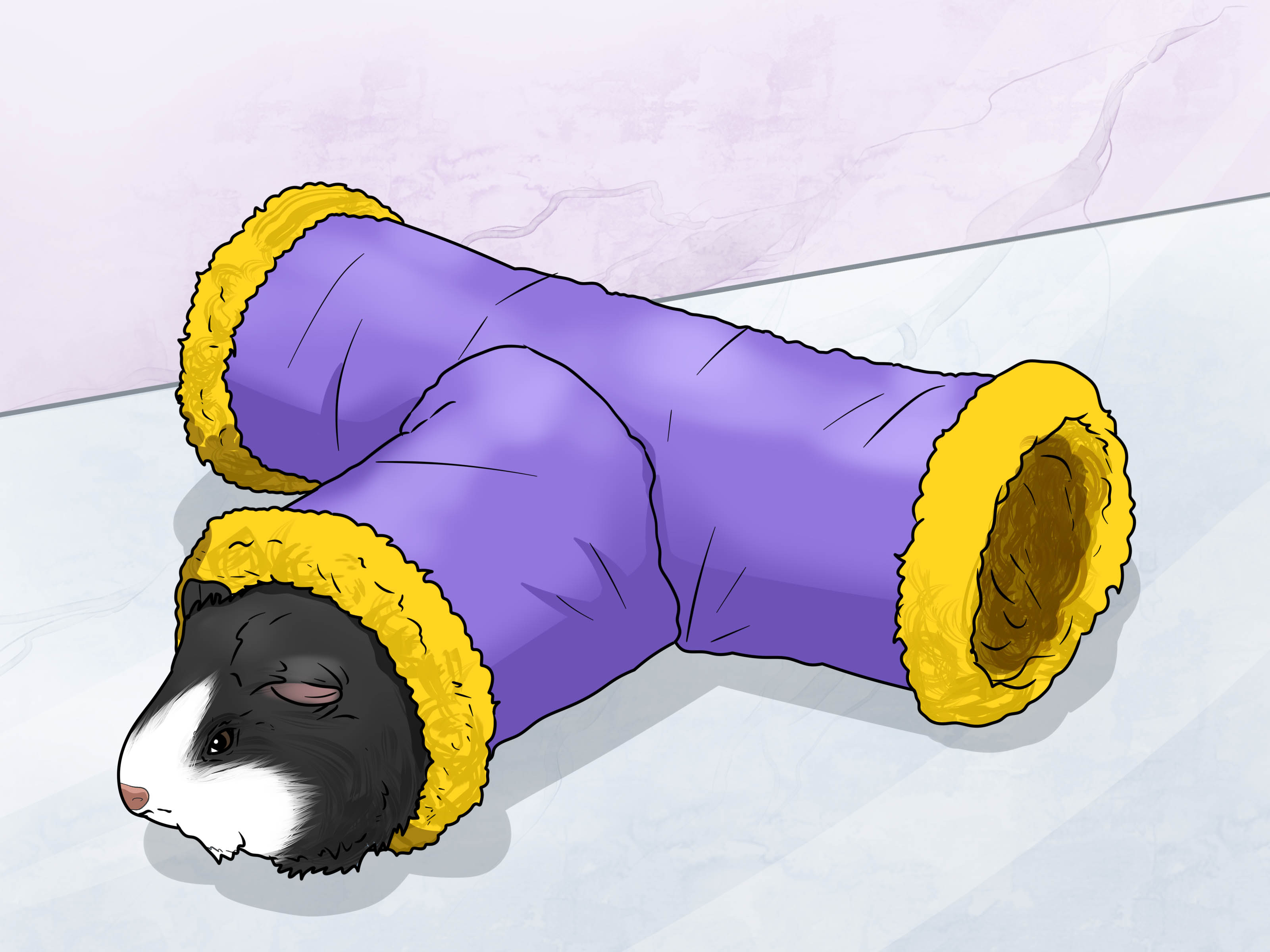
An impacted guinea pig is not a tiny drama queen pretending to need royal bathroom service. Impaction is a real, uncomfortable problem, most often seen in older male guinea pigs, especially boars whose anal and perineal sac muscles have become weaker with age. Instead of passing stool normally, soft fecal material, caecotrophs, hair, bedding, hay pieces, and general cage confetti can collect near the bottom and form a smelly blockage. Charming? No. Important? Absolutely.
This guide explains how to recognize guinea pig impaction, when to call an exotic-animal veterinarian, and how to provide gentle at-home support when your vet says it is appropriate. The goal is not to turn you into a pocket-sized surgeon. The goal is to help your guinea pig stay clean, comfortable, eating, pooping, and judging you from across the cage with his usual potato-shaped confidence.
Important note: If your guinea pig is not eating, seems weak, has a swollen belly, cries in pain, bleeds, cannot pass stool, or looks suddenly unwell, treat it as urgent. Guinea pigs can decline quickly, and impaction may also hide other problems such as dental disease, gastrointestinal stasis, infection, pain, arthritis, or poor diet.
What Is Guinea Pig Impaction?
Guinea pig impaction happens when material builds up in or around the perineal sac and the guinea pig cannot clear it normally. It is commonly associated with older male guinea pigs because boars have a more noticeable perineal sac than females, and the surrounding muscles can loosen over time. The result may look like a bulge, lump, or dirty plug around the rear end.
Many owners first notice the smell. Let us be honest: guinea pig impaction does not smell like a spring meadow. It can be strong, earthy, and unpleasant. You may also notice fewer normal droppings, soft stool stuck to the rear, straining, reduced appetite, irritation, or your guinea pig repeatedly fussing at his bottom.
How to Treat an Impacted Guinea Pig: 13 Steps
Step 1: Confirm That It Looks Like Impaction
Before you start cleaning anything, take a calm look. Signs of an impacted guinea pig may include a swollen-looking anal area, trapped soft stool, a visible plug, unpleasant odor, debris stuck in the perineal sac, or a guinea pig that seems uncomfortable when moving or sitting. Older boars are the classic candidates, but any guinea pig with rear-end trouble deserves careful attention.
Do not assume every lump is impaction. Abscesses, tumors, wounds, infections, urinary problems, diarrhea, and reproductive issues can also affect the rear area. If the swelling looks unusual, painful, bloody, or sudden, skip the home detective work and call a veterinarian.
Step 2: Call an Exotic-Animal Veterinarian
A veterinarian who treats guinea pigs is your best ally. Impaction itself can sometimes be managed at home after proper instruction, but the first episode should be checked by a vet whenever possible. Your vet can confirm the diagnosis, show you the correct cleaning technique, check for pain, evaluate teeth and diet, and make sure the problem is not gastrointestinal stasis or another emergency.
This matters because guinea pigs are prey animals. They often hide illness until they are already in trouble. A guinea pig who looks “a little off” may be more unwell than he appears. Think of him as a tiny furry spy trained to conceal weakness.
Step 3: Know the Emergency Red Flags
Some symptoms mean you should seek urgent veterinary care rather than trying a gentle cleaning session at home. These include not eating, not drinking, producing no droppings, severe lethargy, a swollen or tight belly, repeated crying, blood, pus, severe diarrhea, trouble breathing, low body temperature, collapse, or obvious pain.
Guinea pigs need food moving through the gut almost constantly. When appetite drops, digestion can slow dangerously. If your guinea pig refuses food for several hours, especially with fewer droppings, do not wait and hope the hay fairy fixes it overnight.
Step 4: Prepare a Calm Cleaning Area
If your vet has confirmed impaction and advised home cleaning, prepare before you pick up your guinea pig. You may need soft towels, disposable gloves, cotton pads or gauze, warm water, a small bowl, and a safe lubricant recommended by your veterinarian. Keep everything within reach. The less time your guinea pig spends upside down wondering why his human has become a bathroom attendant, the better.
Choose a quiet, warm room. Avoid slippery counters. Place a towel on your lap or a low surface. Have a second person help if your guinea pig is wiggly. Calm handling reduces stress and makes the process safer.
Step 5: Handle Your Guinea Pig Correctly
Support the chest and hindquarters with both hands. Guinea pigs have delicate backs and can injure themselves if they twist, leap, or kick suddenly. Hold your guinea pig close to your body and speak softly. Some owners wrap the guinea pig loosely in a towel, leaving the rear area accessible.
Never squeeze the abdomen. Never force your guinea pig into an awkward position. If he struggles hard, pauses eating afterward, or seems distressed, stop and contact your vet for help. A clean bottom is good. A terrified, injured guinea pig is not part of the plan.
Step 6: Gently Inspect the Perineal Sac
With clean hands or gloves, carefully look at the anal and perineal area. You may see a soft mass of stool and debris. The material may be dark, greenish-brown, soft, sticky, or smelly. That is common with impaction.
Use only gentle pressure. Do not dig, scrape, or pull hard. If the material is dry, stuck, or painful to remove, soften it first with warm water on gauze or follow your veterinarian’s instructions. Forcing dried material can tear sensitive skin.
Step 7: Soften the Impacted Material
Warm moisture can help loosen the buildup. Hold a warm, damp cotton pad or gauze against the area for a short time. Some vets may recommend a small amount of lubricant to help material slide out more comfortably. Use only products your vet considers safe for guinea pigs.
Avoid harsh soaps, essential oils, perfumes, alcohol, hydrogen peroxide, or human medicated creams unless your vet specifically prescribes them. Guinea pig skin is sensitive, and they groom themselves. A product that smells “clean” to a person may be irritating or unsafe for a guinea pig.
Step 8: Remove the Blockage Slowly and Softly
When the material has softened, gently ease it out with cotton pads, gauze, or gloved fingers. Move slowly. The goal is to remove what comes away easily, not to excavate like an archaeologist who found the lost city of Poopopolis.
If your guinea pig cries, bleeds, clamps down, or the mass will not move, stop. A veterinarian may need to remove the impaction safely. Chronic impaction can stretch tissue, irritate the skin, and make future episodes more likely, so correct technique matters.
Step 9: Clean the Area Without Overdoing It
After the blockage is removed, wipe the area with warm water and soft gauze until obvious debris is gone. Pat dry gently. Leaving the skin damp can contribute to irritation, especially if bedding sticks to it later.
Do not try to make the area look factory-new. Guinea pigs are living animals, not porcelain teacups. Over-cleaning can irritate the sac and surrounding skin. A gentle, practical clean is enough.
Step 10: Watch for Normal Eating and Droppings
After cleaning, return your guinea pig to a clean cage with fresh hay and water. Watch closely. A comfortable guinea pig should resume interest in hay, vegetables, pellets, and normal activity. Droppings should continue to appear.
If appetite is reduced, droppings remain absent, or your guinea pig seems hunched, puffy, quiet, or painful, call your vet. Impaction may be only one part of the problem. Dental trouble, arthritis, poor mobility, low fiber intake, or gut slowdown may need treatment.
Step 11: Improve the Diet for Better Gut Health
A guinea pig’s digestive system runs best on fiber. Good-quality grass hay, such as timothy or orchard grass, should make up the majority of the diet and should be available at all times. Hay helps keep the gut moving and wears down constantly growing teeth.
Offer a measured amount of guinea pig pellets fortified with vitamin C, plus fresh vegetables that are appropriate for guinea pigs. Bell pepper, leafy greens, and other vitamin C-rich vegetables can be helpful when introduced gradually. Avoid sudden diet changes, sugary treats, seed mixes, and too many pellets. A low-fiber, high-calorie diet can contribute to dental and digestive problems.
Step 12: Support Daily Vitamin C Needs
Guinea pigs cannot make their own vitamin C, so they must get it from food or a safe supplement. Vitamin C deficiency can contribute to weakness, poor appetite, dental problems, joint discomfort, and general poor health. An older boar with impaction may already be dealing with mobility or age-related issues, so nutrition matters.
Ask your vet whether your guinea pig needs a vitamin C supplement, especially if he is sick, picky, losing weight, or recovering. Do not add vitamin drops to water as your only strategy unless your vet tells you to; water additives can change the taste, reduce drinking, and lose potency.
Step 13: Create a Long-Term Cleaning and Monitoring Routine
Some guinea pigs have one mild impaction episode and rarely need help again. Others, especially senior boars, require regular checks. Your vet may recommend inspecting the perineal sac weekly, every few days, or on another schedule depending on severity.
Track weight at least weekly with a kitchen scale. Weight loss is often one of the earliest signs that something is wrong. Also monitor appetite, water intake, droppings, activity, and posture. A simple notebook can be surprisingly powerful. It turns “I think he seems weird” into “He lost 60 grams this week and his droppings are smaller,” which is much more useful for your veterinarian.
Common Mistakes to Avoid
Waiting Too Long
Impaction rarely improves by ignoring it. A small buildup can become a large, uncomfortable blockage. If your guinea pig is older, check regularly so you catch problems early.
Using Unsafe Products
Human wipes, scented soaps, oils, antiseptics, and medicated creams can irritate guinea pig skin or be unsafe if ingested during grooming. Stick with warm water and vet-approved supplies.
Assuming Impaction Is Only a Hygiene Problem
Impaction may be linked to age, muscle weakness, arthritis, reduced movement, dental disease, poor diet, or gut slowdown. Cleaning helps, but prevention often requires improving the whole care routine.
Skipping the Vet Because the Internet “Handled It”
Online guides can help you understand the issue, but they cannot examine your guinea pig. If symptoms are new, severe, recurring, or confusing, professional care is the safest choice.
Prevention Tips for Senior Boars
Older male guinea pigs benefit from routine rear-end checks, clean bedding, plenty of hay, safe exercise, and regular veterinary exams. Keep nails trimmed so movement is comfortable. Make sure ramps are gentle and cage surfaces are not slippery. If arthritis or pain makes your guinea pig less active, ask your vet about treatment options. Better mobility can help with normal elimination.
Clean the cage often enough to reduce bedding and hay debris sticking to the perineal sac. Long-haired guinea pigs may need careful trimming around the rear, but avoid cutting close to the skin unless you are confident and your guinea pig stays still. When in doubt, let a vet or experienced groomer help. One sudden wiggle can turn a haircut into a medical appointment.
When Impaction Keeps Coming Back
Recurring impaction needs a bigger plan. Your vet may check teeth, weight, hydration, pain, stool quality, diet, and mobility. Some guinea pigs need regular assisted cleaning for life. That may sound intimidating, but many owners become comfortable with it after a vet demonstrates the process. The key is gentleness, consistency, and knowing when something has changed.
Do not punish or scold your guinea pig for being messy. He is not being lazy, dramatic, or personally committed to ruining your afternoon. He may simply lack the muscle tone or comfort needed to clear the sac normally.
Owner Experience Notes: What Caring for an Impacted Guinea Pig Is Really Like
The first time many owners discover impaction, they panic. That is understandable. One day your guinea pig is a cheerful hay vacuum, and the next day you are staring at his rear end with gloves on, questioning every life choice that led to this moment. The smell alone can convince a beginner that something catastrophic has happened. Sometimes it is urgent, but often, with vet guidance, it becomes a manageable senior-care routine.
A common experience is noticing behavior changes before seeing the blockage. An older boar may sit more quietly, shift his weight, squeak when picked up, or seem annoyed when another guinea pig bumps into him. Some still eat normally, which can trick owners into thinking everything is fine. Others eat less hay, produce smaller droppings, or spend more time tucked in a hideout. Because guinea pigs hide illness, small changes matter.
Many owners also learn that impaction care is easier when supplies are ready before they are needed. A “boar care kit” might include soft towels, gloves, cotton pads, a small bowl for warm water, a gram scale, and the vet clinic’s phone number. Having everything in one place turns a stressful cleaning into a calm routine. Nobody wants to hold a wiggly guinea pig while shouting, “Where are the cotton pads?” across the house like a medical sitcom.
Another lesson is that diet changes do not work instantly. Adding more hay, improving pellets, and offering vitamin C-rich vegetables supports long-term health, but it will not magically restore weakened muscles overnight. Senior boars may still need regular checks. The win is not always “the impaction never returns.” Sometimes the win is “we caught it early, cleaned it gently, and he went right back to eating hay like a tiny lawn mower.”
Owners often become better observers after dealing with impaction. They start weighing weekly, noticing dropping size, checking how much hay disappears overnight, and learning each guinea pig’s normal posture and personality. That awareness can catch other health problems earlier, from dental issues to arthritis. In that strange way, a gross problem can make someone a more skilled and attentive caregiver.
The emotional side matters too. Cleaning an impacted guinea pig can feel awkward at first. Some people worry they are hurting their pet, while others feel embarrassed by the mess. The best approach is patient, practical, and kind. Your guinea pig is not judging your technique as harshly as you are. He mostly wants comfort, food, safety, and maybe a slice of bell pepper for emotional damages.
Over time, many caregivers find a rhythm: inspect, clean if needed, monitor eating, record weight, refresh hay, and schedule vet checks. It becomes part of senior guinea pig care, like trimming nails or checking teeth. Not glamorous, no. Loving? Very much yes.
Conclusion
Treating an impacted guinea pig starts with recognizing the signs, getting veterinary guidance, and using gentle, safe cleaning methods when appropriate. Impaction is most common in older male guinea pigs, but any guinea pig with rear-end swelling, pain, reduced appetite, or abnormal droppings deserves attention. The best care combines careful cleaning, a high-fiber diet, daily vitamin C, clean housing, regular weight checks, and quick action when emergency symptoms appear.
Your guinea pig may be small, but his health needs are not. A clean bottom, steady appetite, and normal droppings are all part of keeping him comfortable. And if caring for a senior boar occasionally makes you feel like a personal assistant to a furry baked potato, congratulations: you are doing real pet care.