
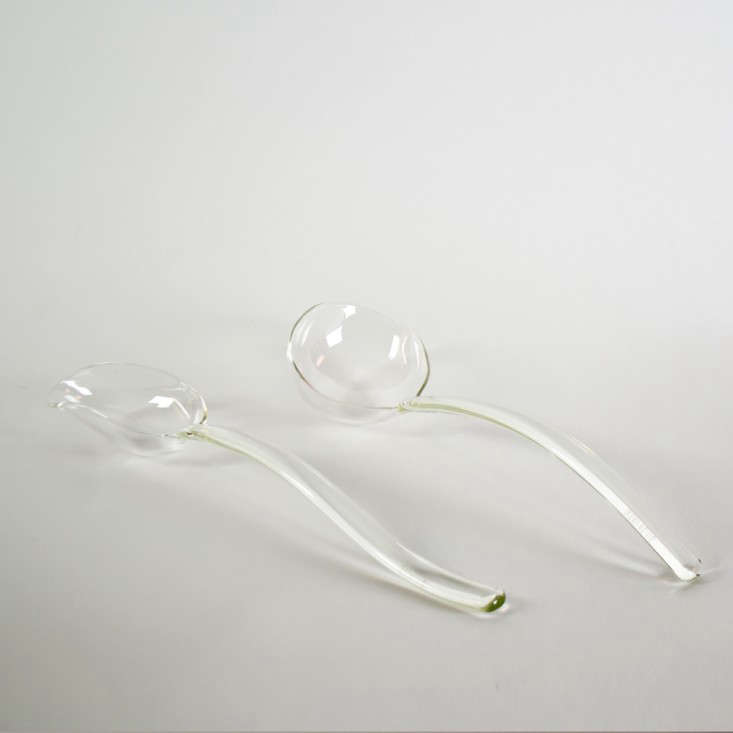
A large glass spoon sounds like the kind of object you find in an art gallery gift shop, bring home on a whim, and then mysteriously end up using every weekend. It is part serving tool, part conversation starter, part “Why does this make my cheese board look fancier?” miracle. While metal and wood still dominate most kitchens, glass spoons have carved out a surprisingly stylish niche in modern entertaining, dessert service, and decorative table settings.
The appeal is easy to understand. Glass looks clean, bright, and elegant. It lets color do the talking, whether you are serving berry compote, layered trifle, fruit salad, olives, or a glossy punch garnish situation that deserves its own applause. And when the spoon is oversized, it becomes more than a utensil. It becomes a design choice.
Still, a large glass spoon is not something you should buy just because it looks pretty on a shelf next to candles and lemons. The material matters. The shape matters. The intended use matters. Some are made for hot and cold foods. Some are best for display. Some are sturdy enough for frequent serving, while others are more “admire me gently and do not bang me against a stone countertop” energy.
If you are curious about what a large glass spoon actually is, what it is good for, how to shop for one, and whether it belongs in a real kitchen or just in a very photogenic one, this guide breaks it all down without the boring lecture vibes. Because yes, a spoon can be dramatic. And in this case, that is part of the fun.
What Is a Large Glass Spoon, Exactly?
The phrase large glass spoon does not point to one single standard product. It usually refers to one of three things: a decorative serving spoon, a glass soup-style spoon with a generous bowl, or an oversized glass serving utensil used for salads, desserts, condiments, or plated presentation. Some glass spoons are compact and delicate. Others are long enough for buffet service and bold enough to steal attention from the actual centerpiece.
That variety is part of the charm. In today’s home and entertaining world, glass utensils show up in more creative forms than many people realize. There are borosilicate glass soup spoons, colorful glass salad servers, elegant stir spoons, and sculptural serving tools that work as both kitchenware and tabletop decor. In other words, the large glass spoon lives somewhere between practical tool and “Wait, where did you get that?” object.
Why People Love the Look of a Large Glass Spoon
It Makes Food the Star
One reason glass serveware remains so appealing is simple: transparency. Clear or tinted glass does not visually compete with the food. Instead, it frames it. That is why glass bowls are so popular for layered desserts and party displays. When you serve with a large glass spoon, the utensil continues that same visual logic. Nothing feels hidden. Fruit looks fresher. Sauces look glossier. A scoop of tiramisu suddenly behaves like it knows it is being photographed.
This is especially useful for dishes where color matters. Think citrus salad, pomegranate punch garnishes, mango salsa, berry compote, pistachio cream, or a layered trifle that deserves a standing ovation. A large glass spoon keeps the presentation light and clean instead of heavy or overly formal.
It Feels Special Without Feeling Fussy
Glass has a way of looking elevated without screaming for attention. A large silver serving spoon can read formal. A wooden spoon can feel rustic. A plastic spoon can feel like the party gave up halfway through planning. A large glass spoon sits in a nice middle ground: elegant, interesting, and just a little artsy.
That balance is exactly why people use glass serveware for dinner parties, dessert bars, coffee setups, brunch tables, and holiday spreads. It works with modern tables, vintage tables, minimalist tables, and “I found all of this while browsing on a sleepy Sunday” tables.
It Is Great for Hosting Moments
Hosting is all about flow. The more intentional your setup, the easier it is for guests to serve themselves and the easier it is for you to avoid running around like a confused cruise director. A large glass spoon works beautifully in self-serve settings, especially when paired with clear bowls, pitchers, and trays. It helps define what each dish is for and makes the whole setup look coordinated without trying too hard.
Material Matters: Not All Glass Spoons Are Created Equal
This is where the smart shopping starts. If you are buying a large glass spoon for real use, the type of glass matters more than the prettiness of the shape.
Borosilicate Glass
Borosilicate glass is the overachiever of the glass world. It is known for handling temperature changes better than conventional glass, which is why it is commonly used in heat-resistant kitchenware, storage containers, and specialty serving pieces. If you want a glass spoon for soups, stews, desserts, chilled dishes, or frequent entertaining, borosilicate is usually the more reassuring material.
It also tends to be associated with modern, design-forward serveware. That makes sense. Borosilicate can be shaped into sleek, colorful utensils that feel delicate but are often tougher than they look. It is the kind of material that quietly says, “Yes, I’m pretty, but I also have standards.”
Soda-Lime Glass
Soda-lime glass is also common in kitchen and tabletop products. It can be perfectly suitable for everyday serving, especially when it comes from reputable brands and is clearly labeled for food use. The catch is that it generally does not handle thermal shock as well as borosilicate. So if a spoon made from soda-lime glass goes from one temperature extreme to another too quickly, it has a higher chance of stress or breakage.
That does not make soda-lime bad. It just means you should use the spoon according to its design. A beautiful soda-lime glass serving spoon can be wonderful for room-temperature dishes, cold desserts, fruit, snacks, and table service. It is not a dare for reckless kitchen experiments.
Is a Large Glass Spoon Food-Safe?
When purchased from reputable sellers and made for food contact, a glass spoon can absolutely be a safe serving utensil. That said, this is not the moment to fall in love with a mysterious flea-market object that looks glamorous but has zero information about its materials, finish, or intended use. Food-contact products should be designed for that purpose.
It is also wise to look for terms like lead-free, food-safe, and dishwasher-safe if those features matter to you. Reputable companies increasingly make clear statements about glass composition and safety, especially because consumers are much more alert to issues like lead, coatings, and imported cookware quality than they used to be. A large glass spoon should feel like an elegant tool, not a chemistry puzzle.
Best Uses for a Large Glass Spoon
Dessert Service
This might be where the large glass spoon shines brightest. Trifles, fruit salads, pudding, sorbet, gelato, mousse, compote, and layered desserts all benefit from the clean look of glass. If the dessert is already in a clear bowl, pairing it with a large glass spoon creates a visually cohesive presentation that feels intentional and polished.
Buffet and Brunch Tables
On a buffet, a large glass spoon works well for cold pasta salad, cut fruit, yogurt toppings, granola, jams, pickled vegetables, cocktail garnishes, or anything else that guests are scooping themselves. It looks especially nice in a setup with glass bowls, labeled platters, and a few easy serving stations.
Salads and Side Dishes
Some glass serving utensils are designed specifically for salad service. If your “large glass spoon” is more of a glass salad server or wide serving spoon, it can be ideal for greens, roasted vegetables, couscous salads, or chilled grain bowls. These pieces often balance utility with color and shape in a way that makes ordinary dishes look upgraded.
Specialty Presentation
For hosts who like a dramatic table, a large glass spoon is excellent for amuse-bouches, caviar service, tasting bites, or plated dessert details. It is not an everyday requirement, of course. No one has ever said, “This peach cobbler was fine, but the lack of sculptural glass flatware ruined me emotionally.” Still, the visual effect is real.
When a Large Glass Spoon Is the Wrong Tool
Glass is beautiful, but it is not invincible. A large glass spoon is usually not the right choice for aggressive stirring, scraping cast-iron pans, high-heat stovetop cooking, or anything involving banging, prying, or dramatic kitchen heroics. If you need leverage, use wood, silicone, or metal. If you need finesse and presentation, the glass spoon steps in wearing a stylish blazer.
You should also avoid sudden temperature swings unless the product is specifically rated for that kind of use. Going from freezer to boiling liquid, or from very hot food to an ice-cold rinse, is the exact sort of move that can stress glass. Even sturdy glassware has limits. And unlike your overconfident cousin at Thanksgiving, it does not need to prove anything.
How to Choose the Right Large Glass Spoon
Check the Size
Large is relative. A spoon that looks oversized online may be closer to dessert-spoon scale in real life. Check the actual measurements. For buffet service, handle length matters. For plated presentation, bowl width matters. For soup-style spoons, depth matters. Think about what you are serving before you buy.
Look at the Glass Type
If the description says borosilicate, that is usually a strong sign for durability and temperature tolerance. If it does not specify the type of glass, dig a little deeper. A reputable seller should be able to tell you what the piece is made from and how it is intended to be used.
Read Care Instructions Carefully
Some glass utensils are dishwasher-safe. Others should be hand-washed, especially handmade or decorative items. If the spoon has a sculptural handle, color detailing, or an especially thin form, hand washing may help preserve its finish and reduce the risk of accidental knocks against other dishes.
Think About Weight and Grip
A large glass spoon should feel balanced in the hand. If it is too heavy, it becomes awkward. If it is too light and thin, it may feel fragile. Good design matters here. A spoon can be stunning and still annoying to use, which is frankly a very common personality type in home decor.
How to Care for a Large Glass Spoon
Glass is easier to keep looking clean than many materials because it does not hold onto food stains and odors the way some plastics can. That said, it still benefits from gentle treatment. Wash it with mild soap, avoid abrasive pads, and store it where it will not clink aggressively against hard cookware. If it is handmade, treat it like the slightly fancy guest at your table: welcome, useful, and not built for chaos.
Inspect the spoon occasionally for chips, hairline cracks, or rough edges. Once a glass utensil is damaged, it is better retired from food service than risked at the next dinner party. A dramatic serving spoon is good. A surprise crunch is not.
Is a Large Glass Spoon Worth Buying?
Yes, if you want a serving piece that combines utility, elegance, and a little personality. A large glass spoon is not a kitchen essential in the same way a chef’s knife or measuring cup is. But it can be one of those small upgrades that makes entertaining feel more thoughtful and everyday meals feel slightly more polished.
It is especially worth considering if you enjoy hosting, love transparent serveware, appreciate modern tabletop design, or just want one object in your kitchen that makes people ask questions in a good way. The best version of a large glass spoon is practical enough to use, beautiful enough to display, and sturdy enough that you are not afraid to bring it out more than twice a year.
In a world full of aggressively average utensils, that is a pretty charming thing.
Experiences Related to Using a Large Glass Spoon
People who use a large glass spoon often describe the experience in a way that is half practical and half emotional. On a practical level, the first thing they notice is visibility. When you scoop fruit salad, layered dessert, chutney, or even a simple bowl of yogurt and berries, the spoon does not visually interrupt the dish. Instead of seeing a big chunk of metal or a blocky plastic utensil, you see the food itself. That sounds small, but it changes the mood of the table. Everything looks lighter, cleaner, and more deliberate.
Another common experience is surprise at how “special” an ordinary serving moment can feel. A weekday dessert becomes a little event. A brunch buffet suddenly looks more styled. Guests who would never comment on a regular spoon somehow notice the glass one immediately. They pick it up, hold it to the light, and say something along the lines of, “Okay, this is actually beautiful.” That reaction is part of the value. A large glass spoon is useful, but it also creates a moment.
There is also the tactile side. Many people expect glass utensils to feel cold, fragile, or awkward. But a well-designed one often feels smoother and more balanced than expected. The weight can feel reassuring, especially with borosilicate pieces that are thin-looking but sturdy. Some users say that serving with glass makes them move a little more carefully, and that slower pace actually improves the experience. You are less likely to rush, fling dressing across the table, or attack the trifle like it insulted your family.
Of course, not every experience is pure elegance and candlelight. Some people quickly learn that a large glass spoon asks for better habits. You do not toss it carelessly into a sink full of pans. You do not wedge it under a frozen block of sorbet like you are trying to break concrete. You remember to store it where it will not get chipped by heavy utensils. In that sense, using one can make you more intentional in the kitchen. It is not high-maintenance, exactly, but it rewards a little respect.
For hosts, the biggest experience tends to be presentation confidence. When a table is set with clear bowls, simple platters, and a striking serving spoon, the whole setup feels more cohesive. Even easy foods like popcorn, citrus slices, olives, or brownie bites look more curated. That matters when you want guests to feel welcomed but not intimidated. A large glass spoon can help a table feel polished without feeling stiff.
Then there is the display factor. Some owners leave a large glass spoon out on open shelving, in a crock beside a coffee bar, or on a tray near other serveware because it doubles as decor. It catches light. It reflects color. It looks interesting even when it is doing absolutely nothing, which, if we are being honest, is a talent many home accessories wish they had.
In the end, the experience of owning a large glass spoon is rarely about necessity. It is about pleasure, detail, and the quiet satisfaction of using something functional that also happens to be beautiful. It turns serving into a small ritual. And for many people, that little upgrade is exactly what makes it memorable.
Conclusion
A large glass spoon is one of those delightfully specific objects that proves good tableware is not just about utility. It is about atmosphere, presentation, and the way small design choices shape the experience of serving and sharing food. When chosen carefully, a glass spoon can be food-safe, visually striking, easy to clean, and genuinely useful for desserts, brunches, buffets, salads, and special presentation moments.
The key is buying the right one for the right purpose. Look for reputable sellers, clear material details, sensible care instructions, and a shape that matches how you actually plan to use it. Do that, and a large glass spoon goes from “randomly specific internet search” to “one of my favorite things in the kitchen” surprisingly fast.













