
Let’s clear the air before your avocado starts acting like a personal trainer: no single food can magically melt body fat while you sit on the couch negotiating with a bag of chips. Fat loss happens when your overall lifestyle supports a calorie deficit, steady energy, better appetite control, and enough protein and fiber to keep you from raiding the pantry like a raccoon with Wi-Fi.
That said, some healthy foods really do make fat loss easier. They help you feel fuller, support muscle maintenance, stabilize blood sugar, reduce cravings, and slightly increase the energy your body uses during digestion. In plain English: they make the “eat better” part of weight management less miserable and more delicious.
This guide covers 11 healthy foods that help you burn fat in a realistic, science-friendly way. Think of them as your kitchen support team: not miracle workers, but very reliable coworkers who show up on time, do their job, and don’t microwave fish in the office.
Can Foods Really Help You Burn Fat?
Yes, but with an important asterisk. “Fat-burning foods” do not burn belly fat like a tiny campfire in your stomach. Instead, they support fat loss through several practical mechanisms: increasing fullness, improving diet quality, helping preserve lean muscle, providing fiber, and making it easier to eat fewer calories without feeling punished.
Protein-rich foods have a higher thermic effect than fats or carbohydrates, meaning your body uses more energy to digest them. Fiber-rich foods slow digestion and help you stay satisfied longer. Whole foods like vegetables, berries, legumes, eggs, fish, yogurt, and oats also deliver nutrients that ultra-processed snacks simply cannot compete with.
The goal is not to chase one magic ingredient. The goal is to build meals that keep you full, energized, and consistent. Consistency is the unglamorous superhero of fat loss. It does not wear a cape, but it does meal prep on Sunday.
11 Healthy Foods That Help You Burn Fat Naturally
1. Eggs
Eggs are small, affordable, protein-packed, and surprisingly powerful for weight management. One large egg provides high-quality protein along with nutrients such as choline, vitamin B12, selenium, and lutein. For many people, eggs at breakfast can help control hunger later in the day.
The magic is not mystical. Protein takes longer to digest and helps trigger satiety hormones. That means a breakfast with eggs may keep you fuller than a sugary pastry that disappears emotionally and metabolically in about 12 minutes.
How to eat them: Try two eggs with sautéed spinach, tomatoes, mushrooms, or peppers. For a lighter option, combine one whole egg with extra egg whites. Skip the “healthy breakfast” trap of pairing eggs with a mountain of bacon and buttered toast every morning.
2. Greek Yogurt
Plain Greek yogurt is a fat-loss-friendly food because it delivers protein, calcium, and a creamy texture that feels more like a treat than a lecture. Compared with regular yogurt, Greek yogurt is typically higher in protein, which helps support fullness and muscle maintenance.
Choose plain, unsweetened Greek yogurt whenever possible. Flavored yogurts can contain enough added sugar to turn your “healthy snack” into dessert wearing a gym outfit.
How to eat it: Add berries, cinnamon, chia seeds, or a small handful of nuts. Use it as a base for smoothies, a sour cream substitute, or a high-protein dip with herbs and lemon juice.
3. Salmon and Sardines
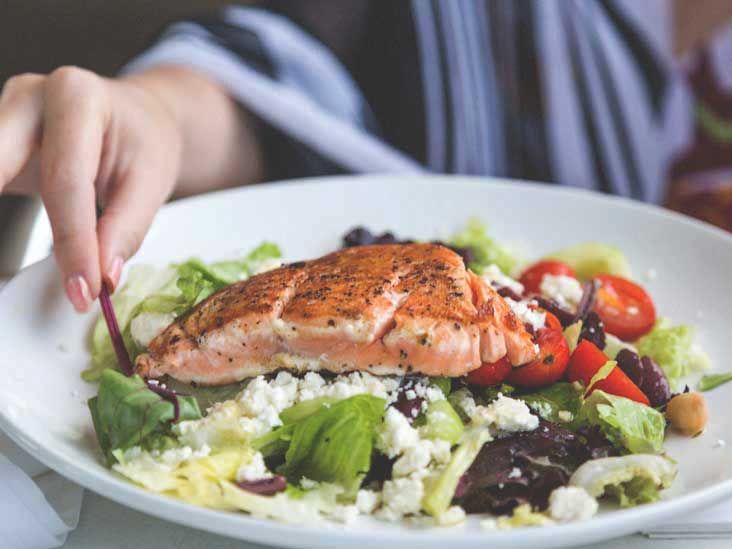
Fatty fish such as salmon, sardines, trout, and mackerel are excellent choices for anyone trying to improve body composition. They provide high-quality protein and omega-3 fatty acids, which support heart health and may help reduce inflammation. Protein also helps preserve lean muscle during weight loss, which matters because muscle tissue is metabolically active.
Salmon is popular, but sardines deserve more respect. They are budget-friendly, shelf-stable, rich in omega-3s, and require no cooking. Yes, they have a strong personality. So do successful people.
How to eat them: Grill or bake salmon with lemon, garlic, and herbs. Add sardines to whole-grain toast, salads, or grain bowls. Aim for non-fried fish most often.
4. Chicken Breast and Lean Turkey
Lean poultry is a classic fat-loss food for a reason. Skinless chicken breast and lean turkey provide plenty of protein without a large amount of saturated fat. They are versatile, easy to batch cook, and willing to appear in almost any meal without causing drama.
The main benefit is satiety. When your meals include enough lean protein, you are less likely to snack constantly or feel like dinner vanished into another dimension.
How to eat it: Use grilled chicken in salads, lettuce wraps, soups, tacos, or stir-fries. Choose roasted, baked, grilled, or air-fried preparations instead of deep-fried versions. A crispy chicken sandwich is delicious, but it is not the same nutritional character as grilled chicken.
5. Beans and Lentils
Beans and lentils are one of the best combinations of protein, fiber, complex carbohydrates, and minerals. They help you feel full, support gut health, and provide slow-digesting energy. Black beans, chickpeas, kidney beans, split peas, and lentils are all excellent options.
Fiber is especially important for fat loss because it adds volume to meals and slows digestion. That means you can eat a satisfying portion without blowing through your calorie budget like it owes you money.
How to eat them: Add lentils to soups, use black beans in burrito bowls, toss chickpeas into salads, or mash white beans into a creamy spread. If beans make your stomach play jazz, start with small portions and rinse canned beans well.
6. Oats
Oats are a smart carbohydrate choice because they contain soluble fiber, especially beta-glucan, which helps slow digestion and supports fullness. Unlike sugary cereals that leave you hungry before your inbox finishes loading, oats provide steady energy.
The key is choosing the right toppings. Oats can be a fat-loss breakfast or a dessert bowl pretending to be breakfast. The difference is usually the amount of brown sugar, syrup, chocolate chips, and “just a little” peanut butter that somehow becomes half the jar.
How to eat them: Make oatmeal with cinnamon, berries, chia seeds, and Greek yogurt. Try overnight oats with unsweetened milk, vanilla, and sliced apples. For a savory twist, top oats with an egg and sautéed greens.
7. Leafy Greens
Spinach, kale, romaine, Swiss chard, arugula, and collard greens are low in calories and high in volume. They help fill your plate while adding vitamins, minerals, antioxidants, and fiber. In fat-loss terms, leafy greens are like edible real estate: they take up space in the best possible way.
Because they are so low in calories, leafy greens allow you to build bigger meals without making those meals overly energy-dense. This can make dieting feel less like punishment and more like abundance with dressing on the side.
How to eat them: Add spinach to eggs, blend greens into smoothies, use romaine as a crunchy taco base, or build a large salad with protein, beans, and a measured amount of healthy fat.
8. Broccoli and Other Cruciferous Vegetables
Broccoli, cauliflower, Brussels sprouts, cabbage, and bok choy are high-fiber vegetables that support fullness and overall health. They are rich in plant compounds, vitamins, and minerals, and they add satisfying bulk to meals.
Cruciferous vegetables are especially useful because they can replace higher-calorie sides. A big serving of roasted broccoli beside chicken and potatoes can make a meal feel complete without requiring a heroic amount of willpower later.
How to eat them: Roast broccoli with olive oil spray, garlic, pepper, and a squeeze of lemon. Add cauliflower rice to stir-fries, shred cabbage into slaws, or roast Brussels sprouts until crispy. Avoid drowning them in cheese sauce unless your goal is to hide the vegetable from both children and your metabolism.
9. Berries
Berries are naturally sweet, colorful, fiber-rich, and lower in calories than many desserts. Strawberries, blueberries, raspberries, and blackberries can help satisfy a sweet tooth while also providing antioxidants and water.
For fat loss, berries are useful because they deliver flavor and volume. A bowl of berries with Greek yogurt feels indulgent but can fit easily into a balanced eating plan. Compare that with a giant bakery muffin, which may contain more calories than an entire breakfast should have. The muffin knows what it did.
How to eat them: Add berries to yogurt, oatmeal, smoothies, cottage cheese, or salads. Keep frozen berries on hand for quick snacks and sauces.
10. Avocado
Avocado is rich in monounsaturated fats, fiber, potassium, and a creamy texture that makes meals more satisfying. Although avocado is calorie-dense, it can still support fat loss when portions are reasonable. Healthy fats help meals feel complete and may reduce the urge to snack soon afterward.
The trick is portion control. One avocado is not a serving just because it comes in one convenient green package. For many meals, one-quarter to one-half of an avocado is enough.
How to eat it: Add sliced avocado to eggs, salads, grain bowls, tacos, or whole-grain toast. Mash it with lime, cilantro, and chili flakes for a simple spread.
11. Chili Peppers
Chili peppers contain capsaicin, the compound that gives them heat. Capsaicin may slightly increase energy expenditure and can make meals more satisfying by adding bold flavor without relying on heavy sauces. The effect is modest, but flavor matters. If healthy food tastes exciting, you are more likely to stick with it.
Spicy food is not required for fat loss, and more heat is not always better. Your metabolism does not need you to fight a jalapeño in public. But if you enjoy spice, chili peppers can be a fun way to boost flavor and reduce the need for sugary or creamy condiments.
How to eat them: Add fresh jalapeños to eggs, chili flakes to roasted vegetables, hot sauce to bean bowls, or cayenne to soups. Pair spicy meals with lean protein and fiber-rich vegetables for best results.
Bonus Fat-Loss Helpers: Green Tea and Coffee
Green tea and coffee are not exactly “foods,” but they deserve a quick mention because they are often linked to metabolism. Green tea contains catechins and caffeine, while coffee provides caffeine. These compounds may slightly increase energy expenditure in some people, but the effect is small. Translation: green tea can help, but it will not cancel a cinnamon roll the size of a steering wheel.
Use these drinks wisely. Choose unsweetened tea or black coffee, or keep added sugar and cream modest. A coffee drink with whipped cream, syrup, and caramel drizzle is less “metabolism booster” and more “dessert with a commute.”
How to Build a Fat-Burning Plate
The best way to use these healthy foods is not to eat them randomly. Build balanced meals that combine protein, fiber-rich carbohydrates, vegetables, and healthy fats.
A Simple Plate Formula
Start with a palm-sized portion of protein such as eggs, Greek yogurt, fish, chicken, turkey, tofu, beans, or lentils. Add a generous amount of non-starchy vegetables like leafy greens, broccoli, cabbage, peppers, or cauliflower. Include a smart carbohydrate such as oats, fruit, beans, lentils, brown rice, or quinoa. Finish with a small portion of healthy fat such as avocado, nuts, seeds, or olive oil.
This formula works because it attacks hunger from multiple angles. Protein supports muscle and fullness. Fiber slows digestion. Vegetables add volume. Healthy fats improve satisfaction. Together, they help you eat in a way that feels sustainable instead of dramatic.
Common Mistakes That Stop Fat Loss
Eating Healthy Foods in Huge Portions
Nuts, avocado, olive oil, salmon, and yogurt are healthy, but calories still count. A food can be nutritious and easy to overeat. That does not make it bad; it just means your spoon should not be operating without supervision.
Forgetting About Drinks
Sugary drinks, fancy coffees, juices, and alcohol can quietly add hundreds of calories. If fat loss has stalled, check your beverages before blaming your metabolism, your genetics, or Mercury being in retrograde.
Not Eating Enough Protein
Meals that lack protein often lead to hunger soon afterward. Include a protein source at breakfast, lunch, and dinner to support fullness and muscle maintenance.
Turning Vegetables Into Calorie Bombs
Vegetables are excellent, but preparation matters. Deep-fried cauliflower and broccoli under a blanket of cheese sauce are delicious, but they are not quite the same as roasted or steamed vegetables.
Sample One-Day Meal Plan Using Fat-Burning Foods
Breakfast
Scrambled eggs with spinach and peppers, plus a bowl of oats topped with blueberries and cinnamon.
Lunch
Grilled chicken salad with romaine, broccoli, chickpeas, avocado, and a lemon vinaigrette.
Snack
Plain Greek yogurt with raspberries and chia seeds.
Dinner
Baked salmon with roasted Brussels sprouts and lentils, finished with chili flakes and lemon.
Drink Options
Water, unsweetened green tea, or coffee with minimal added sugar.
Real-Life Experiences: What It Actually Feels Like to Eat These Foods Consistently
Here is the honest experience many people have when they start eating more fat-loss-friendly foods: the first few days feel almost too simple. There is no dramatic detox, no magical belly shrink overnight, and no choir of fitness angels singing over the refrigerator. Instead, the biggest change is usually hunger. Meals with eggs, Greek yogurt, fish, beans, oats, vegetables, and berries tend to keep you satisfied longer. That alone can feel like a breakthrough if you are used to snacking every hour.
One of the most practical lessons is that breakfast sets the tone. A high-sugar breakfast may taste exciting at 8 a.m., but by 10:30 a.m. it can leave you negotiating with a vending machine. A breakfast built around eggs, Greek yogurt, or oats tends to produce a steadier morning. You may still want coffee, of course, because civilization depends on it, but you are less likely to need a pastry sidekick.
Another real-world experience is that fiber needs patience. When someone jumps from low-fiber meals to beans, lentils, broccoli, berries, and oats all in one day, the digestive system may file a formal complaint. The better approach is gradual. Add one fiber-rich food at a time, drink more water, and let your gut adjust. Within a couple of weeks, many people notice better fullness, more regular digestion, and fewer cravings.
Meal prep also becomes easier than expected. A container of cooked chicken, a pot of lentils, washed greens, boiled eggs, and frozen berries can rescue a busy week. When healthy food is ready, you make better choices with less heroic effort. Fat loss is rarely about having perfect motivation. It is about designing your kitchen so the easiest option is also the smarter option.
There is also an emotional benefit. Eating these foods does not feel like “diet food” when they are seasoned well. Chili flakes, lemon juice, garlic, herbs, salsa, mustard, vinegar, and spices can turn basic meals into something you actually look forward to. A salmon bowl with avocado, greens, lentils, and hot sauce feels satisfying. Greek yogurt with berries and cinnamon feels like dessert. Roasted broccoli with garlic and pepper can disappear from the tray before it reaches the plate.
The most important experience is sustainability. People often fail at fat loss because they try to live on tiny portions, bland meals, and unrealistic rules. These 11 foods work because they fit normal life. You can eat them at home, pack them for work, order similar options at restaurants, and mix them into familiar meals. The result is not a crash diet. It is a better default setting.
Conclusion
The best healthy foods that help you burn fat are not exotic powders, suspicious teas, or anything sold by someone yelling on the internet. They are simple, nutrient-rich foods that support fullness, energy, muscle maintenance, and better appetite control.
Eggs, Greek yogurt, salmon, lean poultry, beans, lentils, oats, leafy greens, broccoli, berries, avocado, and chili peppers can all play a role in a smart fat-loss plan. Add green tea or coffee if you enjoy them, but remember that the real results come from your overall eating pattern.
Fat loss does not require suffering. It requires repeatable meals, enough protein, plenty of fiber, reasonable portions, and flavors that make you want to keep going. Build your plate well, stay consistent, and let these foods do what they do best: make healthy eating easier, tastier, and much less dramatic.














