Fall in the garden is not a finale. It is the season’s smartest plot twist. Just when summer’s tomatoes start acting dramatic and the lawn looks like it has personally given up, autumn arrives with cooler air, golden light, and a surprisingly long to-do list. The good news? The new fall garden forecast is less about frantic cleanup and more about thoughtful design: gravel paths, resilient plants, glowing solar lights, spring bulbs tucked underground like tiny promises, and leaves left where they can do actual good.
Inspired by Gardenista’s enduring eye for stylish outdoor living, this fall forecast blends design trends with practical gardening wisdom. Think considered hardscaping, climate-smart planting, compact outdoor rooms, edible beauty, native plants, and containers that keep the patio from looking like it checked out in September. It is elegant, a little earthy, and very forgivingbasically the garden equivalent of a great wool sweater.
Why Fall Is the Garden’s Most Underrated Design Season
Spring gets all the applause, but fall does much of the behind-the-scenes work. Soil is still warm, rainfall often becomes more reliable, weeds slow down, and plants can focus on root growth instead of surviving blistering heat. That makes autumn an ideal time to plant trees, shrubs, perennials, garlic, cool-season vegetables, and spring-flowering bulbs.
For homeowners, fall is also a design-review season. The garden tells the truth in October. You can see which plants collapsed, which shrubs earned their rent, where water pooled, where the patio felt too exposed, and which corner desperately needs structure. A summer garden can distract you with flowers; a fall garden hands you a clipboard.
The Big Fall Forecast: What Is Trending Now
The modern fall garden is not built around one perfect trend. It is layered. It mixes beauty with resilience, style with ecology, and outdoor entertaining with low-maintenance sanity. Gardenista’s past fall-focused ideasgravel gardens, solar lighting, concrete planters, terrariums, herb displays, reclaimed materials, and sculptural branchesstill feel fresh because they are practical as well as beautiful.
1. Gravel Gardens Are Having a Very Good Season
Gravel gardens have moved far beyond the “I gave up on grass” look. Done well, they are sophisticated, water-wise, and wonderfully low drama. Gravel creates clean visual structure, improves drainage, reduces muddy walkways, and pairs beautifully with Mediterranean herbs, ornamental grasses, lavender, sedum, yarrow, thyme, agave, and native perennials suited to your region.
The trick is not to dump gravel over landscape fabric and call it a personality. A successful gravel garden starts with soil preparation, smart edging, and plants that thrive in lean, well-drained conditions. Use gravel as a design language: around stepping stones, beneath benches, beside raised beds, or in a courtyard where lawn struggles. The result feels intentional, not abandoned.
2. Native Plants Are Moving From “Nice Idea” to Main Character
Native plants continue to shape American garden design because they support local ecosystems while often requiring less fuss once established. In fall, they become especially valuable. Native asters and goldenrods feed late-season pollinators. Seed heads from coneflower, black-eyed Susan, and grasses offer food and shelter. Oak, willow, serviceberry, spicebush, elderberry, milkweed, and regional native grasses can turn a decorative landscape into a functioning habitat.
The most stylish gardens now look alive in every sense. They buzz, rustle, seed, fade, and return. Instead of cutting everything flat at the first hint of cold, gardeners are learning to leave stems, seed heads, and leaf litter in selected areas. It is not messy; it is habitat with better public relations.
3. “Leave the Leaves” Becomes Design-Savvy
The old fall ritual involved raking every leaf into plastic bags and sending nature’s free mulch away like an unwanted houseguest. Today’s more ecological approach is selective. Leaves can be moved off lawns, sidewalks, drains, and patios, then placed in garden beds, under shrubs, around trees, or in compost and leaf mold piles.
A thin layer of leaves protects soil, moderates temperature, feeds microbes, and gives overwintering insects a place to survive. The key is placement. Do not let thick mats smother turf or block light from low-growing plants. Rake leaves into beds in a tidy, deliberate way. Suddenly, “less cleanup” looks like advanced garden management. Convenient? Yes. Lazy? Only if you say it while holding a latte and refusing to move.
4. Solar Lighting Gets Warmer, Smarter, and More Subtle
Solar garden lighting has improved dramatically from the old runway-strip stakes that made yards look like tiny airports. The fall forecast favors low-glare, warm-toned, well-placed lighting that extends the evening without overwhelming the night. Use solar lanterns near seating areas, small path lights along gravel walks, and shielded fixtures to reduce glare and protect nocturnal wildlife.
Good outdoor lighting should not shout. It should guide. A warm glow on a bench, a soft highlight on ornamental grasses, or a lantern near a container of pansies can make a small garden feel finished. Bonus: in fall, when sunset arrives earlier than anyone emotionally approves of, lighting makes the garden usable after work.
5. Spring Bulbs Are the Best Fall Investment
Planting bulbs in fall is an act of optimism with dirt under its fingernails. Tulips, daffodils, crocuses, alliums, hyacinths, snowdrops, irises, and lilies need a cold period to bloom well in spring. That means autumn is the time to shop, plan, and plant.
For a natural look, plant bulbs in clusters rather than lonely single-file rows. Layer smaller early bulbs with taller later bloomers to extend the show. Daffodils are especially useful because many animals avoid them, while alliums add architectural drama after tulips have taken their bow. In containers, try a “bulb lasagna” approach: large bulbs deeper, smaller bulbs higher, and winter annuals on top. It sounds like dinner, but please do not serve it with garlic bread.
6. Cool-Season Edibles Are Back on the Table
Fall vegetable gardening is one of the season’s most satisfying trends. Greens, herbs, brassicas, and root crops often prefer cooler temperatures. Kale, collards, mustard greens, Swiss chard, spinach, lettuce, radishes, turnips, carrots, beets, broccoli, cabbage, cilantro, parsley, and garlic can all play a role depending on your region and frost dates.
In mild climates, fall and winter edible gardens can be lush and productive. In colder regions, row covers, cold frames, low tunnels, and mulch can extend the harvest. The design opportunity is huge: mix purple kale with pansies, tuck parsley into containers, edge a raised bed with lettuces, or let Swiss chard bring stained-glass color to the kitchen garden.
7. Rain Gardens and Water-Wise Design Are No Longer Optional
Climate-aware gardening is shaping the fall forecast in every region. Some areas face heavy downpours; others face drought, heat, or wildfire risk. The best gardens now manage water rather than simply decorate around it. Rain gardens, permeable paving, gravel paths, swales, rain barrels, deep-rooted plants, and better soil structure can reduce runoff and make landscapes more resilient.
A rain garden is especially useful where water flows from a roof, driveway, or slope. Planted with grasses, flowering perennials, and moisture-tolerant natives, it can absorb stormwater while supporting butterflies, birds, and beneficial insects. In drier areas, the same design mindset leads to drought-tolerant planting, mulch, drip irrigation, and reduced lawn.
8. Containers Go From Summer Leftovers to Fall Statements
Fall containers are an easy design win. Start with structure: dwarf evergreens, boxwood, small grasses, heuchera, rosemary, sedge, or compact shrubs. Add seasonal color with pansies, violas, ornamental kale, mums, asters, calendula, snapdragons, and trailing ivy. Then include texture: seed pods, branches, dried hydrangeas, pinecones, or even a sculptural stone.
The secret is restraint. A pot does not need to contain every plant in the garden center. Choose a color paletteburgundy and bronze, cream and green, plum and silver, or orange and deep purpleand repeat it. Containers near the front door, patio, or balcony can shift the entire mood of a home faster than painting a fence and with far fewer regrets.
Gardenista-Inspired Style: Natural, Practical, and a Little Unexpected
The Gardenista look has always leaned toward the considered rather than the overdecorated. It is not about chasing novelty for novelty’s sake. It is about materials, proportion, plant texture, and useful beauty. The fall forecast reflects that sensibility: gravel instead of thirsty lawn, reclaimed wood instead of disposable furniture, branches instead of fussy bouquets, solar lights instead of overpowered glare, and planters that look good even when the flowers are between performances.
One reason these ideas continue to trend is that they work in different settings. A city balcony can use a trough of herbs, a tabletop grow light, and a pot of ornamental kale. A suburban yard can convert a struggling side strip into a gravel garden. A country property can leave meadow edges standing for wildlife. The scale changes, but the principles remain the same.
How to Build Your Own Fall Forecast at Home
Step 1: Walk the Garden Like a Designer
Before buying anything, take a slow walk through your outdoor space. Photograph beds, paths, containers, problem areas, and favorite views. Note where plants thrived, where they sulked, and where bare soil appeared. Pay attention to water movement after rain. If a spot is always soggy, it may want a rain garden. If a slope bakes in afternoon sun, it may want gravel, drought-tolerant perennials, or native grasses.
Step 2: Edit Before You Add
Fall is a good time to remove diseased annuals, pull weeds before they set seed, clean up vegetable crops that attracted pests, and cut back plants with serious disease issues. But do not clear everything. Leave healthy seed heads for birds, hollow stems for beneficial insects, and ornamental grasses for winter structure. A selective edit creates a garden that is both clean and alive.
Step 3: Plant for Roots, Not Instant Applause
Fall planting rewards patience. Trees, shrubs, perennials, and bulbs may not look dramatic immediately, but they spend the season settling in. Water newly planted material deeply until the ground freezes in colder zones or until winter rains take over in milder areas. Add mulch, but keep it away from trunks and crowns. Mulch is a blanket, not a volcano.
Step 4: Add One Design Upgrade
Choose one improvement that will make the garden feel more intentional. Install a gravel seating pad. Replace a tired plastic pot with a concrete or terracotta planter. Add solar lanterns to the path. Plant a small tree. Start a leaf mold pile. Build a compact herb trough near the kitchen. The best fall upgrades do not have to be expensive; they simply need to be visible, useful, and repeatable.
Specific Fall Garden Ideas Worth Trying
Create a Gravel Herb Corner
In a sunny spot, edge a small area with steel, brick, or stone, then add gravel and Mediterranean herbs such as thyme, sage, rosemary, oregano, and lavender. Add a bench or a simple chair if space allows. The area will smell wonderful, drain well, and look good even when flowers are not doing cartwheels.
Plant a Pollinator Border for Late-Season Food
Use native asters, goldenrod, coneflower, mountain mint, bee balm, milkweed, sedum, and little bluestem or switchgrass. Choose species suited to your region. The border will support pollinators in fall and provide seed, shelter, and movement in winter.
Build a Front-Door Fall Container
Start with one evergreen or grass, add pansies or violas, then tuck in heuchera, ornamental cabbage, trailing ivy, and a few branches. Keep the palette tight. Water consistently because containers dry out even in cool weather.
Make Leaves Work Like Mulch
Move leaves from lawn and pavement into beds. Keep the layer light enough that crowns and low plants are not buried. Create a separate leaf mold pile for extras. By next season, those leaves will begin turning into crumbly organic matter that improves soil structure.
Plant Bulbs in Drifts
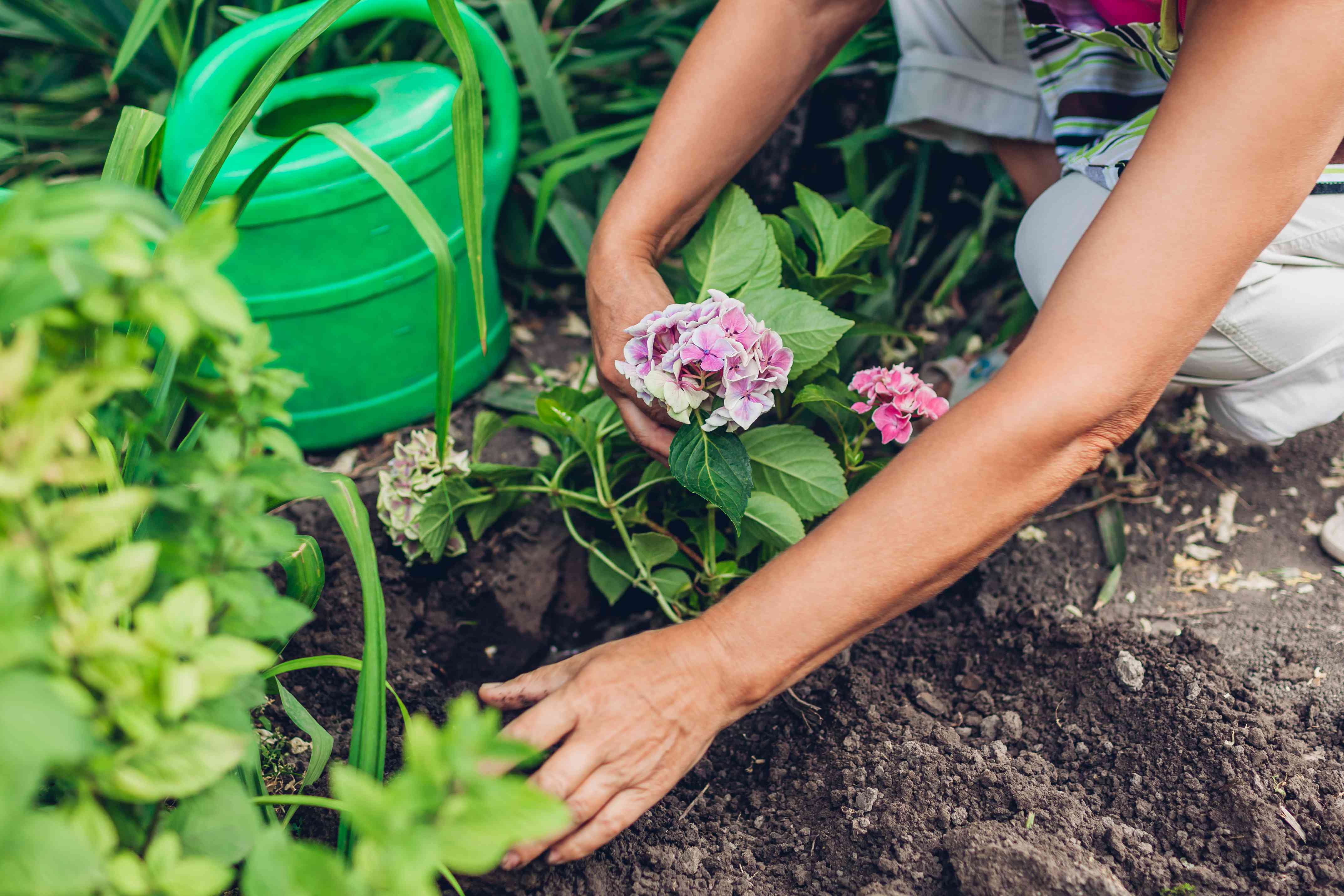
Plant daffodils, crocuses, alliums, and species tulips in loose groups. Avoid stiff rows unless you are intentionally designing a formal border. A drift looks natural, photographs beautifully, and makes spring feel like it arrived with choreography.
Experience Section: A Fall Forecast Weekend in the Garden
The best way to understand the fall forecast is to spend one weekend actually doing it. Start on a Saturday morning with coffee, gloves, and the noble belief that you will not buy more plants than planned. This belief will last approximately 18 minutes at the garden center, but optimism is part of gardening.
Begin by walking the yard slowly. In one real-life fall refresh, the biggest problem area was a narrow side yard where grass never grew well. It was too shady in spring, too dry in summer, and too muddy after rain. Instead of reseeding it for the fifth time and pretending the result would be different, the space became a gravel path with stepping stones, ferns, sedges, and a few shade-tolerant native perennials. The transformation was immediate. What once looked like a maintenance failure suddenly looked designed.
Next came the containers. Summer annuals had stretched, browned, and developed the exhausted attitude of tourists after a theme-park day. The tired plants were composted, while the pots were refreshed with ornamental kale, pansies, heuchera, dwarf conifers, and cut branches. A large container near the door received a simple color scheme of deep purple, silvery green, and creamy white. It looked polished without screaming “pumpkin festival,” which is a delicate but important line.
The vegetable bed also received attention. Tomato vines were removed, but the soil was not left bare. Compost was added, garlic cloves were planted, and a row of spinach went under a lightweight cover. In another bed, kale and parsley were tucked between calendula and pansies. The result looked ornamental but remained useful. There is something deeply satisfying about a garden that can decorate your dinner.
Sunday was for bulbs and leaves. Daffodils were planted in groups beneath a small tree, where their spring foliage could fade behind emerging perennials. Crocuses went near the path for early color. Alliums were added to the sunny border because every garden deserves at least one plant that looks like it was designed by an optimistic architect.
Then came the leaf decision. Instead of bagging everything, leaves were raked off the lawn and into shrub beds. A thin layer was spread under trees, while extra leaves went into a wire bin to become leaf mold. The garden looked tidy, but not sterile. Birds still had places to forage. Insects still had shelter. The soil had a winter coat. The gardener had fewer bags to drag to the curb. Everyone won, except perhaps the rake, which was hoping for more drama.
The final touch was lighting. A few warm solar lanterns were placed along the new gravel path and near the seating area. At dusk, the whole space changed. The garden no longer felt like a place waiting for spring. It felt like a room you could use now, with texture, shadow, scent, and quiet. That is the heart of the fall forecast: not closing the garden, but changing how you live in it.
Conclusion: The Fall Garden Is a Forecast for Better Living
“Trending on Gardenista: The Fall Forecast” is more than a seasonal style report. It is a reminder that autumn is one of the most useful, beautiful, and strategic times in the garden. This is the season to plant roots, improve soil, manage leaves wisely, add structure, rethink water, refresh containers, and prepare for spring before winter has even entered the chat.
The strongest fall trends are not disposable. Gravel gardens, native plants, rain gardens, solar lighting, spring bulbs, cool-season edibles, reclaimed materials, and wildlife-friendly cleanup all point in the same direction: gardens that are more resilient, more personal, and easier to love. Fall does not ask the garden to be perfect. It asks it to be thoughtful. And honestly, that is a forecast worth following.
Note: This article is original editorial content synthesized from real U.S. gardening, landscape design, public horticulture, environmental, and university extension guidance, with Gardenista-inspired design themes adapted into fresh language for web publication.