
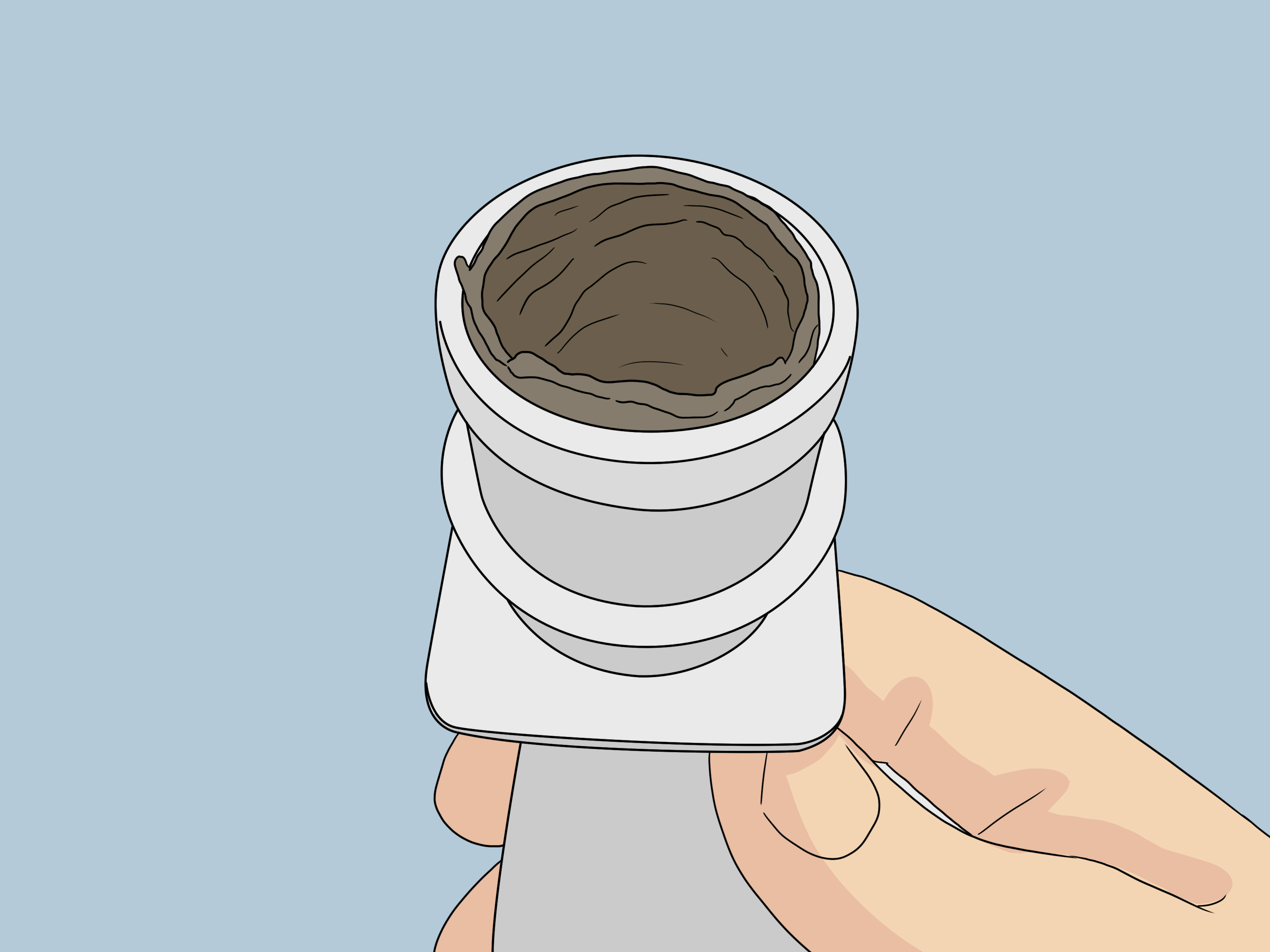
Figuring out how much laundry soap a front load washer should use sounds like it should be easy. Pour in some soap, push a button, enjoy the scent of “mountain breeze,” and move on with life. Unfortunately, laundry has a way of humbling people. Too little detergent can leave clothes dingy and funky. Too much can turn your washer into a foam-themed science project with bonus residue, odors, and mystery streaks on your favorite shirt.
The good news is that front load washers are actually pretty predictable once you understand how they work. They use less water than traditional top-load machines, which means they need the right type of detergent and a more precise amount. In other words, a front load washer is not asking for drama. It is asking for accuracy.
In this guide, you will learn how to determine the right amount of laundry soap for a front load washer, what factors change the dose, which mistakes cause oversudsing, and how to adjust for load size, soil level, and water hardness without turning laundry day into guesswork.
Why Front Load Washers Need Less Laundry Soap
A front load washer is a high-efficiency machine. That “high-efficiency” part matters more than the marketing department would like you to think. Because these washers use less water, they need HE detergent, which is designed to create fewer suds and rinse more cleanly in low-water conditions.
That is why the amount of laundry soap for a front load washer is usually smaller than people expect. Many homeowners still dose detergent as if they are washing in an older, deep-fill top loader from the era when everything sounded like a tractor and used enough water to irrigate a small garden. A front load machine is different. More soap does not equal cleaner clothes. Often, it means leftover detergent, trapped soil, longer rinse times, and a washer that starts to smell like a damp basement wearing perfume.
If you want one golden rule, it is this: start with less than your instincts tell you, then adjust based on results.
The Biggest Factors That Determine How Much Laundry Soap to Use
There is no single magic number that works for every household. The right detergent amount depends on a few practical variables.
1. The Type of Detergent
Liquid detergent, powder detergent, pods, and detergent sheets are all measured differently. A super-concentrated liquid formula may require a much smaller dose than an older formula in a jumbo bottle. Pods are pre-measured, while powders often need careful scooping. This is why the product label matters. A cap filled to the brim is not a universal unit of laundry wisdom.
2. The Size of the Load
A small load of lightly worn T-shirts does not need the same detergent amount as a giant pile of gym clothes, towels, and the hoodie someone wore through three emotional support snacks. Larger loads carry more body oils, dirt, and odor, so they may need more detergent. But even then, “more” should still mean measured, not free-poured like pancake syrup.
3. How Dirty the Clothes Are
Soil level matters. Lightly worn office clothes need less detergent than muddy kids’ socks, greasy work uniforms, or towels that have been quietly collecting body oils for weeks. Heavily soiled laundry may require a modest increase in detergent, but it can also benefit from pretreating stains, using the right cycle, and avoiding overload.
4. Water Hardness
Hard water contains minerals that can reduce detergent performance. If your water is hard, you may need a bit more detergent than the label’s baseline recommendation. If you have soft water, you may need less. This is one of the biggest reasons two people can use the same detergent in two different homes and get very different results.
5. Your Washer Model
Some front load washers have automatic dispensers or smart dosing systems that calculate detergent use for you. Others rely on manual measuring. Your owner’s manual can offer useful guidance, especially if the machine has a dispenser drawer, concentrated detergent settings, or specific notes for pods and powder.
A Simple Way to Figure Out the Right Amount
Here is the practical method most people can use.
Step 1: Confirm You Are Using HE Detergent
If your washer is a front loader, use detergent labeled HE. That label matters because HE detergent is made for low-water washing and controlled sudsing. Regular detergent can create too many bubbles, which interfere with cleaning and rinsing.
Step 2: Read the Detergent Label, Not Your Heart
Start with the manufacturer’s recommended amount for a normal load. Do not assume the cap should be filled. In many cases, the correct fill line is much lower than people expect. Concentrated detergents especially love tiny doses and big attitudes.
Step 3: Use the Smallest Effective Dose
For a normal load in a front load washer, many households can clean successfully with a modest amount of HE detergent rather than a full cap. If your clothes come out clean, smell fresh, and do not have visible residue, you are probably in the right range. If you see leftover suds, slimy buildup, or a waxy feel on fabrics, you are likely using too much.
Step 4: Adjust for Real-World Conditions
- Add a little more for larger loads, heavy soil, or hard water.
- Use a little less for soft water, small loads, or lightly worn clothing.
- Use one pod for a regular load unless the product directions say otherwise.
- Do not stack detergent types unless the product instructions clearly support it.
Signs You Are Using Too Much Laundry Soap
Most people worry about underdosing, but overdosing is often the bigger problem in front load washers. Watch for these clues:
- Clothes feel stiff, waxy, or strangely coated
- White streaks, blue spots, or residue appear after washing
- The washer smells musty even though you “clean it all the time”
- You see extra suds during the cycle
- The rinse cycle seems less effective
- The detergent drawer gets gunky fast
- Towels lose absorbency
Too much detergent can also trap soils instead of removing them fully. That sounds rude, but laundry is honest like that.
Signs You Are Using Too Little Laundry Soap
Yes, using too little detergent can also be a problem. Clothes may come out looking clean enough but still carry oils, odors, or dullness. Here are some clues that you may be underdosing:
- Workout clothes still smell funky after washing
- White fabrics look gray over time
- Stains seem to set rather than lift
- Sheets or towels never feel truly fresh
- Body oils build up on collars, pillowcases, or undershirts
If that sounds familiar, increase the detergent slightly, especially if your water is hard or the load is heavily soiled.
How Load Size Changes Detergent Amount
Load size is one of the easiest things to misjudge. A front load washer should be filled loosely, not packed tight. Clothes need room to tumble. If the drum is stuffed, detergent may not dissolve well, and rinse performance drops.
As a general approach:
- Small load: use the lower end of the detergent recommendation
- Medium or normal load: use the standard label dose
- Large load: increase carefully, not dramatically
- Bulky items: focus on cycle selection and drum space, not just more soap
If your washer is packed full of jeans, towels, or bedding, the answer is not always “pour more detergent.” Often, the smarter move is washing fewer items at once.
How Water Hardness Affects Laundry Soap Amount
Water hardness deserves more respect than it gets. Hard water minerals can make detergent less effective, which means the same dose may clean beautifully in one home and struggle in another.
If you live in a hard water area, you may notice:
- Soap not rinsing as cleanly
- Fabrics feeling rough
- Dingy whites or mineral buildup
- More need for detergent or boosters
If you are not sure about your water hardness, check your local water report or use an inexpensive test strip. That little detail can explain a lot of laundry mysteries and save you from blaming your washer, your detergent, or innocent socks.
Liquid vs. Powder vs. Pods in a Front Load Washer
Liquid Detergent
Liquid detergent is popular because it is easy to measure and works well for everyday soils and greasy stains. The catch is that people often overpour it. Always use the measuring cap and fill only to the correct line.
Powder Detergent
Powder detergent can work very well, especially for certain soils, but it should be measured with the scoop provided. It also matters whether your dispenser is set up correctly for powder. Some front load drawers require removing the liquid insert before adding powder.
Pods
Pods are convenient because they are pre-measured. For most regular loads, one pod is enough. They should usually go directly into the drum before the laundry, not into the dispenser drawer. That simple step matters more than people think.
Where to Put Laundry Soap in a Front Load Washer
Most front load washers use a detergent dispenser drawer. Liquid detergent usually goes into the main wash compartment, often with a liquid insert in place. Powder may require removing that insert. Pods usually go directly in the drum before clothes are added.
This is one of those tiny details that can cause big problems. If detergent is placed in the wrong compartment or the drawer setup does not match the detergent type, you may get poor dispensing, residue, or inconsistent cleaning.
Best Practices for Cleaner Clothes and Less Buildup
- Measure detergent every time instead of eyeballing it
- Use HE detergent only
- Do not exceed the dispenser’s max fill line
- Clean the detergent drawer regularly
- Leave the washer door open after loads so moisture can dry out
- Run washer-cleaning cycles as recommended
- Use an extra rinse when you notice residue or sensitive skin issues
- Avoid overloading the drum
Front load washers reward consistency. They are not complicated, but they are very committed to exposing bad habits.
The Smartest Rule of All: Let Results Guide You
If your clothes come out clean, your washer does not smell, and you are not seeing residue or excess suds, your detergent amount is probably right. If not, make one small adjustment at a time. Laundry responds better to tiny course corrections than dramatic soap speeches.
The goal is not to use the most detergent. The goal is to use the right amount of laundry soap for your front load washer. That sweet spot saves money, protects fabrics, keeps the machine cleaner, and gives you better results load after load.
Experience-Based Tips: What People Usually Learn the Hard Way
Real-life laundry experience tends to teach the same lesson over and over: people almost always think they need more detergent than they actually do. A lot of front load washer owners start out by filling the cap halfway or even to the top because that feels “right.” It looks productive. It looks powerful. It looks like the kind of thing a responsible adult would do. Then a few weeks later, towels feel crunchy, workout gear still smells weird, and the washer develops that unmistakable “something damp is plotting against me” odor.
One common experience is the residue surprise. Someone washes a dark load, pulls out black T-shirts, and finds pale streaks or cloudy smudges. The first instinct is usually to blame the detergent brand. The second is to blame the washer. But in many cases, the real culprit is too much soap, too many clothes, or both. Once people cut back the detergent and stop overpacking the drum, the problem often improves quickly.
Another very normal experience happens with soft water. People move into a new apartment, use the same amount of HE detergent they always used, and suddenly the machine seems extra sudsy. Clothes may even feel slippery after the wash. That is often a clue that the previous dose is now too high for the new water conditions. Reducing the detergent amount can make a surprisingly big difference.
Families with kids usually discover another truth: not every “dirty” load needs extra soap. A lightly worn school uniform is different from muddy soccer gear. A load of pajamas is different from kitchen towels. The best laundry routines are flexible. Experienced washers stop treating every load like it survived a natural disaster. They match the detergent to the actual mess.
People who switch to pods often report fewer measuring mistakes because the dose is already set. But even then, experience matters. Some throw two pods into every load because more must be better, right? Not necessarily. For many normal loads, one pod is enough. Using more than needed can bring back the same residue and buildup problems they were trying to escape.
There is also the “I thought the smell meant clean” phase. Strong fragrance can make laundry seem fresher, but scent is not the same thing as effective cleaning. Plenty of experienced front load washer users eventually realize that truly clean clothes feel clean, rinse clean, and do not leave the machine smelling musty afterward. That is a much better benchmark than a shirt smelling like a candle aisle.
Over time, the most successful laundry routines become boring in the best possible way. People start measuring, using a smaller dose, adjusting only when needed, and cleaning the dispenser once in a while. Suddenly, the washer behaves, the clothes look better, and no one is standing in the laundry room wondering why a simple load of towels has become a chemistry puzzle. That is when you know you have figured it out.
Conclusion
If you have been wondering how much laundry soap a front load washer should use, the answer is simple in theory and slightly annoying in practice: use HE detergent, start with the product label, measure carefully, and adjust for load size, soil level, and water hardness. Front load washers do not need mountains of soap. They need the correct dose. Once you find that sweet spot, your clothes come out cleaner, your machine stays fresher, and your detergent lasts longer. That is a pretty great return on a smaller pour.











