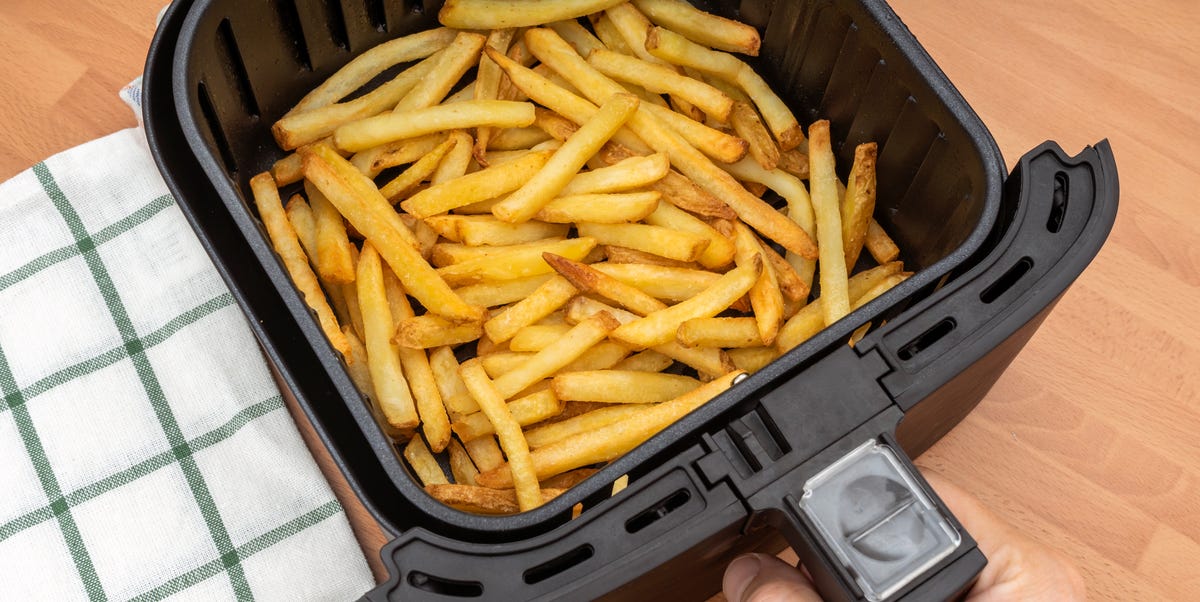
Your air fryer is not magic, although it does a convincing impression of it. Toss in frozen fries, chicken wings, salmon, broccoli, or last night’s pizza, press a few buttons, and suddenly dinner has a crispy jacket and a better attitude. But there is one mistake that quietly ruins more air fryer meals than bad seasoning, forgotten preheating, or that mysterious “fish” button nobody fully trusts.
The biggest air fryer mistake is overcrowding the basket.
Yes, the villain is not complicated. It is not a rare technical error buried on page 47 of the manual. It is the very human urge to cram “just a few more” fries into the basket because cooking in two batches feels like a personal attack on your schedule. Unfortunately, when you overload an air fryer, you block the airflow that makes the appliance work in the first place. Instead of crisping, browning, and roasting, your food steams. And steamed fries are not fries. They are potato apologies.
The good news? This mistake is easy to fix once you understand how an air fryer actually cooks. Even better, fixing it instantly improves texture, flavor, cooking consistency, and food safety. Let’s break down why overcrowding happens, what it does to your food, and how to use your air fryer like the countertop champion it was born to be.
Why Overcrowding Is the Biggest Air Fryer Mistake
An air fryer is essentially a compact convection oven. A heating element warms the air, and a fan pushes that hot air rapidly around the food. The basket or tray is designed with vents or perforations so air can move under, over, and around each piece. That circulation is the secret behind golden chicken tenders, crisp potatoes, roasted vegetables, and reheated pizza that does not taste like sadness.
When the basket is packed too tightly, that airflow gets blocked. Food pieces touch each other, moisture gets trapped, and the hot air cannot reach enough surface area. The result is uneven cooking: browned tops, pale bottoms, crispy edges, soft centers, and random pieces that seem to have attended a completely different cooking event.
Air Fryers Need Space, Not Just Heat
Many people assume that if the air fryer is hot enough, the food will crisp eventually. That is only partly true. Heat matters, but air movement matters just as much. Imagine trying to dry a wet towel in a warm room with no air circulation. Now imagine drying it in front of a fan. Same idea, tastier outcome.
Food releases moisture as it cooks. In a roomy basket, that moisture evaporates and moves away. In a crowded basket, it lingers. Once steam builds up, your air fryer starts acting more like a tiny sauna than a crisping machine. That is why overcrowded fries turn limp, wings stay rubbery, and vegetables become soft before they get those beautiful browned edges.
Signs You’re Overcrowding Your Air Fryer
You do not need a culinary degree or a kitchen laboratory to diagnose an overcrowded basket. Your food will tell on you. Loudly.
Your Food Is Soggy Instead of Crispy
If your fries, nuggets, chicken wings, or vegetables come out soft and damp, overcrowding is usually the first suspect. A little oil and high heat can help with browning, but they cannot overcome a basket that looks like rush-hour traffic.
Some Pieces Burn While Others Look Undercooked
Uneven cooking is another classic sign. The pieces closest to the heating element may brown quickly, while the buried pieces remain pale or underdone. That is not your air fryer being moody. It is airflow being blocked.
You Have to Keep Adding More Time
If a recipe says 12 minutes but your food still needs 20, check your basket. Overcrowded food takes longer because heat cannot move efficiently around every piece. More time may eventually cook it through, but it often dries out the outside before the inside catches up.
Food Sticks Together
When breaded chicken pieces, fries, shrimp, or vegetables are piled on top of each other, they can stick together as coatings soften and moisture collects. Once that happens, you lose crisp edges and end up with clumps instead of separate, golden pieces.
The Simple Rule: Cook in a Single Layer Whenever Possible
The best air fryer rule is beautifully simple: arrange food in a single layer with a little space between pieces. You do not need to measure the exact air gap with a ruler, unless you enjoy making dinner weird. Just avoid stacking and piling.
For foods that shrink significantly, such as mushrooms or leafy vegetables, a little overlap may be fine. But for foods where crispness mattersfries, wings, tenders, breaded shrimp, tofu cubes, potato wedges, Brussels sprouts, and frozen snacksspace is the difference between “Wow, this is crispy” and “Did we accidentally microwave this?”
What About Air Fryer Racks?
Racks can help increase cooking surface area, especially in larger models. However, they do not give you permission to build a snack skyscraper. Use racks only if air can still move around the food. If the rack layer sits too close to the food below, the lower layer may still steam.
Basket Size Matters
A compact 2-quart air fryer is great for one or two servings, but it is not built to feed a hungry family in one round. A 6-quart model gives you more room, but even large baskets have limits. The question is not “Can I fit it?” The better question is “Can air move around it?”
How to Fix the Mistake Without Making Dinner Take Forever
Cooking in batches sounds annoying, but it often saves time in the long run. A crowded basket may need extra minutes, shaking, flipping, and emotional support. A properly spaced batch cooks faster and tastes better.
Use Two Short Batches Instead of One Giant Batch
If you are making fries for four people, split them into two batches. The first batch can rest on a wire rack or sheet pan while the second cooks. If needed, return the first batch to the air fryer for one or two minutes at the end to refresh the crispness.
Shake or Flip Halfway Through
Even with enough space, many foods benefit from movement. Shake fries, tater tots, green beans, or potato cubes halfway through cooking. Flip chicken tenders, salmon, burgers, tofu, and thicker vegetables with tongs. This exposes more surface area to hot air and helps prevent pale undersides.
Cut Food Into Similar Sizes
Uneven pieces cook unevenly. If one potato wedge is built like a canoe and another is the size of a pencil, they will not finish together. Keep pieces similar in size so the entire batch cooks at the same pace.
Preheat When the Recipe Calls for It
Not every air fryer requires preheating, but many foods benefit from starting in a hot basket. Preheating helps moisture evaporate quickly and encourages browning from the beginning. This is especially useful for potatoes, vegetables, chicken, salmon, and frozen foods that need a crisp exterior.
Other Air Fryer Habits That Make Overcrowding Worse
Overcrowding is the main mistake, but it often teams up with smaller bad habits. Together, they turn your air fryer from a crisping hero into a countertop disappointment with a plug.
Using Too Much Oil
Air fryers need far less oil than deep fryers. A light coating can help browning, but too much oil drips, smokes, and makes food greasy. Toss food in a small amount of oil before adding it to the basket, or use an oil mister. Avoid heavy sprays that can build residue on nonstick surfaces unless your manual says they are safe.
Skipping the Dry Step
Moisture is the enemy of crispness. Pat chicken wings, shrimp, tofu, potatoes, and vegetables dry before seasoning. This one tiny step can make the difference between roasted and rubbery.
Using Wet Batter
Traditional wet batter does not behave well in most air fryers because there is no pool of hot oil to set it instantly. Instead, use dry breading, panko, crushed cornflakes, seasoned flour, or a sticky coating like egg wash followed by crumbs.
Forgetting to Clean the Basket
Grease, crumbs, and old food bits can affect flavor, cause smoke, and reduce performance. Clean the basket, tray, and drawer regularly according to your model’s instructions. A clean air fryer cooks better and smells less like last Tuesday’s garlic wings.
Food Safety Still Matters in an Air Fryer
Air fryers cook quickly, but quick does not automatically mean safe. Use a food thermometer for poultry, stuffed foods, and thick cuts of meat. Chicken should reach a safe internal temperature of 165°F. Fish is commonly cooked until it reaches 145°F or flakes easily, depending on the guidance you follow and the recipe. Leftovers should be reheated thoroughly, especially if they include meat, poultry, seafood, rice, or sauces.
Overcrowding can create food safety issues because some pieces may not reach the right internal temperature at the same time. The outside may look done while the center or lower pieces lag behind. That is another reason spacing is not just about texture. It is also about reliable cooking.
Best Foods to Cook With Plenty of Airflow
Some foods are especially sensitive to crowding. Give these items room, and they will reward you handsomely.
Frozen French Fries and Tater Tots
Frozen potato products are practically air fryer celebrities, but they still need space. Spread them out, shake halfway through, and season right after cooking so salt sticks to the hot surface.
Chicken Wings
Wings release fat as they cook, so airflow is essential for rendering skin and crisping the outside. Pat them dry, season well, leave space, and flip or shake during cooking.
Brussels Sprouts and Broccoli
These vegetables brown beautifully when air can circulate. If packed too tightly, they soften and steam. Cut them into similar sizes, coat lightly with oil, and cook in batches if needed.
Salmon and Other Fish
Fish cooks quickly, so overcrowding can lead to uneven doneness. Arrange fillets in a single layer, leave space around each piece, and check early to avoid overcooking.
Breaded Foods
Chicken tenders, shrimp, mozzarella sticks, and breaded vegetables need direct airflow to set and crisp the coating. Crowding makes breading damp and fragile.
A Practical Air Fryer Method That Works for Most Foods
Here is a simple method you can use for many air fryer meals:
- Preheat if your recipe or appliance recommends it.
- Pat food dry if it has surface moisture.
- Toss with a small amount of oil and seasoning.
- Arrange in a single layer with space between pieces.
- Cook at the recommended temperature, checking early the first time you try a recipe.
- Shake or flip halfway through for even browning.
- Use a thermometer for meats, poultry, and thicker foods.
- Let crispy foods rest briefly on a wire rack instead of piling them in a bowl.
That final point matters. If you dump hot fries into a deep bowl and cover them, steam gets trapped again. After all that careful air frying, do not send your crispiness into a humidity chamber.
How to Know When the Basket Is Too Full
A basket is too full if you cannot see the bottom between many pieces, if food is stacked in layers, or if shaking the basket barely moves anything. For fries or vegetables, the basket should look loosely filled, not compacted. For proteins, each piece should have its own little parking spot.
Another test: after arranging the food, ask yourself whether hot air can touch most surfaces. If the answer is “probably not,” remove a handful and cook it in the next batch. Your future crispy self will thank you.
Experience Notes: What Real Air Fryer Cooking Teaches You
After using an air fryer for a while, you start to notice patterns that recipes do not always explain. The first lesson is that the air fryer rewards patience in a sneaky way. Cooking in two batches feels slower, but the food usually finishes better and sometimes faster than one overloaded batch. A mountain of fries might need constant shaking and extra minutes, while two smaller batches become crisp with less drama.
The second lesson is that every air fryer has a personality. Some models run hot. Some have strong fans that brown food aggressively near the top. Some baskets have excellent airflow underneath, while others need more flipping. The first time you cook something new, treat the recipe time as a suggestion, not a contract. Check early, especially with fish, thin chicken cutlets, small vegetables, and frozen snacks.
The third lesson is that dry food crisps better. This sounds obvious until you toss freshly washed broccoli into the basket and wonder why it tastes steamed. Patting ingredients dry is not fussy chef behavior. It is basic air fryer wisdom. The same applies to tofu, shrimp, potatoes, zucchini, and chicken wings. Moisture has to go somewhere, and if it starts in the basket, it often becomes steam.
The fourth lesson is that seasoning timing matters. Fine seasonings can blow around in strong airflow, and sugary sauces can burn if added too early. For dry spices, toss food with a little oil first so the seasoning sticks. For sticky sauces, cook the food mostly through, then brush or toss during the last few minutes. This is especially helpful for barbecue wings, honey garlic salmon, buffalo cauliflower, and glazed tofu.
The fifth lesson is that liners are useful but not magical. Perforated parchment can make cleanup easier, but it should not block airflow. Never put lightweight parchment in the basket during preheating without food holding it down, because the fan can lift it toward the heating element. Silicone liners are convenient, too, but they may reduce browning if they block too much air from reaching the bottom of the food.
The sixth lesson is that leftovers love the air fryer, but they still need space. Pizza, fried chicken, roasted potatoes, and egg rolls reheat beautifully when placed in a single layer. If you pile them up, the outside gets hot while the middle stays tired. A few extra minutes of batch cooking can turn leftovers into something that tastes intentionally good, not merely rescued.
Finally, air frying gets better when you stop treating the basket like a storage container. It is not there to hold the maximum amount of food. It is there to expose food to moving heat. Once that idea clicks, your results improve immediately. Fries crisp. Wings brown. Vegetables roast. Salmon cooks evenly. And your air fryer finally earns the counter space it has been occupying like a tiny, glossy roommate.
Conclusion: Give Your Food Breathing Room
The number one mistake you are making with your air fryer is overcrowding the basket. It blocks airflow, traps steam, slows cooking, and keeps food from becoming crisp and evenly browned. The fix is simple: cook in a single layer, leave space between pieces, shake or flip halfway through, and work in batches when needed.
An air fryer is at its best when hot air can move freely. Give your food room to breathe, and it will reward you with better texture, deeper browning, safer cooking, and far fewer limp fries. Your air fryer is not asking for much. Just a little space, a little cleaning, and maybe fewer attempts to cook a party platter in one basket.
Note: This article is written as original web-ready content based on reputable U.S. cooking, appliance-safety, and food-safety guidance. No source links are inserted in the article body to keep the publishing format clean.