
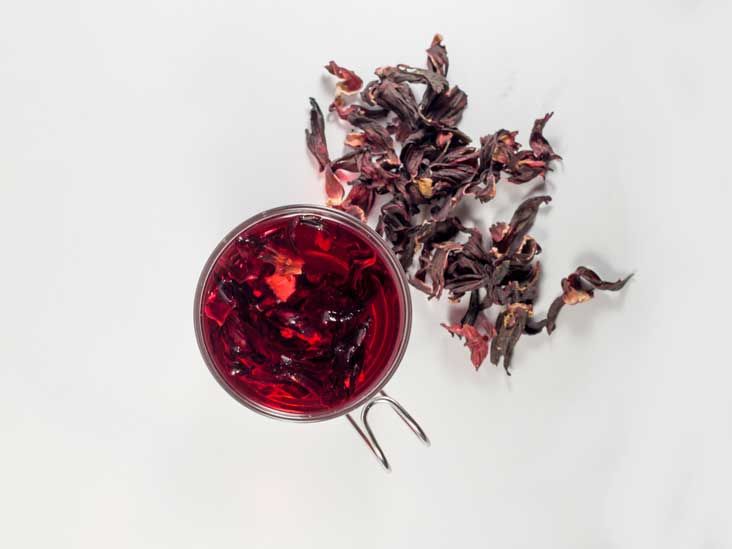
Hibiscus is the kind of flower that refuses to be merely decorative. Sure, it looks dramatic in the garden, all bright petals and tropical confidence, but its real talent shows up in a cup. Brewed as a ruby-red herbal tea, hibiscus has a tart, cranberry-like flavor, contains no caffeine, and has become popular among people looking for a refreshing drink with potential wellness perks.
Most health discussions focus on Hibiscus sabdariffa, also known as roselle. The calycesthe fleshy, deep-red parts around the flowerare commonly dried and steeped into tea. Across food traditions, hibiscus appears in agua de Jamaica, sorrel drinks, jams, syrups, sauces, and cooling summer beverages. In other words, this flower has range. It is basically the botanical equivalent of a friend who can cook, garden, and still show up looking fabulous.
So, what does hibiscus actually do? While it is not a magic potion, research suggests hibiscus may support heart health, antioxidant intake, blood pressure management, hydration, liver wellness, and metabolic health when used as part of a balanced lifestyle. Below are eight evidence-informed benefits of hibiscus, plus practical tips for enjoying it safely and deliciously.
What Is Hibiscus?
Hibiscus is a large family of flowering plants, but the type most often studied for health benefits is Hibiscus sabdariffa. When dried and steeped, it creates a bright red infusion with a tangy, fruity flavor. Unlike black or green tea, hibiscus tea is naturally caffeine-free, making it a popular choice for evenings, hot afternoons, or anyone trying to reduce caffeine without giving up the ritual of sipping something nice.
The plant is rich in natural compounds such as anthocyanins, polyphenols, organic acids, and flavonoids. These compounds help explain why hibiscus tea has attracted attention in nutrition research. Its vivid color is not just for show; those red-purple pigments are part of the antioxidant family also found in berries, purple cabbage, and other colorful plant foods.
8 Benefits of Hibiscus
1. Hibiscus May Help Support Healthy Blood Pressure
One of the best-known benefits of hibiscus is its potential role in supporting healthy blood pressure. Several clinical studies and reviews have suggested that regularly drinking hibiscus tea may help lower systolic and diastolic blood pressure, especially in people with elevated levels.
How might it work? Hibiscus contains polyphenols and anthocyanins that may help blood vessels relax and support better circulation. It may also have a mild natural diuretic effect, meaning it can encourage the body to release excess fluid. That does not mean hibiscus should replace prescribed blood pressure medication. Think of it more like a heart-smart teammatenot the head coach, not the entire medical staff, but a useful player on the wellness roster.
For someone already taking medication for high blood pressure, hibiscus should be used carefully. Because it may contribute to lower blood pressure, combining it with medication could potentially make pressure drop too much. Anyone with hypertension, low blood pressure, kidney disease, or medication concerns should speak with a healthcare professional before making hibiscus a daily habit.
2. Hibiscus Is Rich in Antioxidants
Antioxidants help protect cells from oxidative stress, a normal but potentially damaging process linked with aging, inflammation, and chronic disease risk. Hibiscus is naturally rich in antioxidant compounds, particularly anthocyanins, which give the tea its deep red color.
Antioxidants are not tiny superheroes wearing capes, but they do help neutralize free radicalsunstable molecules that can damage cells when they build up in the body. A diet rich in colorful plants is one of the most practical ways to increase antioxidant intake, and hibiscus fits beautifully into that pattern.
For example, swapping a sugary soda for unsweetened iced hibiscus tea can add plant compounds while cutting added sugar. That is a wellness upgrade with very little drama. You still get something colorful, flavorful, and refreshingjust without the syrupy sugar rush that makes your energy spike and then disappear like your phone battery at 2%.
3. Hibiscus May Support Heart Health
Heart health is not built from one ingredient alone. It comes from patterns: eating fiber-rich foods, staying active, managing stress, sleeping well, avoiding smoking, and keeping blood pressure and cholesterol in a healthy range. Hibiscus may support this bigger picture by contributing antioxidants and potentially helping with blood pressure and lipid markers.
Some studies have examined hibiscus and cholesterol, with mixed but promising results. Certain trials suggest hibiscus may help improve total cholesterol, LDL cholesterol, HDL cholesterol, or triglycerides in some groups, although research is not consistent enough to call it a guaranteed cholesterol-lowering solution.
Still, hibiscus can be a smart drink choice for heart-conscious routines. It is naturally caffeine-free, low in calories when unsweetened, and easy to enjoy hot or cold. Add a squeeze of lemon, a few mint leaves, or a cinnamon stick, and suddenly your “healthy drink” looks like something served at a spa where everyone speaks softly and owns matching towels.
4. Hibiscus May Help With Weight Management Habits
Hibiscus will not melt body fat overnight, and any product promising that deserves a serious side-eye. However, hibiscus may support weight management in practical ways. First, unsweetened hibiscus tea is low in calories, making it a helpful substitute for sugar-sweetened beverages. Second, some early research suggests hibiscus extracts may influence metabolism, fat accumulation, or body composition markers, although more high-quality human studies are needed.
The most realistic benefit is behavioral. Many people gain extra calories from drinks without realizing itsweet tea, soda, flavored coffee, energy drinks, and fruit juices can all add up. Replacing even one sugary beverage per day with iced hibiscus tea can make a meaningful difference over time.
For example, someone who usually drinks a large sweetened tea in the afternoon could brew hibiscus, chill it, and add orange slices or berries for flavor. The result is still bright, tangy, and fun to drink, but it is far lighter than a sugar-loaded option. Weight management is often less about one “superfood” and more about small swaps you can actually keep doing without feeling punished.
5. Hibiscus May Support Liver Wellness
The liver is one of the body’s hardest-working organs. It helps process nutrients, filter substances, produce bile, and keep metabolism running smoothly. Some research suggests hibiscus may support liver health, partly due to its antioxidant and anti-inflammatory compounds.
Several studies, including animal research and limited human trials, have explored whether hibiscus extract may help reduce liver fat or support healthier liver enzyme levels. The findings are interesting, but they should be interpreted with caution. Drinking hibiscus tea is not a treatment for liver disease, and extracts used in studies may be more concentrated than a normal cup of tea.
Still, hibiscus can fit into a liver-friendly lifestyle when used sensibly. A diet rich in vegetables, fruits, whole grains, beans, nuts, lean proteins, and healthy fats does far more for liver wellness than any single beverage. Hibiscus can be part of that pattern, especially when it replaces alcohol or sugary drinks. Your liver may not send you a thank-you card, but it probably appreciates the consideration.
6. Hibiscus May Help Support Healthy Blood Sugar Patterns
Research on hibiscus and blood sugar is still developing, but some studies suggest Hibiscus sabdariffa may have a modest effect on fasting blood glucose or insulin-related markers in certain groups. Scientists are interested in how hibiscus compounds may affect carbohydrate digestion, oxidative stress, inflammation, and metabolic health.
That said, hibiscus is not a diabetes treatment. People with diabetes or those taking blood sugar-lowering medication should be careful, because hibiscus could potentially contribute to lower blood sugar in some cases. It is always better to ask a healthcare professional than to experiment blindly and hope your pancreas appreciates the surprise.
For everyday wellness, the strongest blood sugar benefit may come from using hibiscus tea as a replacement for sweet drinks. Unsweetened hibiscus tea has a bold flavor that does not need much sugar. Add fruit slices, ginger, cinnamon, or sparkling water if you want more personality without turning the drink into dessert in disguise.
7. Hibiscus Supports Hydration Without Caffeine
Hydration does not have to be boring. Water is wonderful, but sometimes your taste buds want a little entertainment. Hibiscus tea offers a flavorful way to increase fluid intake, especially for people who dislike plain water or want a caffeine-free option later in the day.
Because hibiscus tea has a naturally tart flavor, it works well hot, iced, or blended with other herbs. It can be brewed strong and poured over ice, mixed with sparkling water, or combined with mint for a summer drink that looks fancy but requires almost no effort. It is the kind of beverage that makes guests think you planned ahead, even if you were just avoiding another glass of plain water.
Hydration supports digestion, energy, temperature regulation, skin function, and general comfort. While hibiscus should not be the only fluid you drink, it can make staying hydrated easier and more enjoyable. For people trying to reduce soda or caffeine, hibiscus tea can be a colorful bridge toward better daily habits.
8. Hibiscus May Have Gentle Anti-Inflammatory Benefits
Inflammation is part of the immune system’s natural response, but ongoing low-grade inflammation can contribute to health problems over time. Hibiscus contains polyphenols and other bioactive compounds that may help influence inflammatory pathways in the body.
Early research suggests hibiscus extracts may have anti-inflammatory properties, although much of the evidence comes from laboratory, animal, or small human studies. That means we should avoid making big promises. Hibiscus is not a cure for inflammatory conditions, but it may contribute to an overall anti-inflammatory eating pattern.
The best strategy is to pair hibiscus with other nutrient-rich foods. Imagine a day that includes oatmeal with berries, a colorful salad, grilled fish or beans, roasted vegetables, nuts, and a glass of iced hibiscus tea. That is a pattern with real potential. Hibiscus is not carrying the whole team, but it is definitely not sitting on the bench eating chips.
How to Use Hibiscus
The most common way to enjoy hibiscus is as tea. Add dried hibiscus to hot water, steep for several minutes, strain, and drink warm or chilled. The flavor is naturally tart, so many people add citrus, cinnamon, ginger, mint, berries, or a small amount of honey.
For iced hibiscus tea, brew it stronger than usual because the ice will dilute it. You can also cold-steep hibiscus overnight in the refrigerator for a smoother taste. Mix it with sparkling water for a bright, nonalcoholic spritzer, or use it as a base for smoothies, popsicles, salad dressings, and fruit sauces.
Hibiscus powder and extracts are also available, but these can be more concentrated than tea. Supplements should be used more carefully, especially for people taking medication or managing a health condition. A cup of tea is food-like; a capsule is more supplement-like. That difference matters.
Who Should Be Careful With Hibiscus?
Hibiscus is generally considered safe for many healthy adults when consumed in moderate food or tea amounts. However, some people should use caution. Pregnant people, people trying to become pregnant, and breastfeeding individuals should ask a healthcare professional before using hibiscus regularly. People with low blood pressure, high blood pressure treated with medication, diabetes, kidney disease, liver disease, or upcoming surgery should also check first.
Hibiscus may interact with certain medications, including some blood pressure drugs, diabetes medications, and specific other prescriptions. It may also affect how the body processes certain medicines. When in doubt, ask a pharmacist or clinician. This is not because hibiscus is scary; it is because even natural products can have real biological effects. “Natural” does not automatically mean “zero consequences.” Poison ivy is natural too, and nobody is inviting it to brunch.
Simple Ways to Make Hibiscus Taste Better
If plain hibiscus tastes too sharp, do not give up after one sip. Its tartness can be balanced in many ways. Add orange slices for sweetness, lemon for brightness, ginger for warmth, or mint for a cooling finish. Cinnamon can make hibiscus feel cozy in winter, while berries make it taste like a summer picnic with better manners.
For a naturally sweet version, steep hibiscus with apple slices or mix chilled hibiscus tea with a splash of 100% pomegranate or orange juice. Keep added sugar modest. The goal is to enhance the flavor, not turn your wellness drink into liquid candy wearing a flower crown.
Experience-Based Notes: Living With Hibiscus in a Real Routine
Adding hibiscus to daily life is surprisingly easy because it does not demand a lifestyle makeover. It is not one of those wellness habits that requires a blender, a subscription box, three powders, and emotional support. A bag of dried hibiscus, a kettle, and a few minutes are enough.
One of the best experiences with hibiscus is using it as an afternoon reset. Around 2 or 3 p.m., many people reach for another coffee or something sweet. Hibiscus tea offers a different kind of pause. Brew it hot if you want comfort, or keep a pitcher in the fridge if the weather is warm. Its tart flavor wakes up the mouth without caffeine, which is helpful if you want energy without risking a wide-awake ceiling-staring session at midnight.
For people who are trying to drink less soda, hibiscus can be a practical substitute. The color is dramatic, the flavor is bold, and when mixed with sparkling water, it feels more exciting than plain water. Try filling a glass with ice, adding half hibiscus tea and half sparkling water, then finishing with lime. It looks like a mocktail, tastes refreshing, and does not require a tiny umbrellaalthough no one is stopping you.
Hibiscus also works well for meal prep. Make a large pitcher once or twice a week and store it in the refrigerator. This makes healthier choices easier because the drink is already ready. When the fridge contains chilled hibiscus tea, grabbing it becomes almost as convenient as opening a bottled beverage. Convenience matters. Many good habits fail not because they are bad ideas, but because they require too much effort when life gets busy.
Another pleasant surprise is how well hibiscus pairs with food. With breakfast, it cuts through rich dishes like eggs or avocado toast. With lunch, it tastes bright beside salads, grain bowls, sandwiches, or spicy meals. With dinner, unsweetened hibiscus can replace wine or sugary drinks for anyone who wants a grown-up-tasting beverage without alcohol or caffeine. Its acidity makes it feel crisp and palate-cleansing.
For families, hibiscus can be served as a colorful alternative to fruit punch. Brew it lightly, chill it, and add orange slices, strawberries, or a touch of honey if needed. Kids and adults may enjoy the bright color, but keep servings reasonable and avoid presenting it as medicine. It is better to frame hibiscus as a tasty herbal drink that happens to come with potential benefitsnot as a cure-all in a glass.
People who dislike sour flavors may need to experiment. A strong hibiscus brew can taste very tart, almost like cranberry juice with opinions. Shorter steeping, cold brewing, or blending with other herbal teas can soften the flavor. Hibiscus with mint is crisp, hibiscus with ginger is warming, and hibiscus with cinnamon feels almost dessert-like without needing much sweetener.
The most useful lesson from using hibiscus regularly is that healthy habits work best when they are enjoyable. You are more likely to keep drinking hibiscus tea if you genuinely like the taste, the color, the ritual, and the way it fits into your day. Hibiscus does not need to be treated like a chore. Let it be fun. Let it be pretty. Let it stain the spoon a little red and make your water glass look more interesting than usual.
In the end, hibiscus is not a miracle flower, but it is a smart, flavorful addition to a balanced routine. It can support hydration, add antioxidants, replace sugary drinks, and possibly help with blood pressure and metabolic wellness. That is a lot of personality for one flower.
Conclusion
Hibiscus earns its popularity honestly. It is colorful, caffeine-free, easy to prepare, and backed by growing research for several potential health benefits. The strongest evidence is connected to blood pressure support, while other areassuch as cholesterol, liver health, blood sugar, inflammation, and weight managementare promising but still developing.
The smartest way to enjoy hibiscus is as part of an overall healthy lifestyle. Drink it unsweetened or lightly sweetened, pair it with balanced meals, and use it as a flavorful replacement for sugary beverages. If you take medication or have a medical condition, ask a healthcare professional before drinking hibiscus daily or using concentrated supplements.
Note: This article is for general educational publishing purposes and should not replace professional medical advice, diagnosis, or treatment.












