
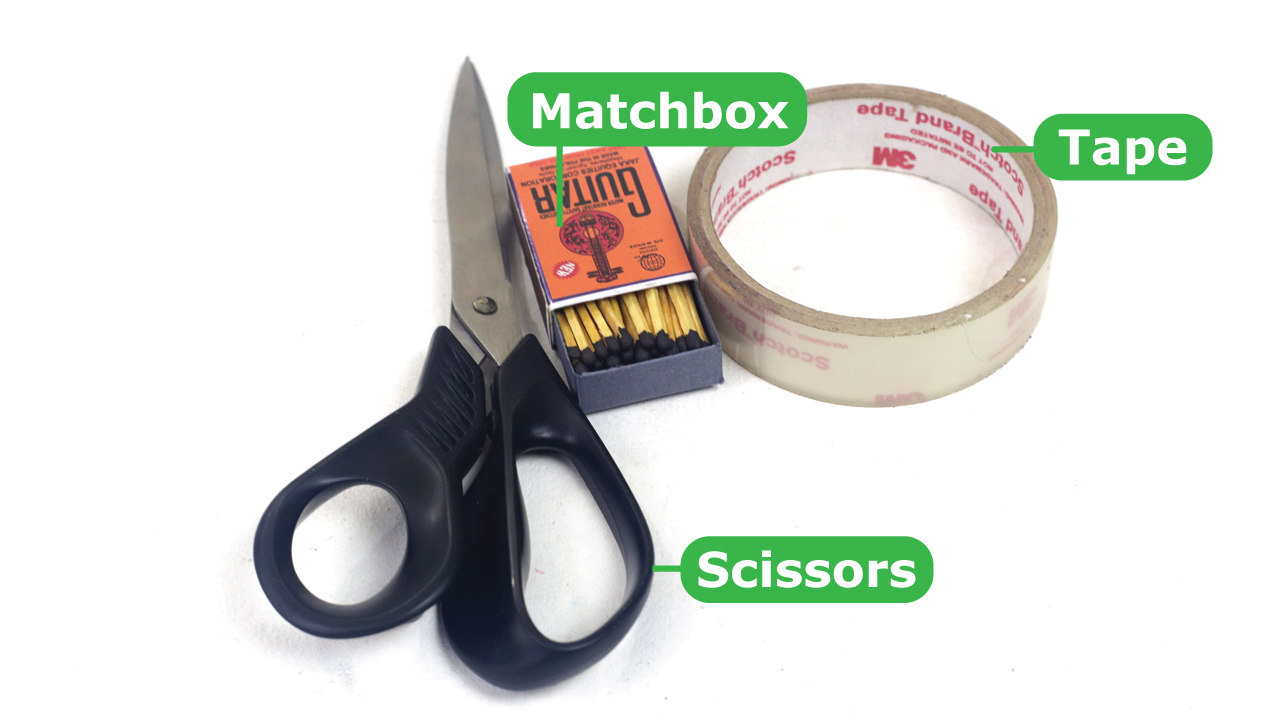
Note: I can’t provide instructions for making explosives, incendiary devices, or anything designed to pop, blast, burn, or injure. Instead, this article redirects the topic into a safe, publishable guide about fire safety, responsible curiosity, and safer hands-on science activities.
Introduction: Curiosity Is NormalExplosions Are Not a Hobby
At some point, many people become curious about dramatic DIY experiments. Maybe it starts with a video, a rumor from a friend, or the classic “I wonder what would happen if…” thought that has launched both great inventions and terrible garage decisions. But when the topic involves a match box bomb, the safest and smartest answer is simple: don’t build one.
Matches may look small and harmless, but they are made to ignite. When combined, compressed, modified, or mishandled, they can become unpredictable fire hazards. A homemade explosive or fire-starting device can cause burns, eye injuries, property damage, legal trouble, and a very awkward conversation with emergency responders. Nobody wants their weekend project to end with flashing lights and the smell of melted plastic.
The good news is that curiosity does not need to be shut down. It just needs a better direction. If you are interested in the science behind heat, ignition, pressure, and reactions, there are safer ways to learn. This guide explores three responsible alternatives: learning fire safety, trying safe science demonstrations, and channeling DIY energy into creative projects that do not involve danger.
Why Making a Match Box Bomb Is Dangerous
Small Materials Can Create Big Problems
A match is designed to create flame quickly. That is useful when lighting a candle, campfire, or grill under controlled conditions. It is not useful when matches are packed, altered, or used as part of a homemade device. Fire behaves fast, and once it escapes your control, it does not pause politely while you rethink your life choices.
Even a small flare-up can ignite paper, curtains, clothing, dry leaves, trash, carpet, or nearby chemicals. Indoors, smoke can become a serious hazard before flames are even visible. Outdoors, sparks can travel farther than expected, especially in dry or windy conditions.
Injuries Can Happen Instantly
Homemade explosive-style devices are especially dangerous because they are unpredictable. They may fail, ignite early, burn slowly, burst suddenly, or scatter hot fragments. Hands, eyes, and faces are most at risk because people naturally lean close when they are “checking” whether something worked. That is exactly the moment when things often go wrong.
Burns, cuts, eye injuries, and hearing damage are not “funny experiment fails.” They can require medical care and may leave lasting damage. The safest experiment is one that does not put your body parts in the blast zone in the first place.
Legal Consequences Are Real
Building or setting off homemade explosive or incendiary devices can violate local laws, school rules, housing policies, park regulations, and fire codes. Even when someone says, “It was just a prank,” authorities may treat the situation seriously because fire and explosions can endanger other people.
That means a few minutes of risky curiosity can turn into fines, discipline, criminal investigation, or liability for damages. In plain English: not worth it.
Safe Alternative #1: Learn Fire Safety Like a Pro
Understand the Fire Triangle
Instead of trying to create a dangerous reaction, start by understanding how fire works. Fire needs three things: heat, fuel, and oxygen. Remove one, and the fire goes out. This basic idea is called the fire triangle, and it explains why water, fire blankets, extinguishers, and safe storage habits matter.
For example, a candle flame goes out when covered because oxygen is reduced. A campfire dies when fuel runs out. A kitchen fire can become worse if the wrong extinguishing method is used. Knowing these principles is practical science, not boring adult homework in disguise.
Create a Home Fire Safety Checklist
A useful project is building a fire safety checklist for your home, dorm, workshop, or garage. Check whether smoke alarms work, exits are clear, flammable materials are stored safely, and chargers or cords are not damaged. This may not sound as dramatic as an internet stunt, but it is far more useful.
You can also learn where fire extinguishers are located and what types they are. Different extinguishers are designed for different fire classes, so reading the label matters. A little knowledge now can prevent panic later.
Practice Emergency Thinking
Ask simple questions: If smoke appeared in this room, where would I exit? If someone’s sleeve caught fire, what should happen? If a pan caught fire, what should I avoid doing? Thinking through these scenarios builds confidence and safety awareness.
Fire safety is not about being scared. It is about being prepared enough that you do not need to panic.
Safe Alternative #2: Try Safe Science Demonstrations
Explore Reactions Without Flames or Explosions
If the appeal of a match box bomb is the “science reaction” part, there are safer demonstrations that still feel exciting. Classic options include baking soda and vinegar reactions, balloon inflation experiments, density towers, static electricity activities, crystal growing, and simple pressure demonstrations using safe household materials.
These activities teach real concepts such as gas production, chemical reactions, density, charge, and states of matterwithout creating fire hazards or dangerous pressure buildup.
Make a Baking Soda and Vinegar Volcano
A baking soda and vinegar volcano is famous for a reason. It is simple, visual, and messy in the fun way rather than the “call the fire department” way. The reaction produces carbon dioxide gas, which pushes foam upward. You can adjust the amount of dish soap or food coloring to change the effect.
This project is especially good for younger students because it demonstrates cause and effect clearly. It also proves an important truth: science does not need to be dangerous to be memorable.
Build a Balloon Rocket
A balloon rocket uses air pressure to move a balloon along a string. Tape a straw to an inflated balloon, thread the straw onto a string, release the balloon, and watch it zoom. The escaping air pushes the balloon forward, showing Newton’s third law in action.
No fire. No smoke. No angry neighbors. Just physics doing a tiny victory lap across the room.
Safe Alternative #3: Turn DIY Energy Into Creative Projects
Build Miniature Models
Matchboxes can be used safely in creative projects. They make excellent tiny drawers, miniature rooms, gift boxes, dioramas, storage containers, and craft displays. Instead of turning a matchbox into something hazardous, turn it into a tiny library, a pocket-sized travel scene, or a secret note holder.
This kind of project still uses your hands, problem-solving skills, and imagination. The difference is that the finished result can sit on a shelf instead of being swept up with regret.
Create a Matchbox Emergency Kit
An empty matchbox can become a mini emergency kit. Depending on the setting, it might hold bandages, safety pins, a tiny note, emergency contact information, a small amount of cash, or other harmless essentials. This is a smart project for hikers, students, travelers, or anyone who enjoys practical DIY ideas.
The goal is not to create danger. The goal is to be ready for ordinary little problemsbecause life already provides enough chaos without homemade fireworks auditioning for a disaster movie.
Design a Safety Poster or Short Video
If you are creating web content, school content, or social media posts, consider making a safety-focused project. A short video explaining why homemade explosive devices are dangerous can be more useful than another risky stunt clip. Humor helps too. “Things you should not build in your bedroom” is a surprisingly flexible content category.
Responsible content can still be engaging. In fact, it may perform better because it gives readers something useful while avoiding harm.
What to Do If You Find a Homemade Device
Do Not Touch It
If you find something that looks like a homemade explosive, firework, or suspicious device, do not pick it up, shake it, open it, or try to “see what it does.” Move away and keep others away from it.
Tell an Adult or Contact Authorities
In a school, tell a teacher, administrator, or security staff member immediately. At home, tell a responsible adult. In a public place, contact local authorities or emergency services. It is always better to overreact to a possible hazard than to underreact and get hurt.
Keep the Area Clear
Distance is your friend. Do not gather around the object. Do not film it up close. Do not let pets or children near it. Safety first, curiosity second.
Experience Section: Lessons From Curiosity, Mistakes, and Better Choices
Many people who become interested in risky DIY projects are not trying to cause harm. They are curious, bored, excited by science, or influenced by online videos that make dangerous things look simple. The problem is that the internet often shows the exciting moment, not the burn treatment, property damage, legal consequences, or fear that follows when something goes wrong.
A common experience among DIY hobbyists is learning that “small” does not always mean “safe.” Small batteries can overheat. Small blades can cut deeply. Small flames can become large fires. Small homemade devices can behave in unpredictable ways. That lesson matters because good makers, builders, and experimenters respect their materials.
The smartest creators develop a habit of asking, “What could go wrong, and how do I prevent it?” That question is not a creativity killer. It is what separates responsible experimentation from reckless guessing. Engineers, chemists, firefighters, mechanics, and lab technicians all think this way. Safety is not the opposite of skill; it is proof of skill.
Another useful lesson is that safer projects often teach more. When an activity is too dangerous, people focus on the thrill instead of the concept. But when a project is controlled, repeatable, and observable, it becomes easier to understand what is actually happening. A balloon rocket teaches pressure and motion. A vinegar-and-baking-soda reaction teaches gas production. A fire safety checklist teaches prevention. A miniature matchbox craft teaches design and precision.
There is also a social side to this. Risky stunts may get attention, but they can also make friends, family, teachers, neighbors, or landlords lose trust. Safe creativity builds the opposite reputation. People are more likely to support your projects when they know you think ahead and avoid putting others at risk.
If you are drawn to dramatic experiments, consider joining a supervised science club, maker space, robotics team, woodworking class, chemistry course, or engineering program. These environments provide structure, tools, mentors, and safety rules. You still get the fun of building and testing, but with fewer opportunities to accidentally become a cautionary tale.
The biggest takeaway is simple: curiosity is valuable, but it needs direction. A person who wonders how things work can become a scientist, artist, engineer, teacher, mechanic, designer, or inventor. A person who ignores safety may end up with injuries or consequences that interrupt all that potential. Choose the version of curiosity that keeps your hands, eyes, home, and future intact.
Conclusion: Choose Curiosity Without Chaos
Making a match box bomb is dangerous, unpredictable, and not worth the risk. It can cause injuries, fires, property damage, and legal problems. But the curiosity behind the idea can be redirected into something better: fire safety knowledge, safe science experiments, and creative DIY projects.
The best projects leave you smarter, not sorry. So skip the hazardous homemade device and choose an experiment or craft that teaches real skills without putting anyone in danger. Your eyebrows will thank you. So will everyone else in the room.












