
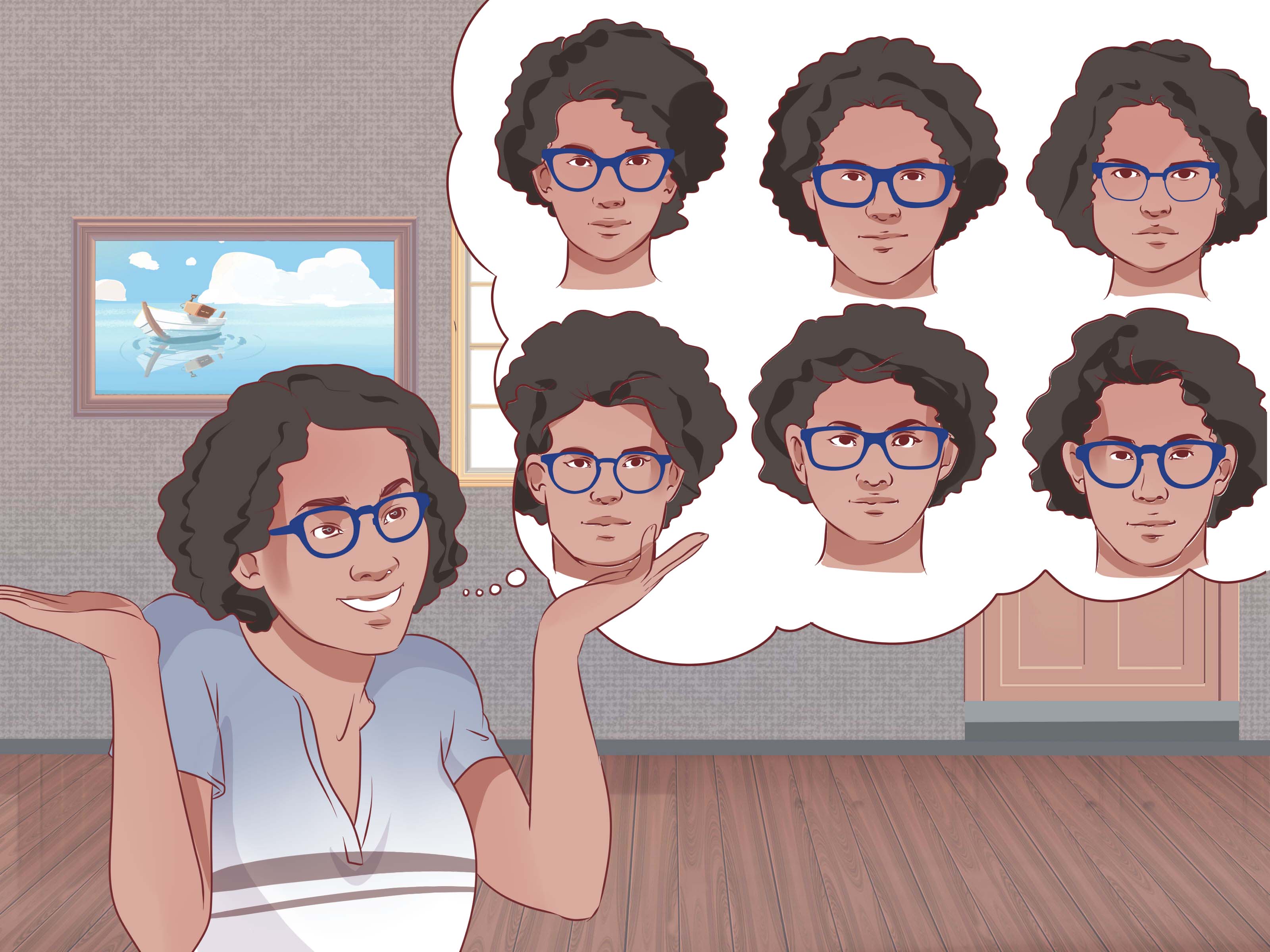
Choosing eyeglass frames sounds simple until you are standing in front of a mirror wearing pair number 37, wondering whether you look “smart and stylish” or “accidentally borrowed your uncle’s emergency readers.” The right eyeglass frames do more than hold your prescription lenses. They balance your face, support your daily routine, express your personality, and, very importantly, stay on your nose instead of sliding down every time you blink with confidence.
The good news? Finding the best glasses for your face is not magic. It is a mix of face shape, frame size, bridge fit, color, lifestyle, and comfort. Once you know what to look for, shopping for glasses becomes less like guessing in a fashion fog and more like choosing a tiny architectural masterpiece for your face.
This guide explains how to choose the right eyeglass frames for your face using practical, real-world advice. Whether you want bold statement frames, classic wire rims, lightweight everyday glasses, or something that says “I read books and also know where the good tacos are,” you will find a smart way to narrow your options.
Why the Right Eyeglass Frames Matter
Eyeglasses sit in the center of your face, which means they are usually one of the first things people notice. A flattering pair can brighten your features, sharpen your style, and make your face look balanced. A poor-fitting pair can pinch, slide, distract from your eyes, or make your face appear wider, narrower, longer, or shorter than it really is.
Fit matters just as much as fashion. Well-fitted glasses should rest comfortably on the bridge of your nose, align with your face width, keep your eyes positioned well within the lenses, and sit securely without squeezing your temples. If frames are too wide, your eyes may appear too close together. If they are too narrow, they may press into your head and leave marks. Your glasses should not feel like a tiny wrestling match happening on your face.
Step 1: Identify Your Face Shape
Face shape is a helpful starting point, not a lifelong contract. Many people have a combination of shapes, so do not panic if your face does not fit perfectly into one category. The goal is to understand your strongest features and choose frames that create visual balance.
Oval Face Shape
An oval face is usually longer than it is wide, with balanced proportions and softly rounded features. If you have an oval face, congratulations: the eyewear universe has rolled out the red carpet. Most frame styles work well, including square, rectangular, round, aviator, browline, and cat-eye frames.
The best eyeglass frames for an oval face are usually as wide as, or slightly wider than, the broadest part of the face. Avoid frames that are extremely oversized if they overwhelm your features. Think balance, not “my glasses arrived first and my face followed later.”
Round Face Shape
A round face often has soft curves, fuller cheeks, and similar width and length. Angular frames are usually the most flattering because they add definition and structure. Rectangular, square, geometric, and browline frames can help make a round face appear longer and more sculpted.
Round frames can still work if you love them, but choose a style with a sharper bridge, stronger color, or slightly wider shape. The goal is not to “fix” your face; it is to create contrast that highlights your features.
Square Face Shape
A square face typically has a strong jawline, broad forehead, and similar width across the forehead, cheekbones, and jaw. Round or oval eyeglass frames can soften angular features and create a relaxed, balanced appearance.
Thin metal frames, round acetate styles, oval glasses, and slightly curved aviators are great choices. If you like square frames, try softer corners or a thinner frame so the overall look does not become too boxy.
Heart-Shaped Face
A heart-shaped face is usually wider at the forehead and narrower at the chin. Frames that add balance to the lower part of the face are often flattering. Try light-colored frames, rimless styles, oval shapes, thin metal frames, or subtle cat-eye glasses.
Avoid overly heavy top frames if they make your forehead look wider. Instead, look for designs that feel airy, balanced, and not too top-heavy. Your glasses should support the drama, not steal the entire stage.
Diamond Face Shape
A diamond face often has high cheekbones, a narrower forehead, and a narrower chin. Oval, rimless, cat-eye, and browline frames can highlight the eyes and soften the cheekbones. Upswept corners can be especially flattering because they lift attention toward the eyes.
Frames that are too narrow may exaggerate cheek width, so choose a pair that sits comfortably across the face without squeezing the temples.
Oblong or Rectangular Face Shape
An oblong face is longer than it is wide and may have a straight cheek line. Deeper frames, rounder shapes, tall lenses, and bold acetate styles can help shorten the appearance of the face and add width.
Avoid very narrow rectangular frames if they make the face appear longer. Instead, look for frames with depth, color, or decorative temples that create visual width.
Step 2: Match Frame Shape to Your Features
One of the easiest rules is contrast. If your face has soft curves, try angular frames. If your face has strong angles, try curved frames. This simple trick works because contrast creates balance. A round face can benefit from rectangular frames, while a square face can look great in round or oval glasses.
However, style rules are not prison bars. If you have a round face and adore round glasses, wear them. Just pay attention to proportion, color, and bridge fit. The best eyeglass frames are the ones that flatter your face and feel like your personality had a productive meeting with your prescription.
Step 3: Get the Frame Size Right
Frame size is where many people accidentally go wrong. A beautiful frame in the wrong size is like a great shoe that is two sizes too small: attractive in theory, deeply annoying in real life.
Frame Width
Your frames should generally align with the width of your face at the temples. They should not extend far beyond the sides of your face, and they should not squeeze your head. A good width keeps your eyes visually centered in the lenses and creates a clean, balanced look.
Lens Width and Height
Lens width affects how your eyes appear within the frame. If the lenses are too wide, your eyes may look close-set. If the lenses are too narrow, your eyes may look too far apart. Lens height also matters, especially for progressive lenses, bifocals, or stronger prescriptions.
As a general visual check, your pupils should sit naturally within the lens area, not too high, too low, or too far toward the edges. When your eyes look centered, the frames usually look intentional instead of borrowed.
Bridge Width
The bridge is the part of the frame that sits across your nose. It is small, but it has main-character energy. If the bridge is too tight, it can pinch. If it is too wide, your glasses may slide down your nose all day, forcing you to do the classic one-finger glasses push every 90 seconds.
People with a lower nose bridge or higher cheekbones may prefer low-bridge-fit frames, adjustable nose pads, or styles designed to sit more securely without resting on the cheeks. This is especially important if your glasses often slide, touch your cheeks when you smile, or sit too low on your face.
Temple Length
The temples are the arms of the glasses that extend over your ears. They should rest comfortably along the sides of your head without pressing too tightly. Common temple lengths include 135 mm, 140 mm, 145 mm, and 150 mm. If the temples are too short, they may pull. If they are too long, the glasses may feel loose.
Step 4: Choose a Frame Color That Flatters You
Color can make your glasses look natural, bold, elegant, playful, or completely wrong in a way nobody wants to discuss at brunch. Start by looking at your skin undertone, hair color, eye color, and personal style.
Warm Undertones
If your skin has golden, peachy, or yellow undertones, warm frame colors often look great. Try tortoise, honey, olive, warm brown, gold, coral, cream, or bronze. These shades can make your complexion look lively and harmonious.
Cool Undertones
If your skin has pink, red, or bluish undertones, cool frame colors may be more flattering. Consider black, silver, gray, navy, blue, plum, rose, clear crystal, or jewel tones. These colors can bring crispness and contrast to your look.
Neutral Undertones
If both warm and cool colors look good on you, you probably have neutral undertones. Lucky you. You can experiment with tortoise, clear acetate, matte black, champagne, soft gray, navy, green, or mixed-material frames.
For a safe everyday pair, choose a color that works with most of your wardrobe. For a second pair, have fun. Red frames? Transparent green? Bold blue? Life is short, and your face deserves accessories with opinions.
Step 5: Consider Your Lifestyle
The right glasses should match how you actually live, not the imaginary version of you who drinks herbal tea on a balcony while reading leather-bound classics. Your daily routine matters.
For Work and Professional Settings
If you need glasses for work, choose frames that feel polished and comfortable for long wear. Rectangular, oval, browline, thin metal, and classic acetate frames are versatile options. Neutral colors like black, brown, navy, gray, and tortoise work well in most professional environments.
For Active Lifestyles
If you move around a lot, lightweight and durable materials are your friends. Look for secure nose pads, flexible hinges, and frames that do not slide easily. If you play sports, ask an eye-care professional about protective eyewear rather than relying on regular frames.
For Creative or Fashion-Forward Style
If your glasses are part of your signature look, explore bold acetate, geometric frames, oversized shapes, colorful rims, translucent materials, or vintage-inspired designs. Statement glasses can be stylish, memorable, and surprisingly practical because they make “I just threw this on” look carefully curated.
For Minimalist Style
If you prefer subtle eyewear, rimless, semi-rimless, thin metal, clear acetate, or soft neutral frames may be ideal. These styles keep attention on your face without making the glasses the loudest person in the room.
Step 6: Think About Your Prescription
Your prescription can influence which frames work best. Strong prescriptions may require thicker lenses, so smaller, rounder frames can sometimes reduce lens thickness and weight. Very large frames may make strong lenses heavier or more noticeable at the edges.
Progressive lenses usually need enough lens height to include distance, intermediate, and reading zones. If you wear progressives, avoid extremely shallow frames unless your optician confirms they will work. High-index lenses may help reduce thickness for stronger prescriptions, but frame choice still matters.
This is where a professional fitting can save you from heartbreak. A frame may look spectacular online, but if it does not suit your lenses, it may not deliver the comfort or visual performance you need.
Step 7: Choose the Right Material
Frame material affects weight, durability, flexibility, comfort, and style. Acetate frames are popular because they come in many colors and patterns and can feel sturdy. Metal frames often look sleek, lightweight, and classic. Titanium frames are strong, light, and often good for people who want durability. Rimless frames feel barely there but may be more delicate.
Plastic frames can create bold shapes and colors, while mixed-material frames combine the best of both worlds. If you have sensitive skin or allergies, ask about hypoallergenic materials. Your face should not have to negotiate a peace treaty with your glasses.
Step 8: Pay Attention to Comfort
Comfort is not optional. You may love the way frames look, but if they pinch your nose, squeeze your temples, or bounce when you walk, they will eventually become drawer decorations.
Try this quick comfort checklist:
- The frames sit level on your face.
- The bridge rests comfortably without pinching or slipping.
- Your eyelashes do not brush the lenses.
- The frames do not touch your cheeks when you smile.
- The temples do not press painfully against your head.
- Your eyes look naturally centered in the lenses.
- The glasses feel secure when you look down.
If a pair fails several of these checks, keep looking. There are too many frames in the world to suffer for one pair that behaves like a tiny face trap.
Step 9: Use Virtual Try-On, But Do Not Trust It Completely
Virtual try-on tools are helpful for checking style, color, and general shape. They can save time and make online glasses shopping less risky. However, virtual tools do not always reveal weight, pressure points, exact bridge fit, or whether the temples feel comfortable behind your ears.
If you buy glasses online, compare the frame measurements with a pair you already own and like. Look at lens width, bridge width, temple length, and total frame width. Read the return policy before ordering, because even the most promising frames can surprise you in person.
Common Mistakes to Avoid When Choosing Eyeglass Frames
Choosing Frames Only Because They Are Trendy
Trends are fun, but your face is not a seasonal clearance rack. Choose frames that suit your features, lifestyle, and comfort needs. Trendy glasses are wonderful when they also fit well.
Ignoring Bridge Fit
A poor bridge fit is one of the biggest reasons glasses slide, pinch, or sit incorrectly. Always check how the frames rest on your nose, especially if you have a low bridge or prominent cheekbones.
Buying Frames That Are Too Wide
Oversized frames can be stylish, but if they extend too far beyond your face, they may look unbalanced and feel unstable. Your eyes should not appear lost in a giant window display.
Forgetting About Lens Needs
Some frames are not ideal for strong prescriptions, progressives, or certain lens types. Before falling in love with a frame, make sure it works with your prescription.
Real-Life Experience: What Actually Helps When Picking Frames
One of the most useful lessons about choosing eyeglass frames is that the “perfect pair” often looks different from what you imagined. Many people walk into an optical shop convinced they want one style and leave with something completely different. That is normal. Frames are like jeans: the pair that looks amazing on the shelf may start a personal argument with your proportions once you try it on.
A practical approach is to try three categories. First, try the style you already believe you want. Maybe that is round metal frames, black rectangular glasses, or oversized clear acetate. Second, try the opposite style. If you normally wear square frames, try oval or round ones. If you always choose dark frames, try transparent or tortoise. Third, try the “wild card” pairthe one you would normally ignore because it looks too bold, too colorful, or too cool for your weekday grocery-store personality.
This method works because glasses are surprisingly emotional. A frame can make you look more awake, more serious, more artistic, more youthful, or more polished. Sometimes the wild card pair is the winner because it adds energy to your face. Other times, it confirms that your instincts were correct and you are, in fact, a classic-frame person with no need for neon orange temples. Both outcomes are useful.
Another experience-based tip: bring a friend, but choose the right friend. You want someone honest, kind, and not personally committed to making you look like a jazz professor unless that is your goal. The best feedback is specific. “Those lift your face,” “That color makes your eyes stand out,” or “The bridge looks too wide” is helpful. “Hmm” followed by silence is not a review; it is a tiny emotional weather event.
Lighting also matters. Frames can look different under bright store lights than they do near a window or in natural light. If possible, check your frames in more than one type of lighting. Take a quick photo from the front and side. Photos can reveal things mirrors sometimes hide, such as whether the frame width is balanced, whether the color works with your skin tone, or whether the shape overwhelms your features.
If you already own a pair that fits well, write down the measurements printed on the inside of the temple arm. Those numbers can become your personal shopping shortcut. When browsing online, look for similar measurements before experimenting too far outside your comfort zone. A few millimeters can make a noticeable difference, especially in bridge width and total frame width.
Finally, do not rush. Glasses are worn on your face for hours, sometimes every day. They need to survive work, school, errands, coffee spills, awkward Zoom lighting, and that moment when you fall asleep watching a show and wake up with your frames somewhere near your eyebrow. Choose a pair that looks good, feels good, and fits your real life. The best eyeglass frames are not just fashionable; they are dependable little face companions.
Conclusion
Choosing the right eyeglass frames for your face is a blend of art, comfort, and common sense. Start with your face shape, then consider frame size, bridge fit, color, prescription needs, material, and lifestyle. Use classic guidelines as a starting point, but do not let them boss you around. Your best frames should flatter your features, feel comfortable all day, and reflect your personality without trying too hard.
The right pair of glasses can sharpen your look, support your vision, and become part of your signature style. Whether you choose quiet minimalist frames or bold glasses that practically introduce themselves before you do, the goal is the same: find frames that make you feel confident, comfortable, and unmistakably yourself.
Note: This article is written for general eyewear education and style guidance. For prescription accuracy, lens compatibility, and medical eye-care concerns, consult a licensed optometrist or optician.














