
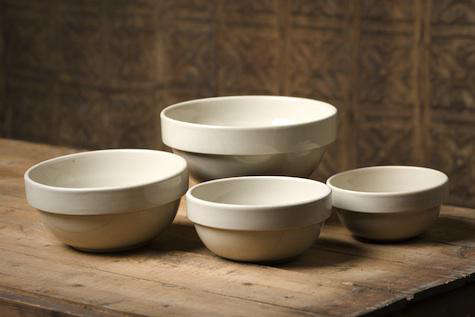
The Americana General Stoneware Mixing Bowl is the kind of kitchen piece that makes a countertop look instantly warmer, even before anyone cracks an egg. It belongs to that charming world of sturdy, old-fashioned stoneware: practical enough for pancake batter, pretty enough for open shelving, and nostalgic enough to make you wonder whether your grandmother secretly had better taste than everyone on Pinterest.
Originally associated with the Americana General stoneware line sold through High Falls Mercantile, this mixing bowl has become a small favorite among collectors, farmhouse kitchen fans, and anyone who believes a bowl should do more than merely hold flour. It should have weight, personality, and the quiet confidence of a kitchen tool that does not need a touchscreen to be useful.
Today, the bowl is often discussed in the same breath as vintage stoneware mixing bowls, yellow ware bowls, farmhouse pottery, and American country kitchen decor. Some examples appear in resale markets, usually described as vintage Americana General pottery, stoneware, spatterware, yellowware-style bowls, or bowls with star or arrow motifs. Because availability changes often, shoppers usually find them through vintage sellers, estate-style listings, or curated home goods marketplaces rather than a standard retail shelf.
What Is the Americana General Stoneware Mixing Bowl?
The Americana General Stoneware Mixing Bowl is a decorative and functional stoneware kitchen bowl inspired by classic American utility pottery. In simple terms, it is a bowl that understands biscuits, bread dough, fruit displays, Sunday gravy, and the importance of looking good while doing absolutely ordinary work.
Stoneware is a ceramic material fired at high temperatures, which generally gives it a dense, durable body. Compared with lightweight plastic mixing bowls, stoneware feels more substantial in the hand. Compared with stainless steel, it brings warmth and a softer, more traditional look. That is why stoneware mixing bowls often show up in farmhouse kitchens, cottage kitchens, country pantries, and vintage-inspired interiors.
The Americana General bowl is especially appealing because it combines everyday function with visual character. Many related pieces from the line have been seen in earthy colors such as black, green, oyster, mustard, brown, and yellow-toned finishes. Some pieces feature simple folk-inspired designs, including stars, arrows, spatterware patterns, or rustic glaze effects. The result is not flashy. It is better than flashy. It is quietly handsome, like a wooden porch that knows it has nothing to prove.
Why Stoneware Mixing Bowls Still Matter
In a world full of silicone gadgets, collapsible containers, and bowls that promise to change your life but mostly just stain orange after one pasta night, stoneware has stayed relevant for good reason. A good stoneware mixing bowl feels stable, holds temperature well, and can move gracefully from preparation to presentation.
Weight and Stability
One of the biggest advantages of a stoneware mixing bowl is its weight. When you are whisking eggs, folding muffin batter, or tossing a salad with too much enthusiasm, a heavier bowl is less likely to skate across the counter like it is training for the kitchen Olympics. The Americana General Stoneware Mixing Bowl has that grounded, no-nonsense feel people love in vintage-style pottery.
Classic Kitchen Style
A stoneware bowl does not have to hide in a cabinet. In fact, it almost seems offended by the idea. Place it on an open shelf, fill it with apples, stack it with other mixing bowls, or leave it beside a linen towel and wooden spoon. Suddenly, your kitchen looks less like a place where cereal is eaten over the sink and more like a space where pie crust might happen.
Everyday Versatility
Depending on the specific piece and its condition, stoneware bowls can be used for mixing, serving, storing dry ingredients, displaying produce, holding bread rolls, or catching keys near an entryway. Vintage or discontinued pieces should always be checked carefully before heavy food use, but the basic shape and material make them wonderfully versatile.
Design Appeal: The Americana Look
The word “Americana” carries a certain visual language: simple forms, practical materials, folk motifs, country-store charm, and a sense of home that does not need to shout. The Americana General Stoneware Mixing Bowl fits beautifully into that category. It has the spirit of old general stores, hand-thrown pottery, farm tables, and kitchens where recipes are measured with both cups and instinct.
What makes the bowl attractive is not perfection. In fact, the appeal often comes from the opposite. Slight glaze variation, handmade-looking edges, rustic patterns, and age-related marks can make a stoneware bowl feel more personal. A flawless white plastic bowl may be efficient, but it will never look like it has a story. Stoneware, on the other hand, looks like it has helped make three generations of cornbread and has opinions about margarine.
How to Use an Americana General Stoneware Mixing Bowl
The best thing about this bowl is that it does not need to be treated like a museum object unless it is rare, damaged, or purely collectible. Many stoneware bowls are happiest when they are actually used. Before using any vintage bowl with food, however, inspect it carefully for chips, cracks, crazing, unknown glaze safety, or repairs.
For Baking Prep
A stoneware mixing bowl is excellent for basic baking tasks. Use it to combine dry ingredients for pancakes, stir together biscuit dough, mix cake batter, or toss fruit with sugar before baking a cobbler. The bowl’s weight helps keep it steady while you work, especially when mixing thicker ingredients.
For Serving
The Americana General Stoneware Mixing Bowl can easily double as a serving bowl. It looks natural with mashed potatoes, roasted vegetables, dinner rolls, pasta salad, popcorn, or sliced peaches in summer. This is where stoneware shines: it moves from prep to table without looking like it wandered into the dining room by accident.
For Display
If the bowl is older, collectible, or too delicate for everyday mixing, display it instead. Fill it with lemons, apples, cloth napkins, pinecones, wooden utensils, or seasonal decor. On open shelving, a rustic stoneware bowl can act as an anchor piece that makes the whole kitchen feel more intentional.
How to Identify a Good Stoneware Mixing Bowl
When shopping for an Americana General Stoneware Mixing Bowl or a similar vintage stoneware bowl, look beyond the first pretty photo. A bowl may look charming online, but the details matter. Condition, size, glaze quality, and intended use all affect whether it is a smart buy or a decorative lesson in regret.
Check the Condition
Look for clear information about chips, cracks, crazing, stains, repairs, and glaze wear. Small signs of age can add character, but deep cracks can affect durability and cleanliness. If the seller describes the bowl as “rustic,” translate that carefully. Sometimes “rustic” means charming. Sometimes it means the bowl has survived a small kitchen war.
Look at the Size
Stoneware mixing bowls come in many sizes, from small batter bowls to large bread-dough bowls. A bowl around two cups is useful for sauces, eggs, and small prep jobs. A larger bowl is better for baking, tossing salads, or serving family-style dishes. Before buying, compare the listed dimensions with bowls you already use.
Consider the Finish
Colors such as black, green, oyster, mustard, brown, and yellow-style glazes can change the mood of a kitchen. A darker bowl feels bold and graphic. An oyster or cream tone feels softer and more flexible. A mustard or yellowware-inspired bowl brings instant country charm. Choose based on your kitchen palette, not just because the internet whispered “farmhouse” at you.
Care Tips for Stoneware Mixing Bowls
Proper care can help a stoneware bowl last for years. Newer stoneware pieces are often labeled as dishwasher safe, microwave safe, oven safe, or freezer safe, but vintage and discontinued items require more caution. When in doubt, hand wash gently and avoid extreme temperature changes.
Wash Gently
Use warm water, mild dish soap, and a soft sponge. Avoid harsh abrasives, especially on older glazes or decorated surfaces. If food sticks, soak the bowl briefly rather than attacking it like you are sanding a deck.
Avoid Thermal Shock
Stoneware can be strong, but sudden temperature changes can cause cracking. Do not move a cold bowl directly into a hot oven or place a hot bowl onto a cold stone countertop. Let temperature changes happen gradually. Your bowl enjoys drama in its design, not in its thermal environment.
Be Careful With Vintage Glazes
If a bowl is vintage, unknown, or heavily crazed, consider using it for dry foods, wrapped foods, or decoration rather than acidic or hot foods. Collectors often enjoy older stoneware as display pieces because the history and look are the main attraction.
Americana General Stoneware Mixing Bowl in Farmhouse Decor
Farmhouse decor works best when it feels collected rather than copied. The Americana General Stoneware Mixing Bowl fits naturally into this approach because it has utility and age-friendly character. It does not look like a prop pretending to be old. It looks like something that belongs on a shelf, a counter, or a big wooden table beside a cutting board and a jar of wooden spoons.
For a modern farmhouse kitchen, pair the bowl with white cabinets, butcher-block countertops, oil-rubbed bronze hardware, or open wood shelving. For a cottage kitchen, place it near floral textiles, cream pitchers, and soft painted furniture. For a more minimal kitchen, use one stoneware bowl as a single warm accent against clean lines and neutral colors.
The secret is restraint. You do not need to turn your kitchen into a historical reenactment of a general store. One beautiful stoneware bowl can do plenty of work. Add a linen towel and fresh fruit, and suddenly your countertop looks styled but not staged.
Is It Worth Buying Today?
For the right buyer, yes. The Americana General Stoneware Mixing Bowl is worth considering if you appreciate vintage kitchenware, rustic American design, collectible pottery, or functional decor. It may not be the cheapest mixing bowl you can find, and it certainly is not the lightest. But charm has weight, literally in this case.
If you want a bowl purely for heavy daily mixing, compare it with newer stoneware bowls that clearly state whether they are dishwasher, microwave, freezer, and oven safe. If you want a decorative piece with personality, the Americana General bowl is more compelling than a standard mass-produced option. And if you enjoy collecting discontinued kitchenware, it has that satisfying treasure-hunt factor.
Buying Tips for Collectors and Home Cooks
Because the original retail availability appears to be discontinued, buyers usually search resale platforms, vintage shops, antique stores, and curated decor marketplaces. That makes patience important. Condition and authenticity can vary, and prices may shift based on size, design, rarity, and seller demand.
Ask for Clear Photos
Request photos of the interior, exterior, base, rim, and any maker’s mark or backstamp. If the bowl has a star backstamp, spatterware finish, arrow motif, or other identifying detail, close-up photos can help you compare it with similar pieces.
Read Descriptions Carefully
Look for exact measurements, condition notes, and whether the bowl has chips, cracks, crazing, or repairs. A listing that says “great vintage condition” is helpful, but specific details are better. In vintage shopping, adjectives are nice; measurements are nicer.
Decide Your Purpose Before Buying
Are you buying it to use, display, collect, or gift? A small bowl may be perfect for berries or dips but too small for bread dough. A bowl with visible crazing may still be beautiful for display but less ideal for wet food preparation. Matching the bowl to your purpose prevents disappointment.
Experience: Living With an Americana General Stoneware Mixing Bowl
Using an Americana General Stoneware Mixing Bowl feels different from grabbing a lightweight plastic bowl from the cabinet. The first thing you notice is the weight. It lands on the counter with a soft, confident thud, the kitchen equivalent of saying, “Relax, I’ve got this.” That stability matters when you are making pancake batter on a sleepy Saturday morning or stirring together cornbread while someone keeps asking when dinner will be ready.
In daily use, the bowl becomes less of an object and more of a kitchen habit. It is the bowl you reach for when you want cooking to feel a little slower and more satisfying. Whisking eggs in stoneware somehow feels more intentional. Tossing peaches with sugar for a quick dessert feels like something borrowed from a handwritten recipe card. Even serving popcorn in it makes movie night look slightly more civilized, despite the fact that everyone is still eating in socks.
One of the nicest experiences is leaving the bowl out instead of hiding it away. Many kitchen tools work hard but look terrible doing it. This one earns its counter space. Filled with apples, it becomes a centerpiece. Stacked with linen napkins, it looks styled. Holding wooden spoons, it gives the kitchen that relaxed country-store feeling without requiring you to churn butter or own a rooster.
The bowl also teaches a small lesson about buying better, not just buying more. A stoneware mixing bowl is not a trendy gadget that gets used twice and then migrates to the back of a drawer with the avocado slicer and other good intentions. It has staying power because its usefulness is simple. You can mix in it, serve from it, decorate with it, and enjoy it even when it is empty.
There are practical realities, of course. Stoneware is heavier than plastic, so it may not be ideal for every cook or every task. If the bowl is vintage, you need to be thoughtful about care and food use. Hand washing may be the safest option, and it is wise to avoid sudden temperature changes. But these little rituals can actually add to the pleasure. Caring for a beautiful bowl makes it feel less disposable and more connected to the rhythm of the kitchen.
The Americana General Stoneware Mixing Bowl is especially satisfying for people who like objects with character. It does not scream for attention. It simply sits there looking useful, handsome, and quietly nostalgic. In a modern kitchen filled with blinking appliances and too many charging cords, that kind of calm is refreshing. It reminds you that some of the best kitchen tools are not complicated. They are well-shaped, well-made, and ready for whatever you are cooking next.
Conclusion
The Americana General Stoneware Mixing Bowl is more than a mixing bowl. It is a piece of practical Americana: durable, decorative, nostalgic, and genuinely useful. Whether you use it for baking, serving, collecting, or styling a farmhouse kitchen, it brings warmth and personality to everyday routines.
Its appeal comes from a rare balance. It feels old-fashioned without being fussy, decorative without being useless, and sturdy without being dull. For home cooks, it offers stability and charm. For collectors, it offers the thrill of a discontinued piece with rustic character. For decorators, it offers an easy way to make a kitchen feel lived-in, layered, and welcoming.
If you find one in good condition, take a closer look. The right stoneware bowl can become the kind of kitchen piece you use for years, display with pride, and maybe one day pass along with a recipe that includes the phrase “add flour until it looks right.” Honestly, that may be the most Americana thing of all.












