
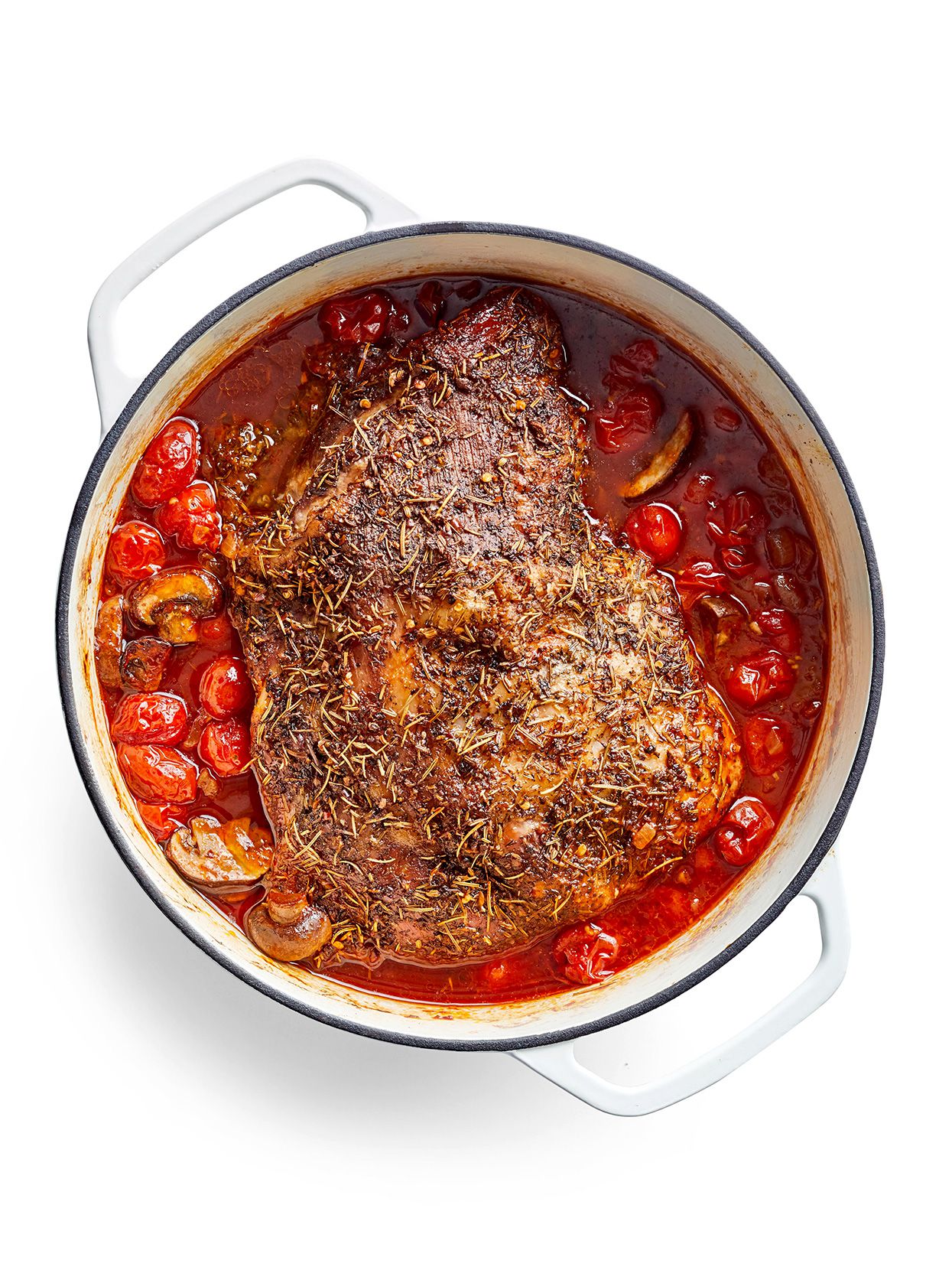
If Sunday dinner had a fragrance, it would probably smell like garlic, rosemary, fennel, olive oil, and a pork roast sizzling away until the kitchen feels like a tiny trattoria. This Italian pork roast recipe is hearty, deeply savory, and surprisingly simple. It gives you golden edges, juicy slices, a pan sauce worth guarding with a spoon, and leftovers that may cause serious sandwich-related happiness.
The beauty of Italian-style pork roast is that it does not rely on complicated tricks. It is built on classic flavor: fresh herbs, crushed garlic, citrus, fennel seed, black pepper, olive oil, and a splash of white wine or broth. The roast is seasoned generously, seared for color, roasted until tender, rested properly, then sliced into juicy portions. In other words, it behaves like a holiday centerpiece but does not demand holiday-level stress.
This recipe is designed for a boneless pork loin roast, which is easy to find in American grocery stores and slices beautifully. You can also adapt the same flavor profile for pork shoulder if you prefer a richer, slower-cooked roast. Either way, the goal is simple: tender pork, Italian herbs, a fragrant crust, and a table full of people suddenly pretending they were “just walking through the kitchen.”
Why This Italian Pork Roast Works
A great pork roast needs three things: enough seasoning, enough moisture, and enough patience. Pork loin is lean, so it benefits from a bold herb paste and careful roasting. The olive oil helps carry the flavor, garlic adds warmth, rosemary brings that unmistakable Italian countryside aroma, and fennel seed gives the roast a subtle sausage-like depth without making it heavy.
The method also uses a short sear before roasting. Searing does not “lock in juices,” despite what kitchen folklore may whisper, but it does create a flavorful browned crust. That crust matters. It turns a pale roast into something that looks impressive enough for guests and tastes like you made a bigger effort than you actually did.
The final secret is the rest. Once the roast comes out of the oven, it needs time for the juices to settle. Slice too soon and your cutting board gets dinner before you do. Resting keeps the meat tender and helps every slice stay moist.
Ingredients for Italian Pork Roast
For the Pork
- 1 boneless pork loin roast, about 3 to 4 pounds
- 2 tablespoons extra-virgin olive oil
- 5 garlic cloves, minced
- 1 tablespoon fresh rosemary, finely chopped
- 1 tablespoon fresh sage or thyme, finely chopped
- 1 teaspoon dried oregano
- 1 teaspoon fennel seeds, lightly crushed
- 1 teaspoon kosher salt, plus more to taste
- 1/2 teaspoon freshly ground black pepper
- 1/2 teaspoon crushed red pepper flakes, optional
- Zest of 1 lemon
- 1 tablespoon lemon juice
For the Roasting Pan
- 1 large onion, sliced
- 1 fennel bulb, sliced, optional but excellent
- 1 cup dry white wine or low-sodium chicken broth
- 1/2 cup crushed tomatoes or tomato passata, optional
- 2 tablespoons unsalted butter, optional for finishing the sauce
- Fresh parsley for serving
How to Make Italian Pork Roast
Step 1: Pat the Pork Dry
Place the pork loin on a cutting board and pat it dry with paper towels. This small step makes a big difference. A dry surface browns better, and browning is where the flavor party starts. If the roast has a thick fat cap, leave a thin layer in place. Fat adds flavor and helps protect the lean meat from drying out.
Step 2: Make the Italian Herb Paste
In a small bowl, mix olive oil, minced garlic, rosemary, sage or thyme, oregano, crushed fennel seeds, salt, black pepper, red pepper flakes, lemon zest, and lemon juice. The mixture should look like a rustic paste. It will smell powerful, which is exactly what you want. If your kitchen suddenly feels more charming, that is the rosemary doing public relations.
Step 3: Season the Roast Generously
Rub the herb paste all over the pork, including the sides and ends. If you have time, place the seasoned roast uncovered in the refrigerator for at least 2 hours or overnight. This gives the salt time to season the meat more deeply. If dinner is already breathing down your neck, even 30 minutes at room temperature will help.
Step 4: Sear for Color
Preheat the oven to 350°F. Heat a large oven-safe skillet, Dutch oven, or roasting pan over medium-high heat. Add a little olive oil if needed, then sear the pork on all sides until golden brown, about 2 to 3 minutes per side. Do not rush this step. Golden brown is flavor. Gray is just pork wearing sweatpants.
Step 5: Add Aromatics and Liquid
Remove the pork briefly and scatter the sliced onion and fennel in the pan. Place the pork back on top. Pour in the white wine or broth, scraping up any browned bits from the bottom. Add crushed tomatoes if you want a slightly richer, more rustic Italian pan sauce. The liquid should not cover the pork; it should sit around it and create steam, sauce, and deliciousness.
Step 6: Roast Until Juicy and Tender
Transfer the pan to the oven and roast until the thickest part of the pork reaches 145°F on an instant-read thermometer. For a 3- to 4-pound pork loin, this usually takes about 60 to 80 minutes, depending on the exact shape of the roast and your oven. Start checking early. Pork loin can go from juicy to dry faster than a dinner guest can say, “I brought an appetite.”
Step 7: Rest Before Slicing
Move the pork to a cutting board and tent it loosely with foil. Let it rest for at least 10 to 15 minutes. During this time, the juices redistribute and the temperature stabilizes. This is also your moment to finish the sauce, warm the side dishes, and look calm even if the sink currently resembles a cooking competition finale.
Step 8: Finish the Pan Sauce
Place the roasting pan over medium heat. Simmer the onions, fennel, and liquid until slightly reduced. Stir in butter if you want a glossy finish. Taste and adjust with salt, pepper, or a squeeze of lemon juice. Spoon the sauce over the sliced pork and sprinkle with fresh parsley.
Best Cut of Pork for Italian Pork Roast
Pork loin roast is the best choice when you want clean, tender slices. It is lean, mild, and perfect for soaking up Italian herbs. It cooks relatively quickly and works well for family dinners, holidays, or meal prep.
Pork shoulder is better if you want a richer, fall-apart roast. It contains more fat and connective tissue, so it needs a longer cooking time at a lower temperature. The flavor is deeper, and the leftovers are fantastic tucked into sandwiches, pasta, polenta, or a bowl of beans.
Pork tenderloin can use the same seasoning, but it cooks much faster. If using tenderloin, roast at 400°F and begin checking the temperature around 18 to 22 minutes. Tenderloin is not the same as pork loin, even though grocery-store labels sometimes seem determined to test everyone’s patience.
Italian Flavor Variations
Porchetta-Style Pork Roast
For a porchetta-inspired version, increase the fennel seed, add more rosemary, and include a little sage. You can also butterfly the roast, spread the herb paste inside, roll it, and tie it with kitchen twine. This gives every slice a spiral of flavor and makes the roast look extra impressive.
Tomato-Braised Italian Pork Roast
Add crushed tomatoes, red wine, onions, garlic, and herbs to the roasting pan. This creates a more saucy version that feels right at home with pasta, creamy polenta, or crusty bread. It is especially good with pork shoulder.
Spicy Calabrian-Style Roast
Add Calabrian chili paste or extra red pepper flakes to the herb rub. The heat should support the pork, not bully it. A little spice wakes up the richness and makes the leftovers wildly good in sandwiches.
What to Serve With Italian Pork Roast
This roast plays well with many side dishes. For a classic Italian-American dinner, serve it with roasted potatoes, sautéed green beans, garlic bread, and a simple salad. For something cozier, pair it with creamy polenta and spoon the pan sauce over everything. The polenta will not complain.
Roasted vegetables are another excellent choice. Carrots, fennel, onions, Brussels sprouts, and potatoes can roast beautifully alongside the pork. If you want a lighter plate, serve the pork with arugula salad dressed with lemon juice, olive oil, shaved Parmesan, and cracked pepper.
For leftovers, slice the pork thin and layer it on ciabatta with provolone, roasted peppers, arugula, and a spoonful of pan sauce. Heat it until the cheese melts. Congratulations, you have just turned yesterday’s dinner into today’s lunch victory parade.
Tips for a Juicy Italian Pork Roast
- Use a thermometer. Guessing is risky, and cutting into the roast releases juices.
- Do not overcook lean pork loin. Pull it from the oven when it reaches 145°F in the thickest part.
- Let it rest. Resting gives you cleaner slices and juicier meat.
- Season early if possible. A few hours in the fridge improves flavor.
- Slice against the grain. This keeps each bite more tender.
- Do not skip the pan sauce. It turns a good roast into a memorable one.
Storage and Reheating
Store leftover Italian pork roast in an airtight container in the refrigerator for up to 3 to 4 days. Keep the pan sauce with the meat if possible because it helps prevent dryness. For longer storage, freeze sliced pork with a little sauce for up to 2 months.
To reheat, place slices in a covered skillet with a splash of broth or sauce over low heat until warmed through. Avoid blasting pork loin in the microwave for too long, unless your goal is to create very expensive shoe leather. Gentle heat is the friend of leftovers.
Frequently Asked Questions
Can I make Italian pork roast ahead of time?
Yes. You can season the pork up to 24 hours ahead and refrigerate it uncovered or loosely covered. This improves flavor and makes dinner easier the next day.
Can I use red wine instead of white wine?
Absolutely. White wine gives a lighter, brighter sauce, while red wine creates a deeper, richer flavor. Both work beautifully with garlic, rosemary, and fennel.
Should Italian pork roast be covered while cooking?
For pork loin, roast it uncovered so the surface browns nicely. If it begins to darken too much before the center is done, tent it loosely with foil. For pork shoulder, covered braising is often better because the longer cooking time needs moisture.
What herbs are best with pork roast?
Rosemary, sage, thyme, oregano, parsley, and fennel seed are all excellent with pork. Rosemary and fennel are especially important for a classic Italian flavor.
Conclusion
This Italian pork roast recipe is the kind of meal that feels generous without being fussy. It uses simple ingredients, but the results are full of character: juicy pork, a garlicky herb crust, savory pan juices, and enough aroma to make everyone wander into the kitchen asking, “Is it ready yet?”
The recipe works because it respects the pork. It seasons boldly, cooks carefully, rests patiently, and finishes with a sauce that captures every bit of flavor from the pan. Whether you serve it for Sunday dinner, a holiday meal, or a weeknight when you want leftovers that actually excite you, this roast delivers comfort with Italian flair.
Kitchen Experience: What Cooking Italian Pork Roast Teaches You
The first thing you learn from making Italian pork roast is that simple food can still feel special. There is no dramatic pastry work, no tower of tiny garnishes, and no need to whisper French words at the stove. You take a good piece of pork, season it with confidence, give it heat, give it time, and suddenly dinner has presence. It is the kind of recipe that makes a home kitchen feel warmer before anyone even takes a bite.
One of the best experiences with this dish is the way the aroma builds. At first, the garlic smells sharp and bold. Then the rosemary begins to bloom in the oil. After the roast goes into the oven, fennel and onion soften into the pan juices, and the whole kitchen develops that unmistakable “something wonderful is happening” fragrance. People may not know exactly what is cooking, but they will know they want to be nearby. This is a powerful recipe if your household includes snackers, curious relatives, or anyone who claims they are “not that hungry” and then eats three slices.
Italian pork roast also teaches patience in a practical way. The hardest part is often not the chopping, rubbing, searing, or roasting. It is waiting after the pork comes out of the oven. That resting period feels unnecessary when the roast looks perfect and everyone is holding a plate, but it matters. Slice immediately and the juices run everywhere. Wait a little, and the meat rewards you with tender, clean slices. It is a tiny cooking lesson that applies to more than pork: sometimes the best results happen when you stop poking things and let them settle.
Another useful experience is learning how flexible Italian flavors can be. Once you understand the base combination of garlic, herbs, olive oil, fennel, pepper, and wine, you can adjust it to your taste. Add lemon for brightness. Add tomatoes for rustic comfort. Add chili for heat. Add potatoes to the pan when you want a built-in side dish. Make it elegant with white wine and fennel, or make it hearty with red wine and tomatoes. The recipe gives you structure, but it does not boss you around.
The leftovers may be the most convincing argument for making the roast in the first place. Cold slices are excellent in sandwiches with provolone and roasted peppers. Chopped pork can be folded into pasta with a little pan sauce. Thin slices can be served over salad with Parmesan and lemon. If you made extra sauce, you are basically already halfway to another dinner. That is the quiet magic of a well-cooked roast: it feeds you once, then keeps helping.
Most importantly, this recipe builds confidence. Pork roast sometimes intimidates home cooks because lean pork can dry out, but a thermometer removes the guesswork. Once you cook it properly one time, the fear disappears. You realize that the process is manageable, repeatable, and forgiving when handled with care. By the time you carry the sliced roast to the table, spoon sauce over the top, and watch everyone reach for seconds, you understand why recipes like this never really go out of style. They are not trendy. They are dependable, delicious, and just dramatic enough to make dinner feel like an occasion.













