
If you have ever stood in front of a commercial coffee machine while a line of sleepy customers formed in front of you, congratulations: you have experienced one of hospitality’s great pressure-cooker moments. These machines look impressive, sound powerful, and cost enough money to make your accountant breathe into a paper bag. The good news is that learning how to use a commercial coffee machine is not magic. It is a repeatable workflow.
Whether you are working with a batch brewer in a restaurant, a bean-to-cup unit in an office, or an espresso machine in a café, the basics are surprisingly similar. You need clean equipment, good water, fresh coffee, a consistent recipe, and a little patience. The machine does a lot of the heavy lifting, but the operator still makes the difference between “Wow, that’s great coffee” and “Why does this taste like burnt Monday?”
This guide walks through the process in nine simple steps. It is written for real-world use, which means it covers practical habits, common mistakes, and the tiny details that keep service smooth when the rush hits.
Before You Start: What Counts as a Commercial Coffee Machine?
The term commercial coffee machine can describe a few different workhorses: drip brewers, satellite brewers, pourover brewers, automatic bean-to-cup machines, and commercial espresso machines. Each model has different controls, but the overall routine stays familiar. You prepare the machine, check water and coffee, set your recipe, brew, serve, and clean.
So while this article uses the broad phrase “commercial coffee machine,” the steps below are designed to work for most coffee service setups. If your machine has model-specific buttons, brew volumes, or cleaning cycles, always follow your manufacturer’s manual first. Think of this guide as the universal playbook.
Step 1: Learn the Machine Before You Touch the Coffee
This is the least glamorous step, which is exactly why beginners skip it. Do not be that person. Before brewing anything, learn the basics of your machine: where the power switch is, how long it takes to heat up, where the water line connects, how the filter basket or portafilter locks in, where the steam wand is, and how to stop a brew cycle in an emergency.
Commercial machines are designed for speed, heat, and repeated use. Translation: they are wonderful until someone starts pressing buttons like they are defusing a movie bomb. Spend a few minutes identifying the brew buttons, the hot water outlet, the pressure or temperature indicators, and any automatic cleaning settings.
If you run a café or restaurant, create a short machine cheat sheet for staff. A laminated card near the station can save an entire morning shift from chaos. Include warm-up time, brew dose, target drink sizes, cleaning reminders, and a note that says something dramatic like, “Do not leave milk crust on the steam wand.” Sometimes shame is efficient.
Step 2: Power On, Warm Up, and Check Water
A commercial coffee machine should never be rushed from cold to busy service. Turn it on early enough for a full warm-up. Espresso machines need time for the group heads, boilers, and internal metal parts to stabilize. Batch brewers also need time to reach proper brewing temperature. If you try to brew too early, your coffee may taste flat, weak, sour, or otherwise deeply disappointing.
Water deserves its own spotlight because it is not just an ingredient. It is most of the cup. If the water tastes off, the coffee will too. Hard water can also leave mineral scale inside the machine, which hurts performance over time. Make sure the machine is connected properly, filters are in place if your setup uses them, and the water supply is turned on.
This is also a good time to flush the system if your machine requires it. A quick flush through the group head, hot water tap, or brew line helps stabilize temperature and clear out old residue. Think of it as waking the machine up with a splash of cold water on the face, except less rude and more hygienic.
Step 3: Start with Fresh Beans and the Right Grind
A fancy machine cannot rescue stale coffee. Start with fresh beans stored properly in a cool, dry place. Keep lids closed, avoid heat, and do not let coffee sit exposed all day unless you enjoy serving cardboard-scented regret.
For espresso service, your grinder matters almost as much as the machine. Grind size affects extraction speed and flavor. If the grind is too coarse, the shot may run too fast and taste sour or thin. If it is too fine, the shot may choke the machine or taste bitter and harsh. For drip brewers, the grind should match the basket and brew style. Too fine can over-extract and clog. Too coarse can make coffee taste weak and watery.
Consistency is king here. Choose a dose recipe and stick to it. If your espresso basket works best with a certain weight, keep using that weight. If your batch brewer recipe calls for a specific coffee-to-water ratio, follow it every time. Commercial coffee service falls apart when every employee invents a new recipe before 9:00 a.m.
Step 4: Prep the Basket, Portafilter, or Brew Funnel Correctly
Now it is time to load the coffee. For batch brewers, insert the filter paper correctly, add the measured grounds, level them gently, and slide the brew funnel or basket into place. For espresso machines, make sure the portafilter basket is clean and dry before dosing. A wet basket can affect the puck and throw off your shot.
If you are pulling espresso, distribute the grounds evenly and tamp with steady pressure. You do not need to slam the tamper like you are trying to break through concrete. You just need a level, even bed of coffee so water flows through the puck consistently. Uneven prep can cause channeling, where water finds weak spots and rushes through them, leaving you with a sad, uneven extraction.
This step is all about building repeatability. Commercial coffee is not about dramatic artistic suffering. It is about doing the simple things the same way every time.
Step 5: Brew a Test Cup or Test Shot First
Before service gets busy, brew one test batch or pull one test shot. This is your reality check. Smell it. Taste it. Look at the extraction. If you are making espresso, check whether the shot time and yield land near your target. If you are brewing drip coffee, taste for balance, strength, and cleanliness.
A good espresso shot should not gush out in a blink, nor should it crawl out like it is reconsidering its life choices. A balanced drip brew should taste full and clear, not muddy or hollow. If the coffee is off, adjust one variable at a time. Usually that means grind size first, then dose, then brew settings if your machine allows them.
This step saves money in the long run because it prevents a whole line of bad drinks. One test beverage is cheaper than twelve customer remakes and one terrible online review that mentions the phrase “dishwater latte.”
Step 6: Brew the Drink and Watch the Process
Once the setup is dialed in, start brewing. Place the cup, server, carafe, or airpot securely under the machine before pressing start. That sounds obvious, but anyone who has watched hot coffee pour directly onto the counter knows “obvious” is not always operational.
For espresso drinks, lock the portafilter in firmly and begin the shot immediately after dosing and tamping. Letting prepared espresso sit too long before brewing can reduce freshness and consistency. Watch the extraction. For batch brewers, let the cycle finish fully and allow the drip-out phase to complete before moving the container.
Do not wander off mid-brew unless your machine is fully automatic and you have complete confidence in it. Even then, stay nearby. Commercial coffee equipment is reliable, but it is still a device that combines heat, water, pressure, and humans. That is never a combination you ignore casually.
Step 7: Steam Milk or Add Hot Water the Right Way
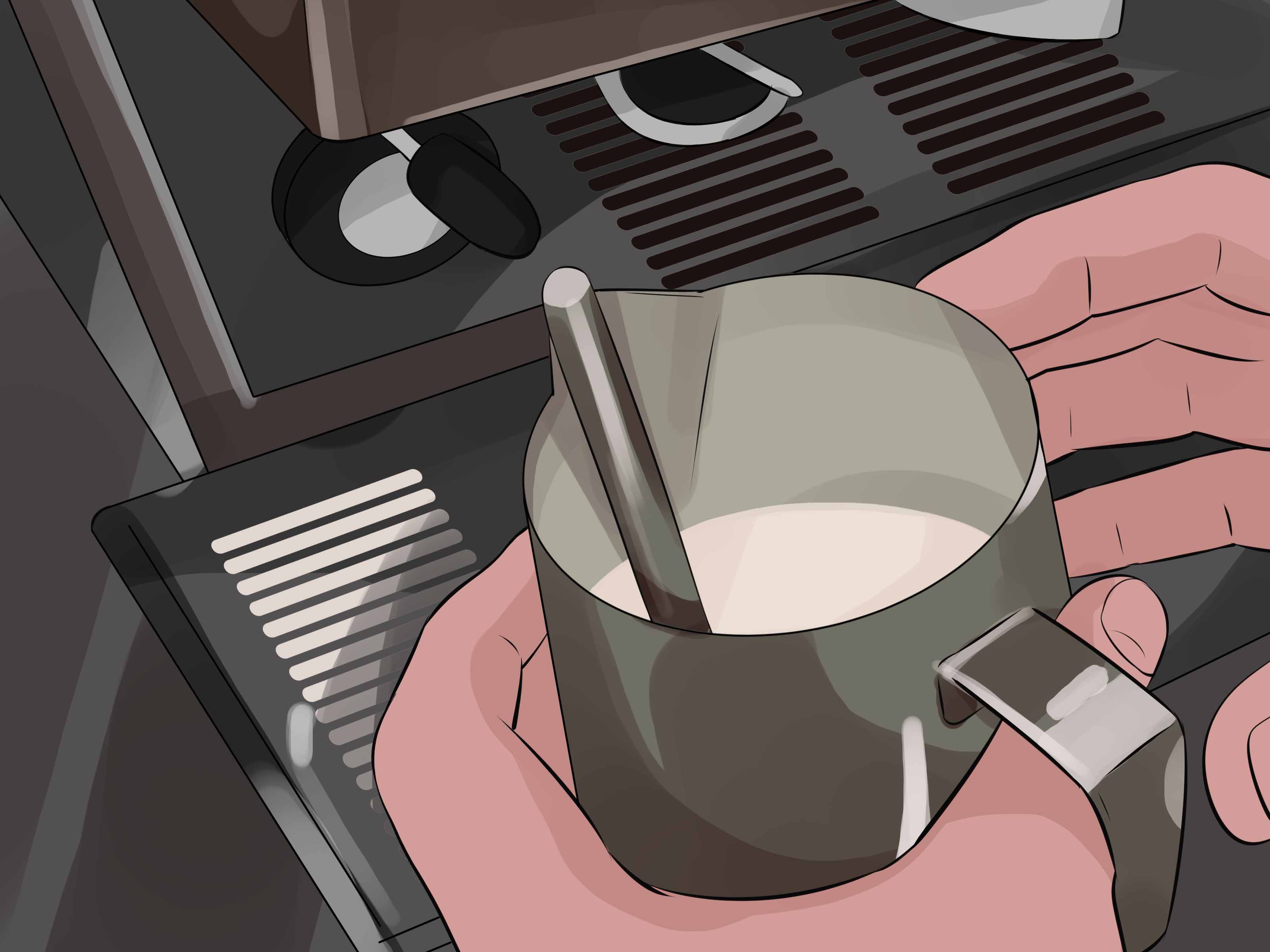
If your commercial coffee machine includes espresso service, milk handling becomes part of the job. Start with cold milk in a clean pitcher. Purge the steam wand briefly before steaming to clear condensation. Position the wand tip just below the milk surface to introduce air at the beginning, then lower it slightly deeper to continue heating and texturing.
The goal is smooth microfoam, not soap bubbles that look like a child washed the dishes. When the pitcher becomes hot but still manageable, stop steaming. Wipe the wand immediately and purge it again. Every single time. Not sometimes. Not “when it looks dirty.” Every time.
If your machine has a hot water spout for Americanos or tea service, flush it briefly if needed and use the correct volume. Precision matters. Adding random amounts of water because “it looks about right” is how drink consistency quietly dies.
Step 8: Serve Quickly and Reset the Station
Coffee is best when it is served promptly. Espresso loses its ideal texture and aroma quickly. Brewed coffee also fades when it sits too long on heat. Once the drink is ready, serve it fast and move immediately into reset mode.
For espresso, knock out the puck, rinse if your workflow calls for it, wipe the basket, and prepare for the next order. For brewers, discard used grounds and filters after the cycle, then clean up drips and splashes around the station. Refill beans, restock cups, and check milk levels before the next rush wave rolls in like an angry caffeinated tide.
The best baristas and coffee station operators are not just good at making drinks. They are good at recovering fast. A clean, reset station reduces mistakes, speeds service, and helps every drink start from a better place.
Step 9: Clean Daily, Deep-Clean on Schedule
This is the step that separates a professional coffee setup from a flavor crime scene. Daily cleaning is non-negotiable. Wipe external surfaces, clean brew baskets and funnels, empty grounds, rinse servers, purge and wipe steam wands, and run any manufacturer-recommended cleaning cycle.
For espresso machines, that may include backflushing, soaking baskets and portafilters with an approved cleaner, and brushing group heads. For drip brewers, it may include cleaning sprayheads, brew cones, decanters, dispensers, and deliming according to schedule. Use cleaners designed for coffee equipment, and rinse thoroughly afterward.
Build a maintenance calendar for descaling, water filter changes, gasket inspection, grinder burr checks, and technician service visits. A commercial coffee machine is an investment, and maintenance protects flavor, safety, speed, and repair costs. Ignore cleaning long enough and your machine will eventually send you an invoice written in steam and sadness.
Common Mistakes to Avoid
Using old coffee
Stale beans make stale drinks. Simple, brutal, true.
Skipping the warm-up
A machine that is not fully ready rarely makes great coffee.
Guessing the dose
Eyeballing works for throwing pasta into a pot, not for consistent coffee service.
Ignoring water quality
Bad water hurts flavor and machine health at the same time. That is efficiency in the worst possible direction.
Cleaning only when something looks gross
By the time it looks gross, it has already affected taste.
Final Thoughts
Learning how to use a commercial coffee machine comes down to routine, consistency, and respect for the equipment. The machine is powerful, but it still relies on the operator to do the basics well: warm it up, use fresh coffee, prep correctly, brew carefully, serve fast, and clean like you mean it.
The beauty of a solid coffee workflow is that it turns stress into rhythm. Once the nine steps become habit, the machine feels less like an intimidating stainless-steel robot and more like a dependable coworker. A very hot, expensive coworker. But dependable.
Real-World Experience: What People Learn After Using a Commercial Coffee Machine for a While
Here is something no one tells beginners on day one: using a commercial coffee machine gets easier fast, but mastering it takes repetition. In the first week, most people focus on buttons, brew times, and whether they are about to accidentally spray coffee in three directions. By the third week, they start noticing the details that actually make service smoother.
One of the biggest lessons from real experience is that consistency beats speed at first. New operators often rush because they do not want to keep customers waiting. Ironically, rushing usually creates more delays. A crooked filter, sloppy tamp, missed purge, or forgotten rinse can lead to remakes, messes, and machine hiccups. The people who become truly efficient are usually the ones who slow down just enough to do each step correctly. Then speed shows up as a side effect.
Another common experience is learning how much the environment affects coffee. On one day, the same espresso recipe might run beautifully. On another, humidity, bean age, or grinder behavior may change the extraction. That is why experienced baristas and restaurant staff do not rely only on habit. They watch, taste, and make small adjustments. Over time, they become less surprised by change and more comfortable responding to it.
Busy service also teaches the value of station discipline. Operators who keep towels folded, pitchers rinsed, beans stocked, and waste bins emptied tend to stay calmer during a rush. The machine may be the center of the station, but workflow is what keeps the whole operation from turning into a caffeinated obstacle course. Many coffee pros will tell you that a clean station feels faster even when the number of orders stays the same.
There is also the maintenance lesson. At first, cleaning feels like the boring part that happens after the “real work.” Later, most teams realize the opposite is true. Good cleaning is what makes the next shift easier. A machine that was properly flushed, wiped, and maintained the night before usually behaves better in the morning. The opening staff gets better coffee, fewer surprises, and a much lower chance of saying, “Why is this thing making that noise?”
Perhaps the most useful experience-related insight is that confidence grows from patterns, not perfection. Everyone has a spill story. Everyone has steamed milk too hot at least once. Everyone has forgotten to place the cup correctly at some point and created a very memorable countertop event. What matters is building a reliable routine that catches mistakes early. Once that routine is in place, using a commercial coffee machine becomes less about panic and more about rhythm, judgment, and good habits that hold up under pressure.
In other words, the machine does not need a hero. It needs someone steady, attentive, and willing to clean the steam wand immediately. That last part alone can save friendships, flavor, and probably several repair calls.












