Medical note: This article is for general education and should not replace care from a qualified healthcare professional. Seek medical attention for severe, worsening, unexplained, or injury-related abdominal pain, especially with fever, vomiting, chest pain, faintness, a visible bulge, numbness, or pain that does not improve with rest.
Introduction: When Your Side Abs File a Complaint
A pulled oblique muscle can make ordinary activities feel oddly dramatic. You twist to grab your backpack, sneeze, laugh at a bad joke, roll out of bed, or reach for a top shelfand suddenly your side says, “Absolutely not.” The oblique muscles sit along the sides of your abdomen and help you rotate, bend, brace, breathe deeply, and stabilize your trunk. When one of these muscles is overstretched or partially torn, the result is an oblique strain, often called a pulled oblique muscle.
The good news: many mild to moderate oblique muscle strains improve with smart home care, patient movement, and a gradual return to activity. The not-so-good news: trying to “walk it off” by doing sit-ups, heavy lifting, or hero-level gym behavior can turn a small strain into a clingy roommate. This guide explains how to treat a pulled oblique muscle in 11 practical steps, how to recognize warning signs, and how to rebuild your core without accidentally restarting the injury’s subscription plan.
What Is a Pulled Oblique Muscle?
Your obliques are part of your abdominal muscle group. The external obliques are closer to the surface, while the internal obliques sit deeper. Together, they help you rotate your torso, bend sideways, support your spine, and brace your core during movement. A pulled oblique muscle happens when these fibers are stretched beyond their limit. This may occur during sports, weightlifting, coughing, sudden twisting, poor exercise form, or even an awkward reach that looked completely harmless until your body voted otherwise.
Common symptoms include sharp or aching pain on one side of the abdomen, tenderness, muscle tightness, discomfort when twisting or bending, pain with coughing or sneezing, and weakness when trying to brace the core. A mild strain may feel like a nagging side stitch that overstayed its welcome. A more serious strain may make it difficult to stand upright, breathe deeply, or move normally.
How to Treat a Pulled Oblique Muscle: 11 Steps
1. Stop the Activity That Triggered the Pain
The first step is simple, but people often ignore it because optimism is cheaper than physical therapy. If you feel a sudden pull, pinch, sharp pain, or tearing sensation in your side abdomen, stop what you are doing. Continuing to swing, lift, run, or twist can worsen the muscle strain.
Stopping does not mean collapsing into a couch forever. It means protecting the injured area from the exact motion that caused pain. For example, if the pain appeared during baseball, tennis, golf, deadlifts, planks, or Russian twists, pause that activity. Give your oblique muscle a chance to calm down before asking it to perform again.
2. Check for Red Flags Before Assuming It Is “Just a Strain”
Abdominal pain can come from muscles, but it can also come from organs, hernias, infections, digestive problems, or other conditions. A pulled oblique usually hurts more with movement, twisting, coughing, or pressing on the muscle. Still, do not play guessing games with serious symptoms.
Get medical help quickly if you have severe abdominal pain, pain after a hard fall or direct blow, chest pain, shortness of breath, fainting, fever, repeated vomiting, blood in stool or urine, a new bulge in the abdomen or groin, numbness, tingling, or pain that is getting worse instead of better. Also see a healthcare provider if you cannot stand upright, cannot take a deep breath without major pain, or the injury does not improve after several days of careful home treatment.
3. Use Relative Rest for the First 24 to 48 Hours
Rest is helpful, but total stillness is not always the goal. For a pulled oblique muscle, think “relative rest.” Avoid painful movements, heavy lifting, aggressive stretching, and core exercises. At the same time, gentle walking and easy daily movement may help prevent stiffness, as long as they do not increase pain.
During the first day or two, your job is to avoid poking the bear. Do not test your injury every hour with a dramatic twist in the mirror. Do not attempt “just one plank” to see how it feels. Spoiler: it may feel bad. Let the irritated muscle settle before moving to the next stage.
4. Apply Ice During the Early Phase
Ice can help reduce pain and calm early swelling after a muscle strain. Wrap an ice pack or a bag of frozen vegetables in a thin towel and apply it to the sore area for about 15 to 20 minutes at a time. You can repeat this several times per day during the first 24 to 48 hours.
Never place ice directly on bare skin, unless you want your skin to join the complaint department. Also, do not fall asleep with an ice pack on your side. The goal is pain relief, not turning your abdomen into a frozen dinner.
5. Consider Gentle Compression If It Feels Supportive
Compression is easier for arms and legs than for the abdomen, but some people feel better with light support. A soft abdominal wrap or compression shirt may reduce the “pulling” feeling during gentle movement. The key word is light. A wrap should not restrict breathing, increase pain, cause numbness, or make you feel like a suitcase being forced shut before vacation.
If compression feels uncomfortable, skip it. Oblique strains are not always easy to compress effectively, and comfort matters. Supportive clothing can be useful for short periods, but it is not a substitute for healing, rehab, or avoiding painful movements.
6. Manage Pain Safely
Over-the-counter pain relievers may help, but they should be used carefully. Acetaminophen may reduce pain without affecting inflammation. Nonsteroidal anti-inflammatory drugs, such as ibuprofen or naproxen, may also help some people, but they are not right for everyone. People with stomach ulcers, kidney disease, bleeding risks, certain medical conditions, or those taking specific medications should ask a healthcare professional before using them.
Avoid using pain medicine as a permission slip to return to full activity too soon. Pain relief is helpful, but it can also trick you into thinking the muscle is ready before the tissue has recovered. That is how a two-week problem becomes a six-week saga with bonus frustration.
7. Switch to Heat After the First Few Days If Stiffness Remains
After the first 48 to 72 hours, heat may feel better than ice, especially if the area feels tight or stiff. A warm compress, heating pad on a low setting, or warm shower can relax the surrounding muscles before gentle movement. Use heat for about 15 to 20 minutes, and avoid high temperatures that can irritate the skin.
A useful pattern is heat before gentle mobility and ice afterward if the area feels sore. Think of heat as the friendly warm-up coach and ice as the calm-down assistant. Neither should be used to force your body into movements it is not ready for.
8. Begin Gentle Mobility When Pain Starts Improving
Once sharp pain settles, gentle mobility can help restore normal movement. Start with easy breathing exercises, relaxed walking, and small pain-free motions. Deep belly breathing can be surprisingly helpful because the abdominal wall moves with each breath. Place one hand on your abdomen and breathe slowly, letting the belly rise and fall without forcing it.
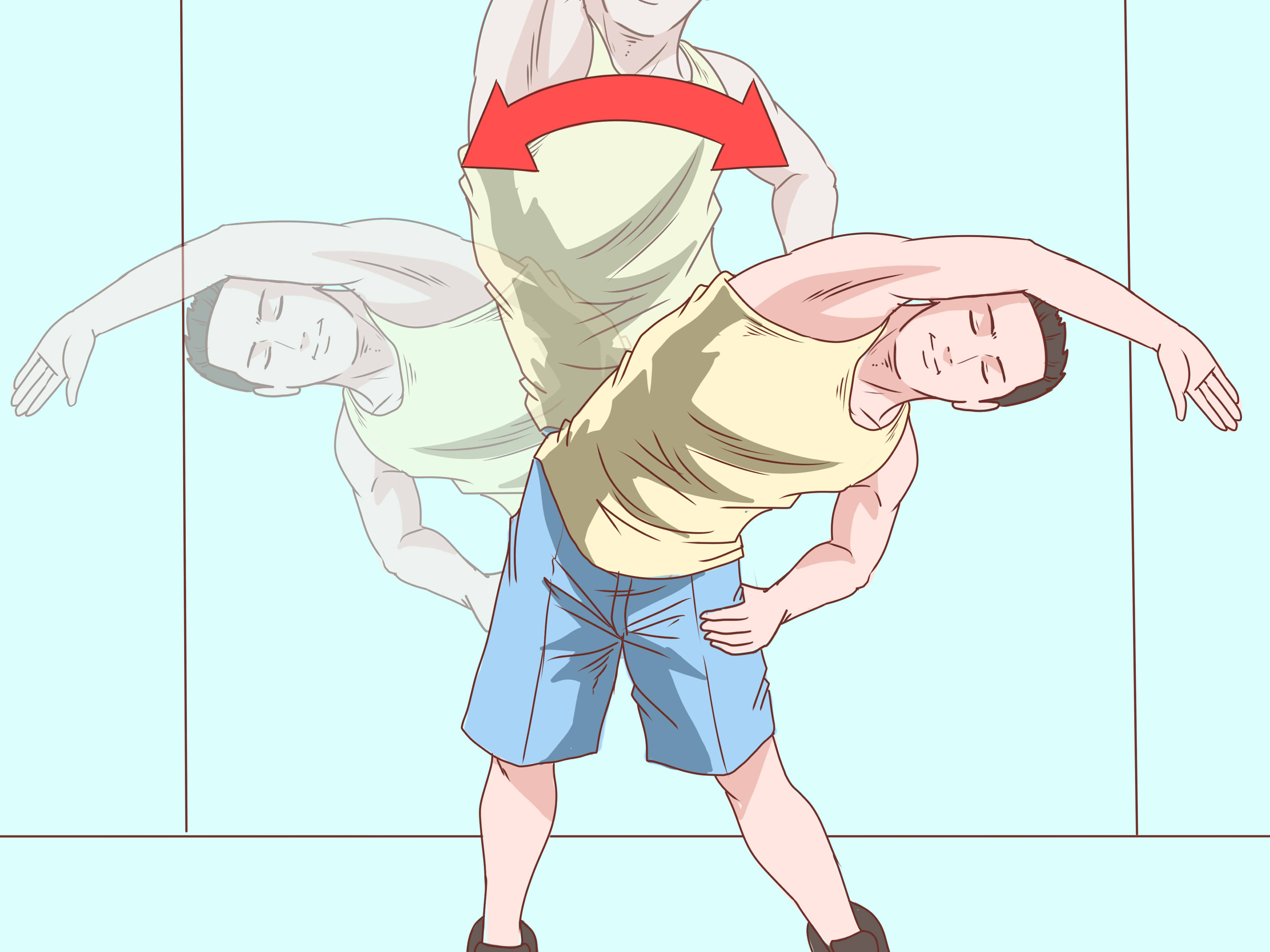
You can also try gentle side bends or trunk rotations within a comfortable range. The rule is simple: mild tightness is acceptable; sharp pain is not. If a movement makes you wince, hold your breath, or invent new words, it is too much for now.
9. Rebuild Core Strength Gradually
When daily movement is comfortable and tenderness has improved, begin gentle core activation. Start with low-stress exercises such as pelvic tilts, dead bugs with limited range, heel slides, or standing anti-rotation holds using very light resistance. The goal is not to punish your abs into greatness. The goal is to remind the obliques how to work without panic.
A safe progression usually moves from simple bracing to controlled movement, then to sport- or activity-specific drills. Avoid aggressive sit-ups, twisting crunches, heavy carries, hanging leg raises, and loaded rotational exercises until you can move pain-free. If you are an athlete, dancer, lifter, or very active person, a physical therapist can design a return-to-play plan that respects both your ambition and your actual muscle fibers.
10. Return to Sports, Exercise, and Lifting in Stages
Returning too early is one of the most common mistakes after an oblique strain. The obliques are involved in almost everything: throwing, swinging, sprinting, bracing, turning, and lifting. Even getting out of bed can recruit them. Before returning to full activity, you should be able to walk, bend, twist lightly, cough, and perform basic core activation without sharp pain.
Start at a lower intensity than your ego prefers. For lifting, reduce weight and avoid heavy bracing at first. For sports, begin with light drills before full-speed twisting or contact. For running, start with easy effort before sprints or hills. Increase intensity gradually over several days or weeks. If pain returns during or after activity, back off. Your oblique is giving feedback, not writing poetry.
11. Prevent Another Pulled Oblique Muscle
Prevention starts with warm-ups, good technique, balanced training, and not treating your core like it is made of industrial cable. Warm up before sports or lifting with light cardio, dynamic mobility, and gradual movement patterns. Strengthen the entire trunk, including the deep core, hips, glutes, lower back, and shoulders. The obliques work best as part of a team.
Pay attention to fatigue. Many strains happen near the end of workouts, games, or long training sessions when form gets sloppy. Increase training volume slowly, especially with rotational exercises. If you play golf, baseball, tennis, softball, hockey, or any sport involving twisting, build rotational strength progressively. Your future self will appreciate not coughing like a haunted accordion every time your side hurts.
How Long Does a Pulled Oblique Muscle Take to Heal?
Recovery time depends on the severity of the strain. A mild pulled oblique muscle may improve in one to three weeks. A moderate strain can take several weeks. A severe tear may take longer and may require medical evaluation, imaging, or supervised rehabilitation. Healing is not always perfectly linear. Some days feel better, then one careless twist reminds you that biology does not care about your schedule.
Use function as your guide. If pain is decreasing, movement is improving, and daily activities are easier, you are moving in the right direction. If pain is unchanged, spreading, worsening, or repeatedly triggered by basic movement, it is time to check in with a healthcare provider.
Pulled Oblique Muscle vs. Hernia: Know the Difference
A pulled oblique muscle and a hernia can both cause abdominal or groin discomfort, but they are not the same. A muscle strain is an injury to muscle fibers. A hernia happens when tissue pushes through a weak spot in the abdominal wall. A hernia may create a visible or touchable bulge that becomes more noticeable when coughing, lifting, or standing.
Do not try to self-diagnose a hernia. If you notice a bulge, deep groin pain, increasing pressure, nausea, vomiting, or pain that does not match a typical muscle strain, get medical care. A pulled oblique usually improves with rest and gradual rehab; a hernia often needs professional evaluation and sometimes surgery.
Common Mistakes That Slow Recovery
The first mistake is stretching too aggressively too soon. Stretching an irritated muscle can feel productive, but early aggressive stretching may pull on healing fibers. Keep mobility gentle and pain-free.
The second mistake is returning to twisting sports too quickly. Oblique strains love to reappear during golf swings, tennis serves, baseball throws, and heavy rotational lifts. Reintroduce these movements gradually.
The third mistake is ignoring breathing and posture. If you guard your side all day, your ribs, back, and hips may stiffen. Gentle breathing and relaxed walking can help keep the area from turning into a protective knot.
The fourth mistake is training only the abs. A strong core includes the hips, glutes, back, and shoulders. If those areas are weak or poorly coordinated, the obliques may take more stress than they should.
Experience-Based Tips: What Recovery Often Feels Like in Real Life
Recovering from a pulled oblique muscle is rarely as neat as a chart on a clinic wall. In real life, the injury often announces itself during something specific: a hard twist during sports, an ambitious gym set, a coughing fit, or a casual movement that had no business causing that much drama. Many people first notice a sharp pain along the side of the abdomen, then later feel soreness when rolling in bed, standing from a chair, laughing, sneezing, or reaching overhead.
One practical experience-based lesson is that mornings may feel different from afternoons. After sleeping, the area can feel stiff, especially if you rested in a curled position. A few minutes of slow breathing, gentle walking, and careful posture can make the first part of the day easier. Jumping straight into bending, lifting laundry, or twisting out of bed like an action movie character is not recommended. Roll to your side, use your arms, and let your torso come up as one unit.
Another common experience is the “false recovery” stage. This is when the pain drops from sharp to mild, and you suddenly feel inspired to reorganize the garage, return to full workouts, or prove that you are basically healed. This is where many setbacks happen. A better approach is to test recovery with normal daily movements first. Can you walk briskly without guarding? Can you cough without sharp pain? Can you rotate gently both ways? Can you brace your core lightly without discomfort? These small checkpoints are more useful than one heroic workout.
Clothing and sleep positions can also matter. Some people feel better wearing a snug but comfortable shirt because it gives a sense of support. Others prefer loose clothing because pressure irritates the sore area. At night, side sleepers may need a pillow against the abdomen or between the knees to reduce twisting. Back sleepers may feel better with a pillow under the knees. The best position is the one that lets you breathe normally and wake up without feeling like your side held a board meeting overnight.
During recovery, it helps to keep a simple pain log. You do not need a spreadsheet worthy of NASA. Just note what movements hurt, what helps, and whether symptoms are improving. For example: “Pain with sneezing is better,” “still hurts when twisting right,” or “walking is fine, lifting backpack is not.” This makes it easier to spot progress and avoid repeating the same irritating movement.
Finally, the emotional side is real. A pulled oblique can be annoying because it interrupts basic life. You may feel impatient, especially if you are active. But patience is part of treatment. Healing tissue responds best to progressive loading, not panic-loading. Respect the early stage, rebuild gradually, and your oblique will usually stop acting like it has a personal grudge.
Conclusion
Treating a pulled oblique muscle starts with stopping the painful activity, ruling out red flags, using relative rest, applying ice early, managing pain wisely, and returning to movement in stages. As symptoms improve, gentle mobility and progressive core strengthening help restore function. The biggest secret is not dramatic: avoid rushing. Your obliques are involved in twisting, bracing, breathing, and daily movement, so they need a thoughtful comeback plan.
If your pain is severe, unusual, worsening, or not improving, get medical advice. If the strain is mild, smart home care and gradual rehab can often get you back to normal activity. Treat your core like an important support system, not a punching bag, and it will usually return the favor.