
Search engine optimization has always had a funny personality. One minute it feels like a friendly librarian helping people find the right page. The next minute it feels like a raccoon wearing reading glasses and rearranging your rankings at 2 a.m. That is exactly why SEO professionals, marketers, founders, bloggers, and content teams need reliable education, not random tips pulled from the internet’s bargain bin.
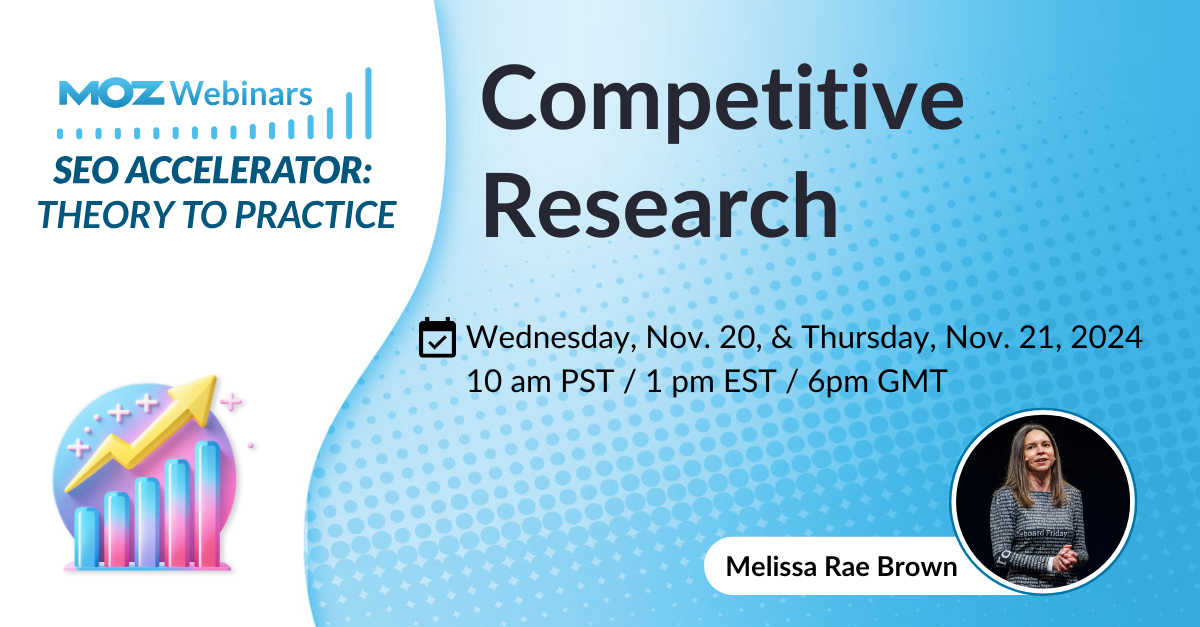
A new webinar from Moz is the kind of learning opportunity that can help people move from “I think SEO is mostly keywords” to “I can build a practical search strategy without panic-refreshing analytics every morning.” Moz has long been known for SEO education, beginner-friendly explanations, keyword research insights, link analysis, and community-driven learning. A webinar format makes that knowledge easier to absorb because it turns complicated search concepts into guided, real-world discussion.
This article explores why an SEO webinar from Moz matters, what learners should expect, how it fits into modern Google and Bing optimization, and how to turn webinar notes into actual ranking improvements. Spoiler: simply attending a webinar will not magically shoot your website to position one. If it did, every marketer would be watching webinars on a yacht. But the right training can sharpen your strategy, reduce costly mistakes, and help you prioritize the SEO actions that actually move the needle.
Why SEO Education Matters More Than Ever
SEO is no longer just about adding a target keyword to a title tag and hoping the search gods smile upon your landing page. Search engines now evaluate content quality, site structure, page experience, relevance, authority, user satisfaction, and technical accessibility. On top of that, AI-powered search experiences are changing how users discover answers before they even click a result.
That does not mean SEO is dead. SEO has been declared dead more times than a soap opera villain, yet it keeps walking back into the room with a fresh dashboard and new terminology. What has changed is the level of skill required. The best SEO strategies now combine classic fundamentals with modern search visibility practices, including helpful content, structured information, brand authority, and multi-platform discovery.
A webinar from Moz can be valuable because it gives learners a curated path through the noise. Instead of chasing every algorithm rumor or copying a competitor’s blog structure like it is a sacred scroll, marketers can learn how to think strategically. That includes understanding search intent, prioritizing technical fixes, improving on-page optimization, earning better links, and measuring outcomes with a cool head.
What Makes Moz a Trusted Name in SEO Learning?
Moz is widely recognized in the SEO industry for educational resources, SEO software, keyword research tools, link analysis, and metrics such as Domain Authority and Page Authority. Its learning materials have helped beginners understand core SEO concepts while also giving experienced marketers frameworks for smarter decision-making.
One of the reasons Moz remains useful is that it speaks human. SEO can easily become a swamp of acronyms: SERP, CTR, DA, PA, CWV, GSC, BWT, and enough abbreviations to make your keyboard request a vacation. Moz-style education tends to translate those ideas into practical language. That matters because SEO is not useful until someone can apply it.
A strong SEO webinar should not feel like a sales pitch wearing a fake mustache. It should give attendees clear takeaways: what to audit, what to fix, what to ignore, and what to test next. The best SEO training helps participants leave with fewer myths and more priorities.
Core Topics a Moz SEO Webinar Should Cover
While every webinar has its own theme, an effective Moz SEO webinar should connect several foundational areas. These topics are especially important for anyone who wants to accelerate their SEO knowledge without drowning in 47 browser tabs.
1. Search Intent and Audience Understanding
Search intent is the reason behind a query. Someone searching “best SEO webinar for beginners” does not want a 9,000-word philosophical essay about the history of search engines. They likely want a clear recommendation, a registration page, a short explanation of what they will learn, and reassurance that they will not need a computer science degree.
Understanding intent helps marketers choose the right content format. Informational queries need helpful guides. Commercial queries need comparisons, benefits, proof, and trust signals. Transactional queries need clear conversion paths. If your page answers the wrong intent, it is like bringing soup to a bicycle race: thoughtful, but wildly misplaced.
2. Keyword Research That Goes Beyond Search Volume
Keyword research is still essential, but modern keyword strategy is not just about chasing the biggest number. High-volume keywords can be brutally competitive and too broad to convert. A smarter approach looks at relevance, difficulty, intent, business value, and content gaps.
For example, a small SEO agency may struggle to rank for “SEO,” but it could build meaningful visibility around “local SEO audit checklist for dentists” or “technical SEO webinar for ecommerce teams.” These long-tail keywords may attract fewer searches, but the users are often more specific, more qualified, and much closer to taking action.
3. On-Page SEO and Content Structure
On-page SEO is where strategy becomes visible. Strong title tags, descriptive headings, concise introductions, useful internal links, optimized images, and clear calls to action all help users and search engines understand a page. Good structure also makes content easier to scan, which is important because online readers often behave like caffeinated squirrels.
A Moz webinar should remind attendees that optimization is not decoration. It is communication. A page should quickly explain what it is about, who it helps, and why the information is trustworthy. When headings are logical and content flows naturally, both users and crawlers have an easier time making sense of the page.
4. Technical SEO Without the Panic
Technical SEO can sound intimidating, but the basics are straightforward: search engines need to find, crawl, render, and index your pages. If they cannot access your content, even the most brilliant article will sit in the digital basement wearing a party hat alone.
Important technical areas include crawlability, indexation, XML sitemaps, robots.txt, canonical tags, redirects, page speed, mobile usability, structured data, and internal linking. Beginners do not need to master everything in one afternoon. They do need to understand which technical issues block visibility and which ones are merely nice-to-have improvements.
5. Link Building and Authority
Links still matter because they help search engines discover pages and evaluate authority. However, modern link building should focus on earning genuine references, not collecting suspicious backlinks from websites that look like they were built during a thunderstorm.
Useful link strategies include original research, expert commentary, digital PR, resource pages, partnerships, industry directories, and genuinely useful content assets. A good webinar should explain that authority grows from trust, relevance, and consistency. It is not a one-week stunt; it is a long-term reputation project.
6. SEO Measurement and Reporting
SEO reporting should answer business questions, not just decorate a slide deck. Rankings matter, but they are only part of the story. Strong reporting also looks at impressions, clicks, click-through rate, conversions, revenue, assisted conversions, indexed pages, technical health, backlink quality, and content performance.
The trick is to avoid vanity metrics. A page can earn traffic and still fail if it attracts the wrong audience. Likewise, a lower-traffic page can be extremely valuable if it brings in high-intent leads. A webinar that teaches measurement should help marketers connect SEO activity to outcomes that leadership actually understands.
How Google and Bing Fit Into the SEO Learning Journey
Any serious SEO education should begin with how search engines explain themselves. Google emphasizes creating helpful, reliable, people-first content and making pages easy for search engines to crawl, index, and understand. Bing also provides webmaster guidance around discoverability, quality, relevance, technical accessibility, and visibility across Microsoft search experiences.
For marketers, this means SEO should not be treated as a bag of tricks. It should be treated as a system for making useful information easier to discover. That includes writing for real users, organizing content clearly, maintaining a technically healthy site, and building credibility through expertise and trustworthy signals.
Optimizing for both Google and Bing is especially smart because audiences do not all search in the same place. Bing powers search experiences across Microsoft products, and search behavior is expanding into AI assistants, answer engines, and blended discovery platforms. The practical takeaway is simple: create content that is clear, complete, trustworthy, and technically accessible wherever it may be surfaced.
The Rise of AI Search and Why Webinars Are Useful Now
AI search has made SEO education more urgent. Search results are no longer only ten blue links. Users may see AI summaries, featured snippets, rich results, videos, images, forums, local packs, product listings, and other search features. In some cases, users get an answer without clicking at all.
This shifts the goal from “rank and relax” to “earn visibility across the search journey.” Content needs to be easy to understand, easy to cite, and strong enough to represent the brand accurately. Clear definitions, original examples, expert insights, concise summaries, schema markup, and strong source credibility can all support visibility in modern search environments.
A Moz webinar can help teams adapt because it gives them a structured way to interpret change. Instead of reacting to every AI headline with the energy of a startled goat, marketers can focus on durable principles: satisfy intent, demonstrate expertise, improve technical access, build brand authority, and measure what matters.
Who Should Attend a Moz SEO Webinar?
A Moz webinar can benefit several groups. Beginners can use it to understand the SEO basics without wandering into outdated tactics. Content writers can learn how to match topics to search intent and structure articles for better visibility. Small business owners can learn which SEO tasks are worth doing themselves and which may require professional help.
Marketing managers can use the webinar to align teams around a shared vocabulary. Developers can better understand why technical implementation affects organic performance. Agency professionals can sharpen client recommendations. Even experienced SEOs can benefit from a good webinar because the industry changes quickly, and occasionally everyone needs a reminder not to overcomplicate the obvious.
How to Get the Most Value From the Webinar
Attending an SEO webinar is only step one. The real value comes from applying what you learn. Before the session, write down your top SEO problems. Are rankings flat? Is organic traffic declining? Are important pages not indexed? Are blog posts getting impressions but no clicks? Are conversions weak despite decent traffic?
During the webinar, organize notes into three categories: ideas, actions, and questions. Ideas are concepts worth exploring. Actions are specific tasks you can implement. Questions are gaps you need to research or ask during Q&A. This simple system prevents your notes from becoming a beautiful graveyard of good intentions.
After the webinar, choose three practical improvements to complete within the next two weeks. For example, update five title tags, improve internal links to a priority service page, rewrite a weak introduction to match search intent, fix broken links, or review Search Console queries for low-click opportunities. Small, consistent actions beat giant, vague plans every time.
A Practical SEO Action Plan Inspired by the Webinar
Here is a simple action plan for applying SEO webinar lessons:
Step 1: Audit Your Current Visibility
Review your organic traffic, top pages, keyword rankings, indexed pages, and technical errors. Look for patterns instead of isolated drama. One ranking drop is not always a crisis. A steady decline across multiple important pages deserves attention.
Step 2: Identify Search Intent Gaps
Compare your pages with the current search results. If top-ranking pages are tutorials and yours is a sales pitch, you may have an intent mismatch. If searchers want a comparison and your page offers a generic overview, add the missing decision-making details.
Step 3: Improve Content Quality
Add original examples, expert commentary, screenshots, data, FAQs, definitions, and practical steps. Remove fluff that exists only to increase word count. Search engines may index fluff, but readers can smell it from across the Wi-Fi.
Step 4: Strengthen Internal Links
Internal links help users and search engines understand your site hierarchy. Link from relevant blog posts to important service pages, from broad guides to detailed resources, and from older high-performing pages to newer pages that need support.
Step 5: Measure and Iterate
SEO improvement takes time. Track changes carefully, compare performance before and after updates, and avoid changing too many variables at once. The goal is not to guess harder. The goal is to learn faster.
Common Mistakes the Webinar Can Help You Avoid
One common mistake is treating SEO as a checklist instead of a strategy. Yes, title tags matter. So do headings, links, speed, and schema. But checking boxes will not help if the page itself fails to satisfy the user.
Another mistake is publishing too much thin content. More pages do not automatically mean more traffic. A website with 30 strong, useful pages can outperform a website with 300 shallow articles that say the same thing in slightly different hats.
A third mistake is ignoring Bing. Many marketers focus only on Google, but Bing can bring valuable visibility, especially through Microsoft’s ecosystem. Submitting sitemaps, using Bing Webmaster Tools, and following Bing quality guidelines can open another stream of organic opportunity.
Finally, many teams fail to update existing content. Old pages can lose rankings when information becomes outdated, competitors improve, or search intent shifts. Refreshing content is often faster and more effective than starting from scratch.
Why “Accelerate” Is the Right Word
The phrase “accelerate your SEO knowledge” works because SEO learning can be slow when approached randomly. One blog post explains keyword research. Another argues about backlinks. A third predicts the future of AI search using language that sounds suspiciously like a robot wrote it during a thunderstorm. Without structure, learners collect fragments instead of building skill.
A webinar accelerates learning by putting concepts in sequence. It can show how keyword research informs content planning, how content structure supports rankings, how technical SEO protects discoverability, and how reporting proves progress. That sequence is what turns information into capability.
Experience Notes: What Working Through SEO Training Really Feels Like
The most useful SEO education often begins with humility. Nearly every marketer has had the experience of opening an analytics report and thinking, “Well, that is not what I expected.” A page you loved may get no traction. A simple article you almost did not publish may bring steady traffic for months. A technical issue may quietly block performance while everyone argues about headline wording. SEO has a way of reminding teams that opinions are interesting, but data pays the rent.
In practical SEO work, webinars are helpful because they create a pause. Instead of rushing to publish another blog post, you step back and ask better questions. Who is this content for? What problem does it solve? What does the search result already reward? What is missing from the current conversation? What proof, experience, or example can we add that competitors do not have?
One of the best habits after an SEO webinar is to immediately audit one live page. Not the whole website. Not a 97-tab monster spreadsheet. Just one page. Look at the title, meta description, H1, subheadings, internal links, search intent, content depth, author credibility, and conversion path. Then compare that page with the top-ranking results. This small exercise often reveals more than a week of abstract learning.
For example, imagine a business has a page targeting “SEO webinar for small business.” The page includes a nice introduction and a registration button, but it does not explain who the webinar is for, what topics are covered, whether beginners can follow along, how long the session lasts, or what attendees will be able to do afterward. A searcher may bounce because the page feels incomplete. A better version would include a clear agenda, speaker credentials, learning outcomes, FAQs, testimonials, and a short section explaining how the webinar helps small businesses improve visibility without wasting budget.
Another real-world lesson is that SEO improvements often stack slowly. Updating one title tag may not cause fireworks. Improving titles, rewriting introductions, adding internal links, clarifying intent, compressing images, fixing indexing issues, and refreshing stale content across many pages can create meaningful gains over time. SEO is less like flipping a switch and more like tuning a band. If the drums, guitar, vocals, and bass are all doing their own thing, the audience leaves. When everything works together, the performance improves.
The biggest experience-based takeaway is this: do not attend a webinar as a passive viewer. Attend like a strategist. Bring your website questions. Challenge vague advice. Translate every concept into one possible action. If the speaker mentions keyword intent, choose one page to re-check. If they discuss internal links, identify three links to add. If they mention authority, brainstorm one original asset your audience would actually bookmark. That is how a webinar becomes more than an hour on your calendar. It becomes momentum.
Conclusion: A Smarter Way to Build SEO Confidence
“Accelerate Your SEO Knowledge: New Webinar From Moz – Moz” is more than a catchy title. It points to a real need in modern marketing: the need to learn SEO in a structured, practical, trustworthy way. Search is changing, but the core mission remains familiar. Help people find useful answers. Make your website easy to understand. Build trust. Improve continuously. Measure honestly.
A Moz webinar can help beginners build confidence and help experienced marketers sharpen their priorities. The best results come when attendees move from watching to doing. Take notes, turn insights into tasks, test improvements, and keep refining. SEO rewards the teams that stay curious, patient, and practical. Also, coffee helps.













