
There are two types of people in this world: those who scribble ideas on random receipts,
and those who quietly pull out a sleek little black notebook like they’re about to sign a peace treaty.
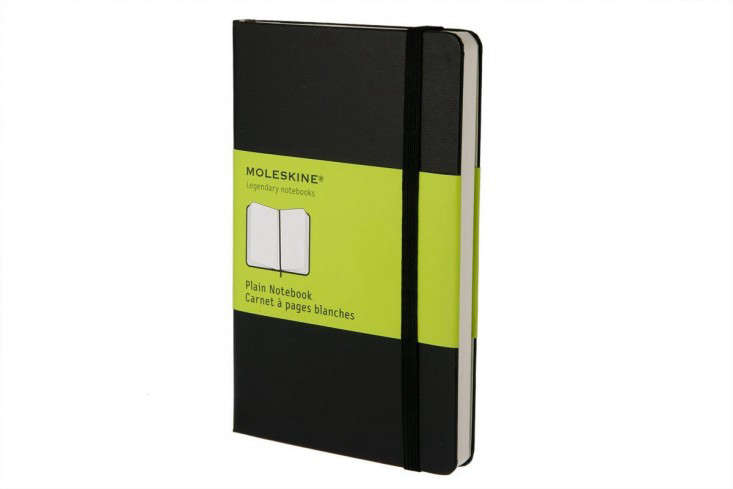
The second group is usually carrying a Moleskine Classic Notebook – Pocket.
This tiny notebook has become an everyday-carry icon for writers, students, travelers, and productivity nerds.
It’s small enough to slip into your jeans or jacket, but polished enough to sit on a conference-room table
without looking out of place. In this guide, we’ll walk through what makes the Moleskine Classic Pocket notebook
so beloved, where it shines, where it doesn’t, and how to get the most out of every ivory-colored page.
What Is the Moleskine Classic Notebook – Pocket?
The Moleskine Classic Notebook – Pocket is the smallest notebook in Moleskine’s flagship “Classic” line.
It’s designed to be a compact, sturdy notebook you can carry everywhere without thinking about it.
The pocket size is typically about 3.5 x 5.5 inches (9 x 14 cm), with
192 pages of ivory, 70 gsm, acid-free paper.
Some core features you’ll see across the Classic Pocket range include:
- Rounded corners that won’t catch on your bag or pockets
- An elastic closure that keeps everything shut and tidy
- A matching ribbon bookmark so you can jump straight to your current page
- An expandable inner pocket at the back for receipts, tickets, or tiny secrets
- Pages that lie flat at roughly 180°, making it easier to write across the spine
You can choose between hard cover or soft cover, and page layouts typically include
ruled, plain, dotted, or squared pages. That flexibility is a big part of why the
Classic Pocket notebook works for so many different people and use cases.
Design Details That Make It a Classic
Compact pocket size, big personality
The whole point of the pocket notebook is that it disappears when you don’t need it and appears
the second you do. At about the size of a smartphone (but much less distracting), it fits:
- In your back or front pocket
- Inside a small crossbody bag or clutch
- In the pen slot of a backpack or messenger bag
- In a lab coat, work jacket, or blazer pocket
Unlike flimsy memo pads, the Classic Pocket notebook feels like a real object: a stitched spine,
a cover with some structure, and pages that turn smoothly. If you’re the kind of person who likes
to feel “prepared,” this notebook is basically a tiny confidence booster you can carry everywhere.
Hard cover vs. soft cover
The Moleskine Classic Pocket usually comes in both hard and soft cover versions:
-
Hard cover: Feels more formal and durable. Great if you often write standing up
or without a desk, since the rigid cover gives you a solid writing surface. -
Soft cover: A bit lighter, more flexible, and slightly slimmer. Many everyday-carry
(EDC) fans prefer the soft cover because it molds into pockets and bags more comfortably.
Soft cover lovers often describe it as the perfect middle ground between a stiff hard cover and
a flimsy paper notebook. You can fold it back on itself, bend it a little, and it still springs back into shape.
Paper quality & layouts
Inside, you’ll usually find ivory-colored, 70 gsm acid-free paper with a smooth finish.
It’s optimized for everyday writing tools:
- Ballpoint pens and gel pens
- Pencils (mechanical or traditional)
- Fineliners and rollerballs with moderate ink flow
Heavy fountain pens or “firehose” gel pens can sometimes ghost through the page, especially
with dark, saturated inks. If you’re a fountain-pen purist, this may not be your dream paper,
but for most everyday writing it holds up well and keeps ink from feathering too much.
Page layouts vary by model:
- Ruled: Ideal for note-taking, journaling, and meeting notes
- Plain: Great for sketching, mapping ideas, or free-form lists
- Dotted: A favorite for bullet journaling and layout flexibility
- Squared: Handy for diagrams, graphs, and habit trackers
How the Moleskine Pocket Notebook Fits Into Everyday Life
Your everyday-carry brain backup
Many users treat the Moleskine Classic Pocket notebook as an EDC brain dump:
a place to capture tasks, reminders, and ideas before they vanish into the void between
“I’ll remember that” and “What was I doing again?”
People commonly use it for:
- Daily to-do lists and quick priorities
- Shopping lists and meal ideas jotted down on the go
- Phone numbers, addresses, and quick reference info
- Meeting notes when opening a laptop feels too formal
Customer reviews from office-supply and stationery retailers often describe the pocket notebook
as a “perfect EDC” and praise how the soft cover version holds up to constant carry for sketching
and note-taking.
A creative sidekick for writers and artists
Moleskine markets the Classic line as the descendant of the “legendary notebooks” used by
artists and writers over the decades, and plenty of modern creatives happily lean into that story.
In a pocket-sized Classic you might find:
- Character sketches, snippets of dialogue, or story hooks
- Micro-poems written in coffee-shop lines
- Thumbnail sketches for larger pieces of art
- Lettering ideas, logo doodles, or layout roughs
You’re not going to paint full watercolor spreads in a 70 gsm notebook, but for pencil,
ink, and quick idea sketches, it’s an excellent portable studio.
Travel and memory keeping
The expandable rear pocket is surprisingly useful when you’re traveling. It’s the perfect spot
for:
- Train or metro tickets
- Coffee sleeves from memorable cafés
- Business cards from new contacts
- Tiny Polaroids or photo booth strips
Many travelers use a Pocket Classic as a dedicated trip journalone notebook per trip.
Fill it with quick entries, sketches of street corners, and notes about food or people you meet.
When you get home, you don’t just have “a notebook”; you have a compact, tactile archive of the trip.
Pros and Cons of the Moleskine Classic Notebook – Pocket
What the Moleskine Classic Pocket does really well
- Perfectly portable size: Easy to carry every day without thinking.
- Timeless design: Minimalist black (or color) cover, rounded corners, no visual noise.
- Consistent features: Ribbon bookmark, elastic closure, inner pocket, flat-opening pages.
- Widely available: Found at bookstores, office-supply stores, and online retailers worldwide.
- Flexible layouts: Ruled, plain, dotted, or squared pages to suit many uses.
- Brand recognition: For better or worse, “Moleskine” has become shorthand for “fancy notebook.”
Where it might fall short
-
Price: It’s more expensive than most generic pocket notebooks, and some users feel
you’re paying a “brand tax.” - Paper weight: At 70 gsm, heavy fountain pens and very wet inks may ghost or bleed through.
-
Limited page count for heavy users: 192 pages is solid, but if you’re filling 5–10 pages a day,
you’ll go through them quickly. - Not ideal for mixed media: Markers, brush pens, or paint will be happier in thicker paper notebooks.
Moleskine Classic Pocket vs Other Pocket Notebooks
If you’ve gone down the stationery rabbit hole, you’ve probably heard of other EDC favorites like
Field Notes, Moleskine Cahier journals, or various indie brands. So how does the Classic Pocket stack up?
Moleskine Classic Pocket vs Field Notes
Compared to Field Notes, the Classic Pocket usually:
- Has a hard or soft leatherette-style cover instead of cardstock
- Uses slightly creamier, more yellow-toned paper vs Field Notes’ bright white paper
- Includes more features (bookmark ribbon, elastic band, rear pocket)
- Feels more like a permanent journal than a disposable memo book
Field Notes tend to lean toward a rustic, Americana memo-pad vibe. The Moleskine Classic Pocket feels
more “European café writer.” Neither is wrongjust different moods.
Moleskine Classic Pocket vs Moleskine Cahier
Moleskine’s Cahier line is thinner and usually comes in multi-packs with cardstock covers
and fewer pages. They’re lighter, cheaper per notebook, and great for short projects or single classes.
The Classic Pocket, on the other hand, is more durable and fully featured. If you’re buying one
notebook to handle everything in your life for the next few months, the Classic is the better “all-in-one” pick.
Tips to Get the Most Out of Your Moleskine Classic Pocket
1. Give every notebook a clear purpose
To avoid turning your Moleskine into a chaotic mix of grocery lists, half-baked poems, and budget math,
decide on a purpose before you write on page one. For example:
- Work-only notebook: Meeting notes, follow-ups, and project ideas
- Creative notebook: Story ideas, sketches, lyrics, or quotes
- Life admin notebook: Money tracking, goals, habit logs, to-do lists
You can absolutely mix everything together, but having a theme makes it much easier to revisit and re-use your notes later.
2. Use the first few pages as an index
Pocket notebooks fill up quickly, and flipping through every page to find one idea is a fast track
to frustration. Reserve the first 2–4 pages as an index:
- Number your pages lightly at the bottom corner.
- As you fill the notebook, log key topics and page ranges in the front.
- Example: “Trip planning – p. 12–19,” “Project X ideas – p. 34–42.”
It takes seconds in the moment and saves minutes later.
3. Pair it with a favorite pen or pencil
Because the paper is 70 gsm, a moderate pen is your best friend. A smooth 0.5–0.7 mm gel pen,
a reliable ballpoint, or a mechanical pencil will give you clean lines without too much show-through.
If you love fountain pens, try:
- Finer nibs (EF or F)
- Drier inks rather than super-saturated ones
- Testing on the back page to see what the paper can handle
4. Make it part of a daily routine
A pocket notebook only works if you actually use it. Build small rituals:
- Five-minute brain dump each morning
- End-of-day summary: wins, worries, and tomorrow’s top three tasks
- Weekly review where you scan pages, pull out tasks, and archive ideas
Over time, your Moleskine becomes a personal log of what you were thinking, doing, and learningnot just a stack of paper.
Is the Moleskine Classic Notebook – Pocket Worth It?
Whether this notebook is “worth it” depends on what you value.
If you want the cheapest possible way to write things down, then nothere are less expensive pocket
notebooks everywhere. But if you want:
- A notebook that feels good to hold and use
- Simple, elegant design that doesn’t go out of style
- Consistent quality and familiar features from one notebook to the next
…then the Moleskine Classic Pocket starts to look more like a daily tool and less like a generic office supply.
Many reviewers who have stuck with Moleskine over the years point to the combination of design, portability,
and brand familiarity as the reason they keep coming back, even after experimenting with other notebooks.
In other words: you’re not just buying paperyou’re buying a tiny, well-designed space for your ideas.
If that sounds dramatic, you’ve never frantically searched for the scrap of paper with your best idea on it.
Real-Life Experiences with the Moleskine Classic Notebook – Pocket
To really understand this notebook, it helps to imagine how it feels in everyday lifebeyond specs and bullet points.
Here are some lived-in scenarios that show how the Moleskine Classic Pocket can fit into different routines.
The commuter’s quick-capture tool
Picture a rushed morning commute. You’re standing on a crowded train, one hand on the rail,
the other trying not to drop your phone. An idea pops into your headsomething for a project at work,
a line for a presentation, or just “remember to cancel that subscription.”
Instead of opening three different apps and getting distracted by notifications,
you slip your hand into your pocket, slide out the Moleskine, and jot down a single, clear line.
The hard or soft cover gives you enough support to write legibly, even while moving.
When you arrive at your stop, the notebook goes back in your pocket. No drama, no lock screen, no push alerts.
The creative’s pocket sketchbook
Now imagine a graphic designer or illustrator who refuses to trust their inspiration to “later.”
They carry a Pocket Classic everywhere. At lunch, they sketch logo ideas on plain or dotted pages.
Waiting at a coffee shop, they explore new lettering styles or thumbnail a layout.
The small page size forces them to be economical. There’s no room to overthink or obsess about perfection.
Each page becomes a small, low-pressure canvasless about creating a masterpiece and more about catching sparks.
When a sketch turns into something serious, they can always rebuild it bigger in a larger notebook or on a tablet.
The traveler’s memory capsule
A traveler might dedicate one Pocket Classic to each trip. On the first day, they write their flight info,
hotel address, and emergency contacts on the first few pages. Throughout the trip, they log:
- Where they ate and what they ordered
- Funny things they overheard on buses or in cafés
- Small sketches of landmarks or street scenes
- Key phrases in the local language
Tickets, receipts, and small mementos go straight into the expandable back pocket. By the time they return home,
the notebook has puffed up slightly: the pages are a little warped, the cover shows gentle wear, the elastic is relaxed.
It looks like it has lived a life. Years later, pulling that notebook off the shelf is like opening a time capsule
to that tripcomplete with smudged ink and scribbled directions.
The minimalist planner
For someone who finds full-size planners overwhelming, the Moleskine Pocket can become a tiny, ultra-custom planner.
One page holds a day’s appointments and priorities. Another page becomes a habit tracker, a grid of tiny squares
filled in each day. A dotted or squared layout makes it easy to build simple spreads:
- Monthly overview on two facing pages
- Weekly goals and reflections in short lists
- Budget or savings trackers using boxes and lines
Because the notebook is so small, planning doesn’t feel like a major productionjust a few minutes each morning
and evening. And when the notebook is full, the planner is “done,” archived, and ready to be replaced by a fresh copy.
Why these experiences matter
The real power of the Moleskine Classic Notebook – Pocket isn’t in its specs, but in how easy it is to
actually live with it. It’s not intimidating. It doesn’t demand a perfect bullet journal layout
or an aesthetic Instagram spread. It just sits quietly in your pocket, waiting for whatever you need to put on paper:
a grocery list, a life-changing idea, or a doodle you’ll smile at months later.
If you want a notebook that gracefully disappears into your daily routine while reliably showing up
the second you reach for it, the Moleskine Classic Pocket is an easy companion to recommend.











