Note: This article is written for web publishing and includes an important safety reminder: some IKEA METALLISK espresso makers with stainless-steel safety valves were recalled. Owners should check the date stamp and follow current IKEA recall guidance before using the product.
The Metallisk Espresso Maker is one of those kitchen tools that looks simple enough to ignore, until you realize it can turn a sleepy morning into a tiny Italian café moment. It is compact, shiny, affordable, and wonderfully low-tech. No touchscreen. No app. No machine that asks for a firmware update before your first sip. Just water, ground coffee, heat, and the kind of bubbling sound that makes people wander into the kitchen asking, “Is coffee ready?”
Technically, the METALLISK is a stovetop moka pot-style coffee maker sold by IKEA. It is often described as an espresso maker, but that needs a friendly little asterisk. A moka pot does not make true espresso in the same way a café espresso machine does. Instead, it brews strong, concentrated coffee using steam pressure. The result is bold, rich, and perfect for people who enjoy espresso-style drinks without wanting a countertop machine that costs as much as a weekend trip.
Still, the METALLISK Espresso Maker is more than a pretty stainless-steel coffee pot. It also has a safety story, a brewing learning curve, and a personality of its own. Let’s break down what it is, how it works, how to use it well, and what buyers or owners should know before putting it on the stove.
What Is the Metallisk Espresso Maker?
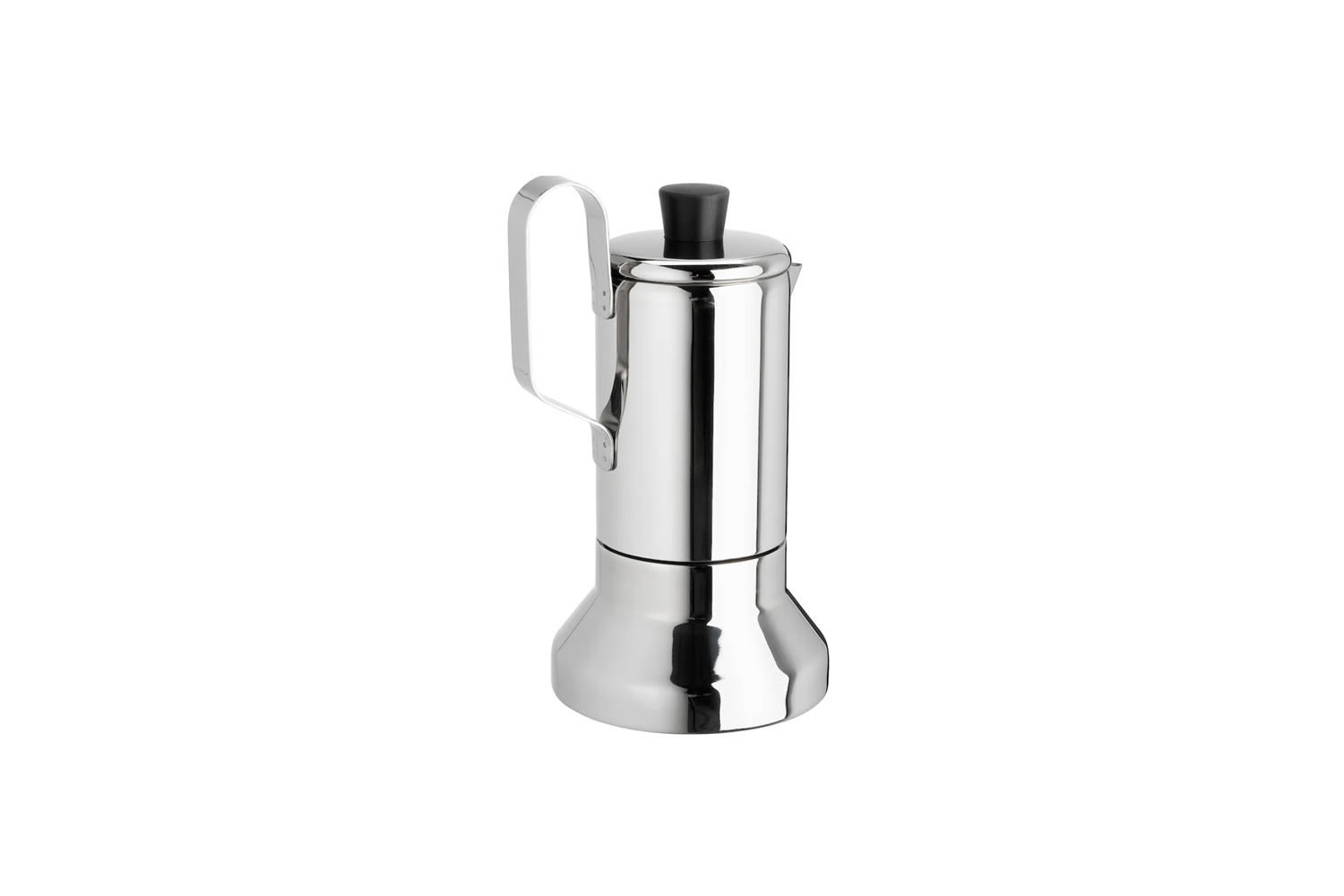
The IKEA Metallisk Espresso Maker is a stovetop coffee maker designed to brew a concentrated coffee similar to what many people casually call “stovetop espresso.” It usually features a stainless-steel body, a bottom chamber for water, a funnel-shaped filter basket for coffee grounds, and an upper chamber where the brewed coffee collects.
Its appeal is easy to understand. The design is minimalist, the footprint is small, and the brewing process feels hands-on without being complicated. For renters, dorm kitchens, small apartments, RVs, or anyone who refuses to surrender half the counter to a giant espresso machine, a moka pot like the METALLISK makes a lot of sense.
The typical METALLISK model was listed as a 0.4-liter stovetop espresso maker, which roughly places it in the larger moka pot category. That makes it useful for brewing coffee for one very serious coffee drinker, two normal coffee drinkers, or three people who say “just a little” and then come back for more.
How the Metallisk Espresso Maker Works
The METALLISK works through a simple pressure-brewing process. You pour water into the bottom chamber, add ground coffee to the filter basket, screw the top and bottom sections together, and place the pot on a stovetop. As the water heats, steam pressure pushes hot water upward through the coffee grounds. The brewed coffee then rises into the top chamber.
That is the entire magic trick. No pods. No pumps. No drama, unless you forget it on the stove and your coffee starts sounding like a tiny volcano auditioning for a disaster movie.
Is It Real Espresso?
Here is the honest answer: no, not technically. True espresso is brewed under much higher pressure, usually around nine bars in a traditional espresso machine. A moka pot typically produces much lower pressure, often around one to two bars. That means the drink is not true espresso by professional standards.
But does that make the METALLISK Espresso Maker useless? Absolutely not. Moka pot coffee can be strong, aromatic, and satisfying. It works beautifully as a base for homemade lattes, iced coffee, café au lait, and Americanos. It gives you a concentrated cup with more body than drip coffee and less fuss than a semi-automatic espresso machine. In other words, it may not be “real espresso,” but it is real useful.
Important Safety Information About the Metallisk Espresso Maker
Before discussing flavor, grind size, and morning rituals, let’s talk safety. Some IKEA METALLISK espresso makers were recalled because of a burn and injury hazard. The recall applied to certain units with a stainless-steel safety valve and date stamps from 2040 through 2204. These date stamps refer to the year and week of production and are usually found on the bottom of the product.
If you own a METALLISK Espresso Maker, check the bottom of the unit before using it. If your product falls within the recalled date range, stop using it and contact IKEA for refund or recall instructions. This is not the kind of “maybe I’ll deal with it later” kitchen note that should live under a magnet on the fridge. A moka pot works with pressure and hot liquid, so recall guidance matters.
Why the Safety Valve Matters
The safety valve is a small but important part of a moka pot. Its job is to help release pressure if something goes wrong, such as an overfilled water chamber, blocked filter, too-fine coffee grounds, or excessive heat. When a stovetop coffee maker is working correctly, pressure moves water through the coffee. When it is not working correctly, pressure can become dangerous.
That is why users should never cover the safety valve with water, never tamp the coffee grounds like espresso, and never ignore unusual leaking, sputtering, or steam escaping from the wrong place. The valve may be small, but it has a very large “please do not mess with me” energy.
How to Use the Metallisk Espresso Maker Correctly
Using the METALLISK is simple, but good moka pot coffee depends on small details. The difference between “rich and delicious” and “why does this taste like roasted sadness?” often comes down to water level, grind size, heat, and timing.
Step 1: Add Water Below the Safety Valve
Fill the bottom chamber with water, stopping just below the safety valve. Some people prefer hot water because it can reduce the amount of time the coffee grounds sit over heat. Others use room-temperature water for convenience. Either way, the key rule is the same: keep the water below the valve.
Step 2: Use the Right Coffee Grind
For the METALLISK Espresso Maker, use a medium-fine grind. It should be finer than drip coffee but not as powdery as espresso machine coffee. If the grind is too coarse, the coffee can taste weak. If it is too fine, water may struggle to pass through the grounds, which can create pressure problems and bitter flavors.
Step 3: Fill the Basket Without Tamping
Add ground coffee to the filter basket and level it gently. Do not press it down. This is not a café portafilter, and you are not a barista in a dramatic slow-motion commercial. Tamping can restrict water flow, increase pressure, and make brewing less predictable.
Step 4: Brew on Low to Medium Heat
Place the METALLISK on a suitable stovetop and use low to medium heat. High heat may seem faster, but it can lead to bitter coffee and aggressive sputtering. Slow, steady heat gives the water time to move through the grounds more evenly.
Step 5: Remove It Before the Angry Sputter
When coffee starts flowing into the top chamber, keep an eye on it. Once the stream becomes pale, bubbly, or noisy, remove the pot from heat. Letting it sputter too long can over-extract the coffee and make it taste harsh. Think of the final sputter as the moka pot politely saying, “We are done here.”
What Does Coffee from the Metallisk Taste Like?
Coffee from a METALLISK Espresso Maker is usually bold, heavy-bodied, and more concentrated than drip coffee. It can have deep roasted notes, a syrupy texture, and enough strength to stand up to milk. This makes it a great choice for homemade lattes, cappuccinos without an espresso machine, iced coffee, or quick morning cups that do not taste watered down.
Flavor depends heavily on the beans. Dark roasts create a traditional strong moka pot profile with chocolatey and smoky notes. Medium roasts can offer balance, sweetness, and a little fruitiness. Light roasts can work, but they are less forgiving and may taste sharp if the brew runs too hot or too fast.
Best Coffee Types for the Metallisk
For beginners, a medium or medium-dark roast is the safest place to start. Choose beans labeled for moka pot, espresso-style brewing, or strong coffee. Pre-ground coffee can work, but freshly ground beans usually taste better. If using a grinder, aim for a texture similar to fine table salt.
If the coffee tastes sour, try a slightly finer grind, a little more heat, or a darker roast. If it tastes bitter, try lower heat, slightly coarser grounds, or removing the pot earlier. Moka pot brewing is part science, part kitchen intuition, and part listening carefully to the little metal pot before it gets dramatic.
Pros and Cons of the Metallisk Espresso Maker
Pros
The METALLISK Espresso Maker is compact, affordable, and visually clean. Its stainless-steel design gives it a modern look that fits well in minimalist kitchens. It does not require paper filters, capsules, electricity, or a complicated cleaning routine. For people who want strong coffee without investing in a full espresso setup, it offers excellent everyday value.
It is also versatile. You can drink the coffee straight, dilute it with hot water, pour it over ice, or mix it with steamed milk. One small tool can support several coffee moods, from “I need focus” to “I deserve a fancy drink but refuse to put on shoes.”
Cons
The biggest drawback is that it does not make true espresso. Anyone expecting thick crema and café-level extraction may be disappointed. It also requires attention while brewing. You cannot press a button and walk away. The METALLISK rewards presence, timing, and a little practice.
Another major consideration is the recall history. Not every unit is necessarily affected, but owners should check their product carefully. Safety comes before nostalgia, aesthetics, or the fact that the pot looks cute next to a bag of beans.
How to Clean and Maintain the Metallisk Espresso Maker
After brewing, let the espresso maker cool before taking it apart. Remove the used coffee grounds, rinse each section, and dry the pieces thoroughly. Coffee oils can build up over time, and trapped moisture can create unpleasant smells or stains.
Pay attention to the gasket, filter plate, and safety valve area. These parts help the pot seal and brew correctly. If grounds are stuck in the filter or gasket, clean them gently. A soft brush can help. Avoid harsh cleaning tools that may scratch or damage the metal.
For stainless steel, mild dish soap is usually acceptable unless the manufacturer instructions say otherwise. Always check the current care guidance for your specific unit. If the pot leaks, smells strange, builds pressure poorly, or shows damage to the gasket or valve, do not shrug and call it “character.” Inspect it, replace worn parts if available, or stop using it if safety is uncertain.
Who Should Use a Metallisk Espresso Maker?
The METALLISK Espresso Maker is best for people who like strong coffee and enjoy a small ritual. It is ideal for home coffee lovers who want something more intense than drip coffee but less expensive and less technical than espresso equipment. It also suits people with limited kitchen space, travelers with stovetop access, and anyone who enjoys tools that do one job without demanding a monthly subscription.
It may not be the best option for people who want instant convenience, automatic shutoff, large batch brewing, or true espresso. If your morning personality is “do not make me supervise anything,” an automatic coffee maker may be a better match. The METALLISK wants you nearby. It is clingy, but in a charming way.
Practical Tips for Better Metallisk Coffee
Use Fresh Coffee
Old coffee tastes flat no matter how shiny the brewer is. Use fresh beans when possible and store them in an airtight container away from heat, light, and moisture.
Do Not Overfill
Overfilling the water chamber or coffee basket can cause brewing problems. Stay below the safety valve and level the grounds without packing them down.
Control the Heat
Low to medium heat is your friend. If the pot screams, spits, or rushes through the brew, the heat is probably too high. Coffee should flow smoothly, not enter the top chamber like it is late for a meeting.
Serve Immediately
Moka pot coffee is best right after brewing. Pour it into cups quickly, especially if you want to avoid extra bitterness from lingering heat in the metal chamber.
Metallisk Espresso Maker vs. Electric Espresso Machine
An electric espresso machine uses high pressure, precise temperature control, and a portafilter to create true espresso. The METALLISK uses stovetop heat and steam pressure to brew concentrated coffee. The machine is more powerful and consistent, but it costs more, takes up more space, and requires more maintenance.
The METALLISK wins on simplicity, price, and portability. The espresso machine wins on crema, pressure, and café-style precision. The better choice depends on what you want. If you want a hobby, buy the machine. If you want strong coffee from a small stainless-steel pot that does not judge your pajama pants, the METALLISK-style moka pot is hard to beat.
Buying or Owning a Metallisk Espresso Maker Today
If you already own a METALLISK Espresso Maker, the first step is to check whether your unit is part of the recall. Look for the safety valve material and the date stamp on the bottom. If it matches the recalled range, do not use it. Follow IKEA’s current recall instructions.
If you are considering buying one secondhand, be extra cautious. Used kitchen items can be a bargain, but pressure-based coffee makers require trust. Check the model, valve, gasket, filter, and recall status. A low price is not worth taking a risk with hot pressurized coffee. There are many moka pots on the market, and safety should always beat a deal that looks suspiciously heroic.
Experiences With the Metallisk Espresso Maker
Using a METALLISK Espresso Maker feels different from using a drip machine or capsule brewer. There is a small ceremony to it. You unscrew the pot, fill the chamber, spoon in the coffee, tighten everything, and place it on the stove. Then you wait. Not long, but long enough for the kitchen to smell like something good is about to happen. It is the rare appliance that makes you pay attention without making you read a manual the size of a tax form.
The first experience may not be perfect. Many people brew their first moka pot coffee too hot, too fast, or with grounds that are too fine. The result can taste bitter, sharp, or muddy. That is normal. The METALLISK is simple, but it still asks for a little technique. Once you learn to lower the heat, stop before the harsh sputter, and avoid packing the coffee basket, the flavor improves quickly.
One of the best things about this style of coffee maker is how flexible the coffee becomes after brewing. Straight from the pot, it is intense and bold. Add hot water, and it becomes a quick Americano-style drink. Pour it over ice with milk, and suddenly your kitchen has entered coffee shop territory without asking for a tip. Add warm milk and a little cinnamon, and you have a cozy drink that tastes far more expensive than it is.
The METALLISK also encourages better coffee habits. Because the process is manual, you start noticing details. You notice whether the grind is too fine. You notice how heat changes the taste. You notice when old beans make dull coffee. In a strange way, this little pot teaches you to become a better coffee drinker. It does not lecture. It just gives you feedback in the cup.
There is also something satisfying about the cleanup. Once the pot cools, you tap out the grounds, rinse the parts, dry them, and reassemble everything for the next brew. It feels practical and old-school. No plastic pods. No blinking lights. No “replace cartridge” message appearing at the worst possible time. Just a tool, some coffee, and a routine.
Of course, the recall history changes the ownership experience. A responsible review of the METALLISK cannot pretend that safety information is a tiny footnote. If you own one, checking the date stamp should be part of the story. If the unit is affected, the best experience is not brewing with it; it is returning it and choosing a safe alternative. Coffee should wake you up, not make your kitchen exciting in the wrong way.
For safe, unaffected units or comparable moka pots, the overall experience can be excellent. The METALLISK-style brewer is best for someone who enjoys a little morning involvement. It is not lazy coffee. It is not push-button coffee. It is “stand near the stove, smell the aroma, and feel mildly proud of yourself” coffee. And honestly, that is a pretty good way to begin the day.
Conclusion: Is the Metallisk Espresso Maker Worth It?
The Metallisk Espresso Maker is a stylish and practical stovetop coffee maker for people who enjoy strong, espresso-style coffee without the cost or complexity of an electric espresso machine. It offers a hands-on brewing ritual, a compact stainless-steel design, and enough versatility for lattes, iced coffee, Americanos, and bold morning cups.
However, the recall history is essential. Anyone who owns or plans to buy a METALLISK should check the product details carefully, especially the safety valve and date stamp. When used safely and correctly, a moka pot can be a delightful coffee companion. When safety information is ignored, even the nicest-looking kitchen tool can become a bad idea wearing stainless steel.
In the end, the METALLISK is best understood as a moka pot with IKEA minimalism and classic stovetop charm. It is not true espresso, but it can make strong, satisfying coffee with very little fuss. Treat it with care, respect the safety valve, clean it well, and it may reward you with many mornings that smell significantly better than your alarm sounds.