
Some childhood games need a soccer ball, a board, a deck of cards, or at least one suspiciously sticky puzzle piece. This one needs only two hands, ten fingers, and the ability to say a tiny rhyme without laughing when your fingers suddenly become “people.” The classic fingerplay often called “Here Is the Church” or “Here’s the Church, Here’s the Steeple” is one of those simple old-school activities that has survived because it is quick, memorable, and oddly satisfying.
In this guide, you will learn exactly how to create a church with your fingers, how to say the traditional lyrics, how to teach the game to kids, and how to adapt it for classrooms, story time, Sunday school, family gatherings, or a five-minute boredom emergency in a waiting room. We will also look at why fingerplays are useful for children’s language, memory, fine motor skills, rhythm, and social connection. Tiny hand church, big educational energy.
What Is the “Church With Your Fingers” Game?
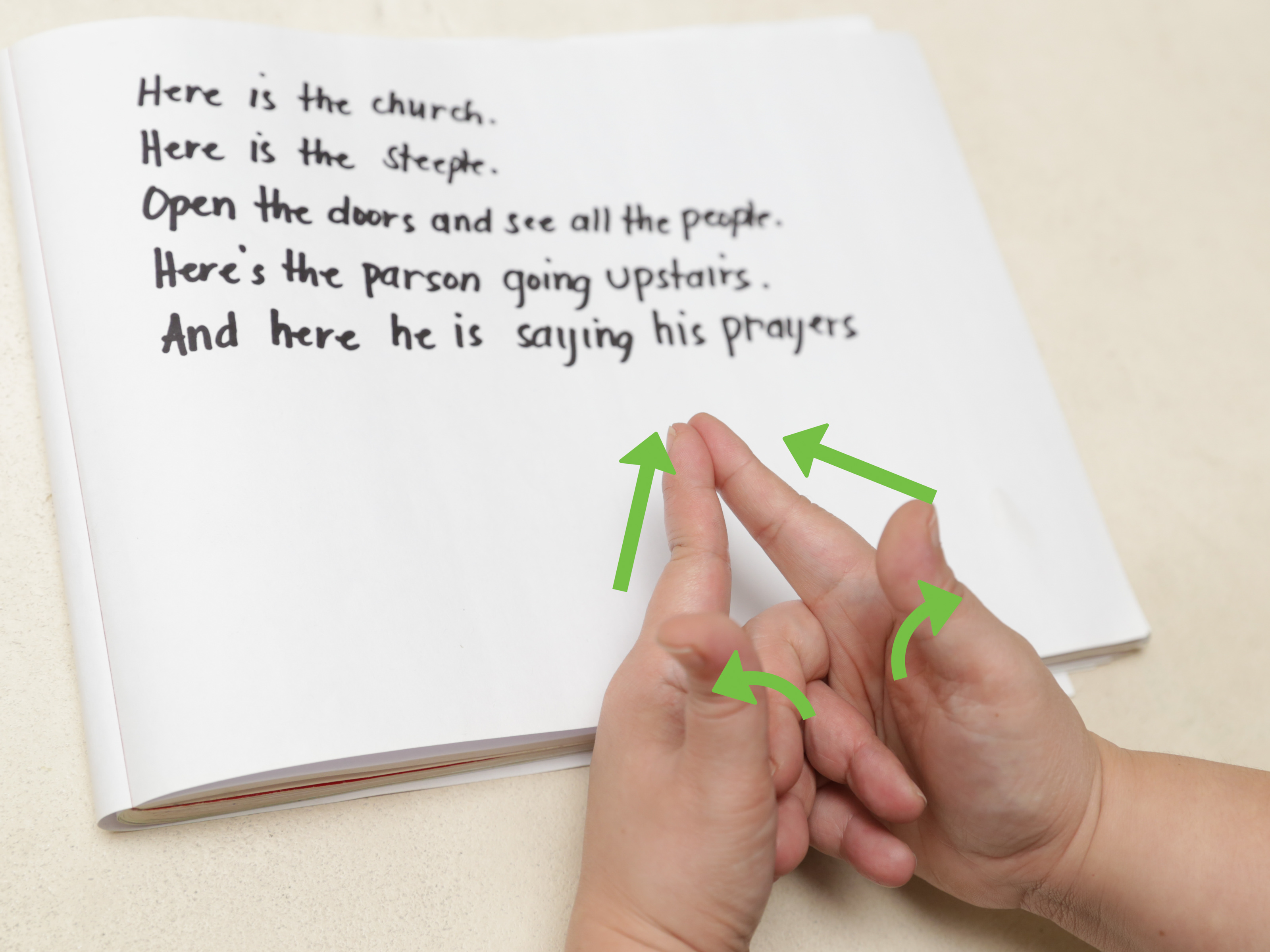
The “church with your fingers” game is a traditional fingerplay: a short spoken rhyme paired with hand movements. Fingerplays combine rhythm, words, gestures, and repetition. Children listen, copy, predict, and move their fingers while reciting the rhyme. In this particular game, the folded hands become the “church,” the raised fingers become the “steeple,” and the hidden fingers inside become “all the people.”
It is usually taught to preschoolers and young elementary-age children, but adults remember it toosometimes with the exact same seriousness they reserve for remembering locker combinations from 1998. The appeal is simple: kids love a reveal. When the doors “open” and the wiggling fingers appear, the game turns into a tiny surprise performance.
Traditional Lyrics for “Here Is the Church”
Below is the common traditional version used with the finger movements:
Here is the church,
Here is the steeple,
Open the doors,
And see all the people.
Some families say “Here’s the church” instead of “Here is the church.” Some say “and here is the steeple.” Those tiny wording differences are normal. Traditional rhymes travel by memory, not by corporate memo, so small variations are part of the charm.
How to Create a Church With Your Fingers: Step-by-Step
Step 1: Start With Your Hands in Front of You
Hold both hands in front of your chest with your palms facing each other. Keep your fingers relaxed. You do not need to perform hand gymnastics here. This is a fingerplay, not an audition for a superhero origin story.
Step 2: Interlace Your Fingers
Interlock your fingers so your knuckles face outward. Your fingers should be tucked inside your hands, hidden from view. This shape becomes the “church.” As you do this, say: “Here is the church.”
Step 3: Make the Steeple
Raise both index fingers together and press them lightly so they form a point. This pointed shape represents the steeple. Say: “Here is the steeple.” If the steeple leans a little, congratulationsyou have invented a historic building with character.
Step 4: Open the Doors
Now rotate your hands inward and open them while keeping the fingers interlaced. This creates the effect of opening doors. Say: “Open the doors.” Move slowly the first few times so children can see how the trick works.
Step 5: Wiggle the People
As your hands open, wiggle the interlaced fingers inside. These are “all the people.” Say the final line: “And see all the people.” Kids usually love this part because the hidden fingers suddenly become a crowd. It is basically a very small theater production, and your thumbs are the stage crew.
Teaching Tips for Parents, Teachers, and Story-Time Leaders
Model the Motions Slowly
When teaching the game, do it once at full speed so children can enjoy the surprise. Then repeat it slowly. Children learn fingerplays through imitation, and the finger interlacing can be tricky at first. Let them watch your hands closely, then guide them through each movement.
Use Call-and-Response
For younger children, say one line and have them repeat it. For example, you say, “Here is the church,” and they echo, “Here is the church.” This helps children remember the words and gives them time to coordinate the hand motion with the lyric.
Repeat It More Than Once
Repetition is not a bug in children’s activities; it is the whole operating system. Young children often want to do the same rhyme again and again because each repetition helps them predict the next sound, word, and movement. Adults may secretly want to move on after round three. Children, meanwhile, are just getting warmed up.
Let Kids Invent a Version
After learning the classic version, invite children to make a new building. Try “Here is the school,” “Here is the library,” or “Here is the house.” The structure of the rhyme stays familiar, but children get to play with vocabulary and imagination.
Why This Fingerplay Is Good for Kids
It Builds Fine Motor Skills
Creating the church shape requires children to coordinate both hands, interlace fingers, raise index fingers, rotate the wrists, and wiggle fingers on cue. These small movements support fine motor developmentthe kind of hand control children later use for drawing, writing, buttoning, cutting, and other everyday tasks.
It Supports Early Language and Literacy
The rhyme is short, rhythmic, and predictable. Children hear repeated sounds, memorize lines, and connect words to actions. Rhyming and wordplay help children notice patterns in spoken language, which is an important foundation for later reading. A four-line rhyme may look tiny, but it is doing sneaky little language push-ups.
It Encourages Memory and Sequencing
Children must remember what comes first, next, and last: church, steeple, doors, people. That simple sequence helps them practice order and prediction. When kids know the ending is coming, they often lean forward, smile, or shout the final line. That anticipation is learning wrapped in fun.
It Creates Social Connection
Fingerplays are often shared face-to-face. A parent sits with a child. A teacher leads a circle. A librarian performs during story time. The game becomes a small shared ritual, and shared rituals help children feel included, safe, and connected.
Classroom and Group Activity Ideas
Use It During Circle Time
This fingerplay works well as a short transition activity. Use it before a story about buildings, community helpers, neighborhoods, families, celebrations, or places people gather. Because it is quiet and contained, it can help focus a group without requiring everyone to run around like caffeinated squirrels.
Pair It With a Community Theme
Ask children to name places in their community: a library, park, school, store, fire station, or place of worship. Then create new fingerplay lines together. This helps children connect the rhyme to real-world vocabulary and social studies concepts.
Make a Drawing Extension
After the fingerplay, children can draw a building with doors, windows, a roof, and people inside or outside. Younger children may scribble happily, which still counts. Older children can add signs, gardens, sidewalks, or details about who uses the building.
Try a Listening Game
Say the rhyme and leave out the last word of each line. Children fill it in: “Here is the…” “church!” This strengthens listening, memory, and vocabulary. It also gives kids the thrill of being correct, which is basically preschool applause fuel.
Inclusive Ways to Use the Rhyme
Because this rhyme uses a church image, adults should use it thoughtfully in diverse classrooms or public settings. The goal is not to make every child share the same religious background. The goal is to enjoy a traditional fingerplay while being respectful of different families and communities.
One simple approach is to introduce it as an old finger game about a building where people gather. Then offer alternative versions using community spaces. For example:
Here is the library,
Here is the door,
Open it up,
And see readers galore.
That version is original, playful, and useful for secular classrooms. You can also invite families to share rhymes, songs, or hand games from their own cultures and languages. Fingerplays exist in many traditions, and children benefit when they see their home experiences welcomed into learning spaces.
Common Mistakes and How to Fix Them
The Fingers Are Outside Instead of Inside
If the “people” are visible too early, the surprise disappears. Start again and tuck the fingers inside the folded hands. Remind children: “Hide the people until the doors open.” This turns the correction into part of the game.
The Steeple Will Not Stand Up
Some children may raise the wrong fingers or struggle to press the index fingers together. Show them slowly. You can also say, “Point both tall fingers up.” For very young children, the steeple can be made with thumbs instead. The rhyme police will not arrive.
The Doors Open Too Fast
Fast doors can confuse beginners. Encourage children to open their hands slowly on the third line, then wiggle on the fourth. Timing makes the reveal clearer and more satisfying.
Fun Variations to Keep the Game Fresh
The Whisper Version
Say the first two lines in a whisper, then open the doors and say the last line with excitement. This builds suspense and helps children practice volume control.
The Giant Church Version
Use big arm movements before switching back to the finger version. Children can stretch their arms into a roof shape, point their hands into a steeple, then wiggle fingers for the people. It is dramatic, silly, and excellent for children who need movement.
The Tiny Church Version
Make the smallest hand motions possible and say the rhyme in a tiny voice. This is especially funny after the giant version. Children learn contrast: big and small, loud and quiet, fast and slow.
The Counting Version
When the doors open, count the “people” fingers together. This adds early math practice: “How many people do we see?” Children can count one to ten, skip-count, or compare “more” and “fewer” if playing with a partner.
When to Use This Fingerplay
This game works almost anywhere: at home, in preschool, during Sunday school, at library story time, in a car, in a waiting room, or before bedtime. It is short enough for a restless toddler and memorable enough for grandparents to teach without needing notes. It also requires no supplies, no cleanup, and no batteries. That last part alone deserves a standing ovation.
Use it when children need a quick reset. Use it before reading a book. Use it when talking about buildings, communities, families, or helping others. Use it when a child says, “I’m bored,” and you want to offer something better than handing over a screen. The rhyme is simple, but simple activities are often the ones children request again.
500-Word Experience Section: What It Feels Like to Teach the Finger Church Game
The first time you teach a child how to create a church with your fingers, expect confusion, concentration, and then sudden joy. The confusion usually arrives when the fingers must be interlaced. Children may fold their hands in prayer position, stack one hand over the other, or create a mysterious finger knot that looks less like a church and more like a tiny octopus filing taxes. That is normal. The trick is to slow down and let them see the shape from different angles.
In a group setting, the experience becomes even more entertaining. Some children master the motions instantly and proudly hold up their steeples like licensed architects. Others stare at their hands as if the fingers have betrayed them. A teacher or parent can turn this into encouragement: “Your fingers are still learning the dance.” That phrase works well because it removes pressure. The activity is not about perfection. It is about trying, laughing, repeating, and noticing how words and movements fit together.
One of the nicest things about this fingerplay is the reveal. Children love hidden things: peekaboo, lift-the-flap books, surprise endings, and anything that appears after being invisible for three seconds. When the doors open and the fingers wiggle, the rhyme delivers a tiny magic trick. The child knows the fingers were there the whole time, but the reveal still feels exciting. That is why many kids immediately say, “Again!” before your hands have even recovered.
Parents often find that this game becomes a small bonding ritual. It can be done while sitting on the floor, waiting at a restaurant, riding in the back seat, or winding down before bed. A child may ask for it not because the rhyme is complex, but because it is shared. The adult’s voice, the familiar rhythm, and the funny finger movement all become part of the memory. Years later, many adults remember who taught it to them: a parent, grandparent, older sibling, Sunday school teacher, preschool teacher, or librarian.
Teachers can use the activity to observe development in a low-pressure way. Can the child follow a sequence? Can they imitate hand movements? Can they say part of the rhyme? Can they wait for the final reveal? Can they try again after a mistake? Those observations help adults understand where children are with language, coordination, attention, and confidence.
The game also opens the doorpun absolutely intendedto conversation. What is a church? What other buildings do people gather in? Who are “the people”? What happens in a library, school, or community center? Children may give practical answers, hilarious answers, or answers that become stories. A simple hand rhyme can become a discussion about places, families, neighborhoods, and belonging.
Most of all, the experience reminds adults that children do not always need expensive toys or elaborate activities. Sometimes the best learning tool is attached to the ends of your arms. Add a rhyme, a rhythm, and a little patience, and suddenly ten fingers become a building, a crowd, and a memory.
Conclusion
Learning how to create a church with your fingers is simple, but the activity carries more value than it first appears to have. The classic “Here Is the Church” fingerplay blends movement, rhyme, rhythm, memory, imagination, and social connection in less than a minute. Children practice fine motor coordination by interlacing and moving their fingers. They build early literacy skills by listening to rhyme and repeated language. They learn sequencing by following the order of church, steeple, doors, and people. And, perhaps most importantly, they share a playful moment with another person.
Whether you use the traditional lyrics, teach a classroom-friendly variation, or invite children to invent their own version, this finger game remains a small but powerful activity. It is quick, portable, free, and delightfully low-tech. In a world full of apps, screens, and toys with 47 mysterious buttons, there is something wonderful about a game that only needs two hands and a cheerful voice.













