
Editorial note: This article is an original, publication-ready synthesis based on real Raspberry Pi camera hardware, documented maker projects, and modern DIY photography trends. No source links are included in the publishable body.
When a Broken Film Camera Gets a Raspberry-Sized Second Life
A Raspberry Pi camera conversion sounds like a weekend project until you realize it is also a tiny courtroom drama. On one side sits the noble film-camera purist, polishing a 1960s rangefinder and whispering, “They don’t make them like this anymore.” On the other side sits the maker with a screwdriver, a 3D printer, a ribbon cable, and the dangerous confidence that begins with, “How hard could it be?”
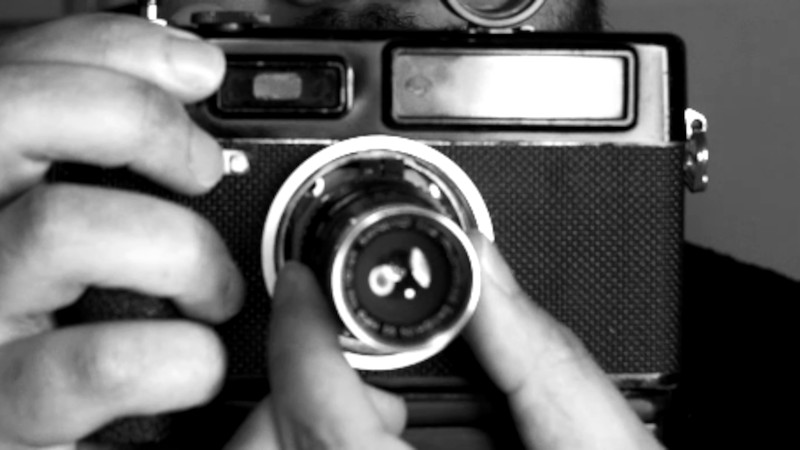
The project behind the title “Raspberry Pi Camera Conversion Leads To Philosophical Question” centers on a familiar maker-world dilemma: if an old camera no longer works as intended, is it better to preserve it, repair it, display it, or transform it into something new? In one widely discussed example, a Yashica film camera body was converted into a digital camera using Raspberry Pi hardware. That is not just a technical hack. It is a conversation about nostalgia, repair culture, creative reuse, and what makes a camera a camera.
At first glance, the idea is simple. Take a vintage film camera body, remove or bypass the parts that no longer work, install a Raspberry Pi computer and camera module, then capture digital images through a newly built system. But once the shutter clicks, the question gets bigger: did the maker save the camera, or did they erase it?
What Is a Raspberry Pi Camera Conversion?
A Raspberry Pi camera conversion is a DIY project that uses Raspberry Pi hardware to turn another object, often an old camera body, into a functioning digital camera. The core ingredients usually include a Raspberry Pi board, a compatible camera module, a power source, storage, a button or touchscreen interface, and some custom code.
Modern Raspberry Pi camera options make these builds more practical than they used to be. The Raspberry Pi High Quality Camera uses a 12.3-megapixel Sony IMX477 sensor and supports C- and CS-mount lenses, which opened the door for tinkerers who wanted real lens flexibility instead of a tiny fixed-focus module. Camera Module 3 later added a 12-megapixel sensor, autofocus, HDR support, and standard or wide-angle variants. For infrared experiments, NoIR versions remove the infrared cut filter, making them useful for night vision, plant photography, and dreamy ghost-world landscapes where trees glow like they know secrets.
The Raspberry Pi Zero 2 W is especially attractive for camera conversions because it is small, wireless, and powerful enough for many embedded photography projects. Larger boards such as Raspberry Pi 4 or Raspberry Pi 5 offer more processing power, but fitting them into a slim vintage camera body can feel like trying to park a moving truck in a bicycle rack.
The Yashica Question: Restoration or Resto-Mod?
The Yashica Electro 35 is a particularly interesting candidate for this kind of conversion because it already sits between eras. It was a classic 35mm rangefinder-style camera with electronic exposure features, meaning it was not purely mechanical in the first place. That makes a Raspberry Pi conversion feel oddly poetic. It is not a horse-drawn carriage getting a rocket engine. It is more like an old radio learning to stream podcasts.
In the well-known conversion project, the maker used the camera body as the shell for a digital system. The original film workflow gave way to a Raspberry Pi, a camera module, digital storage, and modern controls. Some versions of similar builds use a rear screen, a single control button, USB access, or a custom Python script to trigger capture. Other projects keep the optical viewfinder and skip the screen entirely, creating a digital camera that still asks the photographer to slow down and compose like it is Saturday afternoon in 1974.
This is where the philosophical question appears, wearing a tweed jacket and carrying a soldering iron: if the camera’s original soul came from film, brass, glass, winding levers, and mechanical timing, does replacing the inside with electronics make it less authentic? Or does using the old body keep its design alive in a new form?
Why Makers Love Turning Old Cameras Digital
1. It Makes Old Hardware Useful Again
Many vintage cameras are beautiful but broken. Some have dead meters, corroded battery compartments, fungus in lenses, jammed shutters, missing parts, or repair costs that exceed their market value. A conversion can keep the camera from becoming shelf décor or landfill filler. Instead of gathering dust, it goes outside again, sees light again, and annoys strangers again when they ask, “Is that film?” and you answer, “Well, technically…”
2. It Creates a Unique Shooting Experience
A Raspberry Pi camera conversion does not feel like using a phone. That is the point. Phones are amazing, but they are also little rectangles of infinite distraction. A converted vintage camera can restore some ceremony: raise the camera, frame the scene, press a real button, and wait for the machine to do its thing. The experience becomes slower, stranger, and more intentional.
3. It Teaches Real Skills
These projects combine electronics, photography, mechanical problem-solving, coding, 3D modeling, power management, and patience. So much patience. The kind of patience normally required to assemble flat-pack furniture while a cat supervises. Builders learn about sensor alignment, flange distance, lens coverage, exposure control, file storage, battery limitations, heat, user interfaces, and why “just one more test” can consume an entire evening.
The Technical Puzzle Behind the Magic
Converting a film camera to digital is not as easy as sliding a Raspberry Pi into the back and declaring victory. Film cameras were designed around a strip of film sitting at a precise focal plane. A digital sensor must sit at the correct distance from the lens, or the resulting image will be soft, blurry, or artistically “vintage” in the way burnt toast is artistically breakfast.
Sensor size matters too. A 35mm film frame is much larger than most Raspberry Pi camera sensors. That means the camera may capture only the central portion of the image projected by the original lens, creating a crop effect. This can be useful for telephoto-like framing, but it changes the character of the lens. A wide lens may suddenly behave like something much tighter, and the classic look of the camera may not fully match the final image.
Then there is the shutter. Film cameras often use mechanical shutters designed to expose film for fractions of a second. Raspberry Pi camera modules usually rely on electronic capture controlled by software. Some builds keep the original shutter button only as a trigger switch. Others bypass the old mechanism completely. That choice affects both usability and authenticity. A working original shutter feels wonderful, but integrating it with digital capture can become a tiny engineering soap opera.
Power is another challenge. Film cameras can run for ages on small batteries because they do not need to boot an operating system, power a sensor, write files, run a screen, or connect to Wi-Fi. A Raspberry Pi-based camera needs a battery pack, voltage regulation, safe wiring, and realistic expectations. Depending on the setup, battery life may be measured in hours, not months.
Why Raspberry Pi Is Perfect for Weird Cameras
The Raspberry Pi ecosystem is popular for camera conversions because it is flexible, affordable, and supported by a huge community. The official camera stack, including libcamera and Picamera2 tools, gives builders access to exposure settings, autofocus controls, image processing, video recording, and still capture. That matters because a camera is not just a sensor. It is a pipeline: light enters, data is read, software interprets it, and an image file comes out looking hopefully like a photograph and not like a haunted spreadsheet.
The Raspberry Pi High Quality Camera is attractive for lens-based builds because of its interchangeable-lens support. Camera Module 3 is attractive for compact projects because it includes autofocus and HDR in a small package. NoIR modules add creative infrared possibilities. Newer intelligent camera modules also show where this world is heading: cameras that can process visual data at the edge rather than simply recording it.
For makers, this flexibility is irresistible. One person builds a digital back for a film camera. Another creates a wildlife camera. Another makes a microscope camera. Another builds a retro point-and-shoot that looks like it came from a flea market but behaves like a small Linux computer. It is photography, but with more terminal commands.
The Preservation Argument: Some Cameras Deserve Repair
The strongest argument against conversion is preservation. Vintage cameras are historical objects. They represent industrial design, optical engineering, manufacturing craft, and photographic culture. Once a camera is gutted, drilled, cut, or permanently modified, it may never return to its original condition.
That matters more when the camera is rare, valuable, historically important, or repairable. A common broken point-and-shoot from a thrift store is one thing. A rare collectible rangefinder with original parts is another. The ethical maker should ask several questions before reaching for the screwdriver: Is this camera repairable? Is it rare? Would a collector or repair technician want it? Can the conversion be reversible? Am I about to commit a museum crime in my kitchen?
Reversible designs are especially appealing. Some projects create digital backs that replace the film door without permanently damaging the camera body. Others use 3D-printed inserts that can be removed later. This approach respects the original object while still allowing experimentation. In the maker world, “non-destructive mod” is a beautiful phrase. It says, “I have chaotic ideas, but I brought manners.”
The Resto-Mod Argument: Use Is a Form of Respect
The other side argues that objects are meant to be used. A camera that sits forever on a shelf is preserved, yes, but it is also frozen. A conversion may change the camera, but it can also return it to active life. The old body gets handled, carried, admired, and used to make images. That is not necessarily destruction. It can be a kind of reincarnation.
This argument is familiar in car culture, audio gear, arcade cabinets, and vintage computers. Some people restore objects to factory condition. Others resto-mod them with modern parts while keeping the external character. A classic car with an electric drivetrain can offend purists and delight drivers. A 1970s radio with Bluetooth can make collectors wince and families dance in the kitchen. A Yashica with a Raspberry Pi inside lives in the same emotional neighborhood.
The best conversions are honest about what they are. They do not pretend to be original. They celebrate the blend. The charm comes from the tension: old shell, new brain; analog posture, digital memory; vintage grip, modern sensor.
Image Quality: Expect Character, Not a Flagship DSLR
A Raspberry Pi camera conversion can produce impressive images, but expectations matter. The sensor in a Raspberry Pi camera module is much smaller than a full-frame camera sensor. Dynamic range, low-light performance, rolling shutter behavior, and lens compatibility can vary widely. A well-built Raspberry Pi camera can be sharp, fun, and surprisingly capable, but it is not automatically a mirrorless camera killer.
That is not a weakness. In fact, it may be the best part. These cameras often have quirks: unusual framing, odd ergonomics, slower handling, strange color science, infrared glow, or a homemade interface that behaves beautifully until it suddenly does something mysterious. Those quirks give the images personality. The goal is not always perfection. Sometimes the goal is making a camera that feels like a secret handshake.
What This Trend Says About Modern Photography
Photography has become frictionless. We take hundreds of photos without thinking, then forget them in a cloud library large enough to require its own weather system. DIY digital camera conversions push against that. They reintroduce friction in a good way. A homemade Raspberry Pi camera makes every photo feel earned.
It also reminds us that cameras are not only consumer products. They are tools that can be questioned, modified, repaired, and rebuilt. When someone converts an old film camera into a digital device, they are not just making a gadget. They are asking who gets to define what a camera should be. Must it come from a factory? Must it follow market trends? Must it have face detection, portrait mode, and a tiny icon of a mountain for landscape mode? Or can a camera be a personal machine built around curiosity?
Practical Tips Before Starting a Raspberry Pi Camera Conversion
Choose the Right Camera Body
Start with a camera that is common, damaged, incomplete, or already beyond economical repair. Avoid rare or historically significant models unless the conversion is fully reversible. If the camera still works beautifully with film, consider shooting a roll before deciding its fate. Sometimes the machine has one more story to tell in silver halide.
Plan the Sensor Position Carefully
The sensor must sit at the correct focal plane. Even tiny alignment errors can ruin focus. Before permanently mounting anything, test the image path with temporary supports. A messy prototype that works is better than a gorgeous enclosure that produces fog.
Think About Controls Early
Will the original shutter button trigger the Pi? Will you use a touchscreen? Do you need a status display? How will you change exposure, ISO, or focus? Many builds fail not because the camera cannot capture an image, but because using it feels like operating a microwave in a language you do not read.
Keep Heat and Battery Life in Mind
Raspberry Pi boards can generate heat, especially in cramped bodies. Batteries also need safe placement and proper voltage regulation. Leave room for airflow where possible, avoid crushing cables, and build in a way that can be opened for maintenance. Future you will appreciate not needing dental tools to replace a microSD card.
Experiences Related to “Raspberry Pi Camera Conversion Leads To Philosophical Question”
The most memorable part of a Raspberry Pi camera conversion is not the first successful photo. It is the strange emotional shift that happens before it. You begin with a broken camera on the desk. Maybe the leatherette is peeling. Maybe the shutter is stuck. Maybe the light meter gave up sometime around the release of disco. At first, it is just an object. Then you open it, and suddenly it becomes a negotiation.
Every screw feels like a decision. Remove too little, and the new components will not fit. Remove too much, and the camera starts to feel less like a rescue and more like a crime scene. You learn to respect the original engineers, because the inside of an old camera is usually far more elegant than expected. Springs, levers, curtains, gears, and tiny screws all work together in a mechanical ballet. Meanwhile, your Raspberry Pi is waiting nearby like a modern intern saying, “I can automate that.”
The first test image is usually ridiculous. It may be upside down, wildly out of focus, cropped into oblivion, or tinted like it was developed in soup. But it is yours. That matters. A phone photo is easy. A Raspberry Pi conversion photo feels like a small invention. You do not just press a button; you complete a circuit between eras.
One of the best experiences is learning how much photography depends on physical constraints. Sensor placement teaches you optics faster than any textbook. Battery placement teaches humility. Button wiring teaches that “ground” is not just a philosophical concept. A touchscreen teaches that user interface design is easy only to people who have never designed one. Even the camera strap becomes important, because a homemade camera has the survival instincts of a soap bar in a bathtub.
The public reaction is part of the fun. People see a vintage camera and assume film. Then you explain that it has a Raspberry Pi inside, and their faces perform a three-step dance: recognition, confusion, delight. Some people ask whether it still counts as a film camera. Others ask whether you ruined it. A few ask if you can build one for them, usually after hearing only the fun part and none of the cable-management suffering.
The philosophical question becomes more personal the longer you use the camera. If the original lens is gone, is the camera still a Yashica? If the body remains but the sensor is digital, is it a tribute or a disguise? If the camera would otherwise sit broken in a drawer, is modification a loss or a second chance? There is no single answer, which is why the topic is so sticky. It invites people to reveal what they value: originality, usability, history, creativity, or simply the joy of making something weird that works.
In practice, the best answer may be situational. Repair the rare camera. Preserve the working classic. Convert the broken common body. Design reversibly when possible. Document what you changed. Respect the object, but do not let respect become paralysis. Technology history is not only written by museums; it is also written at cluttered desks under bad lighting by people holding tiny screws and muttering, “Where did that spring go?”
Conclusion: The Camera Is Dead, Long Live the Camera
A Raspberry Pi camera conversion is more than a clever hardware hack. It is a debate you can hold in your hands. It asks whether old tools should be preserved exactly as they were or adapted for new creative lives. It asks whether authenticity lives in original parts, external design, shooting experience, or the images produced. It also asks whether you have enough patience to troubleshoot Python, ribbon cables, power banks, lens alignment, and your own life choices in one afternoon.
The most balanced view is simple: not every vintage camera should be converted, but not every broken camera needs to become a decoration. When done thoughtfully, a Raspberry Pi camera conversion can honor the past while creating something genuinely new. It keeps the shape, feel, and charm of analog photography while adding the flexibility of digital capture. That makes it less of a replacement and more of a conversation between generations.
So, is it desecration or reinvention? The answer depends on the camera, the builder, and the care taken along the way. But when an old body returns to the street, points at the light, and makes pictures again, it is hard not to smile. Even the purists may smile a little. Quietly. In another room.












