
Motion sickness on rides is one of life’s rudest surprises. One minute you are feeling heroic in the roller coaster line, confidently pretending you are immune to physics. The next minute, your stomach is writing a strongly worded complaint to management. Whether it happens on roller coasters, spinning teacups, Ferris wheels, simulators, swing rides, boats, trains, or virtual reality attractions, motion sickness can turn a fun day into a slow walk toward the nearest bench.
The good news? You are not weak, dramatic, or “just bad at rides.” Motion sickness happens when your brain receives conflicting signals from your eyes, inner ears, muscles, and joints. Your body feels movement, but your eyes may see something differentor the ride may spin, drop, sway, accelerate, and reverse faster than your brain can comfortably process. The result can be nausea, dizziness, sweating, headache, fatigue, burping, pale skin, or the classic “I need air immediately” face.
This guide explains how to deal with motion sickness on rides in 10 practical steps. It is written for theme park visitors, cruise passengers, fairground fans, parents, and anyone who wants to enjoy the fun without becoming emotionally attached to a trash can.
Why Rides Trigger Motion Sickness
Motion sickness usually starts with sensory mismatch. Your inner ear senses balance and acceleration. Your eyes report what they see. Your muscles and joints send information about body position. When those signals disagree, the brain may interpret the confusion as a problem and respond with nausea and dizziness.
Rides are especially tricky because they are designed to create unusual movement. Roller coasters combine speed, drops, turns, and sudden changes in direction. Spinning rides create circular motion that continues to bother your balance system even after the ride stops. Simulator rides add visual movement while your body stays mostly still. Dark rides remove the horizon, making it harder for your brain to stabilize itself. In other words, rides are basically a sensory group project, and sometimes your nervous system hates group projects.
How to Deal With Motion Sickness on Rides: 10 Steps
1. Know Your Personal Ride Triggers
The first step is to identify what kind of motion bothers you most. Some people can handle fast roller coasters but feel terrible on spinning rides. Others are fine on gentle boats but get queasy in 3D simulators. Common ride triggers include spinning, backward motion, sudden drops, side-to-side swinging, screen-based simulation, strong odors, darkness, and heat.
Before you enter a park, make a simple “yes, maybe, no thanks” ride list. For example, “yes” might include outdoor coasters with forward motion, “maybe” might include mild water rides, and “no thanks” might include teacups, VR simulators, or anything with the word “whirl” in the name. This is not defeat. This is strategy. Even astronauts train before unusual motion; you are allowed to skip the spinning pirate barrel.
2. Choose the Most Stable Seat
Seat choice can make a big difference. On many roller coasters, the middle cars feel less intense than the very front or back. The front may give a better view, but the back can whip more forcefully over hills and around curves. On boats, lower and more central areas usually move less than upper decks. On buses or trams, facing forward and sitting near the front can help your eyes match the direction of travel.
For simulator rides, sit where your head can stay supported and your eyes can face forward. If a ride allows you to choose, avoid rear-facing seats if backward motion makes you sick. When in doubt, pick the calmest position rather than the “maximum thrill” seat. Your stomach does not award bravery points.
3. Keep Your Eyes on a Stable Point
One of the most effective non-medication strategies is to look at a fixed point, a distant object, or the horizon when possible. This helps your brain connect what your eyes see with what your body feels. On outdoor rides, looking ahead along the track can be easier than staring sideways at passing scenery. On boats or slow-moving attractions, looking toward the horizon can calm the visual confusion.
On spinning rides, a stable horizon may not be available, which is one reason they are so difficult for motion-sensitive riders. In that case, focus on a fixed part of the ride vehicle rather than rapidly scanning the environment. Avoid closing your eyes on every ride automatically; for some people it helps, but for others it worsens the mismatch because the body feels motion while the eyes provide no stabilizing information.
4. Keep Your Head Still and Supported
Head movement can intensify motion sickness. When your head whips side to side, tilts back, or bounces during sudden turns, your inner ear receives even more confusing signals. Try to keep your head against the headrest when available. Face forward, brace your core gently, and avoid turning around to laugh at your friend mid-drop. You can mock them later, safely, while seated on a bench.
On coasters, keep your head centered and aligned with your body. On spinning or swinging rides, avoid leaning dramatically into the motion. On simulator rides, sit upright and resist the urge to follow every visual effect with your head. Small adjustments can reduce the intensity of the signals reaching your balance system.
5. Eat Light Before Riding
Food timing matters. A completely empty stomach can make nausea worse, but a heavy meal right before a ride can also backfire. The best pre-ride meal is light, familiar, and easy to digest. Think toast, crackers, banana, rice, applesauce, plain chicken, pretzels, soup, or a small sandwich. Save the giant chili cheese fries for later, preferably after you have retired from high-speed spinning for the day.
Avoid greasy, spicy, overly sweet, or very large meals before thrill rides. Alcohol is also a bad idea if you are prone to motion sickness because it can worsen dizziness, dehydration, and reaction time. Caffeine may bother some people, especially if it contributes to jitters or dehydration. The goal is not to ride hungry; the goal is to avoid giving your stomach a complicated engineering project before launch.
6. Stay Hydrated, but Do Not Overdo It Right Before Riding
Dehydration can make dizziness, headache, and nausea worse, especially during long theme park days in the sun. Sip water regularly throughout the day. Electrolyte drinks may help if you are sweating heavily, but avoid chugging a large bottle immediately before a ride. A stomach full of sloshing water is not ideal when the coaster decides to demonstrate gravity.
Hydration is especially important for children, older adults, and anyone spending hours outdoors. Take breaks in shaded or air-conditioned areas. If you start feeling lightheaded, thirsty, unusually tired, or overheated, pause before riding again. Sometimes what feels like “ride sickness” is motion sickness mixed with heat, fatigue, and not enough water.
7. Get Fresh Air and Cool Down Quickly
Fresh air can help ease nausea. After a ride, move away from crowded, hot, or strongly scented areas. Sit in the shade, loosen tight clothing if needed, and breathe slowly. If you are indoors, find a cool area or aim a fan or air vent toward your face. Strong smells such as fried food, perfume, fuel, or bathroom-cleaner fumes can make nausea worse, so relocate if your nose is making the situation more dramatic.
Slow breathing can also help. Try inhaling through your nose for four seconds, pausing briefly, and exhaling slowly through your mouth. This will not magically erase every symptom, but it can reduce panic and help your body settle after sensory overload.
8. Take Breaks Between Intense Rides
Motion sickness often builds. You may feel fine after one ride, slightly odd after the second, and deeply regretful after the third. Instead of stacking intense attractions back to back, alternate thrill rides with calmer experiences. Walk around, sit down, watch a show, ride something slow, or enjoy a snack break.
A useful rule is to wait until you feel completely normal before getting on another intense ride. If you are still sweaty, dizzy, burpy, pale, or suspiciously quiet, your body is not ready. Pushing through can turn mild nausea into a full afternoon problem. Theme parks are not going anywhere. Your dignity, however, may leave quickly if you ignore the warning signs.
9. Consider Motion Sickness Medicine Carefully
Over-the-counter motion sickness medicines such as dimenhydrinate or meclizine may help prevent nausea and dizziness for some people. These medications often work best when taken before symptoms begin, commonly 30 to 60 minutes before travel or ride exposure depending on the product directions. However, they can cause drowsiness, dry mouth, blurred vision, or slower reaction time.
Prescription options, including scopolamine patches, may be appropriate for some adults who have stronger or longer-lasting symptoms. Scopolamine patches are typically placed behind the ear before motion exposure and can last longer than many pills, but they also have side effects and are not right for everyone. People with glaucoma, urinary problems, certain heart conditions, medication interactions, pregnancy, or older age should speak with a healthcare professional before using motion sickness medicine.
Parents should be extra careful with children. Some motion sickness medicines are not recommended for young children, and some can cause unexpected excitement instead of sleepiness. Always follow the label and ask a pediatrician or pharmacist when unsure. More medicine is not better medicine. It is just a faster route to trouble wearing a theme park wristband.
10. Stop Early When Symptoms Start
The best time to manage motion sickness is before it becomes intense. Early signs may include yawning, sweating, mild stomach discomfort, extra saliva, headache, dizziness, or a sudden desire to become “the person who holds the bags.” When those signs appear, stop riding for a while. Sit still, look at a stable object, sip water, eat a small bland snack, and breathe slowly.
If symptoms are severe, repeated, or unusual, get medical help. Seek urgent care if vomiting will not stop, dehydration symptoms appear, chest pain occurs, a severe headache develops, vision changes happen, fainting occurs, or dizziness continues long after the ride ends. Most motion sickness is temporary, but not every dizzy or nauseated episode should be dismissed.
Best Rides for People Who Get Motion Sick
If you are prone to motion sickness, you do not have to sit out the entire day like a Victorian ghost on a bench. Choose rides with predictable forward motion, open-air views, and minimal spinning. Gentle train rides, slow boat rides, observation wheels, mild dark rides, carousels at slow speeds, and scenic transport attractions may be easier to tolerate.
Outdoor coasters can sometimes be easier than indoor simulators because your eyes can see the track and environment. However, this depends on the person. A smooth forward coaster may be fine, while a spinning mouse coaster may be a personal betrayal. Read ride descriptions before boarding. Watch the ride cycle from outside. If the vehicle spins freely, reverses often, or uses large screens, proceed with caution.
Worst Rides for Motion Sickness
The most common problem rides include spinning teacups, pendulum rides, pirate ships, scramblers, tilt-a-whirls, VR rides, 3D simulators, indoor coasters in darkness, backward coasters, and attractions with rotating rooms. These rides combine visual confusion, circular motion, or unpredictable acceleration, which can overwhelm the balance system.
This does not mean everyone must avoid them. Some people adapt over time. Others can handle one spinning ride but not three. The key is to respect your pattern. If the teacups destroyed you last year, they probably did not attend medical school and learn compassion this year.
Natural Remedies: What May Help
Some people find relief with ginger candy, ginger tea, peppermint, acupressure wristbands, controlled breathing, or cold water. Evidence varies, but these options are generally simple and may be worth trying if they are safe for you. Ginger can bother some stomachs or interact with certain medications, so use common sense and ask a clinician if you have medical concerns.
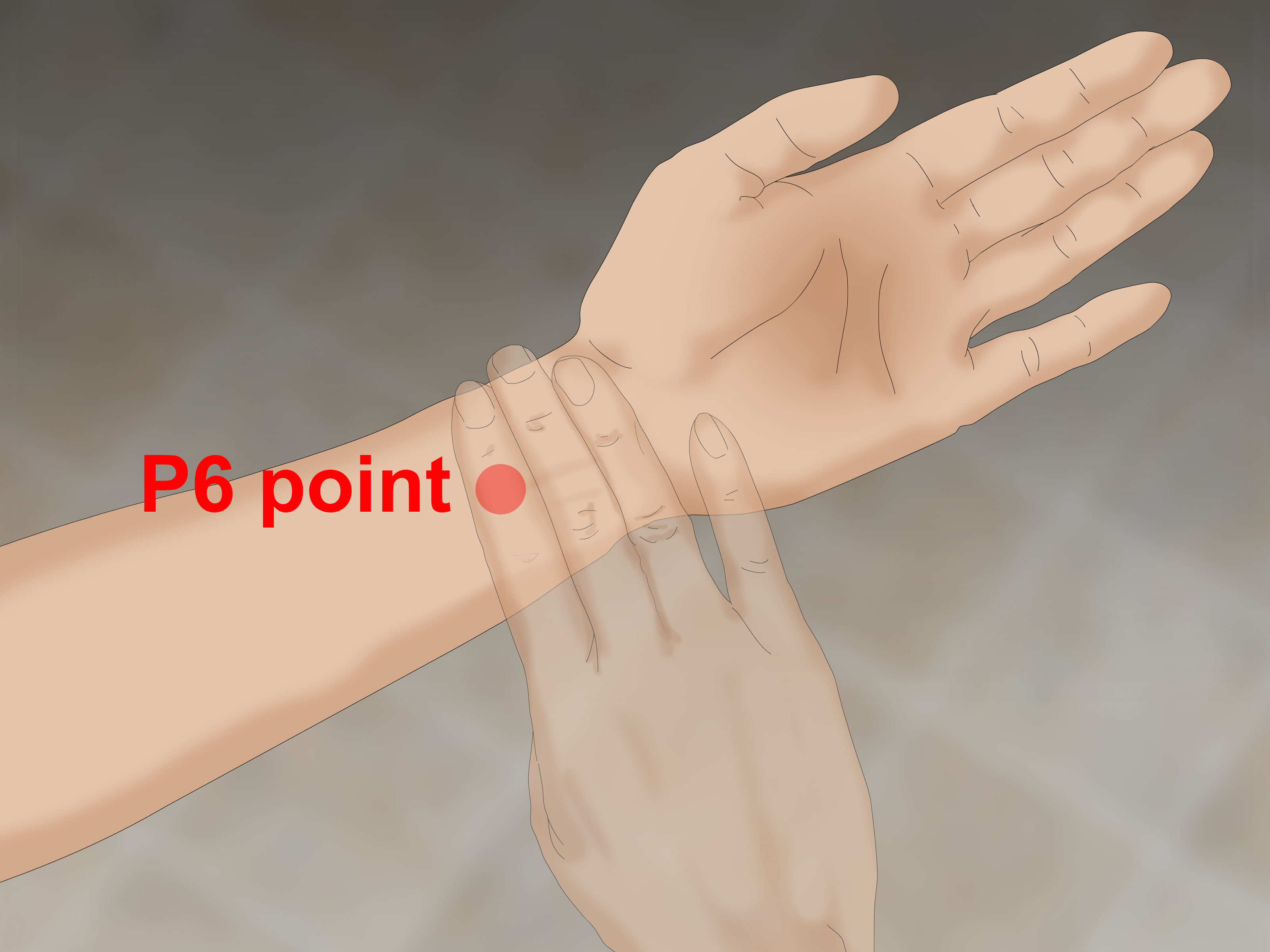
Acupressure bands press on the P6 point on the inner wrist. They are drug-free and easy to carry, although results vary from person to person. Think of them as a possible helper, not a magical force field against the spinning octopus ride.
How to Help a Child With Ride Motion Sickness
Children are often more prone to motion sickness than adults, especially between early childhood and the preteen years. Watch for early signs: quietness, sweating, paleness, yawning, stomach complaints, or sudden irritability. A child may not say, “I am experiencing vestibular sensory mismatch.” They may simply say, “My tummy feels weird,” which is your cue to pause.
Give children light snacks, water, shade, and breaks. Avoid letting them stare at phones or tablets while moving, especially on buses, boats, or park transport. Choose rides gradually. Start with gentle attractions before moving to faster ones. If medication is being considered, ask a pediatrician or pharmacist and follow dosing instructions exactly.
Common Mistakes That Make Motion Sickness Worse
One common mistake is trying to “tough it out.” Motion sickness usually gets harder to control once it is fully developed. Another mistake is riding multiple intense attractions with no recovery time. A third is eating a heavy meal, drinking too little water, or standing in hot lines for hours before boarding a high-speed ride.
Other mistakes include looking down at a phone in line or during transport, turning your head constantly during the ride, choosing the wildest seat, ignoring medication side effects, and riding again too soon after symptoms begin. The smartest theme park guest is not always the bravest one. Sometimes it is the person happily eating pretzels in the shade while everyone else learns about centrifugal force the hard way.
of Real-Life Ride Motion Sickness Experience
Anyone who has dealt with motion sickness on rides knows the experience is not just physical; it is social, emotional, and occasionally comedic in the most inconvenient way. You may start the day with big plans. You studied the park map, ranked the roller coasters, promised your friends you were “totally fine this time,” and maybe even announced that you had matured since the county fair incident. Then the first spinning ride begins, and within 30 seconds your confidence quietly leaves the vehicle.
One of the most helpful lessons from real ride days is that motion sickness rarely appears out of nowhere. There are usually warning signs. Your stomach feels a little floaty. Your forehead gets damp. You stop talking. You begin calculating the distance to the exit. Many people ignore these signs because they do not want to ruin the group’s fun. But speaking up early is much better than pretending everything is fine until your body files an emergency report.
A practical approach is to plan your day around waves of intensity. Start with easy rides in the morning, when you are rested, cooler, and less likely to be dehydrated. Save the biggest thrill rides for a time when you have eaten lightly and feel steady. Avoid doing a spinning ride immediately after lunch, especially if lunch involved fried food, milkshakes, or anything served in a bucket. Theme park food is joyful, but it does not always want to experience a loop-the-loop with you.
Another experience-based tip is to become comfortable being the “selective rider.” You do not need to ride everything to enjoy the day. Some of the best park memories happen while waiting, taking photos, watching street shows, exploring themed areas, or being the trusted guardian of everyone’s backpacks. When friends understand your limits, the day becomes easier. A simple phrase like, “Spinning rides make me sick, but I’m good for the coaster after a break,” is clear and drama-free.
It also helps to build a recovery ritual. After a rough ride, find a cool place, sit upright or reclined, sip water, and look at something still. Do not immediately scroll your phone, because moving text and bright screens can keep the nausea going. A bland snack like crackers or pretzels may help once your stomach settles. If you use ginger candy or peppermint, keep it in a small bag so you are not searching through souvenir receipts while feeling green.
Finally, remember that motion sickness can change over time. A ride you loved as a teenager may feel different as an adult. Lack of sleep, stress, heat, dehydration, illness, and certain medications can lower your tolerance. That does not mean the fun is over. It means your ride strategy needs an upgrade. With smart pacing, good seat choices, hydration, fresh air, and the right prevention plan, many people can still enjoy amusement parks without sacrificing their stomachs to the roller coaster gods.
Conclusion
Learning how to deal with motion sickness on rides is about preparation, not panic. The best approach is to understand your triggers, choose stable seats, keep your head steady, look at fixed points, eat lightly, hydrate wisely, cool down often, and take breaks before symptoms snowball. Medications may help, but they should be used correctly and with attention to age, health conditions, side effects, and professional guidance.
Most importantly, do not measure your fun by how many intense rides you survive. A great park day is not a medical endurance test with cotton candy. Listen to your body, pace yourself, and choose the rides that let you enjoy the experience instead of simply recovering from it. Motion sickness may be annoying, but with the right plan, it does not have to run the whole show.
Note: This article is for general educational purposes only and is not a substitute for professional medical advice. People with severe, recurring, unusual, or worsening symptoms should speak with a qualified healthcare professional.













