
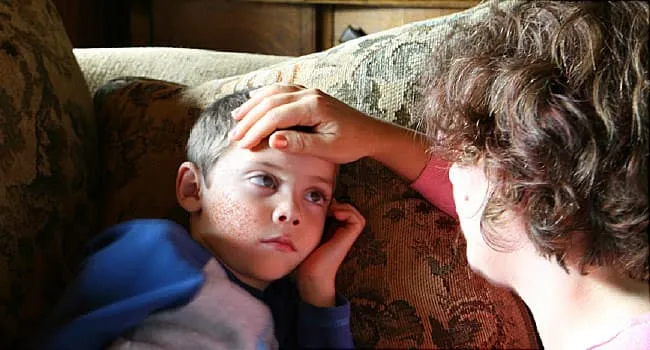
Scarlet fever sounds like something from an old medical textbook, probably sitting next to a dusty bottle labeled “mystery tonic.” But this infection is very real today, especially among children. The good news? Modern medicine has turned scarlet fever from a frightening childhood illness into something that is usually very treatable when recognized early.
A good scarlet fever video on symptoms and treatments should do more than show a red rash and say, “Well, that looks uncomfortable.” It should explain what scarlet fever is, how it spreads, what symptoms parents should watch for, when to call a doctor, and how antibiotics help. This guide gives you the full script behind that kind of videoclear, practical, and friendly enough that you won’t need a medical dictionary in one hand and coffee in the other.
What Is Scarlet Fever?
Scarlet fever, also called scarlatina, is a bacterial illness caused by group A Streptococcus, the same bacteria responsible for strep throat. In some people, the bacteria release a toxin that triggers the classic red, rough-feeling rash. Think of it as strep throat wearing a dramatic red costume. The infection most often affects school-age children, especially those between 5 and 15 years old, although adults can get it too.
Scarlet fever usually appears after or along with a throat infection. It can also occur with a strep skin infection, though that is less common. Because it spreads through respiratory droplets, close contact, shared cups, coughing, sneezing, and crowded school settings can help it move around faster than gossip in a cafeteria.
Why a Scarlet Fever Video Can Help Parents and Caregivers
Health information is easier to remember when it is visual. A scarlet fever symptoms video can show what the rash may look like, explain the “sandpaper” texture, and demonstrate why a sore throat with fever deserves attention. Parents often search for images or videos because they want to know whether their child’s rash is “normal kid stuff” or something that needs medical care.
The most helpful videos avoid panic and focus on patterns. Scarlet fever is not diagnosed by rash alone. Many illnesses can cause fever and rash, including viral infections, allergic reactions, and other bacterial conditions. A healthcare provider usually confirms scarlet fever with a rapid strep test or throat culture. That small throat swab may feel annoying for a moment, but it gives a much clearer answer than guessing from bathroom lighting.
Common Scarlet Fever Symptoms
Sore Throat and Fever
Scarlet fever often begins like strep throat. A child may develop a sudden sore throat, pain when swallowing, fever, headache, chills, or swollen glands in the neck. Some children also complain of stomach pain, nausea, or vomiting. This can confuse parents because it may look like a stomach bug at first. The clue is the combination: fever, sore throat, swollen neck glands, and then the rash.
The Sandpaper Rash
The rash is the celebrity symptom of scarlet fever. It usually appears as tiny red bumps that feel rough, almost like fine sandpaper. It may begin on the neck, chest, underarms, or groin before spreading across the body. The rash can look brighter in skin folds, such as the elbows, armpits, and groin. These darker red lines in creases are sometimes called Pastia lines.
On lighter skin, the rash may look bright red or pink. On darker skin, redness can be harder to see, so texture, warmth, itching, and overall illness symptoms become especially important. A good scarlet fever video should mention this because skin symptoms do not look identical on every person. Medical content that only shows one skin tone is like a weather report that only covers one cloud.
Strawberry Tongue and Facial Changes
Another classic sign is “strawberry tongue.” Early on, the tongue may have a white coating with red bumps peeking through. Later, it can look red and bumpy. Some children also develop flushed cheeks with a pale area around the mouth. These signs are useful clues, but they still do not replace testing.
Peeling Skin During Recovery
As scarlet fever improves, the rash fades. Afterward, the skin may peel, especially around the fingers, toes, underarms, or groin. This peeling can last for a couple of weeks. It may look alarming, but it often happens during recovery. Moisturizer can help with dryness, but any worsening redness, swelling, pain, or fever should be checked by a healthcare professional.
How Scarlet Fever Spreads
Scarlet fever spreads mainly through droplets from coughs and sneezes. It can also spread through close contact with an infected person or, less commonly, by touching contaminated objects and then touching the mouth or nose. Schools, daycare centers, sports teams, and busy households are common places for group A strep to travel.
Good hygiene helps reduce spread. Wash hands often with soap and water, cover coughs and sneezes, avoid sharing utensils or cups, and clean frequently touched surfaces. Once a person starts the correct antibiotic, they are usually much less contagious after about 24 hours, but they should also be fever-free before returning to school or group activities. Nobody wants to be remembered as the kid who brought strep to show-and-tell.
How Doctors Diagnose Scarlet Fever
Doctors usually look at the throat, skin, tongue, fever pattern, swollen lymph nodes, and overall symptoms. However, because many conditions can cause a rash, diagnosis should include testing for group A strep. A rapid strep test can give results quickly. If that test is negative but the doctor still suspects strep, a throat culture may be sent to a lab.
This testing matters because antibiotics should be used when group A strep is confirmed or strongly supported by medical evaluation. Treating every rash with antibiotics is not helpful and can contribute to medication side effects and antibiotic resistance. On the other hand, untreated scarlet fever can lead to complications, so getting the diagnosis right is the sweet spot.
Scarlet Fever Treatment: What Usually Works
Antibiotics Are the Main Treatment
Scarlet fever is treated with antibiotics, commonly penicillin or amoxicillin, unless the patient has an allergy or another medical reason to use a different medicine. Antibiotics help shorten symptoms, reduce spread to others, and lower the risk of complications such as ear infections, throat abscesses, and rheumatic fever.
It is important to finish the full antibiotic course exactly as prescribed, even if the child starts bouncing around the living room like nothing ever happened. Feeling better does not always mean the bacteria are completely gone. Stopping too early can allow the infection to return or cause problems later.
Comfort Care at Home
Supportive care can make recovery easier. Offer plenty of fluids, soft foods, and rest. Warm soups, cold drinks, popsicles, and smoothies can be soothing for a sore throat. A cool-mist humidifier may help if the throat feels dry. For fever or discomfort, parents can ask a doctor about appropriate doses of acetaminophen or ibuprofen. Children and teenagers should not take aspirin unless specifically directed by a healthcare professional.
When to Seek Medical Help Quickly
Call a healthcare provider if a child has a sore throat with fever and rash, trouble swallowing, swollen neck glands, or symptoms that look like strep throat. Seek urgent care for breathing trouble, dehydration, extreme sleepiness, confusion, stiff neck, severe pain, a rapidly worsening rash, or fever that does not improve. Also contact a doctor if symptoms do not begin improving after 24 to 48 hours on antibiotics or if new symptoms appear.
Possible Complications of Scarlet Fever
Most people recover well with proper treatment. Still, scarlet fever should not be ignored. Untreated group A strep infections can sometimes lead to ear infections, sinus infections, pneumonia, swollen lymph nodes, throat abscesses, kidney inflammation, arthritis, or rheumatic fever. Rheumatic fever can affect the heart, joints, brain, and skin, which is why doctors take strep infections seriously.
The goal is not to frighten families. The goal is to act early. Scarlet fever is like a small kitchen fire: manageable when handled promptly, much more stressful if everyone stands around pretending the smoke alarm is just being dramatic.
What a Helpful Scarlet Fever Video Should Include
If you are creating or watching a scarlet fever video on symptoms and treatments, look for a balanced explanation. The video should show or describe the rash, mention sore throat and fever, explain strawberry tongue, and make clear that a medical test is needed for diagnosis. It should also explain antibiotics, home care, and when to seek help.
A strong video should avoid scary exaggeration. Scarlet fever is contagious and needs treatment, but it is not a reason to panic. It should also avoid giving exact medical instructions that replace a doctor’s advice. The best health videos empower people to ask better questions, not to become overnight pediatricians with Wi-Fi.
Prevention Tips for Families
There is no vaccine for scarlet fever. Prevention focuses on reducing the spread of group A strep. Teach children to wash hands before eating and after coughing, sneezing, or using the bathroom. Encourage them not to share water bottles, utensils, lip balm, towels, or toothbrushes. Replace the toothbrush after a day or two of antibiotic treatment to reduce the chance of re-exposure.
Keep sick children home until they have taken antibiotics for at least 24 hours, are fever-free, and feel well enough to participate. This helps protect classmates, teachers, siblings, and grandparents. It also gives the child a real chance to rest, which is more useful than pretending math class is a healing environment.
Scarlet Fever in Adults
Although scarlet fever is more common in children, adults can get it too. Parents, teachers, childcare workers, and healthcare workers may be exposed through close contact. Adults should not dismiss a severe sore throat with fever and rash. Testing and treatment are still important, especially to reduce spread within families and workplaces.
Adults may also have different priorities during recovery, such as missing work, caring for children, or managing other health conditions. The same basic rules apply: get evaluated, take medication as prescribed, hydrate, rest, and avoid close contact until no longer contagious.
Conclusion: Early Recognition Makes Scarlet Fever Easier to Treat
Scarlet fever may have an old-fashioned name, but the modern approach is straightforward: recognize the symptoms, confirm group A strep with testing, treat with antibiotics, and support recovery at home. A sore throat plus fever plus a rough red rash is the classic signal to call a healthcare provider. With timely care, most people recover without serious problems.
A well-made scarlet fever video can be a useful first step for parents and caregivers who want to understand what they are seeing. But the video should lead to smart action, not self-diagnosis. When in doubt, contact a medical professional. Your search bar is helpful, but it does not own a stethoscope.
Experience-Based Insights: What Families Often Notice During Scarlet Fever
Many families describe scarlet fever as beginning like an ordinary sore throat. The child may wake up cranky, warm, and uninterested in breakfast. At first, parents may suspect a cold, flu, or “just one of those school germs.” Then the rash appears, and suddenly the situation feels less ordinary. The texture is often what catches attention. Parents may say the skin feels rough, like sandpaper, even when the redness is not dramatic.
One common experience is confusion over timing. The sore throat and fever may come first, while the rash follows a day or two later. That delay can make parents wonder whether the rash is from a new soap, food allergy, heat, or medication. This is why it helps to look at the whole picture instead of focusing on one symptom. Fever, sore throat, swollen glands, headache, stomach upset, and a rough rash together create a stronger reason to call the doctor.
Another experience families mention is how quickly children may improve after starting antibiotics. Some children feel noticeably better within a day or two. Their energy returns, the fever drops, and the sore throat becomes less intense. This improvement can tempt families to stop the medicine early. That is the moment to remember the boring but important rule: finish the full course. Antibiotics are not a playlist you skip when you get to the good part.
Parents also learn that recovery is not always perfectly tidy. The rash may fade before the skin feels normal. Peeling around the fingertips or toes can show up later, which may surprise families who thought the illness was completely finished. Gentle skin care, hydration, and patience usually help. However, worsening symptoms, new fever, swelling, or pain should always be checked.
School and daycare logistics can be another challenge. Families often have to arrange a sick day, notify the school nurse, and keep siblings from sharing cups or snacks. It can feel like running a tiny infection-control department from the kitchen counter. The practical steps are simple but powerful: handwashing, separate utensils, cleaning shared surfaces, washing bedding and towels, and keeping the child home until the doctor’s return-to-school guidance is met.
The biggest lesson from real-life scarlet fever experiences is that calm attention works better than panic. Scarlet fever looks dramatic, but with prompt medical care, it is usually very manageable. Parents do not need to memorize every medical term. They need to recognize the pattern, ask for testing, follow the treatment plan, and watch for changes. That approach protects the child, the household, and everyone else who would prefer not to receive a surprise visit from group A strep.
Note: This article is for educational publishing purposes only and should not replace diagnosis, treatment, or personalized advice from a licensed healthcare professional.













