Gardenias are the divas of the shrub world: glossy, fragrant, elegant, and just dramatic enough to make you check the soil, the weather, the moon phase, and your life choices when buds drop. But once you understand how to prune a gardenia bush, the whole plant becomes much less mysterious. Pruning is not about giving your shrub a severe haircut because it “looked at you funny.” It is about timing, light shaping, deadheading spent blooms, removing unhealthy growth, and helping the plant put its energy where it matters most: strong stems, healthy leaves, and those creamy white flowers that can make an entire patio smell like a fancy candle aisle.
The key is simple: prune gardenias soon after flowering, avoid heavy cuts too late in the season, and never remove more growth than the plant can comfortably replace. Whether your gardenia is a compact container plant, a foundation shrub by the front porch, or a slightly overgrown green beast threatening to swallow your walkway, this guide will walk you through deadheading, trimming, shaping, rejuvenating, and caring for your gardenia after pruning.
When Is the Best Time to Prune a Gardenia Bush?
The best time to prune a gardenia bush is shortly after its main blooming period, usually in late spring or summer depending on your climate and variety. In many warm regions, gardenias finish their heaviest flush of flowers sometime between June and August. That window is ideal because the plant has finished showing off, but it still has time to grow and set up for future blooms.
Avoid major pruning in fall or winter unless you are removing dead, diseased, or damaged wood. Late pruning can remove developing flower buds, encourage tender new growth before cold weather, or leave the shrub more exposed to winter stress. Think of it this way: pruning at the right time is like editing a speech before the performance. Pruning too late is like ripping pages out while the speaker is already on stage.
Quick Timing Guide
- Best time for shaping: Right after the main bloom period.
- Best time for deadheading: As flowers fade throughout the blooming season.
- Best time to remove dead or broken branches: Anytime you notice them.
- Worst time for heavy pruning: Late fall through winter, especially in colder zones.
- For reblooming varieties: Deadhead regularly and prune lightly after the first major flower flush.
Why Pruning Gardenias Matters
Gardenias do not need constant pruning, but they do benefit from thoughtful attention. A well-pruned gardenia has better air circulation, a more balanced shape, fewer crowded stems, and a stronger framework. Pruning also helps remove weak or damaged growth that can invite pests and disease.
Deadheading gardenias can keep the plant looking tidy and may encourage repeat blooming in varieties that flower more than once. Trimming also keeps the shrub from becoming leggy, especially when it is planted in partial shade or grown in a container where light can be uneven.
Tools You Need Before You Start
Before you make the first cut, gather the right tools. Gardenia stems are not usually massive, but clean cuts matter. Ragged cuts can stress the plant and create openings for problems.
- Bypass hand pruners: Best for small stems and deadheading.
- Loppers: Useful for thicker, older branches.
- Gloves: Helpful for protecting your hands from rough stems and soil irritants.
- Disinfectant: Use rubbing alcohol, disinfecting wipes, or an appropriate garden tool cleaner.
- Bucket or tarp: Makes cleanup easier and keeps diseased material away from the soil.
Always start with sharp, clean tools. If you are cutting out diseased branches, clean the blades between cuts. Yes, it feels a little fussy. No, your gardenia will not applaud. But clean tools help reduce the spread of plant pathogens, and that is worth the extra minute.
How to Deadhead Gardenias
Deadheading means removing faded flowers after they finish blooming. On gardenias, spent blooms often turn creamy yellow, then brown. They may cling to the plant like tiny paper ghosts, which is not exactly the glamorous garden look most people are going for.
Step-by-Step Deadheading
- Wait until the flower has faded and begun to wilt.
- Find the short stem holding the spent bloom.
- Pinch it off with your fingers or use clean pruners.
- Cut just above a healthy set of leaves or a leaf node.
- Remove fallen petals from the soil surface to reduce mess and possible fungal issues.
Do not yank flowers off aggressively. Gardenia stems can be brittle, and pulling may damage new buds or soft growth. A gentle pinch or clean snip is enough.
How to Trim a Gardenia Bush for Shape
Once the main bloom cycle is over, step back and study the shrub before cutting. This is the moment when many gardeners get excited, start clipping randomly, and accidentally create a lopsided gardenia that looks like it cut its own bangs. Avoid that tragedy by observing first.
Look for These Branches First
- Dead, dry, or brittle branches
- Broken stems
- Crossing branches that rub together
- Long, straggly shoots sticking far beyond the natural shape
- Branches growing inward toward the center of the shrub
- Weak growth near the base
Start by removing problem branches, then lightly shape the plant. Cut back long shoots to a leaf node or side branch. Try to preserve the gardenia’s natural rounded form instead of forcing it into a tight cube. Gardenias look best when they are shaped, not sculpted into green furniture.
How Much Can You Cut Back a Gardenia?
For routine pruning, remove only a modest amount of growth. A light trim is usually enough to maintain size and encourage a fuller habit. As a general rule, avoid removing more than one-third of the shrub at one time. If the gardenia is healthy and mature, it may tolerate stronger pruning, but drastic cuts should be reserved for overgrown plants that truly need renovation.
If your gardenia is severely overgrown, do not panic-prune it into a stump. Instead, renovate it gradually. Remove the oldest, least productive branches first, open the center slightly, and shorten runaway stems. If the shrub still needs major size reduction, spread the work over two growing seasons. Slow and steady wins the bloom race.
How to Prune an Overgrown Gardenia Bush
An overgrown gardenia can become dense, woody, and reluctant to bloom well. The goal is to reduce size while keeping enough healthy foliage for photosynthesis. Leaves are the plant’s food factories, so removing too many at once can shock the shrub.
Overgrown Gardenia Pruning Plan
- Remove dead wood first. Cut dead branches back to healthy tissue or to the base.
- Thin crowded areas. Remove selected interior branches to improve airflow.
- Shorten long stems. Cut back to a leaf node or outward-facing branch.
- Preserve the natural outline. Avoid flat tops and harsh sides.
- Water after pruning. Help the plant recover, especially in warm weather.
If you need to reduce the height, choose the tallest stems and cut them back individually rather than shearing the whole top. Selective pruning looks more natural and helps sunlight reach more of the plant.
Should You Shear a Gardenia Hedge?
You can lightly shear a gardenia hedge, but selective pruning is usually better. Shearing creates a dense outer shell of leaves while the inside becomes shaded and woody. Over time, that can reduce flowering and make the shrub look thin if the outer layer is damaged.
If your gardenias are used as a hedge, trim lightly after blooming and follow up with hand pruning to remove interior deadwood or crossing stems. A soft, rounded hedge is healthier and more attractive than a rigid wall of green with flowers only on the surface.
Where to Make the Cut
Make cuts just above a leaf node, bud, or side branch. A leaf node is the small point where a leaf attaches to the stem. Cutting above a node encourages new growth from that area. Avoid leaving long stubs, because they can die back and look messy. Also avoid cutting too close to the bud, which can damage the growth point.
For larger branches, cut back to a main stem or branch junction. Do not leave torn bark or crushed stems. If your pruners are squeezing instead of slicing, sharpen or replace them.
Dead, Diseased, and Damaged Branches: What to Remove Immediately
Some pruning should not wait for the perfect season. Remove dead, diseased, or damaged branches whenever you find them. Dead stems are often brown inside, brittle, and leafless. Diseased growth may show cankers, unusual swelling, blackened areas, or leaves with severe spotting.
When removing diseased material, cut several inches into healthy-looking tissue when possible. Bag and discard the debris instead of composting it, especially if you suspect a fungal or bacterial problem. Compost piles do not always get hot enough to destroy every pathogen, and nobody wants to lovingly recycle disease back into the flower bed.
Pruning Gardenias in Pots
Container gardenias need the same basic pruning approach, but they often require a lighter touch. Potted plants have limited root space, so heavy top pruning can stress them if water, nutrients, or light are already inconsistent.
Deadhead regularly, remove weak stems, and shape after blooming. If the plant is leaning toward the light, rotate the pot every week or two. If it is becoming leggy indoors, pruning alone may not solve the issue; the plant may need brighter indirect light, better humidity, or more consistent watering.
Pruning Aftercare: What to Do Once You Finish
After pruning, give your gardenia a little recovery support. Water deeply if the soil is dry, but do not drown the roots. Gardenias like evenly moist, well-drained, acidic soil. Soggy soil can lead to root problems, while dry soil can cause stress and bud drop.
Aftercare Checklist
- Water deeply after pruning if rainfall is lacking.
- Refresh mulch, keeping it a few inches away from the trunk.
- Feed with fertilizer for acid-loving plants during the active growing season.
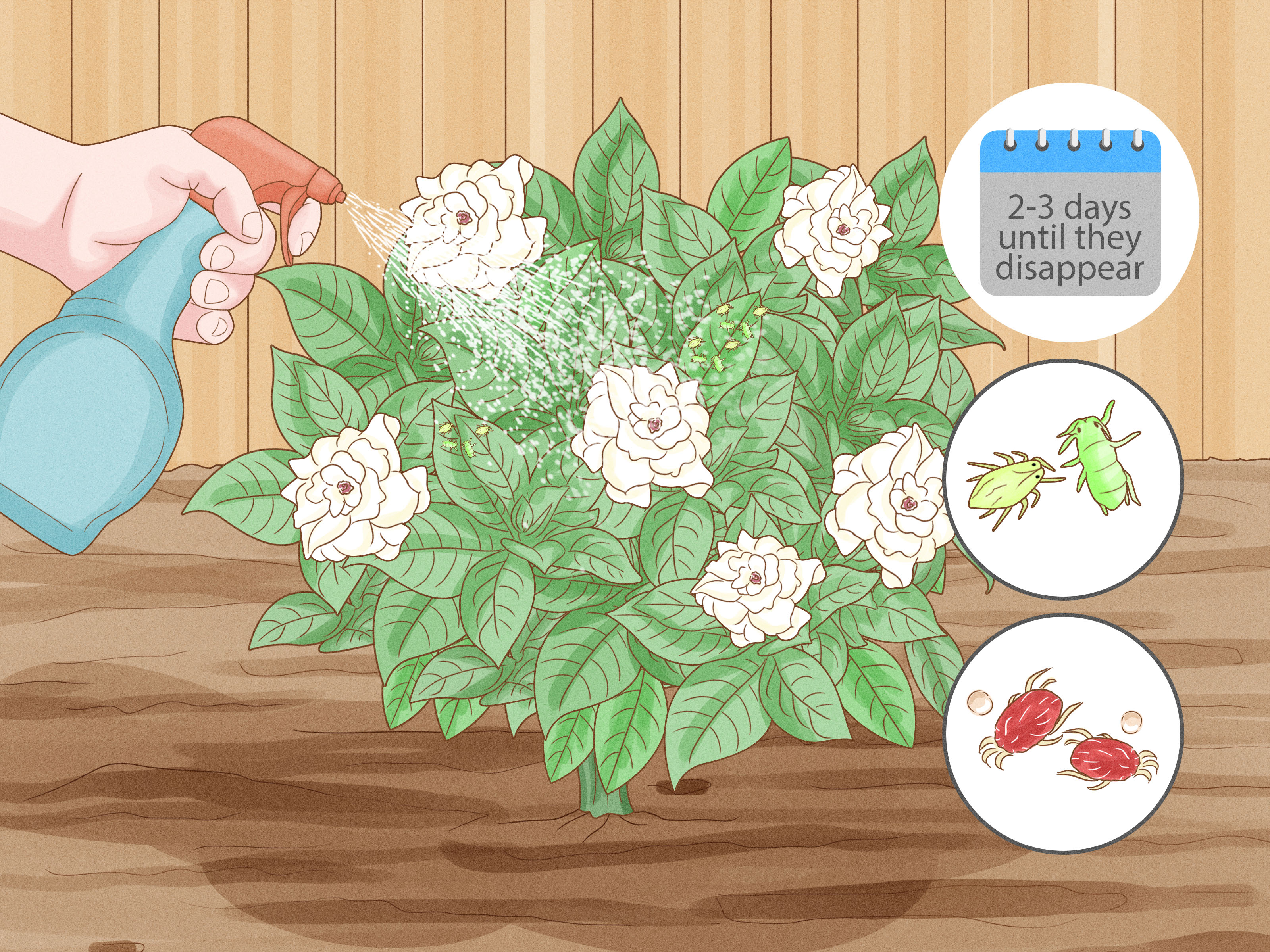
- Watch for pests such as scale, aphids, whiteflies, and spider mites.
- Avoid fertilizing late in the season in colder climates.
Mulch is especially useful because gardenias have shallow roots. A layer of organic mulch helps conserve moisture and moderate soil temperature. Just do not pile mulch against the stems, unless your goal is to create a cozy pest hotel.
Common Gardenia Pruning Mistakes
Pruning Too Late
Late-season pruning is one of the fastest ways to reduce next year’s blooms. If buds have already formed, trimming may remove them before they ever open.
Cutting Too Much at Once
A hard cut can shock the plant, especially if it is already stressed by heat, drought, pests, or poor soil. When in doubt, prune less and observe the response.
Using Dirty Tools
Dirty pruners can move disease from one plant to another. Clean tools are a small habit with a big payoff.
Shearing Instead of Selective Pruning
Shearing may look tidy for a moment, but it can create dense outer growth and a weak interior. Selective cuts produce a healthier, more natural gardenia.
Ignoring the Plant’s Growing Conditions
If a gardenia is not blooming, pruning may not be the main problem. Check sunlight, soil pH, drainage, water consistency, and cold damage. A gardenia in poor conditions will not magically bloom because you threatened it with pruners.
How Pruning Affects Gardenia Blooms
Gardenias bloom best when the plant has healthy new growth and enough time to prepare buds. Pruning after flowering allows the shrub to replace trimmed growth and develop future blooming wood. Deadheading can also redirect energy away from old flowers and toward fresh growth.
However, pruning is not a cure-all. If your gardenia has yellow leaves, dropping buds, or few flowers, look beyond the scissors. Gardenias prefer acidic soil, consistent moisture, good drainage, bright light with some afternoon protection in hot climates, and shelter from harsh wind or cold snaps.
Experience-Based Tips for Pruning Gardenias
One of the most useful lessons from working with gardenias is that the plant usually tells you what it needs if you slow down long enough to look. Before pruning, walk around the shrub from every side. View it from the sidewalk, the porch, the driveway, and the kitchen window. Gardenias are often planted where people pass by, so the “best” shape is not just botanical; it is also visual. A branch that looks fine from one angle may stick out awkwardly from another.
Another practical tip is to prune in stages. Start with the obvious problems: dead twigs, broken stems, old flowers, and branches scraping the wall or blocking a path. Then stop. Step back. Many gardeners remove 20 extra branches simply because they never paused between cuts. The pause is where good pruning happens. It is the difference between a polished shrub and a gardenia that looks like it lost a fight with a salad spinner.
For deadheading, keep a small pair of pruners near the garden bed during bloom season. Removing faded flowers every few days is easier than doing one big cleanup later. It also helps you notice early signs of trouble, such as scale insects on stems, yellowing leaves, or buds that brown before opening. Gardenia care improves dramatically when you catch small problems before they become dramatic productions.
If your gardenia is near a walkway, trim lightly but regularly after bloom. Long stems that brush against people often break, and repeated breakage can leave the plant uneven. Cut those stems back to a side branch instead of just clipping the tips. This keeps the shrub looking natural while preventing the same branch from becoming a problem again two weeks later.
For container gardenias, pruning is closely tied to watering habits. A potted gardenia that dries out too often may respond poorly to trimming, while one sitting in soggy soil may already have stressed roots. Before pruning a container plant, check whether the pot drains well and whether the soil is evenly moist. A healthy root system supports healthy regrowth.
Finally, do not chase perfection. Gardenias are living shrubs, not plastic decorations. A slightly uneven but healthy plant will usually look better after its next growth flush. The best pruning respects the plant’s natural habit, protects the next bloom cycle, and improves health without turning the process into shrub surgery. When you prune with patience, your gardenia rewards you with glossy leaves, graceful shape, and flowers that make the whole garden smell like summer dressed up for a dinner party.
Conclusion
Learning how to prune a gardenia bush is mostly about timing, restraint, and clean cuts. Prune soon after flowering, deadhead spent blooms during the season, remove damaged branches whenever needed, and shape lightly rather than shearing aggressively. For overgrown shrubs, renovate gradually so the plant has enough foliage to recover. Pair pruning with good aftercare: consistent moisture, acidic soil, mulch, clean tools, and pest monitoring.
Gardenias may have a reputation for being picky, but they are not impossible. Treat pruning as a gentle conversation with the plant, not a wrestling match, and you will keep your shrub healthier, fuller, and more likely to bloom beautifully year after year.