
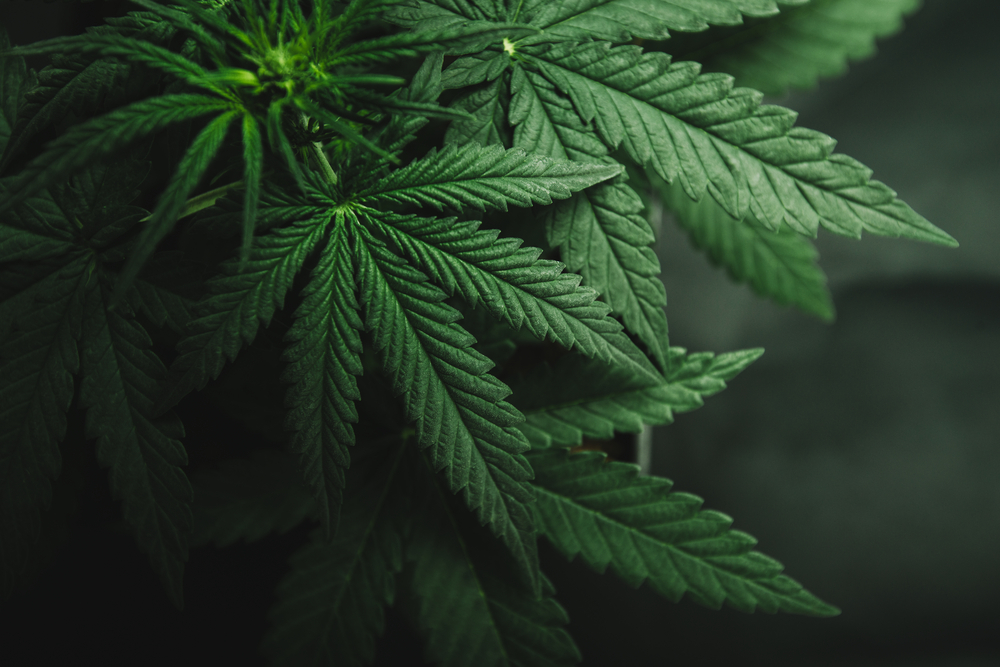
Marijuana has a branding problem. For decades, many people pictured it as a mellow plant, a punchline in old comedies, or something far less intense than “hard drugs.” But today’s high-potency marijuana is not the same product people joked about in the 1970s. Modern cannabis can contain far more THC, the main intoxicating compound that produces the “high,” and it is now sold in forms that can deliver a powerful dose quickly or unpredictably.
That shift matters. The problem with high-potency marijuana is not simply that it is “stronger.” Strong coffee is stronger than weak coffee, and most of us survive Monday morning. The issue is that higher THC concentration may increase the risk of anxiety, panic, impaired judgment, cannabis use disorder, psychosis-like symptoms, emergency room visits, and accidental ingestion by children. In other words, the conversation has moved beyond “Is marijuana legal?” to a more important question: “What happens when the product becomes much more intense than people expect?”
What Is High-Potency Marijuana?
High-potency marijuana generally refers to cannabis products with elevated THC levels. Traditional cannabis flower used to contain much lower THC concentrations on average. Today, many products contain far higher levels, and concentrates, oils, waxes, vapes, and some infused products can be dramatically stronger than standard flower.
THC is not just a tiny footnote on a product label. It is the compound most responsible for intoxication, altered perception, slowed reaction time, and the feeling of being high. When THC levels rise, the effects can become more intense and less predictable, especially for younger people, inexperienced users, people with anxiety or mood disorders, and anyone using products with delayed effects, such as edibles.
Why Today’s Marijuana Is Different
The marijuana market has changed quickly. Legalization in many states, commercial competition, selective breeding, extraction technology, and consumer demand for stronger products have helped create a “more THC is better” culture. Dispensary shelves can sometimes look like a race to the highest number, as if cannabis were a hot sauce challenge and the winner gets bragging rights plus a suspiciously quiet afternoon.
But the human brain is not a scoreboard. Higher potency can change the risk profile. A product with a high THC concentration may produce stronger intoxication, greater impairment, and more unpleasant reactions. Some users may assume they can handle modern products because they used marijuana years ago. That assumption can be risky. Comparing old-school marijuana with modern concentrates is a little like comparing a bicycle to a motorcycle because both technically have wheels.
The Mental Health Concern: Anxiety, Paranoia, and Psychosis
One of the biggest concerns surrounding high-potency cannabis is mental health. THC can affect mood, perception, memory, and stress response. For some people, especially at higher concentrations, it may trigger panic, paranoia, frightening thoughts, or temporary psychosis-like experiences. These symptoms can be deeply distressing, even when they pass.
Research has linked frequent cannabis use, especially high-potency use, with a higher risk of psychotic disorders in vulnerable people. This does not mean every person who uses cannabis will develop psychosis. Public health is rarely that simple. But it does mean the risk is real enough to deserve attention, especially for people with a personal or family history of psychosis, bipolar disorder, severe anxiety, or other mental health conditions.
Why Adolescents and Young Adults Face Higher Risk
The teen and young adult brain is still developing, particularly in areas related to decision-making, emotional regulation, memory, learning, and impulse control. High-potency THC may interfere with these systems at a sensitive stage. That is why public health organizations consistently warn that cannabis use during adolescence can carry greater risks than adult use.
Students may notice more than a “bad high.” Regular use can affect attention, motivation, memory, school performance, sleep patterns, and emotional stability. The effects may not arrive wearing a neon sign that says, “Hello, I am a long-term problem.” More often, they show up quietly: missed assignments, lower energy, more isolation, less interest in hobbies, and a growing belief that cannabis is necessary just to feel normal.
Cannabis Use Disorder: When “Occasional” Becomes Hard to Stop
Another major issue is cannabis use disorder, a pattern of use that continues despite problems. People may find themselves using more than intended, struggling to cut back, craving cannabis, losing interest in other activities, or continuing even when it affects school, work, relationships, or mental health.
High-potency marijuana may raise this concern because stronger THC exposure can contribute to tolerance. Tolerance means a person needs more to feel the same effect. Over time, the brain adapts, and stopping can feel uncomfortable. Some people experience irritability, sleep problems, reduced appetite, restlessness, or low mood when they try to quit. That can create a loop: use to feel better, feel worse without it, then use again.
This is one reason the “it’s natural, so it’s harmless” argument falls apart. Poison ivy is natural. So are lightning, mold, and raccoons with an attitude. Natural does not automatically mean safe, especially when a plant has been bred, extracted, concentrated, packaged, and marketed in much stronger forms.
Edibles, Vapes, and Concentrates: Different Products, Different Risks
High-potency cannabis is not limited to smoked flower. Edibles, vape cartridges, oils, dabs, waxes, and other concentrates can deliver THC in ways that feel very different. Edibles are especially tricky because their effects are delayed. Someone may not feel much at first, then suddenly feel overwhelmed later. This delayed onset has contributed to accidental overconsumption and emergency room visits.
Vapes and concentrates raise different concerns. They can deliver high THC levels efficiently, sometimes making it easier to consume a large amount before realizing how strong the effect will be. Some vape products have also raised safety concerns related to contaminants, additives, or unregulated manufacturing. Legal markets may require testing, but regulation varies, and illegal or counterfeit products can be especially risky.
Accidental Ingestion by Children
THC edibles can resemble candy, cookies, gummies, chips, or baked goods. That creates a serious safety problem for children. A child does not read a label and think, “Ah yes, a psychoactive substance with delayed onset.” A child thinks, “Snack.” Accidental ingestion can lead to serious symptoms and medical emergencies. This is one of the clearest examples of why packaging, storage, and regulation matter.
Driving and Daily Functioning: Impairment Is Not a Vibe
High-potency marijuana can impair coordination, attention, perception, reaction time, and decision-making. That matters for driving, biking, sports, operating equipment, working, studying, and simply navigating real life without turning every task into a slow-motion documentary.
Some users believe they drive “more carefully” after using cannabis. That belief is not a safety plan. Cannabis can make it harder to respond quickly to hazards, judge distance, stay in a lane, and make fast decisions. When alcohol or other substances are involved too, impairment can increase. The safest message is straightforward: intoxication and driving do not belong in the same sentence unless the sentence is, “Do not do it.”
Physical Health: Lungs, Heart, and the Body’s Warning Signals
High-potency marijuana is often discussed as a mental health issue, but the body gets a vote too. Smoking cannabis can irritate the lungs. Vaping may reduce smoke exposure, but it is not automatically harmless, especially when products are unregulated or contain risky additives. Some people also develop cannabinoid hyperemesis syndrome, a condition linked to long-term cannabis use that causes repeated nausea and vomiting.
Cardiovascular concerns are also receiving more attention. Studies have associated cannabis use with higher risks of heart attack and stroke, particularly with more frequent use. Researchers are still studying how route of use, dose, THC concentration, and individual health conditions affect that risk. Still, the emerging message is clear: cannabis is not invisible to the heart and blood vessels.
The Marketing Problem: When “Stronger” Sounds Like “Better”
One of the quiet drivers of high-potency cannabis is marketing. In many consumer markets, bigger numbers feel better. More megapixels, faster internet, extra cheese, larger fries. Cannabis packaging can tap into the same instinct by highlighting THC percentage as if it were the only measure of quality.
But THC percentage does not tell the whole story. It does not fully predict the experience, the risk, or the long-term impact. A high number may simply mean a higher chance of getting uncomfortably intoxicated. For some people, especially younger users or those with mental health vulnerabilities, the strongest product may be the worst choice, not the premium choice.
Public Health Has to Catch Up
The cannabis market has moved faster than public understanding. Many adults still carry outdated assumptions from an era when marijuana was less potent and less commercialized. Parents may underestimate what teens can access. Teens may underestimate the risks because cannabis is legal in some places. Policymakers may struggle to balance adult access, medical use, youth protection, product labeling, potency limits, public education, and enforcement against unregulated products.
Good public health policy does not require panic. Panic makes terrible decisions and usually forgets its wallet. What is needed is honest education, strong packaging rules, clearer warning labels, better research, age restrictions that are actually enforced, and mental health screening for people who develop cannabis-related problems.
What Families, Schools, and Communities Should Know
Conversations about high-potency marijuana should be factual, not hysterical. Young people are very good at detecting exaggeration. If adults claim one puff will ruin a life forever, teens may dismiss the entire message. A better approach is direct and realistic: modern high-THC cannabis can affect the developing brain, worsen anxiety or paranoia, increase risk for addiction, impair driving, and trigger serious reactions in some people.
Families should watch for changes in sleep, motivation, grades, mood, friend groups, secrecy, or loss of interest in normal activities. None of these signs proves cannabis use, but they can signal that a young person needs support. The goal is not to win an argument. The goal is to keep someone healthy, connected, and safe.
Experiences Related to High-Potency Marijuana
Many real-world stories about high-potency marijuana share the same pattern: the person did not expect the product to be as strong as it was. That surprise can turn a casual decision into a frightening experience. Consider the college freshman who tries a high-THC vape at a party because everyone else seems relaxed. Within minutes, his heart races, the room feels unreal, and he becomes convinced something is medically wrong. His friends say, “You’re just too high,” but that does not make the fear feel less real. The next day, he is embarrassed and confused. The lesson is not that he is weak. The lesson is that high-potency THC can overwhelm even people who thought they were prepared.
Another common experience involves edibles. A person takes an infused sweet, feels nothing after a while, assumes it was mild, and then later feels intensely intoxicated. The delayed effect can create a mismatch between expectation and reality. Unlike smoking or vaping, where effects may be noticed more quickly, edibles can arrive late and hit hard. For some people, that means anxiety, nausea, dizziness, panic, or a long night of promising the ceiling fan they will make better life choices.
Parents also report a different kind of experience: discovering that the cannabis products available today are far stronger and easier to hide than they expected. A vape cartridge can be small. An edible can look like ordinary candy. A teen may still get decent grades for a while, making the problem less obvious. Then the signs accumulate: irritability, missing money, falling motivation, anxiety, sleep problems, or withdrawal from family life. By the time adults realize something is wrong, the young person may already feel dependent.
Some adults use high-potency cannabis to manage stress, sleep, or pain, only to find that the short-term relief becomes a long-term trap. At first, it seems helpful. Later, sleep feels impossible without it. Anxiety feels worse between uses. Work feels harder. The product that once seemed like a shortcut becomes another problem to manage. This does not mean every medical cannabis patient has the same experience, but it does show why medical guidance and honest risk assessment matter.
Emergency clinicians see another side: people who arrive scared, confused, vomiting, panicked, or experiencing psychosis-like symptoms after high-THC products. Many recover with time and supportive care, but the experience can be traumatic. For people with underlying mental health vulnerabilities, cannabis-related episodes may be more serious. These stories are a reminder that high-potency marijuana is not just “regular weed with better packaging.” It can be a much more intense drug experience with real consequences.
Conclusion: The Real Problem Is Underestimating the Product
The problem with high-potency marijuana is not that every user will experience disaster. The problem is that too many people underestimate the risks because marijuana’s old reputation has not caught up with modern THC levels. Today’s products can be stronger, faster-acting, longer-lasting, and more psychologically intense than expected.
A smarter public conversation should avoid both extremes. Marijuana is not harmless fairy dust, and not every cannabis user is doomed. The truth sits in the middle: high-potency THC can increase health risks, especially for adolescents, frequent users, people with mental health vulnerabilities, and anyone using products without understanding their strength. The more honest we are about that, the better chance we have of preventing avoidable harm.













