
Microfiber furniture is the overachiever of the living room: soft, stylish, cozy, and surprisingly good at hiding the evidence of everyday life. Crumbs? Disappeared. Dust? Camouflaged. That mysterious smudge from someone’s “quick snack”? Sitting there quietly, waiting for you to notice it during a video call.
The good news is that learning how to clean microfiber furniture is not complicated. The even better news is that you do not need a suitcase full of fancy products. Most microfiber sofas, chairs, ottomans, and sectionals can be refreshed with a vacuum, a soft brush, clean cloths, and the right cleaning solution based on the furniture’s care tag.
The important phrase here is “based on the care tag.” Microfiber may look tough, but it can be picky. Some pieces love a gentle water-based cleaner. Others prefer a solvent such as rubbing alcohol. A few dramatic ones want vacuuming only and will punish you with water rings if you ignore the rules. Furniture: comfortable, yes. Emotionally simple, not always.
This guide walks you through 10 clear steps for cleaning microfiber furniture safely, removing stains, refreshing the fabric, and keeping it looking good longer. Whether your couch has survived pets, kids, movie nights, coffee spills, or all of the above in one heroic weekend, here is how to bring it back to life without turning your living room into a cleaning crime scene.
Why Microfiber Furniture Needs Special Cleaning
Microfiber is usually made from tightly woven synthetic fibers, often polyester or nylon. Those tiny fibers help create a soft, suede-like texture that feels comfortable and resists some spills better than many natural fabrics. Because the weave is dense, dirt often sits on the surface at first, which gives you a chance to clean it before it settles deeply.
However, microfiber can also show water marks, stiff patches, flattened nap, and uneven texture if it is cleaned the wrong way. Using too much liquid, scrubbing aggressively, or applying the wrong product can leave the fabric looking blotchy. That is why a careful step-by-step approach works best.
Supplies You May Need
Before you begin, gather the basics. You may not need every item, but having them nearby keeps you from sprinting around the house with one wet cushion and rising panic.
- Vacuum cleaner with upholstery attachment
- Soft-bristled brush or clean upholstery brush
- White microfiber cloths or white cotton cloths
- Spray bottle
- Mild dish soap
- Distilled water
- Rubbing alcohol for solvent-safe microfiber
- Baking soda for odor control
- Commercial upholstery cleaner, if approved by the care tag
- Paper towels for fresh spills
Use white cloths whenever possible. Colored towels may transfer dye, especially when used with alcohol or moisture. Your goal is to clean the couch, not give it accidental abstract art.
How to Clean Microfiber Furniture: 10 Steps
Step 1: Find the Cleaning Code
The first step in cleaning microfiber furniture is locating the manufacturer’s care tag. Look under seat cushions, along the platform, beneath the furniture, or on a hidden seam. The tag usually includes a cleaning code that tells you what type of cleaner is safe.
Here is what the most common upholstery cleaning codes mean:
- W: Use a water-based cleaner.
- S: Use a solvent-based cleaner, such as rubbing alcohol or an upholstery solvent.
- W/S or S/W: Water-based or solvent-based cleaners may be used.
- X: Vacuum or brush only. Do not use water or solvent cleaners.
If you cannot find the tag, be conservative. Test any cleaning method in a hidden area first, and avoid soaking the fabric. When in doubt, contact the manufacturer or a professional upholstery cleaner.
Step 2: Vacuum the Entire Piece
Always vacuum microfiber furniture before using any liquid cleaner. This removes dust, crumbs, pet hair, grit, and tiny particles that can turn into muddy streaks once moisture enters the picture.
Use the upholstery attachment and work slowly across the back, arms, seat cushions, seams, and crevices. Remove cushions if possible and vacuum underneath them. The hidden area below couch cushions is where popcorn kernels, coins, hair ties, and ancient snack fossils go to retire.
For pet hair, use a rubber glove, lint brush, or slightly dampened rubber squeegee before vacuuming. Pull the hair into clumps, then vacuum it away. This small extra step makes a big difference, especially on microfiber that grabs fur like it is collecting souvenirs.
Step 3: Brush the Fabric to Loosen Dirt
After vacuuming, use a soft-bristled brush to gently loosen packed-in dirt and lift the nap of the microfiber. Brush in small circular motions or in the direction of the fabric grain. Do not attack the sofa like you are scrubbing a grill grate. Microfiber responds better to patience than muscle.
This step is especially useful for areas that look shiny, flattened, or darker than the rest of the furniture. High-use zones such as armrests, headrests, and favorite sitting spots often collect body oils and dust. Gentle brushing helps prepare those areas for spot cleaning.
Step 4: Test Your Cleaner in a Hidden Area
Before cleaning visible surfaces, perform a patch test. Choose a hidden area, such as the back lower edge, under a cushion, or the inside of a skirted section. Apply a small amount of the approved cleaner, blot gently, and let it dry completely.
Check for color transfer, fading, water rings, stiffness, or texture changes. If the fabric looks normal after drying and brushing, continue. If it changes color or texture, stop and consider professional cleaning.
This step may feel boring, but it is the cleaning version of checking the water before jumping into a pool. Five minutes of caution can save you from a permanent “oops” right in the middle of your sofa.
Step 5: Clean Water-Safe Microfiber With Mild Soap
If your furniture has a W or W/S code, you can usually use a gentle water-based cleaner. Mix a few drops of mild dish soap with distilled water in a spray bottle or bowl. Distilled water is helpful because it contains fewer minerals than tap water, which may reduce the chance of water marks.
Lightly mist a small section or dampen a white cloth with the solution. The cloth should be damp, not dripping. Blot and wipe gently, working from the outside of stains toward the center. This helps prevent spreading.
After cleaning, use another cloth dampened with plain distilled water to remove soapy residue. Then blot with a dry cloth. Soap left behind can attract more dirt, which is deeply unfair after you just cleaned the furniture like a responsible adult.
Step 6: Clean Solvent-Safe Microfiber With Rubbing Alcohol
If your furniture has an S code, avoid water-based cleaners. Instead, use a solvent-based cleaner approved for upholstery. Many microfiber owners use rubbing alcohol because it evaporates quickly and is less likely to leave water rings than plain water.
Pour rubbing alcohol into a spray bottle and lightly mist a small area. Do not soak the fabric. Gently blot or rub with a white sponge or cloth, switching to a clean section as soil transfers. Work in small sections so the surface dries evenly.
Use rubbing alcohol only in a well-ventilated area, and keep it away from flames, heat, and sparks. Do not mix cleaning products. Especially avoid combining alcohol with bleach or other harsh chemicals. Clean furniture is great; surprise chemistry experiments are not.
Step 7: Treat Stains by Type
Different stains need slightly different strategies. The golden rule is to blot, not rub. Rubbing can push the stain deeper and rough up the fabric.
Food and Drink Stains
For fresh spills, blot immediately with a clean white cloth or paper towel. If the fabric is water-safe, use mild soap and distilled water. If it is solvent-safe, use rubbing alcohol or an approved upholstery solvent. Work slowly and repeat if needed.
Grease and Body Oil
Sprinkle a small amount of baking soda over oily spots and let it sit for 15 to 30 minutes. Vacuum it away, then clean according to the care code. Grease can be stubborn, so several light treatments are better than one aggressive scrub.
Ink Marks
For solvent-safe microfiber, rubbing alcohol may help lift ink. Apply a small amount to a white cloth and blot carefully. Do not flood the mark. Ink spreads easily, and nobody wants a tiny pen dot to become a modern art installation.
Pet Accidents
Blot as much liquid as possible. If the fabric is water-safe, use an enzyme cleaner labeled safe for upholstery. If the fabric is solvent-only, check the product label carefully or consult a professional. Odor can settle deeper than surface stains, so fast action matters.
Step 8: Avoid Over-Wetting the Furniture
One of the biggest mistakes when cleaning microfiber furniture is using too much liquid. Oversaturation can push moisture into the cushion filling, create water rings, slow drying, or encourage odor. Microfiber should be cleaned lightly and evenly.
Use a spray bottle instead of pouring cleaner directly onto the fabric. Clean small areas at a time. If the cloth becomes dirty, switch to a clean one. If the furniture feels wet rather than slightly damp, you are using too much solution.
For removable cushion covers, do not automatically toss them in the washing machine. Even if the zipper tempts you, the fabric may shrink, fade, or lose its finish. Check the manufacturer’s instructions first.
Step 9: Let the Furniture Dry Completely
After cleaning, let the microfiber dry fully before sitting on it. Open windows, turn on a fan, or improve airflow in the room. Avoid using high heat, which can affect synthetic fibers or set stains.
Drying time depends on the cleaner used, the amount of moisture, and room conditions. Alcohol usually dries faster than water-based solutions. Water-safe cleaning may take longer, especially if the area was heavily soiled.
Keep pets and kids away while the furniture dries if possible. This is not because they are bad. It is because a damp couch is basically a magnet for paw prints, socks, crumbs, and one person who says, “I’ll only sit for a second.”
Step 10: Brush the Nap Back Into Shape
Once the furniture is completely dry, brush the microfiber again with a soft-bristled brush. This final step restores the soft texture and helps remove stiff or crunchy areas left after cleaning.
Brush gently in circles or in the direction of the nap. You should see flattened areas become softer and more even. This is the part where microfiber furniture starts to look refreshed instead of merely “less alarming.”
How Often Should You Clean Microfiber Furniture?
For everyday maintenance, vacuum microfiber furniture once a week if it gets heavy use. If the furniture is in a low-traffic room, every two to four weeks may be enough. Homes with pets, children, frequent guests, or snack-friendly movie nights usually need more frequent vacuuming.
Spot clean spills as soon as they happen. Deep clean the furniture every few months or as needed, depending on use. Professional upholstery cleaning may be helpful once a year for heavily used pieces, especially sectionals, recliners, and family-room sofas.
Common Mistakes to Avoid
Microfiber is forgiving in some ways, but it does have limits. Avoid these common mistakes:
- Skipping the cleaning code: The wrong cleaner can leave rings, fading, or texture damage.
- Using too much water: Oversaturation is one of the fastest ways to create problems.
- Scrubbing hard: Aggressive scrubbing can damage the nap and spread stains.
- Using colored cloths: Dye transfer can create new stains while you clean old ones.
- Forgetting to vacuum first: Dirt and crumbs can smear when wet.
- Sitting before it dries: Damp microfiber can flatten, wrinkle, or pick up new dirt quickly.
How to Keep Microfiber Furniture Cleaner Longer
Once your microfiber furniture is clean, a few habits can help keep it that way. Vacuum regularly, rotate cushions when possible, and keep food rules realistic. A total snack ban sounds noble until the next movie night, so consider using trays instead.
Place washable throws on high-use areas if you have pets or young kids. Keep a small cleaning kit nearby with white cloths, a soft brush, and the approved cleaner for your furniture’s code. The faster you treat spills, the less likely they are to become permanent residents.
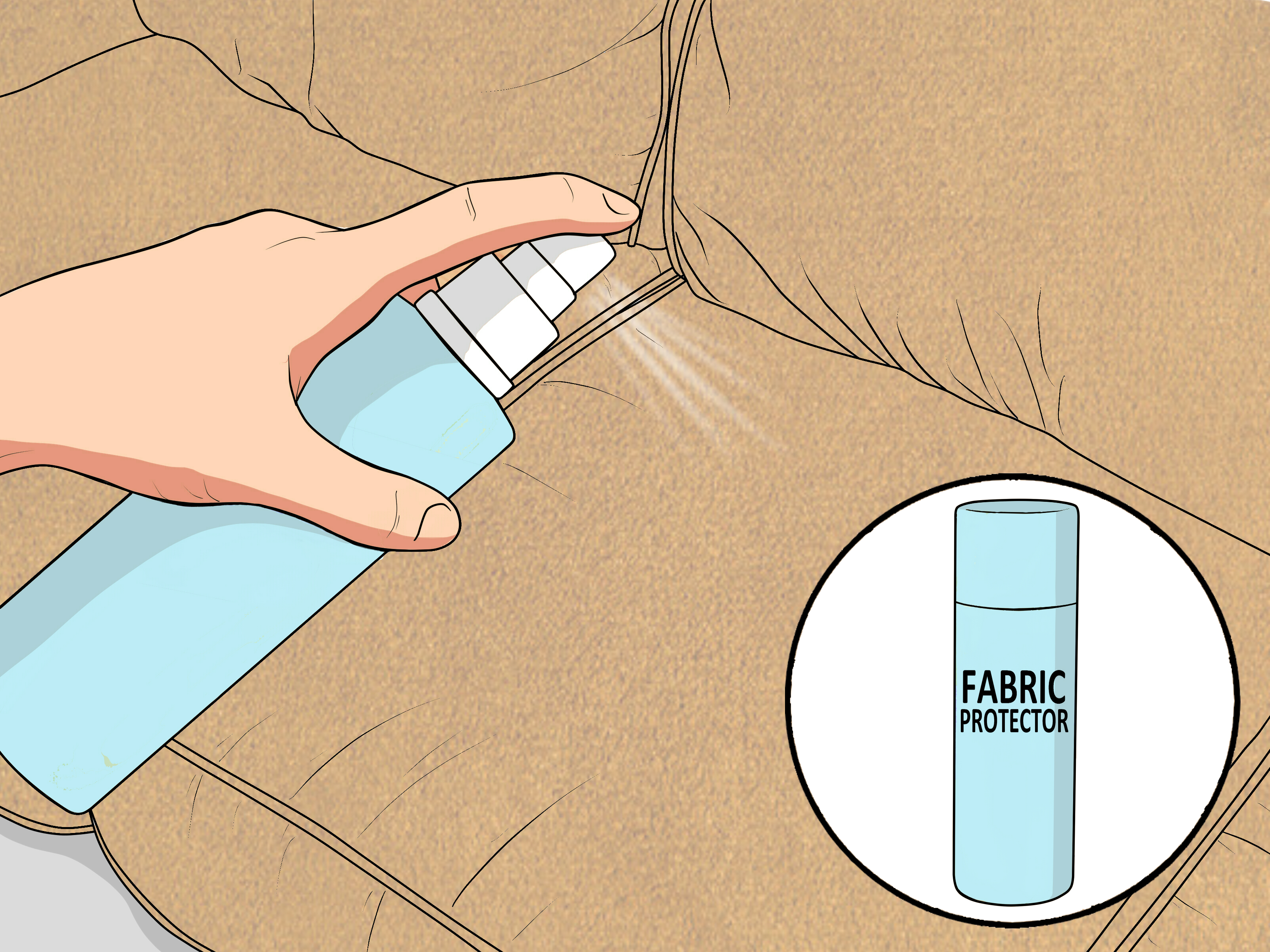
If your furniture allows it, an upholstery fabric protector may help reduce staining. Always test first and follow the product instructions carefully. Not every microfiber finish responds the same way.
Real-Life Experiences: What Cleaning Microfiber Furniture Teaches You
Cleaning microfiber furniture is one of those household tasks that looks simple until you are standing over a cushion wondering whether that brown spot is coffee, chocolate, or evidence from a forgotten Tuesday. Experience teaches you quickly that microfiber is both practical and oddly dramatic. It can shrug off some spills beautifully, then turn around and show a water ring from one careless wipe.
One of the most useful lessons is that speed matters. A fresh spill is usually much easier to handle than a dried stain. When coffee, soda, juice, or sauce lands on microfiber, blotting immediately can save you a lot of effort later. The trick is not to panic-clean. Many people instinctively rub the spot as if enthusiasm alone will erase it. Instead, gentle blotting works better. Press, lift, switch to a clean part of the cloth, and repeat. It feels slower, but it prevents the stain from spreading.
Another experience-based tip is to clean entire sections rather than tiny dots whenever possible. If you only clean the exact center of a stain, you may end up with one oddly bright circle that announces, “Something happened here.” Cleaning from seam to seam or cushion panel to cushion panel helps the fabric dry more evenly. It also makes the final result look natural instead of patchy.
Pet owners learn a different lesson: vacuuming is not optional. Pet hair gets into seams, corners, and cushion edges. If you spray cleaner before removing fur, you may create damp hair clumps that cling to the upholstery like they signed a lease. A rubber glove or lint tool before vacuuming can make the process much easier. For pet odors, fast cleanup and the right cleaner are essential, especially on water-safe furniture where enzyme cleaners may be appropriate.
Parents and snack-loving households discover that microfiber’s biggest enemy is not always one giant disaster. Sometimes it is the slow buildup of tiny things: cracker dust, hand oils, lotion, dust, and mystery smudges from people who “definitely didn’t touch the couch.” Weekly vacuuming and light brushing keep those small messes from becoming a full restoration project.
One surprisingly satisfying part of cleaning microfiber is the final brushing. At first, the fabric may look stiff or uneven after it dries. Then you brush it gently, and the nap comes back. The couch starts looking soft again, almost like it forgives you. Almost.
The biggest takeaway is simple: respect the care code, use less liquid than you think, and let the fabric dry before judging the result. Microfiber often looks worse while damp and better after brushing. That means patience is part of the cleaning process. Do not keep adding cleaner just because the fabric looks strange halfway through. Let it dry, brush it, then decide whether another light treatment is needed.
In real life, microfiber furniture is popular because it can handle a lot. It is comfortable, family-friendly, and usually easier to maintain than many delicate fabrics. But it performs best when cleaned with common sense: vacuum first, test first, blot gently, avoid soaking, and finish with a brush. Follow those habits, and your microfiber couch can survive movie nights, pets, guests, and everyday lounging with far less drama.
Conclusion
Knowing how to clean microfiber furniture properly can save your sofa, chair, or sectional from stains, odors, water marks, and unnecessary wear. The process is simple: check the cleaning code, vacuum thoroughly, test your cleaner, treat stains carefully, avoid over-wetting, let the fabric dry, and brush the nap back into shape.
The best cleaning method depends on the fabric code. Water-safe microfiber can usually handle a mild soap solution. Solvent-safe microfiber often responds well to rubbing alcohol or an approved upholstery solvent. Vacuum-only microfiber should not be treated with liquid at all. That little tag under the cushion may not look exciting, but it is basically the furniture’s instruction manual.
With regular care and quick spill response, microfiber furniture can stay soft, comfortable, and guest-ready for years. And if your couch has already seen a few snack-related incidents, do not worry. Most microfiber furniture has witnessed worse and lived to recline another day.
Note: Always test cleaners in a hidden area before cleaning visible fabric. For expensive, antique, heavily stained, or “X” code furniture, professional upholstery cleaning is the safest option.












