
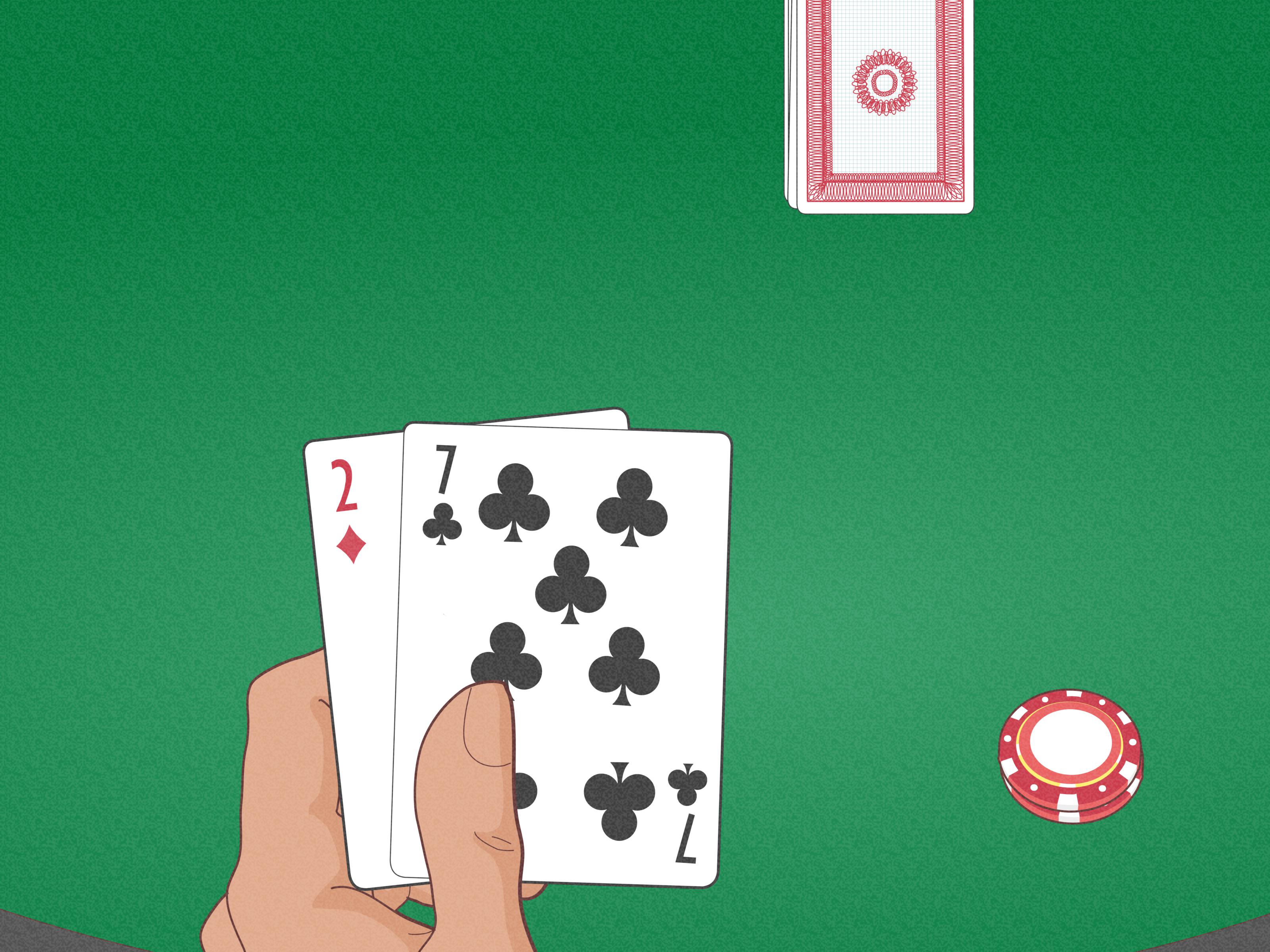
Playing under the gun in poker is a bit like being asked to dance first at a wedding: everyone is watching, nobody has given you any useful information yet, and one bad move can haunt you for the rest of the night. In Texas Hold’em and Omaha, UTG is the seat immediately to the left of the big blind. This player acts first before the flop, which makes the position one of the toughest spots at the table.
Why is UTG so tricky? Simple: you must make a decision before every other player. You do not know who has a premium hand, who wants to 3-bet, who is trapping, or who is about to call with a hand that looks like it was selected by a raccoon wearing sunglasses. Because of that, a winning UTG poker strategy is built around discipline, strong starting hands, good bet sizing, and a clear postflop plan.
This guide explains how to play UTG in poker with practical examples, beginner-friendly logic, and advanced adjustments for cash games and tournaments.
What Does Under the Gun Mean in Poker?
Under the gun, often shortened to UTG, refers to the first player to act before the flop. In a standard full-ring Texas Hold’em game, this seat is directly to the left of the big blind. Since the small blind and big blind have already posted forced bets, the UTG player is the first person who must decide whether to fold, call, or raise.
The phrase “under the gun” perfectly describes the pressure of the position. You are making a decision with no information from the players behind you. If you raise, everyone still has a chance to call, 3-bet, or make your life uncomfortable. If you limp, stronger players may isolate you. If you play too many hands, you can end up out of position with weak holdings and a pot that grows faster than your regret.
Why UTG Is the Most Difficult Preflop Position
Position is power in poker. The later you act, the more information you have. UTG is the opposite. You act first preflop and will often be out of position after the flop against callers from middle position, late position, or the blinds.
You Have the Least Information
When you are on the button, you see what nearly everyone has done before making your decision. UTG gets none of that luxury. You must choose your action before seeing whether the cutoff is interested, whether the button is aggressive, or whether the big blind is planning a defense.
More Players Can Attack Your Raise
A UTG raise must pass through the entire table. In a 9-handed game, several players still have cards and position on you. That means your opening range should be stronger than it would be from the cutoff or button. A loose UTG raise may look brave, but bravery without math is just expensive theater.
You Often Play Out of Position Postflop
Even if your raise gets called, the caller may have position on you. Acting first on the flop, turn, and river makes it harder to control pot size, bluff profitably, and extract value. This is why strong players respect UTG raises: they usually represent a tighter, more powerful range.
The Core Rule: Play Tight From UTG
The most important rule for how to play UTG in poker is this: start tight. You do not need to win every pot. You need to avoid building big pots with hands that cannot handle pressure.
A solid UTG opening range usually includes premium pairs, strong broadway hands, good suited aces, and selected suited connectors depending on table conditions. The exact range changes by stack depth, table size, opponents, and whether you are playing cash games or tournaments.
Example UTG Opening Range for Full-Ring Cash Games
At a 9-handed table with 100 big blind stacks, a reasonable UTG range may include:
- Pocket pairs: 77 or 88 and higher
- Premium pairs: AA, KK, QQ, JJ, TT
- Strong aces: AK, AQ, and sometimes AJs or ATs
- Strong broadways: KQs, KJs suited, QJs suited
- Occasional suited connectors: JTs or T9s at passive tables
This does not mean you must play exactly these hands every time. Poker is not a vending machine. But the idea is clear: UTG hands should have strong equity, good playability, or the ability to make top pair with a strong kicker.
Hands You Should Usually Fold UTG
Many hands look pretty before the flop and turn into tiny disasters after it. From UTG, you should be careful with hands that are dominated, hard to play, or unlikely to make strong holdings.
Avoid Weak Offsuit Aces
Hands like A9 offsuit, A8 offsuit, and A7 offsuit are tempting because they contain an ace. Unfortunately, they often make top pair with a weak kicker. If someone calls you with AQ, AJ, or AT, you may lose a big pot when both of you hit an ace.
Be Careful With Offsuit Broadways
KJo, QTo, and JTo can be trouble from UTG. They make second-best pairs too often and do not have the suited potential that helps create flush draws or backdoor equity. These hands play much better from late position when fewer players remain behind you.
Do Not Overvalue Small Suited Gappers
Hands like 86 suited or 97 suited can win big pots when they connect, but they also miss often. From UTG, opening too many speculative hands can lead to tough postflop spots. Save the creativity for positions where you have more information and better control.
Should You Limp UTG?
In most modern poker games, open-limping from UTG is not recommended. When you limp, you invite multiple players to enter the pot cheaply. You also give aggressive opponents a chance to raise and isolate you. If your hand is strong enough to play first in, it is often strong enough to raise.
There are exceptions. In some very soft live games, players limp frequently and rarely raise. In those games, limping small pairs or suited aces can occasionally be profitable if stacks are deep and opponents pay off too much after the flop. Still, for most players, a raise-or-fold strategy from UTG is cleaner, stronger, and easier to execute.
Best UTG Raise Size
Your UTG raise size should create value with strong hands while avoiding unnecessary risk. In online cash games, many players open to 2 big blinds or 2.5 big blinds. In live cash games, raises are often larger because players call too much. A common live open may be 3 big blinds, 4 big blinds, or even more if the table is extremely loose.
The key is consistency. Do not raise bigger only with aces and smaller with speculative hands. Observant players will notice. Your raise size should fit the table, stack depth, and game format.
Cash Game Example
You are playing $1/$2 No-Limit Hold’em with $300 effective stacks. You are UTG with A♠ K♠. A raise to $8 or $10 is reasonable in many live games. If several players call too often, a slightly larger raise can help reduce the field.
Tournament Example
You are in a tournament with 40 big blinds. From UTG, you raise to 2 or 2.2 big blinds with Q♠ Q♥. Smaller tournament raise sizes preserve your stack and keep your range flexible.
How to Respond to a 3-Bet After Opening UTG
Getting 3-bet after opening UTG is uncomfortable because your opponent is challenging a range that already looks strong. That means their range may be strong too, especially if the 3-bet comes from a tight player.
Continue With Premium Hands
Hands like AA, KK, QQ, and AK are usually strong enough to continue. Depending on stack depth and opponent type, you may call, 4-bet, or get all-in.
Fold Dominated Hands
If you open AJs and a tight player 3-bets from middle position, folding can be perfectly fine. You do not win money by proving you are fearless. You win money by making decisions that hold up over thousands of hands.
Use Opponent Tendencies
Against a loose, aggressive player who 3-bets frequently, you can defend wider or 4-bet bluff occasionally. Against a tight player who 3-bets only premium hands, keep your ego in a drawer and fold the marginal stuff.
Postflop Strategy After Raising UTG
Because your UTG range is strong, certain flops are excellent for you. High-card boards like A-K-4 or K-Q-3 often favor the UTG raiser because you have more premium pairs and strong broadway hands. Low, connected boards like 8-7-6 or 9-8-5 may favor callers, especially from the blinds or late position.
When to Continuation Bet
You can continuation bet more confidently on boards that connect with your range. For example, if you raise UTG and the big blind calls, a flop of A♦ K♣ 2♠ is great for your range. You can bet small with many hands because you represent strong aces, kings, and premium pairs.
When to Check
If the flop is 9♠ 8♠ 7♦ and you hold A♥ K♥, checking is often wise. This board smashes calling ranges more than UTG raising ranges. Betting automatically here can become a donation with extra steps.
Think About Multiway Pots
UTG raises often get multiple callers in live games. In multiway pots, bluff less and value bet more carefully. The more players in the pot, the more likely someone connected with the board.
UTG Strategy in Tournaments
Tournament UTG strategy depends heavily on stack size. With deep stacks, you can open a strong but playable range. With medium stacks, avoid hands that cannot withstand a 3-bet shove. With short stacks, your choices may become raise-or-shove or shove-or-fold.
Deep Stacks
With 60 big blinds or more, you can open hands like suited broadways, medium pairs, and strong suited aces. You still need discipline, but you have room to maneuver postflop.
Medium Stacks
With 20 to 40 big blinds, avoid opening hands that must fold too often to aggression. Hands like AJo or KQo can become tricky if aggressive players behind you are willing to shove or 3-bet.
Short Stacks
With 10 to 15 big blinds, UTG strategy becomes much more mathematical. You may open shove hands that have good equity and blockers, such as medium pairs, strong aces, and some suited broadways. However, shoving too wide UTG is dangerous because so many players remain behind you.
Adjusting UTG Strategy by Table Type
No poker strategy works perfectly at every table. The best players adjust without abandoning fundamentals.
Loose Passive Tables
If players call too much and rarely 3-bet, tighten your UTG range and raise for value. Do not bluff heavily. These players came to see flops, and they are not always interested in your beautifully balanced theoretical plan.
Tight Tables
If everyone folds too much, you can widen slightly. Add hands like suited connectors, suited aces, or weaker broadways selectively. Still, do not go wild. You are UTG, not on vacation.
Aggressive Tables
If several players are 3-betting frequently, tighten your opening range and prepare to continue with hands that can handle pressure. Opening marginal hands into aggressive players is like poking a bear with a breadstick.
Common UTG Mistakes
Playing Too Many Hands
This is the classic error. Players get bored, see a hand like KTo, and decide it is “basically premium.” It is not. From UTG, boredom is not a strategy.
Calling Too Much After Being 3-Bet
Calling 3-bets out of position with dominated hands leads to expensive second-best situations. If you are unsure, folding is often better than entering a bloated pot with a guessing hand.
C-Betting Every Flop
Your UTG range is strong, but that does not mean every flop belongs to you. Pay attention to board texture, number of opponents, and stack depth.
Ignoring Stack Sizes
A hand that plays well with 100 big blinds may be poor with 20 big blinds. UTG decisions must account for how much money or tournament life remains behind.
Practical UTG Hand Examples
Example 1: Pocket Queens UTG
You are UTG with Q♣ Q♦ in a $2/$5 cash game. You raise to $20. The cutoff calls, and the big blind calls. The flop comes J♠ 6♦ 2♣. This is a good board for your hand. You can bet for value and protection. If called, continue evaluating turn cards carefully.
Example 2: Ace-Jack Offsuit UTG
You are UTG in a 9-handed game with A♦ J♣. At a loose table with several aggressive players behind, folding can be best. The hand looks strong, but it is easily dominated by AQ and AK. From late position, it may be playable. From UTG, it is trouble wearing a nice jacket.
Example 3: Pocket Fives UTG
You hold 5♠ 5♥ with deep stacks. Opening can be acceptable if the table is passive and stacks are deep enough to win a large pot when you flop a set. If stacks are shallow or players behind are aggressive, folding becomes better.
Advanced UTG Concepts
Range Advantage
Because UTG opening ranges are tight, they contain many strong hands. This creates a range advantage on high-card boards. When the flop comes A-K-3, the UTG raiser can credibly represent premium holdings.
Board Coverage
If your UTG range contains only big pairs and high cards, you may struggle on low coordinated boards. Adding a few suited connectors or suited wheel aces can help protect your range, especially in deeper games. Do this carefully, not automatically.
Table Image
If opponents see you as tight, your UTG raises may get more respect. If they see you as loose, expect more calls and 3-bets. Your image changes how your range is perceived, so pay attention to the story you have been telling.
of Practical Experience: What UTG Feels Like at the Table
One of the biggest lessons players learn about UTG is that the position punishes impatience. In theory, everyone knows they should play tight. In practice, after folding for 30 minutes, KJo starts looking like a royal invitation. That is where discipline matters. The best UTG players are not trying to impress the table. They are trying to avoid difficult, low-profit situations.
At live low-stakes tables, UTG can feel especially awkward because players love calling. You raise with A-K, get four callers, and suddenly the flop comes 9-8-6 with two hearts. Congratulations, your premium hand has turned into a suspicious overcard sandwich. This is why hand selection matters. Strong hands are good, but hands with postflop playability are even better. Suited broadways, high pairs, and strong aces perform better than weak offsuit hands because they can make strong top pairs, nut flush draws, or overpairs.
Another real-world experience is that UTG raises often get more respect from thinking players. If a tight player opens UTG, most opponents understand that the range is strong. This can help you win pots with continuation bets on favorable boards. For example, if you raise UTG and the flop comes A-K-4 rainbow, your small c-bet can put pressure on the big blind because your range contains many strong aces and premium pairs. However, if the flop comes 7-6-5 with a flush draw, that same c-bet may not work. Experience teaches you that not all flops are created equal.
UTG also teaches emotional control. You will fold hands that would be profitable from the button. You will watch other players win pots with hands you correctly folded. That can be annoying, but it does not mean your fold was wrong. Poker decisions are judged by long-term expectation, not by one dramatic river card that makes the table gasp like a soap opera finale.
In tournaments, UTG experience becomes even more important because stack sizes change constantly. With 60 big blinds, you can open a solid range and play poker after the flop. With 18 big blinds, every UTG raise creates pressure because a player behind may shove. With 10 big blinds, you may need to use a push-fold strategy. The mistake many players make is using the same UTG range at every stack depth. Good tournament players adjust because chips lost are often more painful than chips won are joyful.
The most useful practical habit is to decide your plan before raising. Ask: What will I do if the button 3-bets? What if the big blind calls? What flops are good for my range? What stack sizes are behind me? This prevents panic decisions. UTG rewards players who think one street ahead. It punishes players who click buttons and hope the poker gods brought snacks.
Ultimately, playing UTG well is not glamorous. You will fold often, raise strong hands, avoid marginal traps, and choose postflop aggression carefully. But that quiet discipline is exactly what makes UTG profitable. You do not need to win every hand from early position. You just need to stop donating chips with hands that never should have entered the pot.
Conclusion
Learning how to play under the gun in poker is one of the fastest ways to improve your overall game. UTG forces you to respect position, tighten your starting hand range, plan for 3-bets, and think carefully after the flop. The position is difficult because you act first and have the least information, but it is also a great training ground for disciplined poker.
The winning formula is straightforward: open strong hands, avoid weak offsuit traps, adjust to table dynamics, and build a postflop plan before you put chips in the pot. When you treat UTG with respect, you avoid messy situations and create stronger, more profitable decisions. And in poker, fewer messes usually means more money stays in your stack, where it belongs.











