
Syrian hamsters may be small enough to fit in your hands, but their care needs are not “mini.” These golden, round-cheeked little explorers need space, a healthy diet, safe bedding, quiet sleep time, and a habitat that does more than say, “Here is a wheel; good luck.” If you want a happy Syrian hamster, think less tiny cage decoration and more tiny wilderness resort.
Also called golden hamsters, Syrian hamsters are one of the most popular pet hamsters in the United States. They are curious, entertaining, and often easier to handle than smaller dwarf species once they are gently tamed. However, they are also solitary, nocturnal, territorial, and surprisingly talented escape artists. A Syrian hamster can make a wonderful pet, but only when their home, food, and routine are designed around hamster instinctsnot human convenience.
This guide explains how to care for Syrian hamsters with practical, real-world advice on habitat setup, feeding, bedding, enrichment, cleaning, handling, and health. Your hamster may not send a thank-you card, but a relaxed hamster with shiny fur, active nighttime habits, and fewer stress behaviors is basically the same thing.
What Makes Syrian Hamsters Different?
Syrian hamsters are larger than dwarf hamsters and usually grow to around 5 to 7 inches long. They come in many coat types and colors, including golden, cream, cinnamon, black, long-haired, satin, and banded patterns. Their cheeks are famous for one important reason: storage. A Syrian hamster can stuff food into its cheek pouches until its face looks like it has made several questionable life choices at an all-you-can-eat buffet.
The most important fact about Syrian hamster care is this: Syrian hamsters must live alone. Even if two young hamsters seem friendly at a pet store, adult Syrian hamsters are naturally solitary and can become aggressive toward each other. One hamster, one enclosure. No roommates. No “but they look lonely.” Your Syrian hamster wants enrichment, not a tiny cage drama series.
Choose the Right Syrian Hamster Cage
A proper Syrian hamster habitat should be spacious, secure, well-ventilated, and easy to clean. Many cages sold as “hamster cages” are too small for long-term welfare, especially for Syrians. Bigger is almost always better because hamsters need room to burrow, run, explore, hide, forage, and build nests.
Minimum Space and Floor Area
Look for an enclosure with generous unbroken floor space rather than tall levels connected by steep tubes. Syrian hamsters are ground-dwelling animals, not furry mountain goats. Large glass tanks with mesh lids, roomy wire cages with safe bar spacing, or large bin-style enclosures with proper ventilation can all work well.
For Syrian hamsters, avoid tiny novelty cages, cramped plastic tube systems, and enclosures with poor airflow. These setups may look cute online, but they often do not allow deep bedding, large wheels, or enough enrichment. A good hamster home should let your pet act like a hamster: digging, hiding, sniffing, running, and rearranging bedding as if preparing for a small rodent renovation show.
Safe Bar Spacing and Escape Prevention
If you use a wire cage, check the bar spacing carefully. Syrian hamsters are bigger than dwarf hamsters, but they can still squeeze through surprisingly small gaps. The cage should have a secure door, a tight lid, and no loose corners. Hamsters chew, push, climb, and investigate. If there is a weakness, they will find it at 2:17 a.m., because that is apparently when hamster engineering school begins.
Use Deep, Safe Bedding for Burrowing
Deep bedding is one of the easiest ways to improve a Syrian hamster’s quality of life. In the wild, hamsters dig and use burrows for safety, sleeping, food storage, and temperature control. At home, deep bedding allows them to express that natural behavior.
Use soft, absorbent, dust-free bedding such as paper-based bedding or safe aspen shavings. Avoid cedar and pine shavings, which can irritate the respiratory system. Also avoid scented bedding, fluffy cotton nesting material, and anything that can wrap around tiny feet or be swallowed. Give your hamster enough bedding to dig meaningful tunnelsseveral inches at minimum, and deeper if your enclosure allows it.
Expect your hamster to move bedding into piles, block doorways, bury food, and create a secret sleeping chamber. This is normal. Your hamster is not being messy; your hamster is being an interior designer with whiskers.
Set Up the Habitat Like a Hamster Playground
A good Syrian hamster enclosure includes more than bedding and a food bowl. Enrichment prevents boredom, supports exercise, and helps reduce stress behaviors such as bar chewing, pacing, or obsessive digging in corners.
Essential Habitat Items
Your Syrian hamster should have a large solid-surface exercise wheel, at least one hideout, chew toys, tunnels, a food dish or scatter-feeding area, a water bottle or water bowl, and safe nesting material such as plain unscented tissue or paper bedding. A sand bath can also help with grooming, but use chinchilla sand, not dusty powder.
The exercise wheel is especially important. Choose a wheel large enough that your hamster can run with a straight back. If the hamster’s back arches while running, the wheel is too small. A solid wheel is safer than a wire or mesh wheel because tiny feet can get caught in gaps.
Enrichment Ideas That Actually Work
Try cardboard tubes, cork logs, bendable wooden bridges, ceramic hides, hay piles, chew sticks, and forage toys. Scatter a small portion of food around the enclosure so your hamster has to sniff and search. This encourages natural foraging and turns dinner into a tiny treasure hunt.
Rotate toys every week or two, but do not completely redesign the enclosure too often. Hamsters rely heavily on scent and familiar routes. A total habitat makeover may look fun to you but feel like a surprise home invasion to them.
Feed a Balanced Syrian Hamster Diet
Syrian hamsters are omnivores, meaning they eat a mix of plant-based foods and some animal protein. The foundation of their diet should be a high-quality commercial hamster pellet or lab block. Pellets and blocks help prevent selective feeding, where a hamster eats only the tastiest seeds and ignores the balanced nutrition. Basically, without structure, many hamsters will choose the rodent version of “chips for dinner.”
Daily Food Basics
Provide a measured amount of hamster food daily, usually in the evening when your hamster is waking up. Always keep fresh water available. Check water bottles daily to make sure the spout works, and clean water bowls or bottles regularly to prevent buildup.
Fresh vegetables can be offered in small amounts. Good options may include broccoli, cucumber, carrot, romaine lettuce, peas, squash, parsley, and small bits of bell pepper. Fruit should be occasional and tiny because it is sugary. Safe examples include apple without seeds, strawberry, banana, and pear in moderation.
Foods to Avoid
Do not feed chocolate, caffeine, alcohol, onion, garlic, chives, leeks, sugary snacks, salty foods, or fatty human treats. Avoid sticky foods that can get lodged in cheek pouches. Fresh foods should be removed after several hours so they do not spoil in hidden food stashes. Hamsters are talented hoarders, and “mystery cucumber behind the wheel” is not a fragrance anyone needs.
Understand Syrian Hamster Sleep and Activity
Syrian hamsters are mostly nocturnal or crepuscular, meaning they are active in the evening, night, and early morning. During the day, they usually want to sleep. Respecting this schedule is one of the simplest ways to reduce stress.
Place the cage in a quiet area away from direct sunlight, drafts, heating vents, loud speakers, and high-traffic chaos. Do not wake your hamster just because you want to play. A startled sleepy hamster may bite, not because it is mean, but because being scooped from bed by a giant hand is not exactly relaxing.
How to Handle and Tame a Syrian Hamster
Patience is the secret ingredient in hamster handling. When you first bring your Syrian hamster home, give them several days to settle in. Speak softly near the enclosure, offer treats by hand, and let the hamster approach you. Do not chase them around the cage.
Step-by-Step Handling Tips
Start by placing your hand flat inside the enclosure with a small treat. Let your hamster sniff and climb on you at their own pace. Once they are comfortable, gently scoop them with both hands close to the ground or over a safe playpen. Keep handling sessions short at first.
Never pick up a hamster by the scruff, tail, or legs. Never squeeze. Syrian hamsters have delicate bodies and poor depth perception, so falls can cause serious injuries. Handle them while seated or inside a secure play area. Your goal is calm confidence, not a hamster rodeo.
Cleaning the Hamster Cage Without Causing Stress
Cleanliness matters, but over-cleaning can stress a hamster because it removes familiar scent markers. The best routine is daily spot cleaning combined with occasional deeper cleaning.
Each day, remove wet bedding, droppings, and old fresh food. Wash food dishes and check the water source. For deeper cleaning, replace only part of the bedding when possible so some familiar scent remains. Wash surfaces with warm water and mild pet-safe cleaner, then rinse and dry thoroughly before returning your hamster.
If your hamster has built a nest, disturb it as little as possible unless it is wet or dirty. A hamster’s nest is their safe room, bedroom, pantry, and emotional support blanket all in one.
Syrian Hamster Health: Signs to Watch For
A healthy Syrian hamster is alert when awake, active at night, curious, eating normally, drinking normally, grooming, and maintaining a steady weight. Their eyes should be bright, fur should look clean, and breathing should be quiet.
Contact an exotic-pet veterinarian if you notice diarrhea, wetness around the tail, loss of appetite, weight loss, overgrown teeth, labored breathing, lumps, wounds, hair loss, swollen eyes, unusual aggression, or extreme lethargy. Hamsters are prey animals, so they may hide illness until it becomes serious. Quick action matters.
Do Syrian Hamsters Need Vet Care?
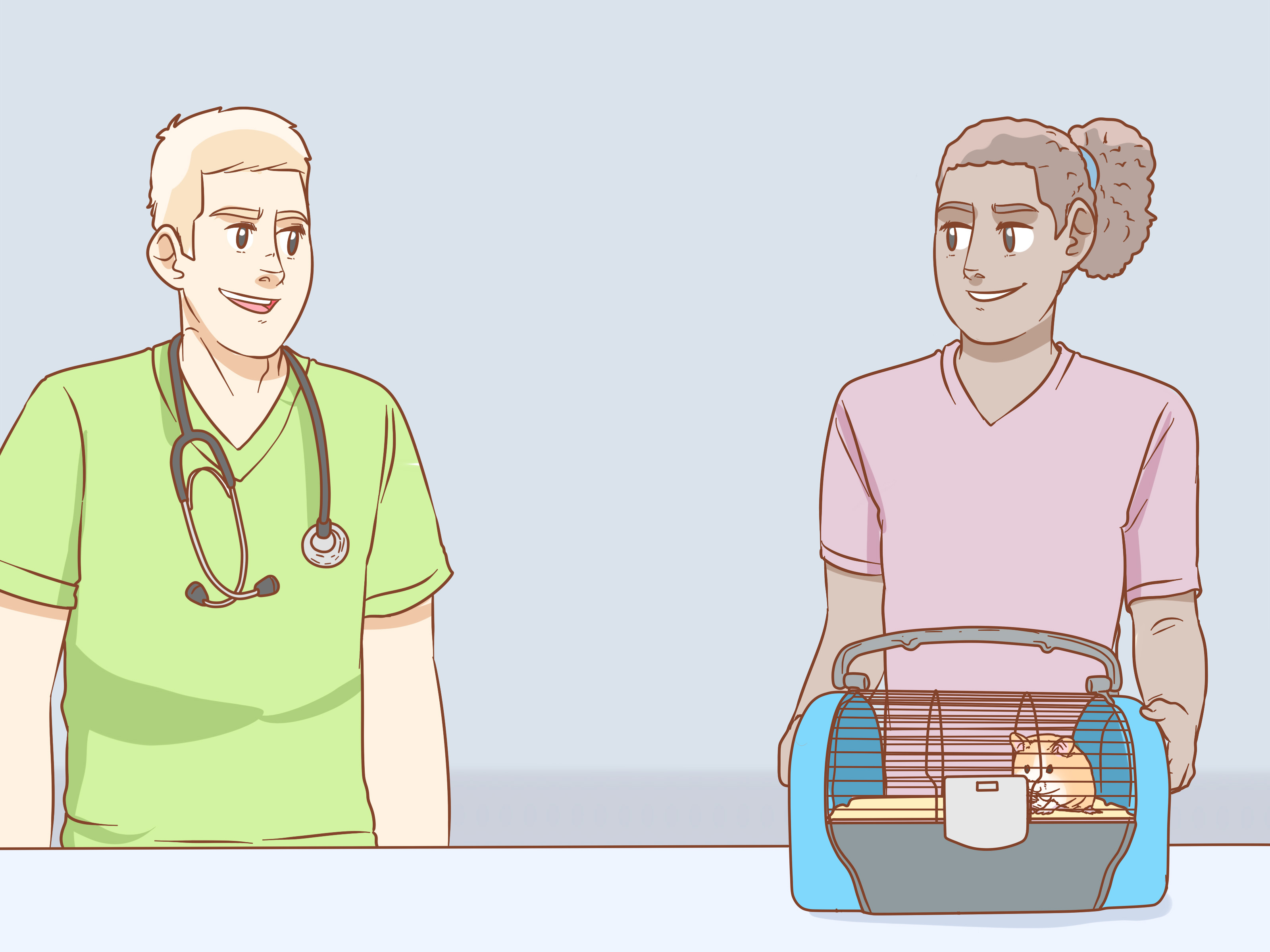
Yes. Syrian hamsters do not need vaccines, but they still benefit from veterinary care. A wellness visit soon after adoption can help confirm your hamster’s health, diet, sex, weight, and housing needs. Choose a veterinarian who sees small mammals or exotic pets, because hamster medicine is different from dog and cat medicine.
Common Syrian Hamster Care Mistakes
Some mistakes are common because pet stores and old care guides have made hamster care look easier than it really is. The biggest mistakes include buying a cage that is too small, using unsafe bedding, choosing a wheel that bends the hamster’s back, housing two Syrians together, feeding too many seed mixes or treats, waking the hamster during the day, and skipping veterinary care.
Another common mistake is assuming boredom is “normal hamster behavior.” If your hamster constantly chews bars, climbs frantically, tries to escape, or paces in repeated patterns, review the enclosure size, enrichment, bedding depth, wheel size, and stress levels. Sometimes the hamster is not being dramatic. Sometimes the habitat is simply not meeting their needs.
Practical Experience: What Caring for a Syrian Hamster Really Feels Like
Caring for a Syrian hamster teaches you quickly that small pets have big opinions. The first lesson is that the cage setup matters more than the cute accessories. A roomy enclosure with deep bedding, a large wheel, and multiple hiding places will usually produce a calmer hamster than a colorful but cramped cage. Owners often notice that once the habitat improves, the hamster spends less time trying to escape and more time exploring, digging, and running with purpose.
The second lesson is that taming happens on hamster time. Some Syrian hamsters climb into your hand within a week. Others need a month of quiet bribery with tiny treats before they decide you are not a suspicious tree monster. The best approach is slow and consistent. Sit near the cage in the evening, talk softly, offer a treat, and let the hamster choose the level of interaction. Trust is built in little moments. A hamster that voluntarily walks onto your palm is giving you a tiny but meaningful vote of confidence.
Another real-life experience is discovering how much hamsters love routine. They often wake around the same time, run on their wheel in bursts, groom in the same corner, and stash food in favorite places. Once you learn your hamster’s habits, it becomes easier to spot problems. If a hamster that usually runs all night suddenly stays hidden, ignores food, or seems wobbly, that change is worth attention.
Cleaning also becomes easier with observation. Many Syrian hamsters choose one bathroom corner. Once you find it, daily spot cleaning takes only a few minutes. Deep cleaning should be thoughtful rather than aggressive. Leaving some clean old bedding behind helps the enclosure still smell familiar. This small step can prevent stress and reduce frantic re-marking.
Feeding teaches moderation. Hamsters look extremely persuasive when holding a snack with both paws, but too many treats can unbalance the diet. A tiny piece of vegetable is plenty. A commercial pellet or lab block should remain the main food, while fresh foods and seeds act as variety, not the whole menu.
Finally, Syrian hamster care is most rewarding when you stop expecting the hamster to behave like a pocket-sized puppy. Some enjoy handling; others prefer watching, sniffing, and occasional interaction. That does not make them bad pets. It makes them hamsters. Respect their sleep, give them space, enrich their world, and they will reward you with late-night wheel marathons, dramatic cheek-stuffing, expert tunnel construction, and the quiet satisfaction of knowing your tiny roommate is living well.
Conclusion
Learning how to care for Syrian hamsters means understanding what they truly need: a spacious solo habitat, deep safe bedding, a large wheel, balanced food, fresh water, gentle handling, regular cleaning, and quick attention to health changes. Syrian hamsters are charming, funny, and fascinating, but they are not decorations and they are not automatic “easy pets.” They thrive when their environment supports natural behaviors like burrowing, foraging, chewing, nesting, and exploring.
If you give your Syrian hamster patience, space, and proper care, you will get to enjoy one of the most delightful small pets around: a tiny nocturnal architect with snack-filled cheeks and a personality much larger than its body.













