
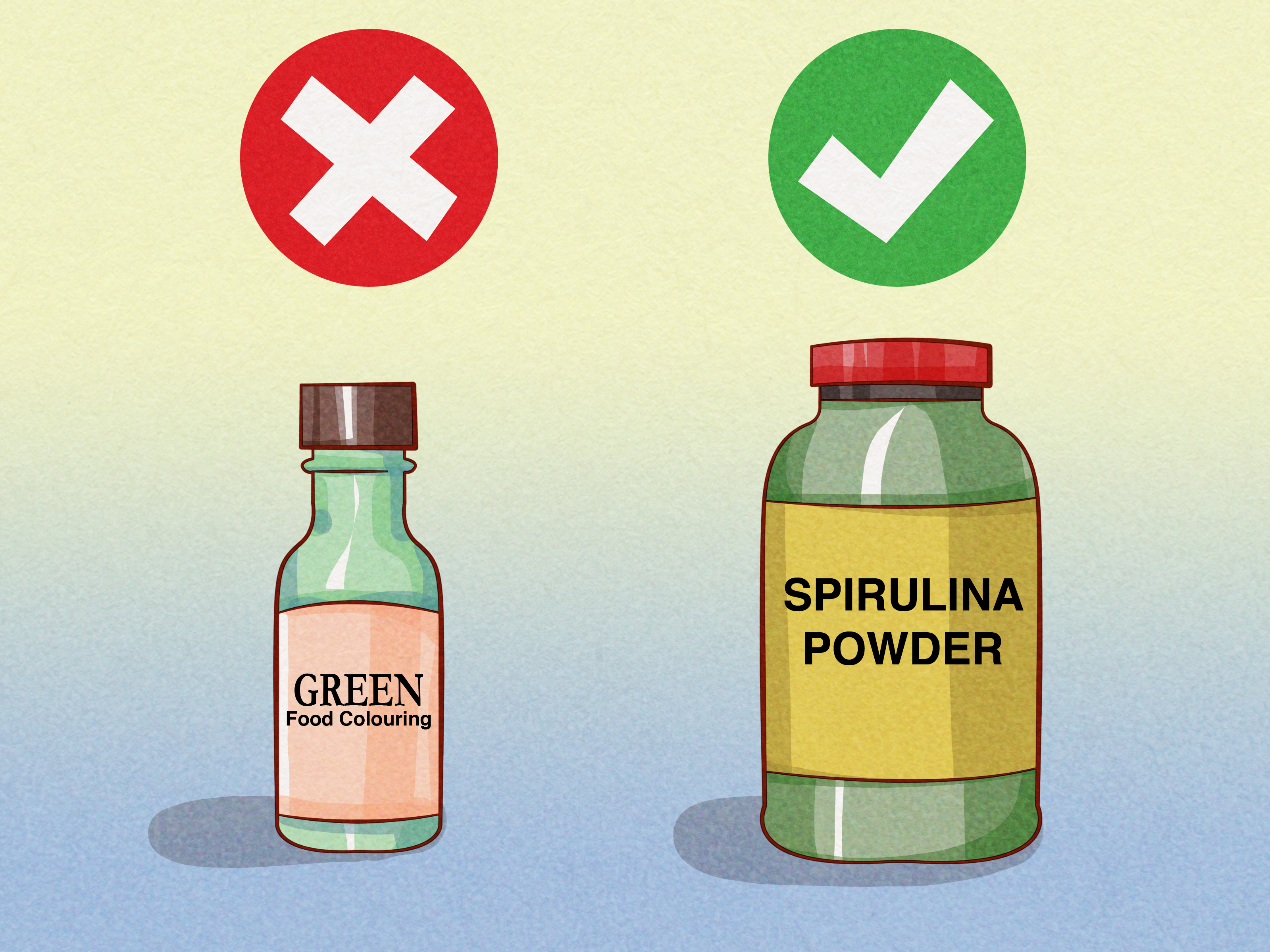
Spirulina powder looks like it was invented by a mermaid with a wellness podcast: deep green, intensely earthy, and almost suspiciously nutritious. But behind that swampy first impression is a simple food-based supplement made from blue-green algae. It is commonly used in smoothies, juices, bowls, snacks, and even savory recipes for a small nutritional boost.
The big question is not just can you take it, but how to take spirulina powder so it tastes good, fits your routine, and does not turn your breakfast into a science experiment. The good news: you do not need to be a professional smoothie influencer or own a blender that sounds like a jet engine. A small scoop, the right pairing, and a little creativity can make spirulina surprisingly easy to use.
This guide covers practical serving tips, safety notes, and 10 healthy ways to take spirulina powder without pretending it tastes like birthday cake. It does not. But with banana, citrus, cocoa, peanut butter, yogurt, or avocado? Now we are talking.
What Is Spirulina Powder?
Spirulina is a blue-green algae sold as a dietary supplement in powder, tablet, and capsule form. The powder is popular because it blends easily into foods and drinks. Nutritionally, dried spirulina is known for being protein-rich and containing minerals such as iron, magnesium, copper, and other micronutrients. It also contains plant pigments, including phycocyanin, the compound associated with its bold blue-green color.
That said, spirulina is not a miracle cure, a meal replacement, or a permission slip to eat fries for dinner and call it “balance.” Think of it as a concentrated add-in. It can support an already healthy eating pattern, but it should not replace vegetables, fruits, whole grains, lean proteins, hydration, sleep, or common sense.
How Much Spirulina Powder Should You Take?
There is no single official recommended daily amount for everyone. Many people start with about 1/2 teaspoon per day and gradually work up to 1 teaspoon or the serving size listed on the product label. Some supplement studies have used gram-based amounts, but your best starting point is the label plus advice from a healthcare professional, especially if you take medications or have a medical condition.
Because spirulina has a strong flavor, more is not always better. A giant spoonful may give your smoothie the personality of pond water. Start small, see how your body responds, and increase slowly only if it suits you.
Safety Tips Before Taking Spirulina Powder
Before you start sprinkling green powder on everything with the confidence of a tiny health wizard, keep a few safety points in mind.
Choose a Reputable, Third-Party-Tested Product
Quality matters. Spirulina and other blue-green algae products can be contaminated if they are grown, harvested, or processed poorly. Look for products that mention testing for contaminants such as heavy metals and microcystins. Certifications or testing from organizations such as USP, NSF, or ConsumerLab can offer extra reassurance that the product contains what the label says and does not contain harmful levels of contaminants.
Ask a Professional If You Have Health Conditions
Talk with a doctor, pharmacist, or registered dietitian before using spirulina if you are pregnant, breastfeeding, immunocompromised, managing an autoimmune condition, have phenylketonuria, have liver or kidney disease, or take medications such as blood thinners, immune-suppressing drugs, or blood sugar-lowering medicines. Supplements can interact with medications, and “natural” does not automatically mean “risk-free.” Poison ivy is natural too, and nobody is blending that into a smoothie bowl.
Introduce It Gradually
Some people may notice digestive changes, nausea, headache, or an unpleasant aftertaste when they start too fast. Begin with a small amount and take it with food. If you notice hives, swelling, breathing trouble, severe stomach upset, or other concerning symptoms, stop using it and seek medical help.
How to Take Spirulina Powder: 10 Healthy Ways
1. Blend It Into a Fruit Smoothie
The smoothie is the classic spirulina delivery system for a reason. Fruit helps soften spirulina’s grassy flavor, while the blender handles the texture. Try a simple mix of banana, pineapple, spinach, Greek yogurt, and 1/2 teaspoon of spirulina powder. Add water, milk, or unsweetened almond milk until it reaches your favorite consistency.
For the best taste, pair spirulina with sweet or tart fruits. Banana adds creaminess, mango brings tropical sweetness, and pineapple has enough bright acidity to keep the algae flavor from walking into the room wearing tap shoes.
2. Stir It Into Orange Juice or Lemon Water
If you want a fast option, stir spirulina into a small glass of orange juice, grapefruit juice, or lemon water. Citrus helps balance the earthy taste and makes the drink feel cleaner and brighter. Use a shaker bottle or milk frother if the powder clumps.
This method works best with a small amount. Start with 1/4 to 1/2 teaspoon. If you dump in a full tablespoon on day one, the drink may look like it was collected from a very ambitious aquarium.
3. Mix It Into Yogurt or a Smoothie Bowl
Plain Greek yogurt, coconut yogurt, or kefir can carry spirulina nicely, especially when topped with fruit, nuts, seeds, and a drizzle of honey. The creamy texture helps hide the powder’s dryness, while toppings add crunch and sweetness.
For a balanced bowl, combine yogurt with spirulina, sliced banana, berries, chia seeds, and granola. This makes a quick breakfast with protein, fiber, and healthy fats. It also looks beautifully green, which is useful if you enjoy food that says, “Yes, I own reusable grocery bags.”
4. Add It to Overnight Oats
Overnight oats are one of the easiest ways to take spirulina powder because the flavor mellows as the mixture chills. Stir together rolled oats, milk, chia seeds, a little maple syrup, cinnamon, and 1/2 teaspoon of spirulina. Refrigerate overnight and top with berries or sliced apples in the morning.
The trick is not to overdo it. Spirulina can dominate mild foods, so pair it with stronger flavors such as cocoa, cinnamon, peanut butter, or vanilla. A spoonful of nut butter can make the whole bowl taste richer and less “freshly mowed lawn.”
5. Make Green Chia Pudding
Chia pudding is another smart option because it is cold, creamy, and customizable. Mix chia seeds with milk, vanilla, a touch of honey or maple syrup, and a small amount of spirulina powder. Let it thicken in the refrigerator for several hours.
Top it with kiwi, mango, coconut flakes, or strawberries. The finished pudding is great for meal prep and works as breakfast, a snack, or a light dessert. If you are new to spirulina, use a very small amount first. Chia pudding should taste fresh and pleasant, not like a dare.
6. Roll It Into Energy Balls
Energy balls are a friendly way to use spirulina because strong ingredients like dates, cocoa, peanut butter, and coconut can cover its intense flavor. Blend pitted dates, oats, peanut butter, cocoa powder, ground flaxseed, and 1/2 to 1 teaspoon of spirulina powder. Roll the mixture into small balls and refrigerate.
This is especially useful for people who do not love drinking their supplements. Each bite is portable, sweet, and satisfying. Keep portions reasonable, though. Energy balls may be healthy, but they are also very snackable. One minute you are meal-prepping; the next minute half the container has mysteriously “evaporated.”
7. Whisk It Into Salad Dressing
Spirulina is not only for sweet recipes. It can work in savory foods when combined with bold flavors. Try whisking a pinch into a dressing made with olive oil, lemon juice, Dijon mustard, garlic, black pepper, and a small amount of honey. Pour it over leafy greens, roasted vegetables, or grain bowls.
Use a light hand. Spirulina’s color and flavor are powerful, and salad dressing is not the place for heroic scooping. A small pinch can add color and nutrients without turning lunch into a marine biology project.
8. Blend It Into Hummus, Guacamole, or Avocado Spread
Creamy dips are excellent vehicles for spirulina powder. Avocado, chickpeas, tahini, lime, garlic, and herbs all have enough personality to share the stage. Add a small pinch to guacamole or hummus, blend well, and taste before adding more.
For a quick avocado toast spread, mash avocado with lime juice, sea salt, black pepper, and a tiny amount of spirulina. Spread on whole-grain toast and top with pumpkin seeds or sliced tomato. It is green on green, which is basically wellness camouflage.
9. Add It to Soups After Cooking
You can stir spirulina into soup, but avoid boiling it aggressively. Heat can affect flavor and may reduce the quality of delicate compounds. The better method is to cook your soup first, let it cool slightly, then stir in a small amount just before serving.
Spirulina works best in soups that already have strong green or savory flavors, such as spinach soup, broccoli soup, zucchini soup, miso-style broth, or vegetable puree. Start with 1/4 teaspoon per bowl. If the taste is too strong, add lemon juice, herbs, garlic, or a swirl of yogurt to balance it.
10. Make a Spirulina “Wellness Shot”
A spirulina wellness shot is quick, efficient, and not for the faint of taste buds. Mix a small amount of spirulina with lemon juice, ginger juice, a splash of orange juice, and water. Shake it hard and drink it cold.
This is the espresso shot of the algae world: small, intense, and over quickly. It is a good option if you do not want to sip a full green drink. Just remember that stronger does not mean healthier. Keep the serving modest and do not use wellness shots as a replacement for meals.
Best Foods to Pair With Spirulina Powder
Spirulina tastes earthy, grassy, slightly oceanic, and very “hello, I am algae.” The best pairings either sweeten it, brighten it, or cover it with richer flavors. Fruits like banana, pineapple, mango, berries, and orange are excellent. Creamy foods like yogurt, avocado, nut butter, and coconut milk help smooth the texture. Flavor boosters like lemon, ginger, mint, cocoa, cinnamon, and vanilla make spirulina easier to enjoy.
A simple rule: if a food is mild and delicate, spirulina may bully it. If a food is bold, creamy, tangy, or naturally sweet, spirulina behaves better. It is less like seasoning with salt and more like inviting a very opinionated guest to dinner. Give it the right company.
When Is the Best Time to Take Spirulina Powder?
The best time to take spirulina powder is the time you will actually remember. Many people prefer it in the morning with breakfast or before a workout in a smoothie. Others like it as an afternoon snack in yogurt or energy bites. Taking it with food may be gentler on the stomach than taking it alone.
Avoid taking a large amount late at night if you personally find it energizing or if it upsets your stomach. There is no universal clock for spirulina. Your routine, tolerance, and taste preferences matter more than chasing the perfect minute.
Common Mistakes to Avoid
Using Too Much Too Soon
Spirulina is concentrated. Starting with a big serving can lead to digestive discomfort or a flavor disaster. Begin small and increase gradually only if needed.
Buying the Cheapest Powder Without Checking Quality
Price matters, but quality matters more. Choose brands that are transparent about sourcing, testing, and contaminant screening. With algae-based supplements, trust is not a garnish; it is the main course.
Expecting Medical Results
Spirulina may be nutritious, but it is not a treatment for disease. Do not use it as a substitute for prescribed medication, medical care, or a balanced diet.
Mixing It Into Hot Recipes Too Early
If using spirulina in warm foods, add it after cooking whenever possible. This protects flavor and keeps the powder from becoming bitter or unpleasant.
Experience: What It Is Really Like to Use Spirulina Powder Daily
The first experience many people have with spirulina powder is visual shock. You open the bag, see that deep green dust, and immediately wonder whether you bought a supplement or powdered forest. The smell can be earthy, a little ocean-like, and stronger than expected. This is normal. Spirulina is not shy. It enters the kitchen like it paid rent.
The easiest way to build a routine is to stop treating spirulina like the star of the recipe. It works better as a background ingredient. In a banana-pineapple smoothie, for example, 1/2 teaspoon adds color and nutrients without taking over. In plain water, the same amount can taste intense. The lesson is simple: spirulina needs friends. Sweet fruit, citrus, ginger, cocoa, nut butter, and creamy textures are its best social circle.
A practical daily routine might look like this: on busy mornings, add a small scoop to a smoothie with banana, frozen mango, Greek yogurt, and orange juice. On slower mornings, mix it into overnight oats with peanut butter and cinnamon. For snacks, use energy balls made with dates and cocoa. This rotation keeps the flavor from becoming boring and prevents that “I am forcing myself to be healthy” feeling, which is where many good habits go to retire.
One useful tip is to keep the serving spoon dry. Spirulina powder clumps easily when moisture gets into the container. Store it tightly sealed in a cool, dry place, away from direct sunlight. If the product label says to refrigerate after opening, follow that instruction. Also, use a dedicated tiny spoon if possible. Spirulina has a talent for getting on countertops, fingers, shirt sleeves, and somehow the dog, even when the dog is in another room.
Another real-life lesson: taste changes with context. A small amount in a tropical smoothie may taste fresh. The same amount in lukewarm water may taste like regret with minerals. Cold drinks usually work better than warm drinks, and acidic ingredients such as lemon or pineapple help a lot. If you dislike the flavor, do not quit immediately. Try a different recipe, reduce the amount, or use capsules instead of powder.
For people who meal prep, spirulina can be added to individual portions rather than an entire batch. This is helpful because the flavor may deepen over time. Instead of mixing it into a full container of oats or pudding, stir it into one serving first. That way, if you accidentally create something that tastes like a lawn mower’s daydream, you have not ruined breakfast for the whole week.
The biggest long-term success factor is moderation. Spirulina should feel like a simple add-on, not a personality makeover. You do not need to take it every day to be a healthy person. You do not need to post a green smoothie to prove your commitment. Use it when it fits, skip it when it does not, and keep your overall diet varied. A spoonful of spirulina can be useful, but it cannot outwork a lifestyle built on chaos, poor sleep, and meals eaten over the sink.
Conclusion
Learning how to take spirulina powder is mostly about balance: start small, choose a quality product, pair it with the right flavors, and use it as part of a varied diet. Smoothies, yogurt bowls, overnight oats, chia pudding, energy balls, salad dressings, dips, soups, citrus drinks, and wellness shots are all healthy ways to make spirulina more enjoyable.
The powder may look dramatic, but using it does not have to be complicated. Treat it like a strong ingredient, not a magic potion. A little goes a long way, and the best recipe is the one you can repeat without making a face every morning.











