
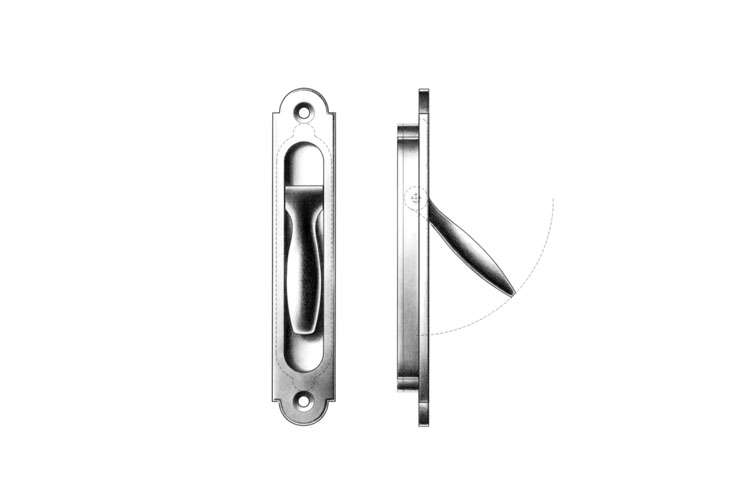
A Universal Active Edge Pull may sound like a tiny piece of door hardware with a very serious job titleand honestly, it is. This small, often-overlooked component helps sliding doors, pocket doors, concealed doors, and cabinetry panels do something wonderfully practical: come back out when they have disappeared into a wall, recess, or flush architectural surface. Without it, you may find yourself pinching, tapping, coaxing, or politely negotiating with a door that has decided to hide like a shy cat under the sofa.
In modern interiors, especially homes and commercial spaces that favor clean lines, pocket doors and concealed panels are more popular than ever. They save floor space, reduce visual clutter, and make rooms feel more intentional. But every minimalist design needs a practical detail hiding somewhere. That is where the universal active edge pull comes in. It provides a discreet gripping point on the edge of a door or panel while staying nearly invisible when not in use.
This guide explains what a Universal Active Edge Pull is, how it works, where it is used, what materials and finishes matter, and how to choose one for a refined, functional installation. Whether you are designing a high-end concealed door, upgrading pocket door hardware, or trying to understand why your contractor keeps saying “mortise” with a straight face, this article will help.
What Is a Universal Active Edge Pull?
A Universal Active Edge Pull is a type of recessed door hardware typically installed into the leading edge of a sliding, pocket, concealed, or cabinet door. The word “active” usually refers to the movable pull portion that swings, flips, pivots, or extends outward so the user can grab it and draw the door out from a recessed position. When released or folded back, the pull sits flush or nearly flush with the door edge.
The E.R. Butler & Co. Universal Active Edge Pull is a premium-grade example designed for concealed doors and cabinetry. It is typically mortised flush into the edge of concealed doors, made from solid machined brass, and available in standard, custom plated, and patinated finishes. In plain English: it is built to disappear beautifully, work smoothly, and look like it belongs in a room where someone definitely knows what “architectural hardware” means.
Why Edge Pulls Matter in Modern Door Design
Door hardware is often judged by appearance first, but edge pulls are all about the balance between looks and usability. Pocket doors and concealed doors are loved because they save space and create a seamless wall or cabinet surface. The problem is that when a door slides fully into a pocket, there may be nothing left to grab. A flush edge pull solves that problem without adding a bulky handle to the face of the door.
Clean Lines Without the Finger Gymnastics
With a properly installed active edge pull, the user can press, swing, or pull out the small mechanism and guide the door back into position. The pull then folds away so the door can close cleanly. This is especially useful on pocket doors, hidden pantry doors, media cabinet panels, wardrobe doors, and architectural millwork where visual simplicity is the goal.
A Small Detail With a Big Design Impact
On a traditional hinged door, the handle is a design feature. On a concealed or pocket door, the best hardware is often the hardware you barely notice. A universal active edge pull supports that approach. It gives the door a functional gripping point while preserving the uninterrupted surface that designers, homeowners, and detail-loving architects spend so much time trying to achieve.
Common Applications for a Universal Active Edge Pull
Universal active edge pulls are most often used in spaces where a door or panel needs to retract, slide, or sit flush. They work especially well when standard knobs or projecting handles would look awkward, collide with trim, or prevent the door from sliding fully into its pocket.
Pocket Doors
Pocket doors slide into a wall cavity, making them ideal for tight spaces such as bathrooms, closets, laundry rooms, hallways, offices, and small bedrooms. An edge pull allows the door to be retrieved from the pocket after it has been fully opened. Without one, users may have to pinch the door edge or rely on a face pull that may not be accessible once the panel is recessed.
Concealed Doors
Concealed doors are often designed to blend into wall paneling, millwork, bookcases, or cabinetry. A visible handle can ruin the illusion. A flush active edge pull allows the panel to function while keeping the visual trick intact. Think secret room energy, but with better hardware and fewer mysterious cobwebs.
Cabinetry and Millwork Panels
High-end cabinetry often uses hidden or flush hardware to preserve a clean surface. A Universal Active Edge Pull can be used on cabinet doors or large panels where a traditional knob would interrupt the design. It is especially useful for tall pantry panels, entertainment centers, appliance garages, and custom storage walls.
Sliding Screens and Specialty Panels
Some edge pulls are also used on sliding screens, room dividers, and specialty interior panels. The goal is the same: create a low-profile way to operate the panel while keeping the edge neat and unobtrusive.
How a Universal Active Edge Pull Works
The basic idea is simple. The hardware is set into a mortise, or recessed cutout, on the door edge. The visible face plate sits flush with the edge surface. The active pull portion stays tucked into the body of the hardware until needed. When the user presses or catches the mechanism, the pull swings or extends outward, creating a small handle.
Once the door is pulled into reach, the user can guide it closed using the edge pull or a separate flush pull on the door face. Many installations pair an edge pull with matching flush pulls, especially on pocket doors. The edge pull retrieves the door from the pocket; the flush pull helps operate the door once it is out.
Materials: Why Solid Brass, Steel, and Finish Quality Matter
Because edge pulls are handled frequently and installed into a moving door edge, material quality matters. A loose, flimsy pull is not just annoying; it can make an otherwise beautiful door feel cheap. Nobody wants a luxury concealed panel that operates like a vending machine flap from 1987.
Solid Machined Brass
Solid machined brass is common in premium architectural hardware because it offers durability, a refined feel, and excellent finish options. Brass can be polished, plated, aged, lacquered, or patinated, which makes it suitable for traditional, transitional, and contemporary interiors.
Steel and Stainless Steel
Steel edge pulls are also common, especially in practical pocket door hardware. Steel can provide strong performance at a more accessible price point. Stainless steel or plated finishes may be preferred for modern interiors, utility spaces, or projects where durability and corrosion resistance are priorities.
Finish Matching
The finish should coordinate with nearby hardware, including flush pulls, hinges, locks, cabinet pulls, light switch plates, and even plumbing fixtures if the door is in a bathroom. Popular finishes include polished brass, satin brass, satin nickel, polished chrome, antique bronze, matte black, and custom patinated options. The best choice depends on the room’s design language. Satin brass adds warmth, polished chrome feels crisp and modern, and matte black says, “Yes, I have strong opinions about cabinet hardware.”
Universal Does Not Mean “Fits Everything Without Thinking”
The word “universal” can be a little sneaky. In door hardware, it often suggests broad design compatibility, not magical compatibility with every door thickness, cutout, lock body, and trim condition on Earth. Before buying or specifying a Universal Active Edge Pull, verify the door thickness, mortise depth, face plate dimensions, screw placement, and whether the door is wood, metal, aluminum, or another material.
Some edge pulls are designed for wood doors only. Others may work with aluminum or specialty panels. Some require screws; some tool-free designs exist; and some are part of a lock or latch assembly. Always read the product sheet before cutting into a door. Once the chisel comes out, optimism is no longer a measurement strategy.
Installation Basics: What to Know Before Cutting
Installing an edge pull usually involves marking the door edge, centering the hardware, cutting a mortise, checking depth, drilling or chiseling for the moving pull mechanism, and fastening the face plate flush with the edge. Accuracy matters because the pull should sit cleanly without proud edges, gaps, rubbing, or binding.
Typical Installation Steps
Most installations begin by deciding the height of the pull. Many pocket door pull instructions place hardware around 36 inches from the finished floor, though exact placement may depend on the door design, existing lock, user needs, and local code considerations. The installer marks the centerline on the edge of the door, uses the hardware or template to outline the mortise, scores the cut lines, removes material carefully, tests the fit, and fastens the hardware.
Use Sharp Tools and Patience
A sharp chisel, accurate measuring tools, and careful scoring help prevent chipping. This is especially important on painted doors, veneered panels, or expensive custom millwork. If the door is part of a high-end concealed wall system, hiring a professional installer is usually money well spent. Replacing a damaged slab or custom panel can be much more painful than paying for skilled installation in the first place.
Check Door Clearance
The edge pull must retract fully so the door can slide, close, or pocket without obstruction. Before final tightening, test the pull several times. Make sure it opens easily, returns smoothly, does not scrape the jamb, and does not interfere with locks, stops, guides, or soft-close hardware.
Accessibility Considerations
Accessibility deserves careful attention. Door hardware on accessible routes must generally be operable with one hand and without tight grasping, pinching, or twisting of the wrist. Some pocket door hardware is specifically designed for ADA applications, often with larger handles or designs that can be operated with the heel of the hand or arm.
A slim active edge pull may be beautiful, but that does not automatically make it appropriate for every accessible opening. If the door is in a public accommodation, commercial facility, healthcare setting, workplace, or accessible residential route, consult current ADA standards, local building codes, and a qualified hardware professional. The most elegant door in the world still has to be usable by real people.
Universal Active Edge Pull vs. Flush Pull: What Is the Difference?
A flush pull is usually installed on the face of a door and gives the user a shallow recess for sliding the door open or closed. An edge pull is installed on the edge of the door and is used when the door has been pushed completely into a pocket or recessed position. Many pocket doors need both: the flush pull for everyday sliding and the active edge pull for retrieving the door from the wall.
For concealed doors and cabinetry, the distinction can blur because the design may require hardware on an edge, face, or hidden reveal. The important question is not what the part is called, but how the user will operate the door in every position: fully open, partially open, closed, and fully recessed.
Design Tips for Choosing the Right Edge Pull
Match the Scale of the Door
A larger, heavier door deserves hardware that feels substantial. A tiny pull on a tall solid-core pocket door may look delicate, but it can feel awkward in use. For lightweight cabinet panels, a smaller pull may be perfect.
Coordinate the Finish
Choose a finish that fits the overall hardware package. If the room has satin nickel hinges and chrome plumbing, a polished brass edge pull may feel like it wandered in from another design meeting. Coordinated does not have to mean identical, but it should look intentional.
Think About Touch and Comfort
Hardware is not just seen; it is touched. The pull should be easy to activate, smooth at the edges, and comfortable enough for repeated use. A sharp or stiff mechanism will become annoying quickly, especially on frequently used bathroom, office, or closet doors.
Confirm the Door Construction
Hollow-core doors, thin cabinet panels, aluminum frames, and solid wood slabs all behave differently during installation. Check the minimum door thickness and mortise requirements before purchasing. If the door edge does not have enough material, the hardware may not seat securely.
Maintenance and Care
A Universal Active Edge Pull does not require much maintenance, but a little care keeps it working and looking its best. Dust the mechanism occasionally, wipe the surface with a soft cloth, and avoid harsh abrasives that can damage plated or patinated finishes. If the pull begins to feel stiff, check for paint buildup, debris, loose screws, or misalignment before forcing it.
Painted doors deserve special caution. If a door is repainted after hardware installation, remove the pull first or mask it carefully. Paint inside the moving mechanism can make the pull sticky, ugly, or boththe design equivalent of stepping on gum while wearing formal shoes.
When a Universal Active Edge Pull Is the Right Choice
This hardware is a strong choice when you want a discreet, elegant, and functional way to retrieve a pocket, concealed, or flush panel door. It is especially appropriate for custom interiors, minimalist spaces, luxury cabinetry, hidden rooms, and projects where every visible detail matters.
It may not be the right choice if the door must meet specific accessibility requirements and the pull is too small or difficult to operate. It may also be unnecessary for doors that never slide fully into a pocket or panels that already have an easy face pull. Like most good hardware decisions, the best answer depends on the door, the user, and the design intent.
Real-World Experience: Living With a Universal Active Edge Pull
In everyday use, a Universal Active Edge Pull proves its value in quiet ways. It is not the kind of hardware guests immediately notice when they walk into a room. In fact, if it is chosen and installed well, they may not notice it at all. That is the point. It lets a concealed or pocket door perform smoothly without turning the hardware into the star of the show.
One of the most common experiences with pocket doors is the “where did the door go?” moment. The panel slides neatly into the wall, which looks great until someone wants to close it and realizes there is no obvious handle. A good active edge pull prevents that awkward fingertip search along the door edge. Press or hook the pull, draw the panel forward, and the door returns from its hiding place like it had simply been waiting for its cue.
For homeowners, the biggest benefit is convenience wrapped in elegance. In a bathroom, a pocket door with a reliable edge pull can save valuable swing space while still feeling finished. In a home office, it can help a door disappear during the workday and close cleanly for privacy during video calls. In a pantry or laundry area, it keeps circulation open while still allowing the space to be closed off when needed. Small hardware, big domestic diplomacy.
Designers often appreciate active edge pulls because they support a cleaner visual story. On a wall of custom millwork, even a beautiful knob can interrupt the rhythm. A flush edge pull lets the panel stay quiet. This is particularly useful in modern homes where doors are meant to blend into paneling, or in traditional interiors where custom finishes and patinas can be matched to surrounding hardware.
Installers, meanwhile, tend to care about precision. The experience of installing an edge pull is not difficult in theory, but it rewards careful layout. A slightly crooked mortise can make the hardware look sloppy. A cutout that is too shallow may leave the face plate proud. A cavity that is too tight may stop the active pull from moving freely. The lesson is simple: measure twice, cut once, and do not let impatience hold the chisel.
Another real-world consideration is finish durability. A high-touch edge pull will naturally collect fingerprints and oils. Satin and brushed finishes often hide daily handling better than mirror-polished ones, while living finishes and patinas may change over time. That aging can be beautiful when expected and alarming when not. Before selecting a finish, decide whether you want the hardware to stay consistent or develop character.
Finally, the best experience comes from matching the edge pull to the door’s actual use. A guest bathroom door needs intuitive operation. A hidden media cabinet may prioritize invisibility. A commercial pocket door may require accessible hardware rather than a small decorative pull. The Universal Active Edge Pull is an elegant solution, but elegance works best when it serves the person using the door.
Conclusion
A Universal Active Edge Pull is proof that small hardware can solve a big design challenge. It helps pocket doors, concealed doors, sliding panels, and custom cabinetry remain clean, functional, and easy to operate. The best versions combine durable material, precise machining, smooth movement, and finishes that complement the surrounding architecture.
Before choosing one, verify the door thickness, installation method, finish, accessibility needs, and whether the pull will be paired with flush face hardware. For premium concealed doors and cabinetry, a solid machined brass active edge pull can add both function and refinement. For practical pocket doors, steel or plated options may provide the right balance of value and performance. Either way, this little piece of hardware earns its place every time a hidden door comes back exactly when you need it.
Note: Product dimensions, cutout requirements, and accessibility suitability vary by manufacturer and project. Always review the specific product sheet and local code requirements before installation.













