
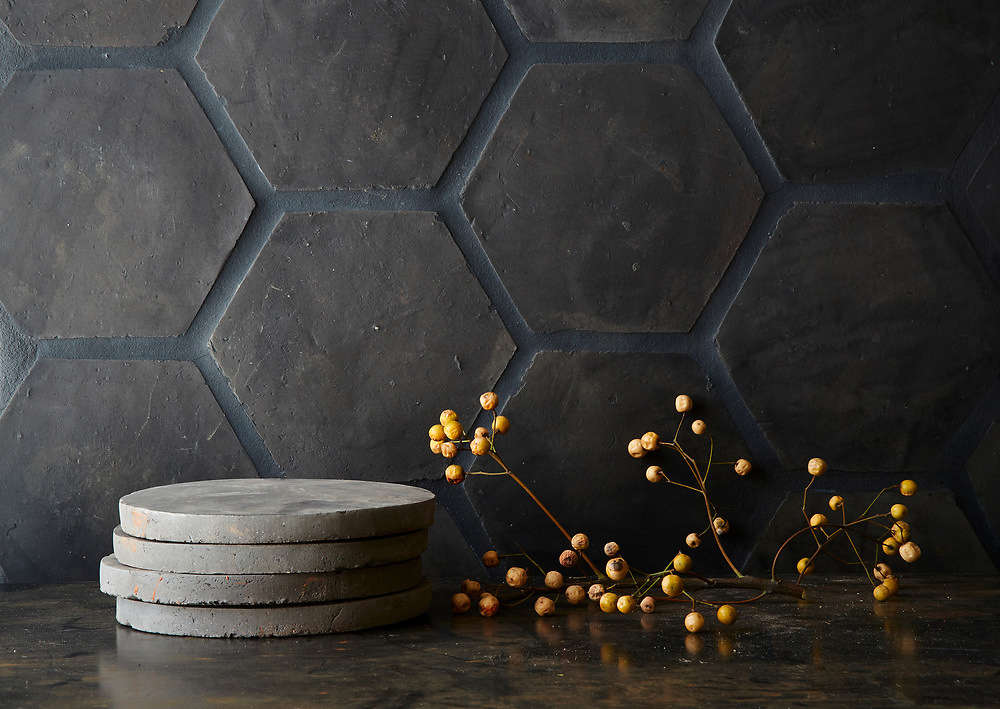
Black terracotta tiles have a way of making a room look as though it has lived an interesting lifeeven if the house was built last Tuesday and still smells faintly of fresh drywall. They are dramatic without being flashy, rustic without feeling rough, and elegant without acnd them. In the world of artisan surfaces, black terracotta tiles inspired by Belgium and handmade by Clé sit in a very specific sweet spot: old-world mood, handmade texture, modern restraint, and just enough imperfection to save a room from looking like a showroom catalog page.
Clé’s Belgian Reproduction terracotta collection is especially appealing because it does not chase perfection. Instead, it celebrates the handmade qualities that many mass-produced tiles work very hard to erase. The surface may vary. The tone may shift. The edges may not behave like obedient little soldiers. That is the point. These tiles are designed to bring the feeling of Northern European courtyards, Belgian farmhouses, antique stone floors, and time-softened architecture into contemporary homes.
For homeowners, designers, architects, and anyone who has ever stared at a bland floor and whispered, “We can do better,” black terracotta offers a grounded, soulful alternative to plain porcelain or standard ceramic tile. It works in kitchens, bathrooms, entryways, mudrooms, fireplaces, garden rooms, and even outdoor spaces when properly specified and installed. It has the dark confidence of slate, the warmth of clay, and the artistic irregularity of something made by human hands rather than a machine with commitment issues.
What Are Black Terracotta Tiles?
Terracotta literally means “baked earth,” and that description is refreshingly honest. Terracotta tile begins with clay, which is shaped, dried, and fired until it becomes a durable building material. Traditional terracotta is often associated with warm orange, red, and brown tones, but black terracotta takes the same earthy foundation and gives it a moodier, more architectural personality.
Black terracotta is not usually a flat, synthetic-looking black. In handmade versions, especially those inspired by historic European surfaces, the color can move between charcoal, smoke, graphite, soot, deep brown, and softened black. That variation gives the material life. Under morning light, it may appear gray and mineral-like. At night, it can deepen into something rich and dramatic. Place it beside pale plaster, oak cabinetry, linen upholstery, or unlacquered brass, and suddenly the room feels layered rather than decorated.
This is one reason handmade black terracotta tile is popular in design-forward interiors. It does not just cover a surface; it changes the atmosphere. A black terracotta kitchen floor can make white cabinets feel less predictable. A black terracotta backsplash can turn a simple range wall into a focal point. A black terracotta bathroom floor can make the space feel like a quiet boutique hotel, minus the tiny shampoo bottles that nobody can open with wet hands.
The Belgian Inspiration Behind the Look
Belgian interior design is often described as restrained, textural, natural, and quietly luxurious. It favors materials that age well: limewash, stone, oak, linen, clay, plaster, iron, and worn leather. The palette is usually muted rather than loud. Instead of relying on bright color or heavy decoration, Belgian-inspired rooms create depth through texture, proportion, shadow, and patina.
That is why black terracotta fits the Belgian design language so naturally. It has weight, but not heaviness. It feels historic, but not costume-like. It can look rustic in a farmhouse kitchen, elegant in a minimalist bathroom, and almost monastic in an entryway with plaster walls and a single sculptural chair. In other words, it is the tile equivalent of someone who owns excellent linen shirts and never needs to raise their voice.
Clé’s Belgian Reproduction collection channels the romance of old Northern European courtyards and the refined rusticity associated with Belgian interiors. The result is a surface that feels collected rather than installed, as if the tiles have been part of the building for years. That quality is difficult to fake. Many tiles imitate age with printed graphics, but handmade terracotta develops character through material, firing, color variation, and use.
What Makes Clé’s Handmade Belgian Reproduction Tiles Special?
They embrace variation instead of hiding it
The most important thing to understand about Clé’s black terracotta tiles is that they are intentionally imperfect. Handmade terracotta can vary in thickness, size, shade, texture, and edge quality. In the Flemish Black colorway, small red clay inclusions or tonal shifts may appear. Rather than being defects, these details are part of the tile’s visual language.
For anyone used to laser-straight tiles, this can require a mindset adjustment. Handmade terracotta does not aim for identical repetition. It creates rhythm. Think of it like a jazz band: the structure is there, but the personality comes from subtle variation. When installed across a floor or wall, the small differences between pieces create movement and depth.
They are unglazed and tactile
Unglazed terracotta has a different presence from glossy ceramic or polished stone. It absorbs and reflects light more softly. The surface feels mineral, grounded, and touchable. In black or charcoal tones, that matte quality becomes especially beautiful because it prevents the color from looking too slick or commercial.
This makes the tile a strong choice for homeowners who want drama without shine. A glossy black tile can look sleek, but it can also show every splash, smudge, and mysterious footprint left by someone who swears they “just cleaned their shoes.” Black terracotta has a more forgiving, lived-in look, especially when it begins to develop a natural patina.
They come in shapes that invite pattern
Clé’s Belgian Reproduction line includes a range of shapes and bundles, such as squares, rectangles, hexagons, star-and-cross patterns, mosaics, and combinations that create historic-looking layouts. This is where the collection becomes especially flexible. A simple rectangle in a running bond pattern can look understated and architectural. A star-and-cross layout can feel more decorative and old-world. A square-and-rectangle bundle can create a courtyard effect that feels both relaxed and carefully composed.
The beauty of these options is that black terracotta does not need a complicated pattern to make an impact. Even a basic square tile can look rich because the handmade surface carries so much character. For busier layouts, the dark color keeps the pattern from becoming too sweet or fussy.
Where Black Terracotta Tiles Work Best
Kitchen floors
A black terracotta kitchen floor is a bold but practical design move. It grounds the room, hides some daily wear better than pale flooring, and pairs beautifully with wood, marble, soapstone, plaster, stainless steel, and painted cabinetry. In a white kitchen, it adds contrast. In a wood kitchen, it adds depth. In a moody kitchen, it doubles down on drama in the best possible way.
For example, imagine Flemish Black terracotta under warm oak cabinets, with creamy walls, a marble counter, and aged brass hardware. The floor becomes the quiet anchor of the space. It does not shout, but it absolutely knows it is carrying the outfit.
Kitchen backsplashes
Black terracotta also works beautifully as a backsplash, especially behind a range or along an open shelf wall. Because the tile is handmade, even a simple pattern can feel layered. A charcoal grout can create a seamless, shadowy effect, while a natural sanded grout can highlight the individual shapes and give the wall a more historic feel.
The key is to decide whether the tile should read as one continuous surface or as a visible pattern. Dark grout makes the installation feel quieter and more monolithic. Lighter grout gives the layout more definition. Neither is universally better; it depends on whether the room needs calm or contrast.
Bathrooms and wet rooms
In bathrooms, black terracotta can create a spa-like, earthy atmosphere. It works especially well with limewash walls, plaster finishes, stone sinks, unlacquered brass, warm wood vanities, and simple linen shower curtains. The result feels less like a standard bathroom and more like a small retreat where even your toothbrush seems to stand up straighter.
Because terracotta is porous, wet-area installations require careful planning, proper sealing, and experienced installation. The tile surface and grout lines need protection. For shower floors or walls, homeowners should follow the manufacturer’s material guidelines and work with a professional who understands handmade clay tile.
Entryways and mudrooms
An entryway is one of the best places to use black terracotta tile. It creates an immediate sense of mood and permanence. It also handles the visual chaos of real lifeshoes, bags, umbrellas, dog leashes, and whatever that one family member insists is “not mud”with more grace than a delicate pale surface.
In mudrooms, black terracotta pairs well with built-in storage, beadboard, plaster, dark hooks, woven baskets, and vintage rugs. The handmade look makes utilitarian spaces feel intentional rather than purely functional.
Fireplace surrounds and hearths
Black terracotta around a fireplace can look stunning. It offers a softer alternative to black marble or steel while still creating a strong focal point. Star-and-cross shapes, square tiles, or elongated rectangles can all work depending on the architecture of the room. In a living room with neutral upholstery and natural wood, a black terracotta hearth adds just enough edge to keep the space from drifting into beige-on-beige politeness.
How to Design With Black Terracotta Without Making the Room Too Dark
Some people hesitate to use black tile because they worry the room will feel heavy. That concern is fair, but black terracotta is not the same as flat black porcelain. Its surface variation, matte finish, and earthy undertones keep it from feeling cold. Still, balance matters.
The easiest strategy is to pair black terracotta with materials that bring warmth and light. White or cream walls, pale oak, reclaimed wood, natural stone, woven textures, linen, and warm metals all soften the look. If the room has limited natural light, use black terracotta as an accent wall, backsplash, hearth, or smaller floor area rather than covering every surface.
Another smart approach is to repeat dark tones elsewhere in the room. A black window frame, dark bronze faucet, charcoal island, or iron light fixture can make the tile feel connected to the larger design. Without repetition, a dark floor can look like it arrived at the party alone.
Grout Choices: The Small Detail That Changes Everything
Grout is not glamorous, but it is powerful. With black terracotta, grout color can completely change the final look. A dark charcoal grout creates a subtle, blended appearance. This is ideal if you want the floor or wall to feel like a continuous field of texture. Natural sanded grout, on the other hand, emphasizes each individual tile and can make patterns more visible.
Wider grout joints are common with handmade terracotta because the tiles vary in size. Instead of fighting that variation, the grout helps absorb it. This is why mockups and dry layouts are so important. Before installation, tiles should be blended from different boxes and arranged so the natural variation feels balanced across the whole surface.
In practical terms, never choose grout from a tiny sample chip alone. Look at the tile, grout, lighting, and surrounding finishes together. A grout that looks “soft gray” in the store may look like sidewalk cement in your kitchen. Grout has a sense of humor, and it is not always kind.
Installation: What Homeowners Should Know Before Ordering
Handmade terracotta is not a casual weekend project unless your weekends include professional tile experience, patience, and a suspiciously large collection of spacers. These tiles require thoughtful installation. Because they are porous and handmade, they need proper handling, suitable setting materials, sealing, and layout planning.
It is wise to order extra material beyond the exact square footage. With handmade tile, overage accounts for cuts, breakage, natural imperfections, layout choices, and future repairs. Many professionals recommend a healthy overage for artisan tile because matching later production batches may be difficult. When the tile has strong variation, having extra pieces also allows the installer to select the best mix for highly visible areas.
The installer should understand that variation is not a mistake to “correct” but a feature to distribute beautifully. The best installations look effortless because someone took the time to plan them. The worst installations look random because someone opened one box at a time and hoped for the best. Hope is charming, but it is not an installation method.
Sealing and Maintenance
Terracotta is porous, and black terracotta is no exception. Proper sealing is essential to help protect the tile from staining and moisture absorption. Both the tile surface and grout lines should be sealed according to the manufacturer’s recommendations. In kitchens, bathrooms, mudrooms, and wet areas, this step is especially important.
For everyday care, gentle cleaning is the rule. Sweep or vacuum regularly to remove grit. Use mild, pH-neutral cleaners and avoid harsh acids, bleach, ammonia, abrasive pads, and aggressive scrubbing. Terracotta is tough in spirit but still appreciates manners. Treat it like a natural material, not a garage floor.
Over time, black terracotta can develop a patina. This is one of the reasons people love it. The surface may soften visually, deepen in certain areas, and tell the story of daily life. If you want a surface that looks identical forever, handmade terracotta may not be your ideal match. If you like materials that evolve gracefully, it can be deeply rewarding.
Pros and Considerations
Why designers love it
- Depth and character: Handmade variation gives the surface richness that printed tile cannot easily imitate.
- Timeless mood: The Belgian-inspired palette feels historic, modern, and natural all at once.
- Pattern flexibility: Squares, rectangles, hexagons, mosaics, and decorative bundles offer many design directions.
- Material honesty: Clay, firing, texture, and patina create an authentic surface with visible craftsmanship.
- Versatile style: It works in rustic, minimalist, traditional, Mediterranean, industrial, and modern organic interiors.
What to consider first
- It needs sealing: Porous terracotta must be properly sealed and maintained.
- Variation is part of the look: Expect differences in tone, texture, size, and edge character.
- Installation matters: Hire a professional familiar with handmade tile.
- Samples may not match perfectly: Production batches can vary, so review expectations before ordering.
- It is not for perfectionists: If tiny irregularities make your eye twitch, choose a more uniform material.
Style Pairings That Make Black Terracotta Shine
Black terracotta works best when paired with other honest materials. In a kitchen, try it with white oak cabinets, honed marble, soapstone, plaster walls, unlacquered brass, or matte black hardware. In a bathroom, pair it with microcement, limewash, handmade wall tile, warm wood, and soft linen. In an entry, combine it with antique rugs, dark iron, creamy walls, and a simple bench.
For a Belgian-inspired palette, keep colors quiet: ivory, mushroom, flax, taupe, smoke, bone, warm gray, clay, and blackened brown. Add texture through linen, aged wood, stone, and ceramics. The goal is not to make the room look empty; it is to make every material feel intentional.
Lighting also matters. Matte black terracotta becomes more interesting under warm light. Avoid overly cool bulbs, which can make dark tile feel harsh. Warm lighting brings out the clay quality and makes the room feel inviting rather than severe.
Experience Notes: Living With Black Terracotta Tiles
Living with black terracotta is different from living with a perfectly uniform tile, and that difference is exactly why many people fall in love with it. The first experience is visual. When the tile is installed, you do not see a flat black surface. You see movement. Some pieces lean charcoal, some look smoky, some reveal warmer undertones, and some carry small marks from the handmade process. At first, you may find yourself staring at the floor more than expected. This is normal. It is also cheaper than buying art for every wall.
The second experience is emotional. Black terracotta changes how a room feels. A kitchen becomes more grounded. A bathroom becomes calmer. An entryway feels more architectural. Even a small backsplash can give the room a sense of age and confidence. The material does not feel trendy in the usual sense. It feels like something that could have been there before you and might remain after your current furniture has been donated, replaced, or quietly judged by future generations.
Daily care is not difficult, but it does ask for a little awareness. Shoes bring grit, so sweeping matters. Spills should be wiped rather than ignored. Cleaning products should be gentle. If you are the kind of person who enjoys using mystery chemicals from under the sink because the label says “industrial strength,” terracotta will politely request that you reconsider your life choices. A pH-neutral cleaner, a soft mop, and regular maintenance are usually the better path.
One of the most enjoyable parts of black terracotta is how forgiving it can be visually. Unlike glossy dark tile, it does not announce every water spot with theatrical flair. Unlike very pale tile, it does not panic at the sight of normal household traffic. The matte, varied surface helps soften the evidence of life. That said, it is not invisible armor. Proper sealing is essential, especially in kitchens, bathrooms, and mudrooms.
Another experience worth noting is how strongly grout affects the final look. Many homeowners obsess over the tile and then treat grout as an afterthought. With black terracotta, grout is part of the design. Dark grout creates mood and continuity. Lighter sanded grout gives pattern and historical texture. If possible, create a sample board before committing. It may feel like an extra step, but it can save you from standing in your finished kitchen saying, “Interesting,” in the tone people use when they do not mean interesting.
Over months and years, the tile begins to feel less like a new product and more like part of the home. That is the real charm. Black terracotta does not aim to remain frozen in showroom perfection. It settles in. It develops a surface story. It becomes a background for coffee spills, dinner parties, muddy boots, quiet mornings, and all the ordinary moments that make a house worth designing well in the first place.
Final Thoughts
Black terracotta tiles inspired by Belgium and handmade by Clé are not for people who want their interiors to look untouched by time, craft, or personality. They are for people who appreciate texture, shadow, natural materials, and the beauty of variation. They bring depth to modern homes, warmth to minimalist spaces, and architectural character to everyday rooms.
The key is to approach them honestly. Expect variation. Plan the layout. Hire the right installer. Seal the tile properly. Clean it gently. Choose grout with care. Do those things, and black terracotta can become one of the most memorable surfaces in your home.
In a design world full of surfaces trying very hard to look flawless, handmade black terracotta offers something better: character. It is earthy, elegant, moody, practical, and quietly dramatic. It does not just finish a room. It gives the room a soul, a story, and a very good reason for guests to look down and say, “Waitwhat is this floor?”
Note: This article is written for web publication and is based on real product characteristics, artisan tile care principles, and Belgian-inspired interior design practices. Always confirm technical specifications, sealing requirements, and installation recommendations with the tile manufacturer and a qualified tile professional before starting a project.












