
Note: This article is written as a web-ready editorial design analysis based on real, publicly documented information about Annabelle Selldorf, Selldorf Architects, and the widely admired Tribeca kitchen featured in design media. No source links are embedded in the article body.
A kitchen by Annabelle Selldorf does not burst into the room wearing a sequined apron and yelling, “Look at me!” It is quieter than that. Smarter, too. It waits for you to notice the alignment of the cabinets, the weight of the materials, the calm geometry, the way a stool can feel like a small sculpture, and the almost suspicious absence of clutter. Then, once you do notice, it becomes very hard to unsee.
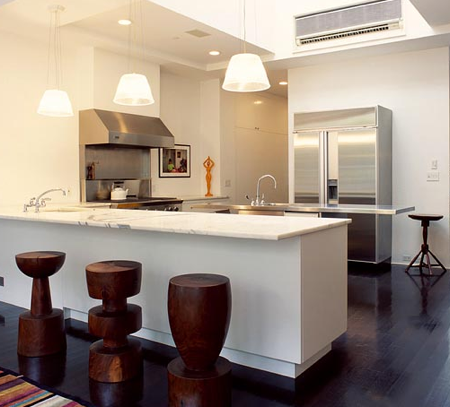
The phrase Architect Visit: Annabelle Selldorf Kitchen has become a kind of shorthand for a certain design ideal: a kitchen that is minimal but not cold, refined but not fussy, practical but still gallery-worthy. One of the most discussed references is a Tribeca kitchen associated with Selldorf Architects, where a spartan, artful space is warmed by sculptural Chris Lehrecke turned wood stools. The result feels less like a showroom kitchen and more like a room that understands both dinner and silence.
That balance is the point. Selldorf’s work is often connected to museums, galleries, private residences, and cultural spaces, but her best domestic interiors carry the same discipline: careful proportion, human comfort, and the belief that architecture should support life rather than interrupt it. In a kitchen, that philosophy becomes especially powerful. After all, this is the room where people make coffee, unload groceries, burn toast, argue about where the measuring cups went, and somehow still expect elegance.
Who Is Annabelle Selldorf?
Annabelle Selldorf is the founding principal of Selldorf Architects, a New York-based architecture firm established in 1988. Born and raised in Germany, she studied architecture at Pratt Institute and Syracuse University in Florence, Italy. Over the decades, her studio has become known for cultural, residential, commercial, and institutional projects that combine modern clarity with a deep respect for human experience.
Selldorf is often described as a minimalist, but that label is only partly useful. Minimalism can sometimes sound like a punishment: no color, no softness, no toaster, no joy. Selldorf’s work is more nuanced. Her spaces are restrained, yes, but they are not empty. They are precise. The quietness comes from editing, not from erasing. A Selldorf kitchen is not trying to prove how little it can contain. It is trying to contain exactly what matters.
This is why her residential work feels so connected to her gallery and museum work. Whether designing for art, furniture, or daily living, the architecture often creates a calm frame around the experience. In a kitchen, that frame may be made of stone, wood, stainless steel, soft light, and cabinet lines so crisp they look like they passed a very strict interview.
The Annabelle Selldorf Kitchen Look: Calm, Clear, and Deeply Useful
The best-known Selldorf kitchen references share a few recognizable traits: clean planes, discreet storage, beautiful proportions, restrained materials, and furniture that earns its place. Instead of leaning on decoration, the room depends on relationships: the distance between island and wall, the height of the counter, the way wood meets metal, the way a drawer front aligns with a panel.
In the Tribeca kitchen that design lovers still admire, the effect is almost gallery-like. The room is spare, but not sterile. The sculptural stools introduce warmth and personality without overwhelming the architecture. They are not just seating; they are punctuation marks. In a less disciplined room, such stools might feel like accessories. Here, they feel necessary.
1. The Kitchen as a Working Gallery
One reason the Annabelle Selldorf kitchen is so compelling is that it treats ordinary kitchen elements with the seriousness of architecture. Cabinets are not just boxes. They are planes. Countertops are not just surfaces. They are horizontal fields. Stools are not afterthoughts. They are objects with form, weight, and character.
This does not mean the kitchen becomes precious. A good kitchen must survive lemon juice, olive oil, toast crumbs, and the mysterious sticky spot that appears even when no one admits using honey. The beauty of the Selldorf approach is that it makes function look composed. The room can work hard while appearing calm, which is basically the dream personality of every kitchen and, frankly, most adults.
2. Materials That Do Not Beg for Attention
Selldorf’s work often favors materials that reveal quality through proportion and finish rather than drama. Think pale wood, stone, stainless steel, plaster, glass, and neutral tones used with discipline. The goal is not to create a kitchen that looks expensive because it is loud. The goal is to create a kitchen that feels inevitable.
That is a difficult trick. Many kitchens chase luxury through obvious signals: veiny stone, oversized pendants, shiny appliances, dramatic backsplashes, and enough hardware to make the cabinets look overdressed. A Selldorf-inspired kitchen does the opposite. It asks, “What can be removed without making the space poorer?” Then it removes exactly that.
3. Storage That Disappears
A minimalist kitchen lives or dies by storage. Without smart storage, minimalism quickly becomes “I shoved everything into one terrifying drawer and now no one is allowed to open it.” The Selldorf kitchen ideal depends on hiding the visual noise while keeping tools accessible.
Flat-front cabinetry, integrated appliances, concealed pulls, deep drawers, appliance garages, and carefully planned pantry zones can all help achieve this effect. The best versions make the room feel serene without making the cook feel like they are solving a puzzle every time they need a spatula.
Why the Tribeca Kitchen Still Feels Fresh
Design trends age quickly. Yesterday’s must-have finish becomes today’s “Oh, that was very 2014,” which is a cruel but common fate for backsplash tile. Yet the Selldorf kitchen remains relevant because it does not rely on gimmicks. Its appeal comes from proportion, restraint, and useful beauty.
The Tribeca kitchen’s spartan atmosphere also connects to the character of loft living. In a neighborhood known for industrial bones, large windows, high ceilings, and converted spaces, a kitchen that behaves like architecture makes sense. Instead of decorating over the loft, the room participates in it. The kitchen becomes part of the larger spatial rhythm rather than a separate performance.
This is a major lesson for homeowners: the most timeless kitchen is rarely the one that copies a trend perfectly. It is the one that understands the home around it. A farmhouse sink can be charming in the right place. In the wrong place, it looks like it wandered in from another house and forgot its lines. Selldorf’s kitchens feel strong because they are context-aware.
Design Lessons From an Annabelle Selldorf Kitchen
Start With Proportion, Not Products
The first lesson is simple but often ignored: do not begin with the faucet. Begin with the room. Where does natural light enter? How do people move through the space? Where will someone stand while chopping vegetables? Can two people pass each other without performing a tiny kitchen tango?
Good kitchen design depends on clear circulation, comfortable counter space, practical appliance placement, and enough landing zones near the sink, cooktop, and refrigerator. A Selldorf-inspired kitchen may look effortless, but that effortlessness comes from planning. The room works because the hidden structure is strong.
Use Fewer Materials, but Choose Better Ones
One of the smartest ways to borrow the Selldorf look is to simplify the material palette. Instead of using five competing finishes, choose two or three that can carry the room. For example, pale oak cabinetry, honed stone counters, and stainless steel accents can create a calm, architectural foundation.
The fewer materials you use, the more each detail matters. That means seams, edges, grain direction, cabinet reveals, and hardware placement all become visible. Minimal design is not easier than decorative design. It is just less forgiving. A crooked reveal in a maximalist kitchen may hide behind pattern and color. In a quiet kitchen, it practically raises its hand.
Let Furniture Bring Warmth
The Chris Lehrecke stools in the Tribeca kitchen are a useful example of how furniture can soften a severe room. Their turned wood forms bring craft, touch, and a little visual humor into the space. They remind us that a kitchen is not only a machine for cooking. It is also a place for sitting, talking, waiting, snacking, and pretending one small piece of cheese does not count as a meal.
If your kitchen is highly restrained, choose stools, chairs, or a small table with real presence. A sculptural wood stool, a leather seat, or a handmade chair can create contrast without clutter. The key is to select pieces that feel intentional, not randomly added because the island looked lonely.
Make the Appliances Behave
Modern kitchens need appliances, but they do not all need to be the star of the family holiday card. Panel-ready refrigerators, undercounter storage, quiet ventilation, and integrated dishwashers can help maintain a calm visual field. Even when appliances remain visible, their placement should feel controlled.
This is especially important in open-plan homes, where the kitchen is visible from living and dining areas. A kitchen that shares space with the rest of the home should not always announce itself with stainless steel glare and countertop chaos. The best integrated kitchens feel like part of the architecture, not like a showroom display parked in the living room.
Respect Negative Space
Negative space is not empty space. It is breathing room. In a Selldorf-style kitchen, the absence of visual clutter allows the materials, light, and proportions to become more noticeable. A blank wall can be powerful. An uninterrupted cabinet plane can be elegant. A counter without seven gadgets on it can look almost heroic.
Of course, real life requires things. Coffee makers exist. Mail arrives. Someone will leave a banana in a location that feels spiritually wrong. The goal is not perfection. The goal is to design enough storage and structure that the room can return to calm after daily life has had its little parade.
How to Create a Selldorf-Inspired Kitchen at Home
You do not need a Tribeca loft or a museum-level renovation budget to borrow ideas from an Annabelle Selldorf kitchen. The principles can work in modest homes, apartments, and small renovations. The trick is to translate the thinking, not merely copy the surface.
Choose a Quiet Cabinet Style
Flat-front cabinets are the most obvious choice, but they are not the only option. A very simple shaker cabinet, painted in a soft neutral, can also work if the proportions are right. Avoid overly decorative moldings, heavy distressing, and hardware that looks like it is trying to win an award.
Invest in One Strong Surface
A beautiful countertop or backsplash can anchor the entire room. Honed marble, soapstone, quartzite, stainless steel, or a high-quality engineered surface can all work, depending on budget and maintenance preferences. The important point is consistency. A calm kitchen benefits from fewer interruptions.
Plan Lighting Like Architecture
Lighting should not be an afterthought. Use a combination of task lighting, soft ambient light, and, if appropriate, one carefully chosen decorative fixture. In a Selldorf-inspired kitchen, lighting should reveal surfaces and support daily use. It should not make the room feel like a jewelry store at noon.
Edit the Countertop
Nothing ruins a minimalist kitchen faster than countertop clutter. Keep only the objects used daily and store the rest. If you love small appliances, plan for them. A dedicated cabinet with outlets can hide the toaster, blender, or coffee setup while keeping them easy to use. Minimalism should make life easier, not turn breakfast into a scavenger hunt.
Why This Kitchen Style Works for Modern Living
The popularity of quiet kitchens is not accidental. As homes have become more open and multifunctional, the kitchen is often visible from almost everywhere. It needs to cook dinner, host friends, support homework, handle video-call backgrounds, and occasionally look peaceful while someone eats cereal directly from the box.
An Annabelle Selldorf kitchen answers that challenge by reducing visual noise. It creates a room that can blend into daily life without disappearing. It is elegant enough for entertaining, durable enough for use, and calm enough to make the rest of the home feel more composed.
There is also an emotional benefit. A well-edited kitchen can change how a home feels. When cabinet lines are clean, storage is logical, and materials are pleasant to touch, the room becomes less stressful. You may still overcook the pasta, but at least you will do it in a space with excellent proportions.
Common Mistakes to Avoid
Mistake 1: Confusing Minimal With Empty
A kitchen without warmth can feel clinical. Add texture through wood, stone, linen, ceramics, or sculptural seating. The goal is restraint, not emotional frostbite.
Mistake 2: Ignoring Daily Habits
If you cook often, design for cooking. If you entertain often, design for gathering. If your family drops backpacks, mail, keys, and snacks in the kitchen, create a landing zone. A beautiful kitchen that ignores behavior will lose the argument every single day.
Mistake 3: Buying the Look Without the Logic
Copying flat cabinets and pale stone will not automatically create a Selldorf-inspired room. The real magic is in proportion, planning, and restraint. The look is the result, not the starting point.
Experience Notes: Living With the Selldorf Kitchen Idea
The most interesting thing about an Annabelle Selldorf kitchen is that it changes how people behave around objects. In a busy, overdesigned kitchen, every item competes for attention. The copper pot wants attention. The patterned tile wants attention. The pendant lights want attention. Even the fruit bowl seems to be auditioning. In a Selldorf-inspired kitchen, the room asks everything to calm down and speak one at a time.
That kind of environment can feel surprisingly luxurious in daily life. Morning coffee becomes more pleasant when the counter is clear and the light has somewhere to land. Cooking feels more controlled when the tools have a logical home. Cleaning is easier when cabinet fronts are simple and surfaces are not broken into dozens of fussy details. The kitchen does not magically make anyone a better cook, but it does reduce the number of tiny annoyances that make cooking feel harder than it should.
Homeowners who try to create this atmosphere often discover that the hardest part is not choosing materials. It is editing. People are emotionally attached to objects, even objects they do not use. There is always a novelty mug, a backup blender, a decorative tray, or a mysterious plastic lid that no longer belongs to any container but has somehow earned permanent residency. A Selldorf-style kitchen gently exposes these habits. It asks what deserves to stay visible and what should be stored, donated, repaired, or released back into the universe of unnecessary kitchen things.
Another real-world lesson is that quiet design makes craftsmanship more important. In a highly decorative room, imperfections have places to hide. In a simple kitchen, the eye notices everything: the joint where stone meets wall, the spacing between drawers, the thickness of a shelf, the way a cabinet door closes. This is why a restrained kitchen should never be treated as a cheap shortcut. It may use fewer elements, but those elements need to be handled with care.
The best experience comes when the kitchen feels calm without feeling controlled. A bowl of lemons can sit on the counter. A wooden cutting board can lean against the backsplash. A favorite ceramic pitcher can remain visible. The room should not become a museum where toast crumbs are treated like a security breach. The Selldorf lesson is not “remove life.” It is “make room for life by removing what distracts from it.”
That is why the Annabelle Selldorf kitchen remains such a useful model. It proves that a kitchen can be architectural without becoming stiff, minimal without becoming boring, and practical without surrendering beauty. It is a reminder that design does not always need to shout to be unforgettable. Sometimes the most powerful room in the house is the one that knows when to be quiet.
Conclusion
The enduring appeal of the Architect Visit: Annabelle Selldorf Kitchen idea comes from its rare balance of discipline and warmth. It is not merely a minimalist kitchen. It is a thoughtful kitchen, one shaped by proportion, material honesty, human use, and the quiet confidence of architecture that does not need applause every five minutes.
For anyone planning a kitchen renovation, the takeaway is clear: start with how the room should feel and function, then edit until every element has a reason to be there. Choose materials that age well. Treat storage as architecture. Let furniture add humanity. Keep the counters calm enough for daily life to happen without visual chaos. And remember, the best kitchen is not the one that looks perfect in a photograph. It is the one that still feels right when someone is making coffee, unloading groceries, and asking where the good knife went.











