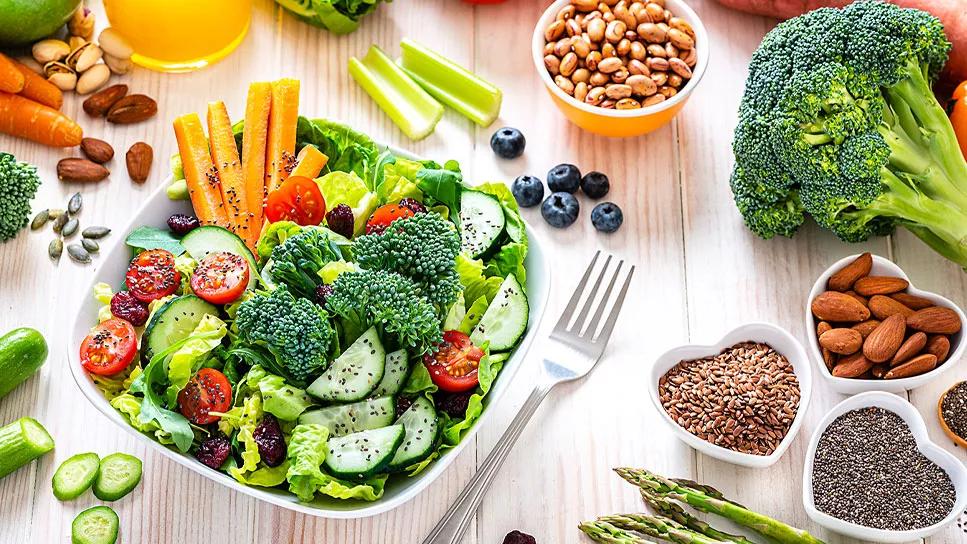
Phytonutrients sound like something a very serious scientist would whisper while holding a kale smoothie under fluorescent lab lights. But the idea is surprisingly simple: phytonutrients are natural compounds made by plants. They help plants survive the drama of outdoor lifesunlight, insects, fungi, hungry animals, and general botanical chaos. When humans eat plant foods, many of these compounds may support our health, too.
The word “phyto” means plant, so phytonutrients are often called plant nutrients or phytochemicals. They are not considered essential nutrients in the same way vitamins, minerals, protein, fat, and carbohydrates are. In other words, you will not see an official “daily value” for quercetin on a nutrition label next to vitamin C. Still, research strongly suggests that diets rich in colorful fruits, vegetables, legumes, whole grains, nuts, seeds, herbs, and spices are linked with better long-term health. Phytonutrients are one big reason why.
Think of phytonutrients as the personality of plant foods. They help give blueberries their deep purple color, tomatoes their red glow, garlic its bold aroma, green tea its slightly grassy edge, and broccoli its unmistakable “yes, I am broccoli” flavor. They are the tiny plant compounds working behind the scenes while fiber, vitamins, and minerals get most of the applause.
What Do Phytonutrients Do?
In plants, phytonutrients act like a defense system. They protect against environmental stress, attract pollinators, and sometimes discourage pests. In humans, they may help support antioxidant activity, calm inflammation, assist immune function, influence cell signaling, and support heart, eye, brain, gut, and metabolic health.
That does not mean phytonutrients are magic. A tomato cannot cancel out three weeks of drive-through dinners and sleep deprivation. But when eaten regularly as part of a balanced eating pattern, plant foods offer thousands of bioactive compounds that may work together in helpful ways. This “team effect” is one reason nutrition experts usually recommend whole foods over isolated supplements.
Phytonutrients vs. Vitamins: What’s the Difference?
Vitamins are essential nutrients your body needs to function. If you do not get enough of certain vitamins, deficiency diseases can develop. Phytonutrients are different. They are not officially required for survival, but they appear to help the body operate more smoothly over time.
Here is a simple comparison: vitamin C is like the reliable employee who must show up every day. Phytonutrients are like the talented supporting cast that makes the whole office more productive, colorful, and less likely to burst into chaos before lunch.
Plant foods often contain both. An orange, for example, provides vitamin C, fiber, water, and multiple phytochemicals. Spinach offers folate, vitamin K, magnesium, lutein, zeaxanthin, and many other plant compounds. The point is not to chase one nutrient. The point is to eat a wide variety of plants so your body gets the full package.
Common Types of Phytonutrients
Scientists have identified thousands of phytochemicals, and researchers are still learning how many of them work. Below are some of the best-known groups.
Carotenoids
Carotenoids are plant pigments that often give fruits and vegetables red, orange, and yellow colors. Famous examples include beta-carotene in carrots and sweet potatoes, lycopene in tomatoes and watermelon, and lutein and zeaxanthin in leafy greens.
Carotenoids are often associated with eye health, immune support, and antioxidant activity. Lutein and zeaxanthin are especially known for their role in the eyes, while lycopene has been widely studied for its connection to heart health and prostate health. A fun food fact: cooking tomatoes with a little healthy fat, such as olive oil, may help the body absorb lycopene more effectively. Pasta sauce suddenly feels very responsible.
Flavonoids
Flavonoids are a large family of polyphenols found in berries, apples, onions, citrus fruits, tea, cocoa, grapes, and many herbs. They help plants with color, flavor, and protection. In the human diet, flavonoid-rich foods are often linked with cardiovascular support, healthy blood vessel function, and antioxidant effects.
Examples include quercetin in onions and apples, catechins in green tea, anthocyanins in blueberries and blackberries, and hesperidin in citrus. These compounds are one reason berries get so much nutrition praise. They are small, colorful, and apparently overachievers.
Glucosinolates
Glucosinolates are sulfur-containing compounds found mostly in cruciferous vegetables such as broccoli, cauliflower, cabbage, Brussels sprouts, bok choy, kale, and arugula. When these vegetables are chopped or chewed, glucosinolates can break down into compounds such as isothiocyanates and indoles.
These compounds have attracted attention because they may support the body’s natural detoxification pathways and help protect cells. They are also partly responsible for the sharp flavor and aroma of cruciferous vegetables. Translation: that broccoli smell is not a flaw. It is a chemical résumé.
Phenolic Acids
Phenolic acids are found in coffee, berries, whole grains, nuts, and many fruits and vegetables. They are another group of polyphenols with antioxidant properties. Chlorogenic acid, found in coffee, is one example. Yes, your morning coffee may contain plant compounds, although turning it into a dessert with a straw and whipped cream changes the nutrition conversation a little.
Phytoestrogens
Phytoestrogens are plant compounds that can weakly mimic or influence estrogen-like activity in the body. Isoflavones in soy foods, such as tofu, tempeh, soy milk, and edamame, are among the most studied. Lignans, found in flaxseed, sesame seeds, whole grains, and some fruits and vegetables, are another type.
Soy foods have sometimes been misunderstood, but whole soy foods can be part of a balanced diet for many people. As always, context matters. A bowl of edamame is not the same thing as highly processed snack food with a soy-based ingredient hidden on the label.
Organosulfur Compounds
Garlic, onions, leeks, chives, and shallots contain organosulfur compounds. These compounds help create the bold aroma that makes garlic bread smell like a life decision. They have been studied for possible roles in heart health, immune support, and cell protection.
Why “Eat the Rainbow” Actually Makes Sense
“Eat the rainbow” may sound like advice from a cheerful refrigerator magnet, but it is a practical nutrition shortcut. Different colors in plant foods often signal different phytonutrients.
- Red foods such as tomatoes, watermelon, red peppers, and strawberries may contain lycopene, anthocyanins, and other compounds.
- Orange and yellow foods such as carrots, sweet potatoes, mangoes, oranges, and squash are often rich in carotenoids.
- Green foods such as spinach, kale, broccoli, kiwi, and herbs may provide lutein, zeaxanthin, glucosinolates, chlorophyll, and folate.
- Blue and purple foods such as blueberries, blackberries, purple cabbage, grapes, and eggplant often contain anthocyanins.
- White and tan foods such as garlic, onions, mushrooms, cauliflower, beans, oats, and pears also count. Pale does not mean pointless.
The rainbow approach helps prevent “nutrition tunnel vision.” If you only eat lettuce and bananas, you are technically eating plants, but your plate is missing a lot of phytochemical variety. A more colorful plate usually means a broader range of plant compounds.
Best Food Sources of Phytonutrients
The best sources of phytonutrients are whole and minimally processed plant foods. Supplements may have a place in certain medical situations, but they cannot fully copy the complexity of actual food. Plants come packaged with fiber, water, minerals, vitamins, and thousands of interacting compounds.
Fruits
Berries, apples, citrus fruits, grapes, cherries, pears, pomegranates, kiwi, peaches, and melons all bring different phytonutrients to the table. Berries are famous for anthocyanins. Citrus fruits contain flavonoids. Apples provide quercetin and other polyphenols, especially in the peel.
Vegetables
Leafy greens, cruciferous vegetables, tomatoes, carrots, peppers, asparagus, beets, squash, onions, and mushrooms are all excellent choices. Frozen vegetables are perfectly useful, and canned vegetables can work too, especially when you choose lower-sodium options. Your body does not reject broccoli because it spent time in a freezer.
Legumes
Beans, lentils, chickpeas, peas, soybeans, and peanuts provide fiber, protein, minerals, and phytochemicals. They are affordable, filling, and wildly underrated. A pantry with lentils and beans is basically a low-budget health strategy wearing a humble label.
Whole Grains
Oats, brown rice, barley, quinoa, farro, whole wheat, buckwheat, and rye contain phytochemicals concentrated in the bran and germ. This is one reason whole grains offer more than refined grains. When grains are heavily refined, many beneficial compounds are reduced or removed.
Nuts and Seeds
Walnuts, almonds, pistachios, flaxseed, chia seeds, pumpkin seeds, and sesame seeds provide healthy fats, minerals, fiber, and plant compounds. Ground flaxseed is especially rich in lignans, while walnuts contain polyphenols and plant-based omega-3 fats.
Herbs, Spices, Tea, and Coffee
Herbs and spices are small but mighty sources of phytochemicals. Turmeric, ginger, cinnamon, oregano, rosemary, parsley, basil, and cloves contain concentrated plant compounds. Tea and coffee also contain polyphenols. This does not mean a sprinkle of oregano replaces vegetables, but it does mean flavor can be part of the nutrition plan.
Health Benefits of Phytonutrients
Phytonutrients are studied for many possible health effects. The strongest message is not that one compound prevents one disease. It is that eating more whole plant foods is consistently associated with better health outcomes.
They May Help Reduce Oxidative Stress
Oxidative stress happens when free radicals and antioxidant defenses become unbalanced. Many phytochemicals can act as antioxidants in laboratory settings. In the body, their effects are more complex, often involving cell signaling and gene expression rather than simply “neutralizing” free radicals like tiny superheroes with capes.
They May Support Heart Health
Plant-rich diets are associated with better cardiovascular health. Fiber, potassium, magnesium, unsaturated fats, and phytochemicals all play roles. Flavonoids from berries, tea, citrus, cocoa, and other foods may help support blood vessel function. Carotenoid-rich and polyphenol-rich foods are also part of many heart-friendly eating patterns.
They May Support Healthy Inflammation Responses
Inflammation is not always bad. It helps the body respond to injury and infection. But chronic, low-grade inflammation is linked with many health problems. Many phytonutrient-rich foods, especially vegetables, fruits, nuts, seeds, legumes, herbs, and spices, are common in anti-inflammatory eating patterns.
They May Support Eye and Brain Health
Lutein and zeaxanthin are carotenoids found in leafy greens and other vegetables. They are known for accumulating in the eye, where they help filter light and support retinal health. Polyphenol-rich foods such as berries, tea, cocoa, and colorful vegetables are also studied for brain and cognitive health, although no single food can guarantee a sharper memory or help you remember where you put your keys.
They May Help Protect Cells
Many plant compounds are studied for their role in cell protection, DNA repair support, detoxification enzymes, and healthy cell communication. Cruciferous vegetables, berries, garlic, onions, tomatoes, green tea, soy foods, and whole grains often appear in research on diet and long-term disease risk.
Can You Get Phytonutrients from Supplements?
You can find supplements containing isolated plant compounds such as curcumin, resveratrol, green tea extract, lycopene, or quercetin. But more is not always better. In some cases, high-dose supplements may behave differently than the same compound in food. They may also interact with medications or cause side effects.
Whole foods are usually the smarter starting point. A bowl of vegetable soup, a bean salad, or a berry-oat breakfast delivers many nutrients at once. A capsule delivers one concentrated idea and hopes for the best. Food is more complicated, and in nutrition, complicated is often good.
How to Add More Phytonutrients to Your Diet
You do not need a perfect diet. You need repeatable habits. Phytonutrients reward consistency, not culinary heroics.
Start with One Extra Color
If your plate looks beige, add one color. Add spinach to eggs, berries to oatmeal, tomatoes to a sandwich, cabbage to tacos, or roasted carrots to dinner. One color is easier than a complete lifestyle makeover announced dramatically at midnight.
Use the Half-Plate Method
At lunch or dinner, aim to fill about half your plate with vegetables and fruit when possible. The other half can include protein, whole grains, and healthy fats. This simple visual approach naturally increases fiber, volume, and phytonutrient variety.
Keep Frozen Produce Around
Frozen berries, spinach, peas, broccoli, and mixed vegetables are convenient and often budget-friendly. They reduce the “my produce turned into compost in the fridge again” problem. Add them to smoothies, soups, stir-fries, pasta, rice bowls, or omelets.
Upgrade Snacks
Try apple slices with peanut butter, carrots with hummus, Greek yogurt with berries, roasted chickpeas, trail mix with nuts and dried fruit, or whole-grain toast with avocado. Snacks are a great place to sneak in plant compounds without turning your kitchen into a wellness retreat.
Add Herbs and Spices
Use garlic, turmeric, ginger, cinnamon, basil, parsley, rosemary, oregano, chili flakes, cumin, and black pepper. Herbs and spices add flavor, reduce the need for excessive salt or sugar, and contribute their own phytochemicals.
Common Myths About Phytonutrients
Myth 1: Only Exotic Superfoods Count
Nope. Blueberries are great, but so are cabbage, onions, beans, apples, carrots, oats, and lentils. You do not need imported berries with a dramatic origin story. Everyday plant foods are powerful.
Myth 2: White Foods Are Nutritionally Empty
Some white foods, such as refined sugar and white flour products, are not especially nutrient-dense. But white plant foods like cauliflower, garlic, onions, mushrooms, pears, potatoes, and beans contain useful nutrients and phytochemicals. Color helps, but it is not the only clue.
Myth 3: Supplements Are Better Than Food
Supplements can be useful when recommended for a specific reason, but they do not replace a varied diet. Whole foods contain combinations of compounds that may work together. Your body is not a spreadsheet; it likes packages, patterns, and context.
Myth 4: Cooking Destroys Everything
Cooking can reduce some nutrients, but it can also make others easier to absorb. For example, cooking tomatoes can increase lycopene availability. Lightly cooking greens can make them easier to eat in larger amounts. Raw and cooked plants both deserve a place on the plate.
Real-Life Experiences with Phytonutrients
One of the easiest ways to understand phytonutrients is to stop thinking about them as “science words” and start noticing how they show up in normal meals. Most people do not wake up craving flavonoids. They wake up craving breakfast, convenience, flavor, and maybe coffee strong enough to make Monday apologize. That is where phytonutrients become practical.
A simple example is breakfast. Swapping a plain refined cereal for oatmeal topped with blueberries, sliced banana, cinnamon, and walnuts adds several plant foods without making the meal complicated. The oats bring whole-grain compounds and fiber. Blueberries add anthocyanins. Cinnamon adds aromatic phytochemicals. Walnuts contribute polyphenols and healthy fats. It still tastes like breakfast, not homework.
Lunch is another easy opportunity. A basic sandwich becomes more phytonutrient-rich when you add tomato, spinach, red onion, avocado, or roasted peppers. A rice bowl becomes more colorful with black beans, corn, salsa, cabbage, and herbs. Even a quick noodle dish can improve with mushrooms, bok choy, carrots, garlic, and scallions. The goal is not to create a museum-quality plate. The goal is to make plants normal.
Many people also discover that eating more phytonutrient-rich foods changes how meals feel. High-fiber plant foods tend to be filling. Colorful meals often feel fresher and more satisfying. Herbs, spices, garlic, citrus, and vinegar can make vegetables taste brighter, which matters because nobody sticks with food that tastes like punishment. If broccoli is always sad and steamed into surrender, roast it with olive oil, garlic, lemon, and black pepper. Broccoli has range. Let it perform.
Another real-world experience is the “small upgrade” effect. Instead of forcing a full diet overhaul, people often do better by upgrading what they already eat. Add berries to yogurt. Add lentils to soup. Add spinach to pasta. Add salsa to eggs. Add cabbage to tacos. Add beans to salad. Add herbs to almost everything. These changes sound tiny, but repeated daily, they can meaningfully increase the variety of plant compounds in the diet.
Shopping habits matter too. One useful trick is to choose produce by color before choosing exact recipes. Pick one green vegetable, one red or orange item, one blue or purple fruit, one allium such as onion or garlic, and one legume or whole grain. With those ingredients, you can build salads, soups, stir-fries, wraps, bowls, omelets, or snacks. This approach keeps meals flexible and reduces the pressure to follow a perfect meal plan.
Families can make phytonutrients more approachable by turning color into a game. Kids may not care about carotenoids, but they may enjoy building a “rainbow plate” with strawberries, carrots, corn, cucumbers, blueberries, and beans. Adults can use the same trick, just with fewer stickers and more balsamic vinegar.
The biggest lesson from everyday experience is that phytonutrients are not about perfection. They are about variety, repetition, and enjoyment. A plant-rich diet does not require rare powders, expensive juices, or a refrigerator that looks like a farmer’s market exploded. It can start with an apple, a handful of spinach, a pot of beans, a bag of frozen berries, or a spoonful of herbs tossed into dinner. The science may be complex, but the habit can be beautifully simple: eat more plants, eat more colors, and let your plate do some quiet behind-the-scenes work.
Conclusion
Phytonutrients are natural plant compounds that help plants survive and may help humans thrive when eaten as part of a balanced, plant-rich diet. They are found in fruits, vegetables, legumes, whole grains, nuts, seeds, herbs, spices, tea, and coffee. Major types include carotenoids, flavonoids, glucosinolates, phenolic acids, phytoestrogens, and organosulfur compounds.
The best strategy is not to obsess over one compound or chase the latest superfood trend. Instead, build meals around variety: leafy greens, bright berries, orange vegetables, cruciferous vegetables, beans, whole grains, garlic, onions, herbs, and spices. Your body benefits from the full plant-food packagefiber, vitamins, minerals, and a huge supporting cast of phytochemicals.
So, what are phytonutrients? They are one of the biggest reasons colorful plant foods deserve a regular place on your plate. They are not magic, but they are meaningful. And unlike many health trends, they do not require a subscription, a password, or a blender that sounds like a lawn mower.