Note: This article is written from publicly available information about Mister Finch’s textile art, exhibitions, book descriptions, artist interviews, and art-publication coverage, rewritten in an original editorial style for web publication.
Some artists paint landscapes. Some sculpt marble. Some spend their days convincing forgotten curtains, old wedding dresses, velvet scraps, and slightly suspicious bits of thread to become moths, mushrooms, rabbits, spiders, and woodland creatures that look as if they slipped out of a fairy tale after midnight. Mister Finch belongs firmly to the third group, which is excellent news for anyone who has ever looked at an antique tablecloth and thought, “This could definitely become a noble badger.”
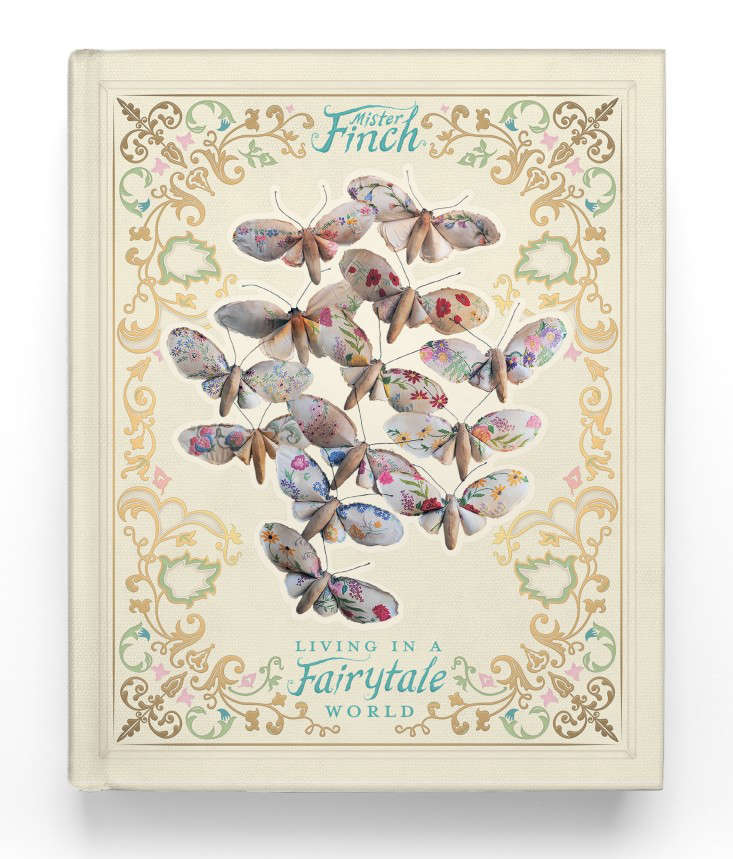
Mister Finch, a self-taught textile artist based in Leeds, England, has built an instantly recognizable world from fabric, folklore, nature, and imagination. His handmade sculptures often resemble specimens from a museum that was curated by a botanist, a storyteller, and possibly a fox wearing spectacles. His book, Mister Finch: Living in a Fairy Tale World, gathers this strange and beautiful universe into a visual journey where insects are oversized, mushrooms feel enchanted, and animals seem to carry secrets older than the forest floor.
At the heart of Mister Finch’s work is a simple but powerful idea: materials have memory. A piece of worn fabric is not just cloth. It might have once been a curtain in a quiet room, a jacket on someone’s shoulders, a blanket, a dress, or a scrap saved for reasons nobody remembers. In Finch’s hands, these materials are not thrown away; they are reawakened. They become wings, ears, paws, stalks, petals, fur, and fables.
Who Is Mister Finch?
Mister Finch is best known as a textile artist who creates one-of-a-kind soft sculptures inspired by British flora, fauna, and folklore. He is self-taught, which is worth noting because his work has the kind of technical richness that makes you assume there must be a secret academy somewhere teaching “advanced moth charisma.” Instead, his practice grew through curiosity, experimentation, and a deep relationship with sewing, collecting, and storytelling.
His studio practice centers on hand-sewn sculptures made from vintage textiles, recycled fabrics, thread, paper, wire, wood, and found objects. The results range from delicate birds and moths to giant spiders, toadstools, hares, fox-like figures, dead birds, and hybrid creatures that seem to belong to both natural history and dreams.
Finch’s artistic identity is closely tied to the landscapes and folklore of Yorkshire. The countryside around him, with its hedgerows, mossy woods, fields, old houses, and weathered textures, provides more than visual inspiration. It gives his work its mood. His sculptures are not polished fantasy in the shiny, theme-park sense. They feel rooted, damp, antique, and alive. If Disney is a castle with fireworks, Mister Finch is the mysterious path behind the cottage, where the mushrooms look like they know your name.
The Fairy Tale World Behind the Fabric
The phrase “living in a fairy tale world” is not just a poetic label for Mister Finch’s art. It describes the logic of his creative universe. In fairy tales, ordinary objects transform. Animals talk. Forests test people. Small things carry great meaning. Beauty often sits right beside danger. A rose may be lovely, but it may also have thorns, a curse, or a very judgmental bee nearby.
Finch’s sculptures capture that same balance. His creatures are whimsical, but they are not sugary. Many are charming and slightly unsettling at the same time. A moth might look gorgeous, but its oversized body and worn tapestry wings make it feel like a relic from a forgotten attic. A spider may be beautifully made, yet still cause the viewer to take a respectful half-step backward. His toadstools are enchanting, but they also carry the old fairy-tale warning: not everything pretty in the woods is safe to nibble.
This tension gives Mister Finch’s textile art its depth. It is not merely decorative. It invites viewers into a story. Each sculpture looks as if it has already lived a life before we arrived. A hare may have run through moonlit fields. A badger may have delivered letters between kingdoms. A bird may be part of a strange cabinet of curiosities. His world does not explain itself too loudly, which is one reason it feels magical. It leaves room for the viewer’s imagination to do some delightful trespassing.
Vintage Textiles as Storytelling Material
One of the most important features of Mister Finch’s work is his use of vintage and recycled fabrics. This is not just an eco-friendly choice, though it certainly aligns with sustainable art practices. It is also a storytelling technique. New fabric can be beautiful, but old fabric often carries atmosphere. Faded florals, worn velvet, antique lace, tapestry, curtains, uniforms, and discarded clothes bring texture and history into the sculpture before the first stitch is made.
When Finch turns a piece of tapestry into moth wings, the floral pattern does not disappear. It becomes part of the creature’s identity. When a worn fabric becomes a mushroom cap, the age of the material adds believability. The sculpture feels less manufactured and more discovered, as if someone found it under a glass dome in an eccentric Victorian collector’s house.
This is why his art often feels both handmade and archaeological. Viewers are not only looking at a creature; they are looking at the layers of time embedded in the cloth. The seams, frays, stains, and faded colors are not flaws. They are evidence. In a culture obsessed with the new, Mister Finch makes the old feel thrilling again. He proves that a scrap bin can be a portal, provided one has enough patience, imagination, and perhaps a strong cup of tea.
Nature, Folklore, and the Beauty of Strange Creatures
Mister Finch’s subjects often come from the natural world: insects, birds, flowers, fungi, hares, mice, and woodland animals. But he does not simply reproduce nature. He mythologizes it. His moths are not just moths; they become winged messengers. His mushrooms are not just fungi; they become architectural features in a fairy realm. His birds and beasts seem caught between scientific specimen and storybook character.
British folklore plays a major role in this atmosphere. Traditional tales often give animals symbolic power. Hares are linked with moonlight, mystery, transformation, and old rural magic. Birds can be omens or messengers. Foxes are clever, badgers are earthy and noble, and toadstools are practically required by law to appear whenever fairies are nearby. Finch borrows from this cultural memory without needing to retell one specific tale.
The result is art that feels familiar even when it is entirely original. We may not know the name of the creature in front of us, but we know the feeling: the childhood sensation of opening an illustrated storybook and suspecting the woods outside might be busier than adults admit. That emotional recognition is one reason his work resonates with audiences far beyond traditional textile-art circles.
The Handmade Museum: Curiosity, Craft, and Wonder
Mister Finch’s sculptures have been exhibited internationally, including in New York, where his work was presented in gallery settings that emphasized the idea of the “handmade museum.” This concept suits him perfectly. His pieces often feel like specimens arranged for study, but the science is imaginary. Instead of Latin names and pinned beetles, we encounter fabric birds, hybrid moths, and theatrical toadstools that seem to have arrived from a parallel natural history.
The museum-like presentation also connects his work to cabinets of curiosities, those historical collections where natural objects, art, oddities, and wonders were displayed together. In such spaces, the boundary between fact and fantasy was deliciously blurry. Mister Finch revives that spirit with thread and cloth. His art asks viewers to look closely, not because a label demands it, but because the object itself whispers, “Come here. I have a story, and possibly tiny legs.”
Why Mister Finch’s Work Feels So Modern
Although his art looks deeply connected to the past, Mister Finch’s appeal is surprisingly modern. In a digital age where so much of life happens on screens, handmade objects carry a special kind of emotional force. They remind us of slowness. They show evidence of human touch. A stitch is a decision. A seam is a path. A repaired edge is a small act of care.
His work also speaks to contemporary interest in sustainability and upcycling. Rather than treating discarded textiles as waste, Finch transforms them into art with character and value. This approach fits a broader cultural shift toward reusing materials, honoring craft, and questioning the disposable habits of modern consumption. However, his work never feels like a lecture about recycling. It feels like proof that sustainability can be strange, elegant, funny, and full of moths.
There is also a growing appreciation for artists who blend categories. Mister Finch is not easy to place in a single box. His practice overlaps with textile art, sculpture, folk art, fantasy art, design, storytelling, natural history, and decorative craft. That hybridity is part of his strength. He makes work that can delight a serious collector, inspire a craft artist, fascinate a child, and make an adult wonder why their own curtains are not currently living their best life as a hare.
The Book: Mister Finch: Living in a Fairy Tale World
The book Mister Finch: Living in a Fairy Tale World functions as a doorway into the artist’s visual language. More than a simple portfolio, it presents his creatures as part of a larger imaginative environment. The title is important because it frames the art not merely as objects but as inhabitants of a world. These sculptures do not feel isolated. They appear to belong to the same strange ecosystem, where moths, mushrooms, birds, and beasts follow rules we almost remember from childhood but cannot quite recite.
For readers interested in textile art, the book offers inspiration in material use, form, and mood. For lovers of fairy tales, it offers a darker, more tactile version of enchantment. For artists, it demonstrates how a consistent visual universe can emerge from recurring themes, disciplined making, and personal obsession. And for anyone who likes beautiful oddities, it provides the pleasure of looking at objects that seem impossible to mass-produce.
The book also reinforces a key lesson from Finch’s practice: style is not just how something looks; it is how everything connects. His color palette, fabric choices, creatures, poses, textures, and titles all support one another. Nothing feels random, even when the work is delightfully peculiar. That coherence is what turns individual sculptures into a world.
Signature Elements of Mister Finch’s Textile Art
1. Oversized Insects
Mister Finch’s moths and insects are among his most recognizable creations. By enlarging these creatures, he makes viewers reconsider details that are easy to overlook in real life: wing shapes, antennae, segmented bodies, fuzzy textures, and delicate symmetry. In fabric form, the insects become theatrical rather than merely biological. A moth can look like a tiny opera cape with opinions.
2. Enchanted Mushrooms and Toadstools
Toadstools are a natural fit for Finch’s fairy-tale world. Their sculptural shapes, folklore associations, and slightly comic silhouettes make them ideal subjects. His fabric mushrooms often feel charmingly alive, as if they might shuffle across the table when nobody is looking. The use of velvet, cotton, silk, and worn textiles gives them a tactile richness that plastic fantasy décor could never achieve.
3. Woodland Animals with Personality
Finch’s animals often seem dressed for an appointment in another realm. Badgers, hares, mice, and other creatures may appear noble, melancholic, mischievous, or ceremonial. They do not need cartoon expressions to show personality. Their posture, materials, scale, and accessories suggest character. This restraint makes them more intriguing than overly cute designs.
4. Aged Surfaces and Imperfect Beauty
The beauty of Mister Finch’s work often comes from imperfection. Faded cloth, rough edges, visible stitching, and muted colors create emotional warmth. His sculptures do not look factory-fresh. They look found, inherited, rescued, or remembered. That aged quality makes the fantasy feel grounded.
What Artists and Collectors Can Learn from Mister Finch
Mister Finch’s success offers several lessons for creative people. First, a strong artistic voice can grow from personal fascination rather than formal training. Education is valuable, but obsession is a powerful teacher. Finch’s work shows what can happen when an artist follows a visual world deeply enough for it to become unmistakable.
Second, materials matter. The right fabric can carry meaning before it becomes a finished object. Artists who work with found materials understand that the hunt is part of the practice. Choosing the perfect scrap for a moth wing or mushroom cap is not a minor decision. It is part of the storytelling structure.
Third, mystery is useful. Not every artwork needs to explain itself completely. Mister Finch gives viewers enough detail to enter the story but not so much that the story becomes closed. His creatures invite interpretation. That openness makes the work memorable because each viewer finishes the tale in their own mind.
Why Audiences Love Mister Finch
People respond to Mister Finch’s art because it satisfies several desires at once. It is beautiful, but not bland. It is nostalgic, but not old-fashioned. It is handmade, but not amateurish. It is whimsical, but not shallow. Most importantly, it brings wonder back into ordinary materials.
There is something deeply comforting about seeing discarded things become magical. It suggests that transformation is always possible. A torn textile can become a wing. An old curtain can become part of a creature. A quiet studio can become a kingdom. That message may be subtle, but it is emotionally powerful.
His work also reminds viewers that fairy tales were never only for children. Traditional fairy tales contain fear, humor, beauty, warnings, desire, and transformation. Mister Finch captures that complexity. His sculptures feel like objects from stories that might comfort you or caution you, depending on the lighting.
Experiences Inspired by “Mister Finch: Living in a Fairy Tale World”
Spending time with the idea of Mister Finch: Living in a Fairy Tale World changes how you look at everyday objects. Suddenly, a pile of fabric scraps is no longer a mess; it is a sleeping population of wings, paws, petals, and possible troublemakers. A button might become an eye. A torn sleeve might become a rabbit’s coat. A faded floral cushion might clearly be destined for moth greatness. You may begin to suspect your laundry basket has artistic ambitions.
One of the most enjoyable experiences related to Mister Finch’s world is slowing down enough to notice texture. In daily life, we often rush past surfaces. We see “old cloth” and move on. Finch’s work encourages a different kind of attention. Look at the weave of a fabric, the way velvet catches light, the strange elegance of frayed edges, the tiny drama of a loose thread. These details are not background noise. They are the vocabulary of textile storytelling.
Another experience is rediscovering nature with a more imaginative eye. A walk through a park, garden, or woodland becomes more interesting when viewed through Finch’s lens. Mushrooms look like tiny houses. Seed pods look like mysterious containers. Moths become night travelers. Birds become messengers. Even a spider web in a corner feels less like a housekeeping failure and more like architecture by an artist with eight legs and no building permit.
For makers, Mister Finch’s practice can be especially motivating because it lowers the intimidation factor around creativity. His work is highly skilled, but the starting point is humble: thread, fabric, scraps, handwork, curiosity. You do not need a palace of supplies to begin thinking creatively. You need attention, patience, and a willingness to let materials suggest possibilities. This is a refreshing message in a world where creative hobbies can sometimes feel like expensive shopping lists wearing a beret.
There is also an emotional experience in the work: a sense of gentle melancholy mixed with delight. Many of Finch’s pieces feel as though they belong to forgotten stories. They are not loud. They are not trying to impress with shine. Their charm is quieter and stranger. Looking at them can feel like remembering a dream you did not know you had. That emotional ambiguity is part of their power.
Anyone creating a home, studio, or personal creative practice can borrow from Mister Finch’s atmosphere without copying his art. Collect natural objects respectfully. Keep a small box of interesting fabric scraps. Display old things with care. Let books, textures, plants, and handmade objects share space. Build an environment that feels alive with possibility. A fairy tale world does not require a castle. Sometimes it begins with a shelf, a needle, and the decision not to throw away the odd little piece of velvet.
In the end, the experience of Mister Finch’s art is not only about admiring finished sculptures. It is about learning to see transformation everywhere. It asks us to treat materials as meaningful, nature as mysterious, and imagination as a practical tool. That may be the real magic of Living in a Fairy Tale World: it does not simply show us enchanted creatures. It teaches us how to look at the ordinary world until it starts looking enchanted back.
Conclusion
Mister Finch has created a rare artistic universe where textile craft, folklore, sustainability, and fantasy meet without stepping on one another’s tiny embroidered toes. His sculptures transform forgotten fabrics into creatures that feel old, alive, and full of secrets. Through moths, mushrooms, birds, hares, and woodland beings, he reminds us that fairy tales are not just stories from childhood. They are ways of seeing: ways to notice beauty, danger, humor, memory, and transformation in the materials around us.
Mister Finch: Living in a Fairy Tale World is more than a title. It is a philosophy of making. It suggests that art can begin with scraps, that discarded things can become extraordinary, and that imagination still has plenty of work to do in a world that sometimes forgets how to wonder. Mister Finch does not merely sew creatures. He stitches portals.