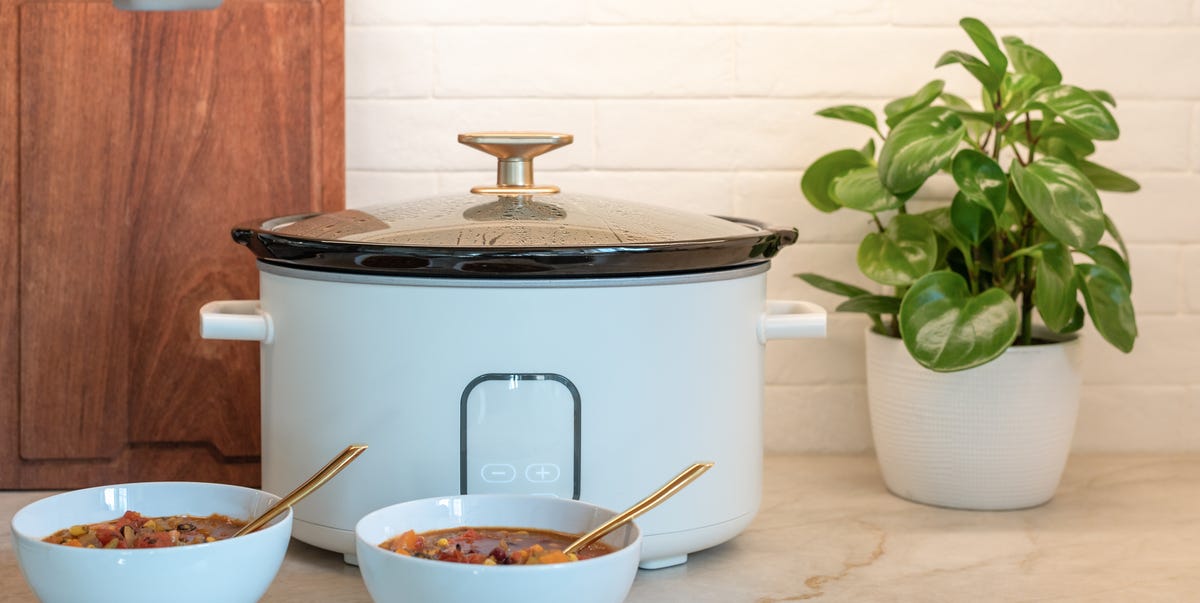
The slow cooker is the kitchen’s most patient appliance. It does not shout, it does not flash dramatic flames, and it does not judge you for wearing pajama pants while making dinner at 8 a.m. You add ingredients, press a button, leave, and return to a house that smells like someone responsible lives there. Beautiful.
But here is the catch: slow cookers are simple, not magical. They can turn tough cuts into tender dinners, make soups taste like they had a long emotional journey, and save you from last-minute takeout. Yet a few common slow cooker mistakes can leave you with dry chicken, watery stew, mushy vegetables, bland meat, ormost importantlyfood that may not be as safe as you think.
If your slow cooker meals have ever tasted “fine, I guess,” this guide is your friendly intervention. Below are the seven things you may be doing wrong with your slow cooker, plus practical fixes that make dinner safer, tastier, and far less mysterious.
1. You’re Putting Frozen Meat Straight Into the Slow Cooker
It sounds convenient: grab frozen chicken, drop it into the slow cooker, add sauce, and let time do the heavy lifting. Unfortunately, this is one shortcut that deserves to be retired. Slow cookers heat food gradually, and frozen meat can spend too long warming through before it reaches a safe cooking temperature.
The problem is not just whether the meat eventually gets hot. The bigger issue is how long the center of that meat stays in the temperature range where bacteria can multiply quickly. A frozen roast, frozen chicken breast, or dense block of ground meat may thaw unevenly while the outer portions heat first and the center lags behind like it missed the dinner bus.
What to do instead
Thaw meat or poultry safely before it goes into the slow cooker. The refrigerator is the best low-drama option because it keeps food cold while it defrosts. If you thaw using cold water or a microwave, cook the food immediately afterward. For large roasts or pork shoulders, plan ahead. Your future self will thank you, probably while holding a fork.
Also, cut large pieces of meat into smaller chunks when the recipe allows. Smaller pieces heat more evenly and cook more reliably. This is especially useful for beef stew, pulled chicken, chili, pot roast-style recipes, and slow cooker soups with meat.
2. You’re Filling the Slow Cooker Too Muchor Too Little
A slow cooker is a bit like an elevator: it works best when it is not stuffed beyond reason. Overfilling can prevent food from cooking evenly, create spillovers, and leave ingredients sitting in liquid instead of gently braising. Underfilling is not ideal either because food may cook too fast, dry out, or scorch around the edges.
Most slow cooker recipes work best when the crock is about half to two-thirds full. Some models allow slightly more, so your owner’s manual gets the final vote. Yes, that little booklet hiding in the junk drawer has been waiting for its hero moment.
What to do instead
Match the recipe to the size of your slow cooker. A small dip may not belong in a giant 8-quart cooker unless you use an insert designed for smaller portions. A huge batch of chili should not be crammed into a tiny crock like it is trying to win a suitcase-packing contest.
For best results, leave enough room for steam and heat circulation. If the lid is bubbling over or sauce is creeping down the outside, that is your slow cooker politely screaming. Reduce the batch size or use a larger cooker.
3. You’re Lifting the Lid Every 20 Minutes “Just to Check”
We all want to peek. The smell is good. The glass lid is foggy. The suspense is real. But lifting the lid too often is one of the most common slow cooker mistakes. Every time you open it, heat and steam escape, which slows the cooking process and can throw off recipe timing.
The slow cooker depends on a tightly covered environment. Steam builds up, moisture returns to the food, and gentle heat works steadily over time. When you keep opening the lid, you interrupt that cozy little food sauna.
What to do instead
Trust the process. If the recipe says six hours on low, do not start conducting lid inspections at hour two. Use the lid only when you need to stir, add a late ingredient, or check doneness near the end of cooking.
When meat is involved, use a food thermometer instead of guessing. Chicken and other poultry should reach 165°F. Ground meats should reach 160°F. Beef, pork, veal, and lamb steaks, roasts, and chops should reach 145°F followed by a three-minute rest. Your thermometer is not being dramatic; it is being useful.
4. You’re Adding Way Too Much Liquid
Slow cookers do not reduce liquid the way stovetop pots do. Because the lid traps steam, moisture has nowhere to go. It drips back into the food, and ingredients like vegetables and meat release their own juices as they cook. That means a recipe that looks perfectly reasonable at 8 a.m. can become a soup lake by dinner.
Too much liquid can dilute flavor, thin sauces, and make meat look pale instead of rich and appetizing. If your beef stew tastes like it had a brief conversation with seasoning but never formed a real relationship, excess liquid may be the culprit.
What to do instead
Use less liquid when converting stovetop recipes to the slow cooker. For stews, braises, and saucy meats, you often need less broth, wine, or water than you would in a Dutch oven. Soups are the exception because liquid is the point; even then, avoid filling the crock to the brim.
If your finished dish is too thin, remove the lid during the last 30 to 45 minutes and cook on high to help some moisture evaporate. You can also thicken sauces with a cornstarch slurry, mashed beans, tomato paste, or a quick reduction on the stovetop.
5. You’re Layering Ingredients in the Wrong Order
Not all ingredients cook at the same speed. Dense vegetables like carrots, potatoes, turnips, onions, winter squash, and celery need more time. Tender vegetables like zucchini, peas, spinach, broccoli, and fresh herbs can turn sad and mushy if they spend all day in the crock.
If you dump everything in randomly, you may end up with potatoes that are still firm, chicken that is done, and spinach that has emotionally left the building.
What to do instead
Place hearty root vegetables on the bottom or around the sides of the slow cooker, where heat is strongest. Put meat on top or nestled among those vegetables, depending on the recipe. Add delicate vegetables, greens, fresh herbs, pasta, seafood, and dairy near the end of cooking.
Pasta is especially fussy. If added too early, it can become soft, swollen, and strangely powerful. For best texture, cook pasta separately and stir it in before serving, or add it during the final part of cooking only when the recipe is designed for that method.
6. You’re Skipping Browning and Expecting Big Flavor Anyway
Can you put raw meat directly into a slow cooker? Often, yes. Should you always skip browning? Not if you want deeper flavor. Slow cookers are excellent at tenderness, but they do not create the high-heat browning that happens in a skillet or oven.
Browning meat before slow cooking creates richer color and a deeper savory taste. The same goes for sautéing onions, garlic, or tomato paste before adding them to the crock. This step is optional in some busy-weeknight recipes, but when flavor matters, it pays rent.
What to do instead
For pot roast, short ribs, pork shoulder, chicken thighs, chili, and stews, sear the meat in a hot skillet before adding it to the slow cooker. You do not need to cook it through; you are just building a flavorful crust. Then deglaze the pan with broth, wine, or a splash of water and pour those browned bits into the cooker. That is not burnt stuff. That is flavor confetti.
If you are short on time, choose recipes that are designed as true dump-and-go meals. But do not blame the slow cooker if an unbrowned roast tastes quieter than expected. It did its job; it just never got the flavor warm-up act.
7. You’re Using the “Warm” Setting the Wrong Way
The warm setting is not for cooking raw food. It is for keeping already-cooked food hot. This distinction matters. Raw meat, poultry, beans, casseroles, and soups need active cooking on low or high according to the recipe. Warm mode is not a secret lazy setting; it is more like a holding pattern.
Another common mistake is reheating cold leftovers in the slow cooker. Slow cookers heat gradually, so leftovers may sit too long before reaching a safe reheating temperature. That is not the kind of suspense dinner needs.
What to do instead
Cook on low or high, not warm. Once food is fully cooked and has reached a safe internal temperature, you can use warm to hold it for serving. For leftovers, reheat quickly on the stove, in the oven, or in the microwave until the food reaches 165°F. Then transfer it to a preheated slow cooker on warm or low for serving.
After the meal, do not leave food cooling in the crock for hours. Divide leftovers into shallow containers and refrigerate promptly. The slow cooker insert may look cozy, but it is not a refrigerator, and leftovers need to chill faster than a family group chat after someone mentions politics.
Bonus Slow Cooker Tips for Better Results
Choose the right cuts
Slow cookers love tough, collagen-rich cuts such as beef chuck, pork shoulder, short ribs, chicken thighs, and brisket. These cuts become tender with time. Lean cuts like chicken breast or pork loin can work, but they are easier to overcook and dry out.
Add dairy late
Milk, cream, cheese, sour cream, and yogurt can separate or curdle if cooked for hours. Stir them in near the end, usually during the final 30 to 60 minutes, depending on the recipe. For creamy soups, finish with dairy after the main ingredients are tender.
Season smartly
Long cooking can soften flavors. Add sturdy seasonings early, such as bay leaves, dried thyme, smoked paprika, cumin, chili powder, garlic, and onion. Add bright ingredients later, such as lemon juice, vinegar, fresh herbs, hot sauce, or a little extra salt. A final splash of acid can wake up a slow cooker dish faster than coffee wakes up a Monday.
Real-Life Experience: What Slow Cooking Teaches You After a Few Dinner Disasters
The first lesson a slow cooker teaches is humility. You may think dinner is handled because you placed ingredients into a machine with a lid. Then you come home to watery chicken, potatoes with the personality of river rocks, and carrots so soft they could be spread on toast. The slow cooker is forgiving, but it is not a mind reader.
One of the most useful experiences is learning that less liquid often means more flavor. Many beginners treat the slow cooker like a soup pot and pour in broth until everything is floating. Hours later, the meat has released juices, the vegetables have softened, and the sauce tastes diluted. Once you learn to start with less liquid, the results improve quickly. A pot roast needs moisture, yes, but it does not need to go swimming.
Another lesson is that timing matters even in a “set it and forget it” appliance. Chicken breasts cooked all day on low may be safe, but they can become dry and stringy. Chicken thighs, pork shoulder, and beef chuck usually handle long cooking much better. After a few meals, you start choosing ingredients based on how they behave over time, not just what is on sale.
Layering also becomes second nature. Put potatoes and carrots near the bottom, where they receive steady heat. Add tender vegetables later. Stir in fresh herbs at the end. Finish creamy dishes with dairy near serving time. These small habits make slow cooker meals taste intentional instead of accidental.
The biggest practical habit is using a thermometer. At first, it may feel unnecessary because the food cooked for hours. But time alone does not prove doneness. A thermometer removes the guesswork, especially for poultry, large roasts, and casseroles. It also prevents the opposite problem: cooking food much longer than needed because you are unsure.
You also learn which steps are worth the extra five minutes. Browning meat before slow cooking can feel annoying when you are busy, but the payoff is real. The finished dish looks better, tastes deeper, and feels less like boiled meat wearing sauce. Sautéing onions or blooming spices can also make chili, curry, and stew taste richer.
Finally, slow cooking teaches you that convenience and care can live in the same kitchen. You do not need fancy techniques, expensive tools, or chef-level confidence. You just need a few rules: thaw first, fill correctly, keep the lid on, watch the liquid, layer wisely, build flavor, and use warm mode only for food that is already cooked. Follow those, and your slow cooker becomes what it was always meant to be: the quiet countertop hero that makes dinner while you do literally anything else.
Conclusion
A slow cooker can be one of the easiest ways to make flavorful, budget-friendly meals, but only when you use it correctly. The biggest slow cooker mistakes usually come from treating it like a magic pot: adding frozen meat, overfilling it, lifting the lid too often, drowning ingredients in liquid, layering food randomly, skipping flavor-building steps, and misusing the warm setting.
The good news? Every mistake has a simple fix. Thaw meat first. Keep the crock about half to two-thirds full. Resist the urge to peek. Reduce liquid. Put sturdy vegetables near the heat. Brown meat when flavor matters. Use a food thermometer. Reheat leftovers quickly outside the slow cooker, then use the appliance to keep them warm for serving.
Master these habits, and your slow cooker will reward you with tender roasts, cozy soups, rich chili, creamy dips, and weeknight dinners that taste like you tried harder than you actually did. That, frankly, is the dream.
Note: Always follow your slow cooker manufacturer’s instructions and use a food thermometer for meat, poultry, casseroles, and leftovers. Cooking times can vary by appliance size, recipe volume, ingredient temperature, and model.