
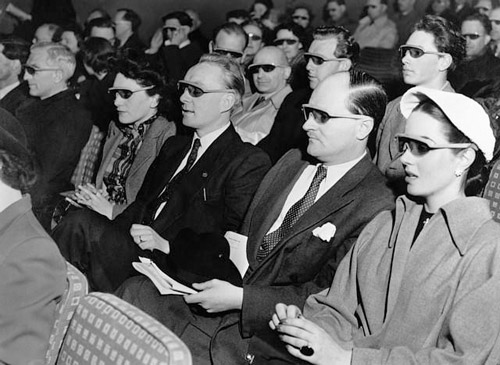
There is a tiny, magical second at the movie theater when the room seems to inhale. The previews may be rolling, the popcorn may already be half-gone, and someone two rows back may still be performing open-heart surgery on a candy wrapper. But then it happens: the lights dim. The chatter shrinks. The walls disappear. The enormous screen takes command like a polite but powerful king.
That is the moment this article celebrates: the moment when the lights dim at the movie theater. It is simple, ordinary, and somehow still thrilling. In the language of 1000 Awesome Things, it belongs to that family of everyday joys we often forget to appreciate until they sneak up on us with a bucket of buttery popcorn and a booming trailer voice.
In a world where streaming has made movies available on phones, tablets, laptops, refrigerators, and probably smart toasters by now, the movie theater still offers something different. It is not only a place to watch a film. It is a ritual. The ticket, the lobby, the smell of popcorn, the seat search, the hush, the glow, the darkness, the strangers laughing togetherthese pieces turn a movie into an event.
Why That First Dim Feels So Good
Theater lights do more than help us avoid stepping on nachos. They guide our attention. When the auditorium lights fade, they send a message without using a single word: stop scrolling, stop whispering, stop worrying about tomorrow’s emails, and look up. The outside world has had its turn. Now the story gets the room.
This is why the dimming moment feels almost ceremonial. It marks a border between ordinary life and imagination. Five minutes earlier, you were checking your seat number and wondering whether the couple beside you bought the entire concession stand. Suddenly, you are entering another universe. A desert planet, a haunted house, a glittery musical number, a courtroom, a spaceship, a suburban kitchen where somebody is about to reveal a family secretanything is possible once the lights fade.
The original “1000 Awesome Things” idea captures that joy beautifully: the best little moments are not always grand achievements. Sometimes awesome is simply the instant the room goes quiet and everyone agrees, without voting, to disappear into the same dream.
The Movie Theater Is a Time Machine With Cupholders
Moviegoing has been part of American entertainment culture for more than a century. Early nickelodeons offered short films for a nickel, while later movie palaces turned cinema into a glamorous night out. Over time, theaters changed from storefront amusements to ornate palaces, then multiplexes, then premium-format venues with recliners, laser projection, and sound systems strong enough to make a dinosaur footstep feel personally addressed to your rib cage.
Yet the core experience remains surprisingly familiar. People still gather in a dark room to watch light move across a screen. That sounds almost too simple to survive in the age of streaming, but it does survive because the theater adds layers that home viewing struggles to recreate. At home, the movie competes with laundry, text messages, pets, doorbells, snacks that require actual cooking, and the dangerous temptation to pause “for just one second.” At the theater, the film gets protected space.
That protected space matters. It is difficult to feel transported by a story when you are also wondering whether the washing machine has finished its spin cycle. The theater says, “Not now. We are busy being emotionally manipulated by violins.” And honestly, thank you, theater.
The Psychology of the Lights Going Down
Movies work best when we surrender our attention. Researchers often describe this as immersion or narrative transportationthe feeling of being mentally pulled into a story. When a film captures us, we stop merely watching characters and begin caring about them. We flinch, laugh, hope, worry, and occasionally whisper, “Do not go into that basement,” even though the character has never once taken our advice.
The dimming of the lights helps that process begin. Darkness reduces distractions. The screen becomes brighter by contrast. The audience becomes less visible, which is socially convenient if you are about to cry at an animated raccoon or gasp at a plot twist like you personally discovered electricity.
It also creates a sense of permission. In a bright room, we remain ourselves: adults with errands, students with assignments, parents remembering they forgot to buy paper towels. In a dark theater, we become viewers. The social rules shift. We can laugh loudly, jump at scares, or sit in complete silence beside strangers who are doing the same thing. The lights dim, and suddenly it is acceptable to care very deeply about a fictional wizard, race car, detective, doll, superhero, or chef rat.
Shared Silence Is the Secret Ingredient
One of the strangest things about movie theaters is that they are social places built around not talking. You go with friends, family, dates, or by yourself, then sit quietly in the dark with a crowd of people you may never see again. This sounds awkward on paper. In practice, it can be wonderful.
The audience gives the movie a pulse. A comedy feels bigger when laughter rolls through the room. A horror film becomes more deliciously unbearable when everyone senses the jump scare approaching and collectively decides not to breathe. A drama becomes heavier when the silence after a heartbreaking scene is so complete you can hear one popcorn kernel surrender to gravity.
That shared reaction is nearly impossible to duplicate alone at home. Yes, your couch is comfortable. Yes, your blanket is elite. Yes, nobody charges you twelve dollars for a soda the size of a toddler. But the living room rarely gives you that communal spark: the gasp, the cheer, the sniffle, the laugh that starts with one person and spreads like emotional popcorn butter.
Why Modern Theaters Are Still Betting on the Big Screen
Streaming has changed how people watch movies, and theaters know it. Many viewers now wait for films to arrive at home because it is convenient and often cheaper. But instead of surrendering, theater chains have leaned into what makes going out special: bigger screens, better sound, recliner seating, premium formats, upgraded concessions, and more immersive presentation.
That investment makes sense because the theater is not trying to be your living room. It is trying to be the place your living room cannot be. Dolby Cinema, IMAX, laser projection, premium large formats, motion seats, and improved sound systems all point toward the same promise: when you leave the house, the experience should feel worth the shoes.
The dimming lights are the doorway to that promise. They tell the audience that the expensive technology, the carefully mixed sound, the enormous screen, and the filmmaker’s choices are about to meet in one shared space. The moment may be small, but it is the switch that activates the whole machine.
Popcorn, Previews, and the Beautiful Chaos Before the Hush
Part of what makes the lights-dim moment so satisfying is the chaos that comes before it. The pre-show atmosphere is a tiny society under mild stress. People are negotiating seats. Someone is climbing over knees with the balance of an Olympic gymnast and the confidence of a baby deer. A parent is distributing snacks like a battlefield commander. A teenager is trying to take a photo of the screen without looking like they are taking a photo of the screen.
Then there are the previews. Movie trailers are their own miniature roller coasters. One minute you are watching a romantic comedy about two people who hate each other but own suspiciously charming apartments. The next, a meteor is destroying Manhattan. Then a superhero lands, a dog looks inspirational, and a deep voice says, “This summer, everything changes.” Does everything change? Probably not. Will we watch? Absolutely.
During all this, the auditorium is still partly connected to the outside world. People are settling in. Phones glow. Conversations linger. But when the lights drop lower, the room transforms. The crowd becomes an audience. The movie theater becomes a cave of attention. Even the popcorn sounds more dramatic.
The Lights Dim, and Your Brain Knows What to Do
Humans love transitions. We like doorways, countdowns, opening notes, curtain rises, and the first page of a book. The dimming lights function like all of those at once. They prepare the mind for a shift in focus.
At home, movies often begin messily. You press play, then pause because someone forgot water. Press play again, then adjust the volume. Pause again because the subtitles are wrong. Press play again, then someone says, “Wait, who is that actor?” and now everyone is on the internet reading a biography instead of watching the movie. The theater removes most of these little leaks in attention.
When the lights dim, there is no remote control. No casual pausing. No switching tabs. The film moves forward, and you move with it. That can feel strangely freeing. For two hours, you are relieved of the burden of controlling everything. You simply sit, watch, and let the story carry you.
A Tiny Act of Public Trust
The movie theater also depends on trust. Everyone in the room has paid to enter the same temporary agreement: we will sit together, remain mostly quiet, and let the story happen. This agreement is fragile, of course. One bright phone screen can become a lighthouse of irritation. One loud conversation can make an entire row develop telepathic rage. One crunchy snack can sound like construction equipment during a whisper scene.
But most of the time, the agreement holds. That is part of the wonder. A room full of strangers becomes coordinated by nothing more than darkness, sound, and a glowing screen. The dimming lights are the handshake. They say: we are in this together now.
Why the Moment Still Matters in the Streaming Era
Streaming is not the enemy of movies. It has made films more accessible and helped people discover stories they might never have found at a multiplex. But convenience and magic are not the same thing. A movie at home can be cozy, flexible, and perfect for weeknights. A movie at the theater can be memorable because it asks for commitment.
You choose a showtime. You travel there. You buy the ticket. You enter the room before the story begins. The lights dim, and the decision becomes physical: you are here. That kind of presence is rare. In a culture of constant notifications and half-attention, the theater offers a radical little luxury: one screen, one story, one shared block of time.
That is why the lights-dim moment still feels awesome. It is not just a lighting cue. It is an invitation to stop multitasking and become fully available to wonder.
Specific Examples of the Lights-Dim Magic
The Big Blockbuster
For a superhero movie, space epic, or dinosaur-sized adventure, the dimming lights feel like ignition. The room tightens with expectation. The first studio logo appears, and someone in the back whispers, “Here we go.” The screen seems too large for ordinary life, which is exactly the point. These movies are built for scale, and the theater gives them room to stretch their legs, throw planets around, and make your soda vibrate.
The Horror Movie
For horror, darkness becomes part of the cast. The lights dim, and the corners of the auditorium seem to develop opinions. Every cough becomes suspicious. Every quiet scene becomes a trap. When the scare finally arrives, the audience jumps together, then laughs together because shared terror is more fun when nobody admits they nearly launched their popcorn into orbit.
The Animated Family Movie
For a family film, the dimming lights create a pocket of collective excitement. Children stop wiggling for approximately eleven seconds, which is a miracle worthy of its own award. Parents relax into the seat. Grandparents smile before the first joke lands. The theater becomes a cross-generational living room, only larger and stickier.
The Quiet Drama
For a small, emotional film, the dimming lights create intimacy. The screen may show ordinary people in ordinary rooms, but the theater makes their silence enormous. A glance, a sigh, a pause before someone speaksthese details become powerful when the room is dark enough to notice them.
Experiences Related to the Moment When the Lights Dim
The best movie theater memories often begin before the movie itself. You remember racing to make the showtime because someone insisted there was “plenty of time,” which in movie math means you will arrive during the final trailer while holding nachos at a dangerous angle. You remember walking into the auditorium and scanning the seats like a general studying a battlefield. Too close and your neck becomes a question mark. Too far to the side and everyone on screen looks like they are leaning away from your life choices. But then you find the right spot, settle in, and wait for the room to change.
There is also the sacred snack ritual. Popcorn at home is food. Popcorn at the movies is architecture. It comes in a bucket large enough to store winter clothing, shines with suspicious golden confidence, and somehow tastes better in the dark. You tell yourself you will pace it. You will not finish it before the movie starts. Then the trailers begin and your hand becomes an independent machine with no respect for strategy.
When the lights dim, all these little rituals fuse into one experience. The friend beside you stops explaining the plot of the sequel you forgot to rewatch. The child in front lowers the glowing wand of a phone. The couple on the aisle finishes debating whether they are in row F or row E, even though the letters are right there, living their truth. The entire room seems to exhale. For a second, you can feel hundreds of private lives pause at the same time.
That pause is powerful because everyone arrives carrying something. Maybe you came after a long workday. Maybe you came on a first date and are pretending to be relaxed while your brain performs weather alerts. Maybe you came alone because you love movies and refuse to wait for other people’s schedules to align with your joy. Maybe you came with family, and the simple act of sitting together in the dark feels easier than trying to talk over dinner.
Then the lights fade, and nobody needs to explain themselves. The movie does the talking. A score begins. A logo appears. The screen opens into a world with rules different from yours. For a while, bills, deadlines, laundry, awkward texts, and the mysterious ache in your left shoulder all move to the back row. They are still there, probably eating your popcorn, but they are quieter.
Some of the best experiences happen when the audience reacts as one. A packed theater laughing at the same joke can make an average comedy feel like a national holiday. A shocking twist can produce a wave of gasps that rolls from the front row to the back. A musical number can make people sit up straighter, as if joy has entered the room wearing tap shoes. Even silence can become communal. After a moving final scene, a quiet theater can feel more respectful than applause.
And then, when the film ends and the lights slowly rise, the spell breaks gently. People blink like travelers returning from a strange country. Strangers become strangers again. Friends start talking all at once. Someone says, “Wait, what did the ending mean?” Someone else says, “I knew it,” although they absolutely did not. The floor is a popcorn disaster zone, the credits are still rolling, and the real world is waiting outside the auditorium doors.
But for one beautiful stretch of time, beginning with that dimming of the lights, everyone went somewhere together. That is why the moment matters. It is the smallest beginning of a big escape. It is ordinary magic with assigned seating. It is, without overcomplicating things, awesome.
Conclusion
The moment when the lights dim at the movie theater is more than a practical cue. It is a signal that daily life can step aside and imagination can take the best seat in the house. It transforms a crowd into an audience, a screen into a portal, and a simple night out into a memory.
Even as streaming reshapes entertainment, the movie theater keeps one unbeatable advantage: it makes watching feel like participating. The lights dim, the room hushes, the screen glows, and suddenly everyone belongs to the same story. That tiny transition is why moviegoing still feels special, why the big screen still pulls us in, and why this everyday moment deserves its place among truly awesome things.












