
Heart disease has a talent for stealing the spotlight in the worst possible way. It remains one of the biggest health concerns in the United States, and while most people already know the usual adviceeat more vegetables, move your body, stop smoking, and do not treat bacon as a love languagenutrition research keeps revealing smaller pieces of the heart-health puzzle. One of those pieces is choline, an essential nutrient that many people have heard of only because egg yolks keep showing up in the conversation.
Recent research suggests that a moderate intake of choline may help reduce the risk of heart disease, especially atherosclerotic cardiovascular disease, often shortened to ASCVD. That sounds promising, but this is not a “run to the supplement aisle and buy the biggest bottle” situation. The real message is more balanced: choline is important, food sources matter, and more is not automatically better.
Think of choline like a helpful coworker. You want enough of it on the team, but you do not want it barging into every meeting with a megaphone. Your body needs choline for cell membranes, liver function, brain signaling, fat transport, and methylation, a biochemical process involved in many systems. The heart-health angle is especially interesting because choline may influence inflammation, homocysteine metabolism, blood pressure, stroke risk, and possibly the gut-derived compound TMAO.
What Is Choline, and Why Does the Body Need It?
Choline is an essential nutrient, meaning the body needs it to function properly. The liver can make a small amount, but not enough for most people, so food must fill the gap. Choline helps build phospholipids, which are major structural parts of cell membranes. In plain English, it helps keep your cells from acting like poorly packed grocery bags.
Choline is also used to make acetylcholine, a neurotransmitter involved in memory, muscle movement, and nervous system function. It supports liver health by helping move fats out of the liver, and it contributes methyl groups used in metabolism. That methylation role is one reason researchers pay attention to choline in relation to heart disease.
The Heart Disease Connection: Why Moderate Choline Intake Is Getting Attention
A 2024 analysis of U.S. adult data from the National Health and Nutrition Examination Survey found an inverse association between dietary choline intake and atherosclerotic cardiovascular disease. In simpler terms, people with certain moderate levels of choline intake appeared to have lower odds of some cardiovascular outcomes, including stroke and overall ASCVD, after researchers adjusted for several factors.
However, the study was observational and cross-sectional. That means it can show an association, but it cannot prove that choline directly prevents heart disease. People who consume more choline from balanced diets may also have other heart-friendly habits, such as eating more protein-rich whole foods, being more active, smoking less, or having better access to nutritious meals.
The most important word here is moderate. Some research suggests a nonlinear pattern, meaning benefits may appear around a middle range rather than at very high intakes. That matters because choline is not a magic shield. Like many nutrients, it works best as part of a healthy dietary pattern, not as a solo superhero in a supplement cape.
How Choline Might Support Cardiovascular Health
1. It May Help Regulate Homocysteine
Homocysteine is an amino acid found in the blood. High levels have been associated with a higher risk of cardiovascular disease. Choline, along with nutrients such as folate and vitamin B12, helps convert homocysteine into other useful compounds. When this process works well, homocysteine levels may be better controlled.
This does not mean choline alone fixes heart risk. It means choline belongs to a network of nutrients that support normal metabolism. A heart-healthy plate still needs vegetables, fruits, beans, whole grains, fish, nuts, seeds, and healthy fats. Choline joins the band; it does not replace the band.
2. It Supports Healthy Cell Membranes
Every cell in the body needs strong, flexible membranes. Choline is needed to make phosphatidylcholine and sphingomyelin, two important phospholipids in cell membranes. Since blood vessels, liver cells, muscle cells, and nerve cells all depend on good membrane structure, adequate choline intake supports basic cardiovascular and metabolic health at the cellular level.
3. It May Influence Stroke Risk
Some studies have observed links between higher choline intake and lower stroke risk, although findings are not always consistent. Stroke risk is shaped by many factors, including blood pressure, cholesterol, diabetes, smoking, weight, physical activity, and genetics. Choline may be one piece of that story, especially through its role in methylation and homocysteine metabolism.
4. It Interacts With Gut Bacteria
Here is where the plot thickens. Gut bacteria can convert choline into trimethylamine, which the liver can turn into trimethylamine-N-oxide, better known as TMAO. Higher blood levels of TMAO have been associated in some research with increased cardiovascular risk. This is why choline research can look confusing: some evidence suggests potential heart benefits, while other evidence raises questions about high intake, supplements, gut bacteria, and TMAO production.
The takeaway is not “avoid choline.” The body needs choline. The better takeaway is “get choline from balanced food sources, avoid unnecessary high-dose supplements, and focus on the whole diet.” In nutrition, context is the boss.
How Much Choline Do Adults Need?
Current adequate intake levels for choline are commonly listed as about 550 milligrams per day for adult men and 425 milligrams per day for adult women. Needs are higher during pregnancy and lactation. These values are not the same as a recommended dietary allowance because there has not been enough evidence to set a precise RDA for choline.
Many adults may not consistently reach adequate intake levels. That does not mean everyone needs a supplement. It means it is worth paying attention to food choices. A few smart additions during the week can raise choline intake without turning meals into a spreadsheet project.
Best Food Sources of Choline
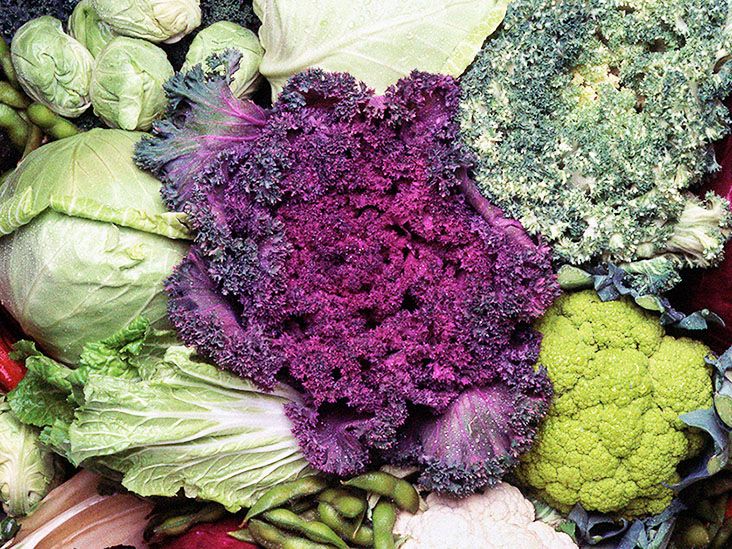
Choline is found in both animal and plant foods, although animal-based foods tend to be richer sources. Eggs are famous for choline because the yolk contains a meaningful amount. Other sources include fish, poultry, lean meat, dairy products, soybeans, kidney beans, Brussels sprouts, broccoli, cauliflower, nuts, seeds, and whole grains.
For people following a mostly plant-based diet, choline still exists on the menu, but planning matters more. Soy foods, beans, cruciferous vegetables, quinoa, peanuts, and wheat germ can help. The trick is variety. A lonely broccoli floret cannot carry your entire nutrition plan on its tiny green shoulders.
Choline-Rich Meal Ideas
A heart-conscious breakfast could include one egg with sautéed spinach, tomatoes, and whole-grain toast. Lunch might be a salmon and white bean salad with olive oil vinaigrette. Dinner could feature roasted chicken or tofu with quinoa and Brussels sprouts. For snacks, try Greek yogurt, edamame, roasted chickpeas, or a small handful of nuts.
Notice the pattern: choline appears inside a broader heart-healthy meal. The goal is not to chase one nutrient. The goal is to build meals that also support healthy cholesterol, blood pressure, blood sugar, weight, and inflammation levels.
Eggs, Choline, and Heart Disease: Friend, Foe, or Breakfast Drama?
Eggs are probably the most debated choline-rich food. For decades, eggs were viewed suspiciously because of their cholesterol content. Later research showed that dietary cholesterol does not affect blood cholesterol the same way in every person, and saturated fat intake often matters more for LDL cholesterol than cholesterol from foods alone.
For many healthy adults, moderate egg intake can fit into a heart-healthy eating pattern, especially when eggs are paired with vegetables, whole grains, and unsaturated fats. The problem is rarely the egg sitting politely on the plate. The problem is the egg’s rowdy friends: bacon, sausage, butter-heavy toast, deep-fried potatoes, and enough salt to make your blood pressure file a complaint.
If someone has high LDL cholesterol, diabetes, established heart disease, or a family history of cholesterol disorders, egg intake should be personalized with guidance from a healthcare professional or registered dietitian. Nutrition is not one-size-fits-all; it is more like jeans shoppingwhat works beautifully for one person may be uncomfortable for another.
Why “More Choline” Is Not Always Better
Choline is essential, but very high intakes can cause side effects such as fishy body odor, sweating, nausea, low blood pressure, and possible liver concerns. Very high intake may also raise TMAO levels in some circumstances, especially from certain supplement forms or in people with specific gut microbiome patterns.
This is why food-first strategies make sense for most people. Food provides choline in a package with protein, vitamins, minerals, fiber, healthy fats, or other nutrients. Supplements can be useful in certain cases, such as pregnancy planning or medically identified low intake, but they should not be taken casually at high doses for “heart protection.” Your heart deserves better than a guess.
Choline Works Best With a Heart-Healthy Lifestyle
Heart disease risk is shaped by a combination of factors. Some, like age and family history, cannot be changed. Others can. High blood pressure, high cholesterol, smoking, diabetes, obesity, unhealthy diet, physical inactivity, and excessive alcohol intake are major contributors to heart disease risk.
A heart-healthy diet emphasizes vegetables, fruits, whole grains, legumes, nuts, seeds, fish, lean proteins, and unsaturated fats. It limits sodium, added sugars, refined carbohydrates, processed meats, trans fats, and excess saturated fats. Choline-rich foods can fit beautifully into this pattern when chosen wisely.
A Practical Heart-Healthy Choline Plate
Try building your meals around this simple formula: half the plate vegetables or fruit, one quarter whole grains or starchy vegetables, and one quarter protein. Add a small amount of healthy fat, such as olive oil, avocado, nuts, or seeds. Then include choline-rich foods throughout the week, such as eggs, fish, chicken, soybeans, beans, broccoli, and Brussels sprouts.
For example, a “choline-aware” day might look like oatmeal with peanut butter and berries for breakfast, a chickpea and quinoa bowl for lunch, and baked salmon with roasted broccoli for dinner. Another day could include a vegetable omelet, lentil soup, and tofu stir-fry. No drama, no extreme restriction, no mysterious powder with a label promising to “unlock your mitochondria by Friday.”
Who Should Pay Extra Attention to Choline?
Some groups may need to be especially mindful of choline intake. Pregnant and breastfeeding people have higher needs because choline supports fetal and infant brain development. People who eat very restrictive diets may also need to plan carefully. Those with liver conditions, genetic variations affecting choline metabolism, or limited food variety may benefit from professional nutrition advice.
People at high risk for heart disease should not focus on choline alone. Instead, they should work with healthcare professionals to manage blood pressure, cholesterol, blood sugar, body weight, sleep, physical activity, and medications when needed. Choline may be helpful, but it is not a replacement for proven cardiovascular prevention strategies.
What the Research Does and Does Not Say
The most responsible interpretation is this: moderate choline intake may be associated with lower heart disease risk, but more research is needed to confirm cause and effect. Current evidence does not support mega-dosing choline supplements to prevent cardiovascular disease. It does support eating a balanced diet that includes enough choline from nutritious foods.
Researchers still need to answer several questions. What is the ideal choline range for different groups? How do sex, age, genetics, kidney function, gut bacteria, and dietary patterns affect choline’s impact? Are food sources safer or more beneficial than supplements? How does choline interact with folate, vitamin B12, betaine, and overall protein intake? These are not tiny details; they are the difference between smart nutrition and oversimplified advice.
Experience-Based Section: Living With Choline Awareness in a Heart-Healthy Routine
One of the easiest ways to understand choline is to stop treating it like a laboratory word and start seeing how it shows up in normal meals. Imagine someone trying to improve heart health after a routine checkup shows borderline cholesterol and slightly high blood pressure. The first instinct might be to panic-search “best heart supplement” at midnight. But a more useful approach starts in the kitchen, not in the supplement aisle.
In real life, moderate choline intake can be built quietly into meals. A person might begin with breakfast. Instead of skipping breakfast or grabbing a sugary pastry, they make a veggie scramble with one egg, mushrooms, spinach, and tomatoes. The egg contributes choline, while the vegetables add potassium, fiber, antioxidants, and volume. The meal feels satisfying but not heavy. It is not a “diet meal” that tastes like punishment served on a plate.
At lunch, they might choose a bean-and-quinoa bowl with roasted broccoli, olive oil, lemon, herbs, and a small portion of grilled chicken or tofu. This kind of meal supports choline intake while also improving overall diet quality. The beans and whole grains provide fiber, which helps support cholesterol management. The olive oil adds unsaturated fat. The herbs make it taste like someone cared.
Dinner could be baked fish with Brussels sprouts and brown rice, or a tofu stir-fry with edamame and mixed vegetables. Over time, this person is not counting every milligram of choline. They are creating a pattern. That is the real win. Heart health improves through repeated ordinary choices, not one heroic salad eaten while glaring at a treadmill.
Another experience many people have is confusion about eggs. One friend says eggs are perfect. Another says eggs are dangerous. A headline says one thing on Monday and the opposite by Thursday. The balanced approach is to consider the whole plate and personal health history. For many adults, an egg can be part of a heart-conscious meal. But if the egg is always paired with processed meats, fried potatoes, and salty sauces, the total meal may work against heart goals.
People who switch from extreme thinking to moderate planning often find the process easier. They stop asking, “Is choline good or bad?” and start asking, “How can I get enough choline from foods that also support my heart?” That question leads to better answers: eggs with vegetables, fish with whole grains, soybeans in salads, beans in soups, and cruciferous vegetables as regular side dishes.
There is also a psychological benefit. Heart disease prevention can feel overwhelming because it involves numbersblood pressure, LDL cholesterol, triglycerides, A1C, body weight, waist size, steps, calories, sodium, and more. Choline awareness should not become another stressful number. Instead, it can be a gentle reminder to eat more nutrient-dense foods and fewer ultra-processed meals.
The most sustainable experience is not perfection. It is rhythm. A heart-healthy routine might include meal planning on Sunday, keeping boiled eggs or edamame ready for quick snacks, choosing fish twice a week, adding beans to soups, and filling the freezer with vegetables for busy nights. These habits are not flashy, but they are powerful. Your arteries do not need a viral challenge; they need consistency.
Conclusion
Choline is an essential nutrient with a fascinating and sometimes complicated relationship to heart health. Moderate intake may help reduce the risk of heart disease, especially when choline comes from balanced, nutrient-rich foods. The best strategy is not to overdo supplements or obsess over one nutrient. Instead, aim for a heart-healthy dietary pattern that includes choline-rich foods such as eggs, fish, poultry, soybeans, beans, broccoli, Brussels sprouts, nuts, seeds, and whole grains.
The science is still evolving, but the practical advice is refreshingly sensible: eat real food, keep portions reasonable, vary your protein sources, watch sodium and saturated fat, stay active, and work with a healthcare professional if you have heart disease risk factors. Choline may be one helpful piece of the puzzle, but the full picture is built from everyday habits.












