A hanging storage organizer is one of those home upgrades that looks almost too simple to matteruntil you use one and suddenly discover that your closet floor has been secretly auditioning for a disaster movie. Shoes stop hiding under sweaters. Scarves quit forming mysterious knots. Handbags no longer collapse into a sad pile of leather, canvas, and regret. In short, a hanging organizer gives unused vertical space a real job.
Whether you live in a studio apartment, a busy family home, a dorm room, or a house where every closet seems to shrink the moment you buy new towels, hanging storage can help you create order without remodeling, drilling into every wall, or spending a weekend arguing with a complicated instruction manual. The best part is flexibility. A hanging closet organizer can hold clothes, shoes, accessories, toys, linens, office supplies, craft materials, baby items, cleaning tools, or the random “I’ll deal with this later” objects that tend to multiply after midnight.
This guide explains what a hanging storage organizer is, how to choose one, where to use it, and how to make it work beautifully in real lifenot just in those perfect catalog photos where nobody owns phone chargers, laundry, or a single mismatched sock.
What Is a Hanging Storage Organizer?
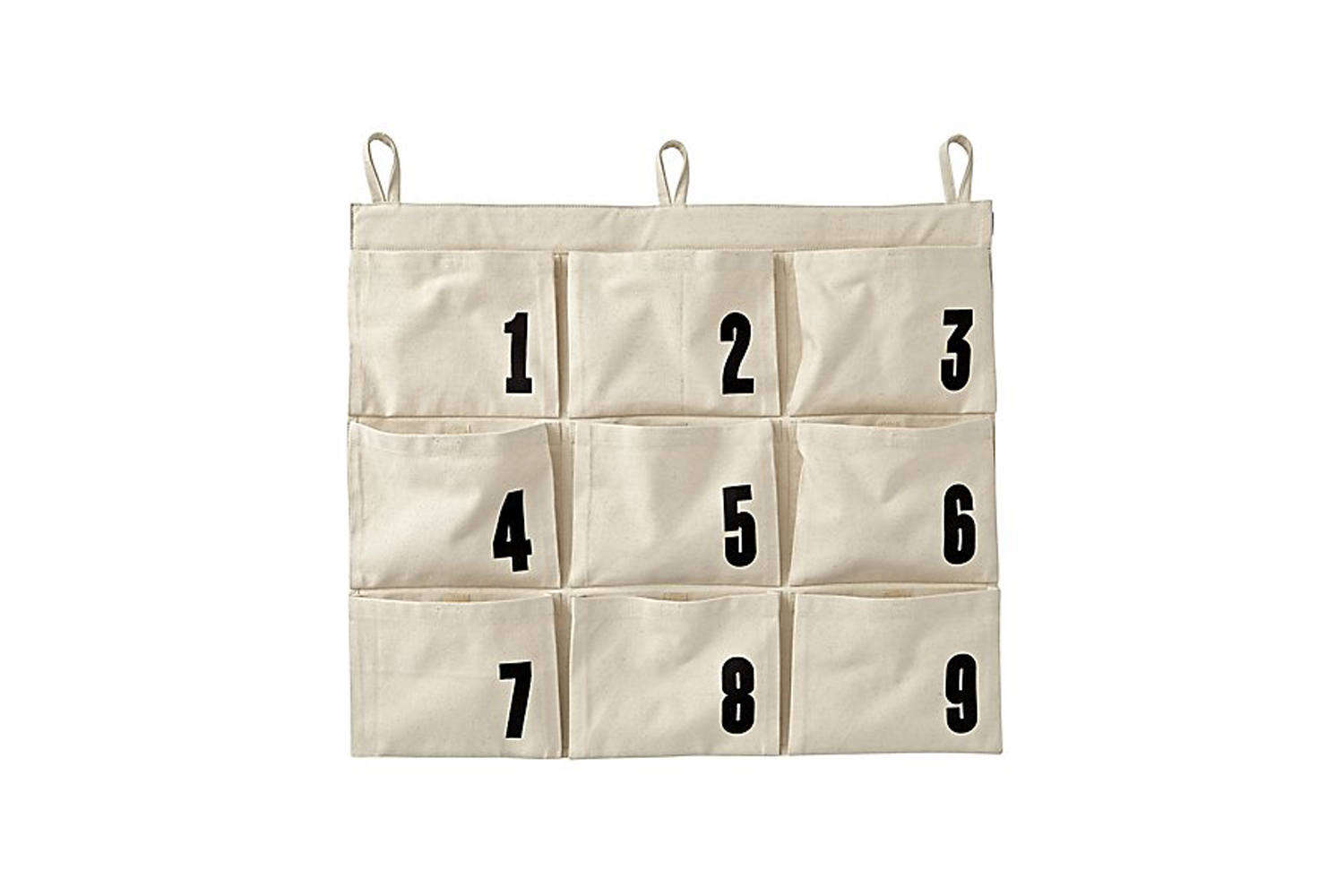
A hanging storage organizer is a vertical storage solution designed to hang from a closet rod, door, wall hook, garment rack, or mounted rail. Instead of taking up floor space, it turns open air into shelves, pockets, cubbies, or compartments. Think of it as a tiny apartment building for your belongings: everyone gets a room, rent is reasonable, and nobody has to sleep on the floor.
Common styles include hanging shelf organizers, over-the-door pocket organizers, hanging shoe racks, handbag organizers, accessory organizers, and multi-compartment closet systems. Some are made of fabric, canvas, mesh, plastic, metal, or wood-reinforced materials. Others include drawers, clear pockets, zipper covers, labels, or collapsible designs for easy storage when not in use.
Why Hanging Organizers Work So Well
The magic of a hanging storage organizer is not magic at allit is smart space planning. Most closets have unused vertical space between the rod and the floor, behind the door, above shorter hanging clothes, or along a blank wall. A hanging organizer captures that space and gives it structure.
They Maximize Vertical Space
Many homes do not lack space as much as they lack usable space. A closet may technically have room, but if everything is stacked in one wobbly pile, that space becomes useless. Hanging organizers divide vertical areas into smaller sections so folded jeans, sweaters, shoes, bags, and accessories can be stored in a way that is visible and reachable.
They Reduce Visual Clutter
Clutter is not just about having too many things. It is also about things not having a clear home. A hanging storage organizer creates zones, and zones make a room look calmer. When belts are in one pocket, shoes are in one column, and sweaters are stacked in cubbies, your closet stops shouting at you every morning.
They Are Budget-Friendly
Compared with custom closet systems, built-in cabinetry, or full wardrobe renovations, hanging organizers are usually affordable and easy to install. Many simply attach with hooks, Velcro straps, or reinforced loops. For renters, students, and anyone who prefers not to make permanent changes, that is a beautiful thing.
They Are Flexible
Your storage needs change. Winter sweaters arrive. Kids grow. Hobbies appear. Shoes reproduce. A hanging organizer can be moved, folded, repurposed, or replaced without turning your home into a construction zone.
Best Places to Use a Hanging Storage Organizer
Bedroom Closets
The bedroom closet is the classic home for hanging storage. Use shelf-style organizers for sweaters, jeans, leggings, T-shirts, pajamas, workout clothes, or small bags. If your closet has more hanging rod space than shelving, this is one of the fastest ways to create folded storage.
Entryways and Coat Closets
An over-the-door hanging organizer can turn an entry closet into a landing zone for hats, gloves, umbrellas, dog leashes, reusable shopping bags, sunglasses, and sunscreen. It is especially helpful for families because every person can have a pocket or section. No more archaeological digs for one mitten.
Bathrooms
In a bathroom, a hanging organizer can store hair tools, brushes, skincare products, washcloths, backup toiletries, and cleaning sprays. Choose moisture-resistant materials such as mesh, plastic, or coated fabric, and avoid overloading pockets with heavy bottles.
Laundry Rooms
Use a hanging organizer for dryer sheets, stain removers, lint rollers, clothespins, mesh wash bags, and cleaning cloths. A small hanging unit can make a laundry room feel less like a utility corner and more like a command center.
Kids’ Rooms
Children benefit from visible, simple storage. A hanging organizer can hold small toys, socks, school uniforms, art supplies, stuffed animals, or daily outfits. Lower pockets are great for items children can access independently, which may reduce the morning chorus of “Where is my other shoe?”
Pantries and Kitchens
Over-the-door organizers can work well in pantries for snack packs, seasoning envelopes, wraps, napkins, reusable bags, and lightweight kitchen tools. Clear pockets make it easier to see what you already have, which can help prevent buying the fourth box of sandwich bags because the first three were hiding.
Home Offices and Craft Rooms
Hanging pocket organizers are excellent for notebooks, cables, envelopes, markers, scissors, thread, yarn, patterns, and small project supplies. For creative people, the key is visibility. If you cannot see the glue sticks, they have basically moved to another dimension.
Types of Hanging Storage Organizers
Hanging Shelf Organizers
These usually hang from a closet rod and include open cubbies. They are ideal for folded clothes, shoes, handbags, hats, and bins. Look for reinforced shelves if you plan to store heavier items like denim or sweaters.
Over-the-Door Organizers
These hang over a door and often include pockets or racks. They are perfect for shoes, toiletries, accessories, pantry goods, and cleaning supplies. Before buying one, measure the door thickness and check whether the hooks will allow the door to close properly.
Hanging Shoe Organizers
Shoe organizers may hang from a rod or over a door. Pocket styles are good for flats, sandals, kids’ shoes, and lightweight sneakers. Shelf-style versions are better for bulkier shoes. Boots usually need more vertical space or a separate boot rack.
Handbag Organizers
Handbags lose shape when they are piled together. Hanging handbag organizers keep purses upright, visible, and less likely to become a crushed handbag pancake. Clear or open compartments are especially helpful if you rotate bags often.
Accessory Organizers
These are designed for scarves, ties, belts, jewelry, sunglasses, and small items. Some include loops, hooks, or clear pockets. They work best when each item is easy to remove without disturbing everything else.
Hanging Drawer Organizers
Some hanging shelves include fabric drawers. These are helpful for socks, underwear, baby clothes, workout accessories, or items you do not want visible. Drawers also make open closets look cleaner.
How to Choose the Best Hanging Storage Organizer
Measure Before You Buy
Measure the height, width, and depth of the area where the organizer will hang. For closet rod organizers, measure from the rod to the floor and from side to side. For door organizers, measure the door height, width, and thickness. Also check clearance: a bulky organizer behind a door may block the door from closing or annoy you every single day until you move it.
Match the Organizer to the Items
Do not buy a shoe organizer for sweaters or a sweater organizer for tiny craft supplies. Choose compartments that fit the shape and weight of what you own. Large cubbies work for clothing. Small pockets work for accessories. Clear pockets work for items you forget you own. Strong shelves work for denim and heavier folded pieces.
Check Weight Capacity
Weight matters. A lightweight fabric organizer may be perfect for T-shirts but not ideal for stacks of jeans, heavy handbags, or cleaning products. Look for reinforced seams, sturdy hooks, strong rods, and shelves with support panels. When in doubt, store heavier items lower to reduce strain.
Consider Visibility
If you are a visual organizer, choose open shelves, mesh pockets, or clear compartments. If visual clutter bothers you, choose fabric drawers or covered sections. The right organizer should match how your brain finds things. Storage that fights your habits will eventually become a vertical junk drawer.
Choose the Right Material
Fabric organizers are soft, lightweight, and closet-friendly. Mesh allows airflow and visibility. Clear plastic pockets are useful for shoes and accessories. Wood or metal systems can be sturdier but may cost more and require installation. For bathrooms or laundry areas, choose materials that handle humidity better.
Think About Maintenance
A good hanging storage organizer should be easy to clean. Removable drawers, wipeable pockets, and washable fabric are practical features. Dust happens. Life happens. Occasionally, snack crumbs happen in places where no snack should have been.
Smart Ways to Organize with Hanging Storage
Create Categories
Group similar items together: workout clothes in one section, jeans in another, scarves in one pocket row, sandals in another. Categories reduce decision fatigue and make it easier to maintain the system.
Use the “Prime Real Estate” Rule
Store daily-use items at eye level or within easy reach. Store seasonal, occasional, or backup items higher or lower. If you wear running clothes three times a week, do not place them in the top cubby where retrieving them feels like a tiny mountain expedition.
Label When Needed
Labels are useful for shared spaces, kids’ rooms, pantries, and linen closets. They also help future-you remember the brilliant organizing system current-you invented on a Sunday afternoon.
Do Not Overstuff
A hanging organizer should create order, not become a stuffed fabric burrito. Leave a little breathing room in each compartment. If you have to wrestle an item out, the system is too full.
Rotate Seasonally
Use hanging organizers for items you need now. Store off-season items in bins, under-bed storage, or higher shelves. This keeps everyday storage light, accessible, and less chaotic.
Common Mistakes to Avoid
Buying Before Decluttering
Organizing clutter is like putting a tuxedo on a raccoon: technically possible, but not the best use of your energy. Before buying a hanging organizer, remove items you no longer use, wear, need, or like. Then buy storage for what remains.
Ignoring Door Clearance
Over-the-door organizers can be wonderful, but only if the door still closes. Check the hook thickness, door gap, and placement. Also consider whether the organizer will bump into shelves, towel bars, or wall trim.
Using Weak Organizers for Heavy Items
Not every organizer is built for heavy loads. Too much weight can cause sagging shelves, stretched seams, or bent hooks. Store heavy items on stable shelves when possible, or choose a reinforced hanging unit.
Making Everything Too Complicated
The best storage system is one you can maintain on a tired Tuesday. If every sock needs to be folded into a swan and filed alphabetically by mood, the system will fail. Keep it simple.
Specific Examples for Different Homes
For a Small Apartment
Use a six-shelf hanging closet organizer for folded clothes and an over-the-door pocket organizer for shoes or accessories. Add slim hangers to reduce rod crowding. Keep only current-season clothing in the main closet and store off-season items under the bed.
For a Dorm Room
A hanging shelf organizer can act like a mini dresser when floor space is limited. Use drawers or bins inside the cubbies for socks, tech accessories, snacks, and toiletries. An over-the-door organizer can hold shower supplies, chargers, notebooks, and small essentials.
For a Family Entryway
Assign each family member a section of an over-the-door organizer. Use pockets for gloves, hats, sunglasses, keys, and small outdoor items. Add a lower pocket for pet leashes or waste bags. This keeps mornings smoother and reduces the “has anyone seen my…” soundtrack.
For a Nursery
Use hanging drawers or shelves for onesies, bibs, burp cloths, diapers, blankets, and tiny socks that somehow still disappear. Open cubbies make it easy to grab items with one hand, which is useful when the other hand is holding a baby, a bottle, or your last ounce of patience.
For a Craft Room
Choose clear-pocket organizers for markers, scissors, ribbon, thread, patterns, glue, and small tools. Sort by project type or material. Visibility is important because craft supplies are experts at vanishing inside opaque containers.
How to Maintain a Hanging Storage Organizer
Maintenance is where organization becomes a lifestyle instead of a one-week miracle. Spend five minutes each week returning items to their proper sections. Once a month, remove anything that does not belong. Every season, reassess what you use most often and adjust the layout.
Also, respect the organizer’s limits. If shelves sag or pockets bulge, edit the contents. A hanging storage organizer works best when it supports your routine, not when it is forced to hold every object you have owned since 2009.
Real-Life Experiences with Hanging Storage Organizers
The first time many people use a hanging storage organizer, they expect a minor improvement. What they often get is a small domestic miracle. One common experience is discovering that the closet was not actually too smallit was just badly divided. A row of hanging cubbies can turn dead air beneath shirts into a home for jeans, sweaters, pajamas, or gym clothes. Suddenly, the dresser drawer closes without a wrestling match. That alone can feel like personal growth.
In small bedrooms, hanging organizers often become the “extra dresser” nobody has room for. A renter may not be able to install shelves, and a student may not want to haul furniture up three flights of stairs. A fabric hanging organizer solves the problem in minutes. It hangs from the existing rod, creates instant compartments, and can move out as easily as it moved in. No screws, no drama, no security deposit panic.
Parents often find hanging organizers especially useful for kids’ clothing. Instead of digging through drawers, they can create weekday outfit sections: Monday in the first cubby, Tuesday in the second, and so on. This can make mornings less chaotic because the decision is already made. Children also learn where items belong, which does not guarantee they will put things away, but at least removes the classic excuse of “I didn’t know where it goes.”
In entryways, the experience is different but just as satisfying. Over-the-door organizers catch the little things that usually spread across counters: gloves, hats, keys, sunglasses, pet items, and reusable bags. When each object has a pocket, the home feels calmer. Guests may not notice the organizer, but they will notice that the entryway no longer looks like a yard sale with better lighting.
Another real advantage is visibility. Many people buy duplicates because they cannot see what they already own. Clear-pocket hanging organizers are excellent for toiletries, craft supplies, accessories, and pantry items. When sunscreen, batteries, hair ties, or seasoning packets are visible, they are less likely to be forgotten. This can save money and reduce waste over time.
Of course, hanging organizers are not perfect. Cheap versions can sag if overloaded. Deep pockets can become clutter caves if categories are not clear. Over-the-door hooks may scrape paint or prevent a door from closing smoothly. The trick is to match the organizer to the job. Lightweight pockets for lightweight items. Reinforced shelves for folded clothing. Moisture-resistant materials for bathrooms. Clear compartments for small items that like to disappear.
The best experience comes when the organizer fits naturally into daily habits. If you always drop your work bag near the closet, create a handbag section there. If your child changes clothes after school, place play clothes at kid height. If you forget accessories, hang them where you get dressed. Organization is not about creating a perfect showroom. It is about making the easiest choice also the neatest choice.
A hanging storage organizer will not fold your laundry, stop you from buying another black T-shirt, or explain why one sock always escapes. But it will give your belongings a better home. And in everyday life, that small change can make mornings faster, closets calmer, and rooms feel more spacious without knocking down a single wall.
Conclusion
A hanging storage organizer is a simple, affordable, and flexible way to create more usable space in closets, bedrooms, bathrooms, entryways, laundry rooms, pantries, and kids’ rooms. By using vertical space, dividing items into clear categories, and keeping daily essentials visible and reachable, it turns clutter into a system you can actually maintain.
The key is choosing the right organizer for the right job. Measure first, consider weight capacity, match compartments to your belongings, and avoid overstuffing. When used well, a hanging organizer does more than hold thingsit improves routines, reduces stress, and makes your home feel more intentional. That is a lot of power for something that hangs from a rod or door.