Indoor air quality sounds like something only scientists, HVAC technicians, or people with suspiciously expensive humidity meters talk about. But here is the truth: the air inside your home, office, classroom, or apartment can affect how you sleep, breathe, think, clean, cook, and feel every day. It may even explain why your “seasonal allergies” seem to have moved in permanently, taken over the guest room, and started paying no rent.
Indoor air quality, often shortened to IAQ, refers to the condition of the air inside buildings. Good indoor air is not just “air that does not smell bad.” It is air with lower levels of harmful pollutants, enough fresh-air exchange, comfortable humidity, and proper filtration. Poor indoor air quality can include dust, mold spores, pet dander, smoke, carbon monoxide, volatile organic compounds, radon, pollen, combustion gases, and fine particles from cooking or outdoor pollution.
The important part? Indoor air quality is not a luxury topic. It is a health topic, a comfort topic, and, in some cases, a safety topic. The good news is that you do not need to turn your living room into a science lab to improve it. You just need to understand the main sources of indoor air pollution and use a few practical strategies that actually work.
What Is Indoor Air Quality?
Indoor air quality describes how healthy, clean, and comfortable the air is inside a building. It is shaped by three main factors: what pollutants are being released indoors, how much outdoor air enters and exits, and how well the air is filtered or cleaned.
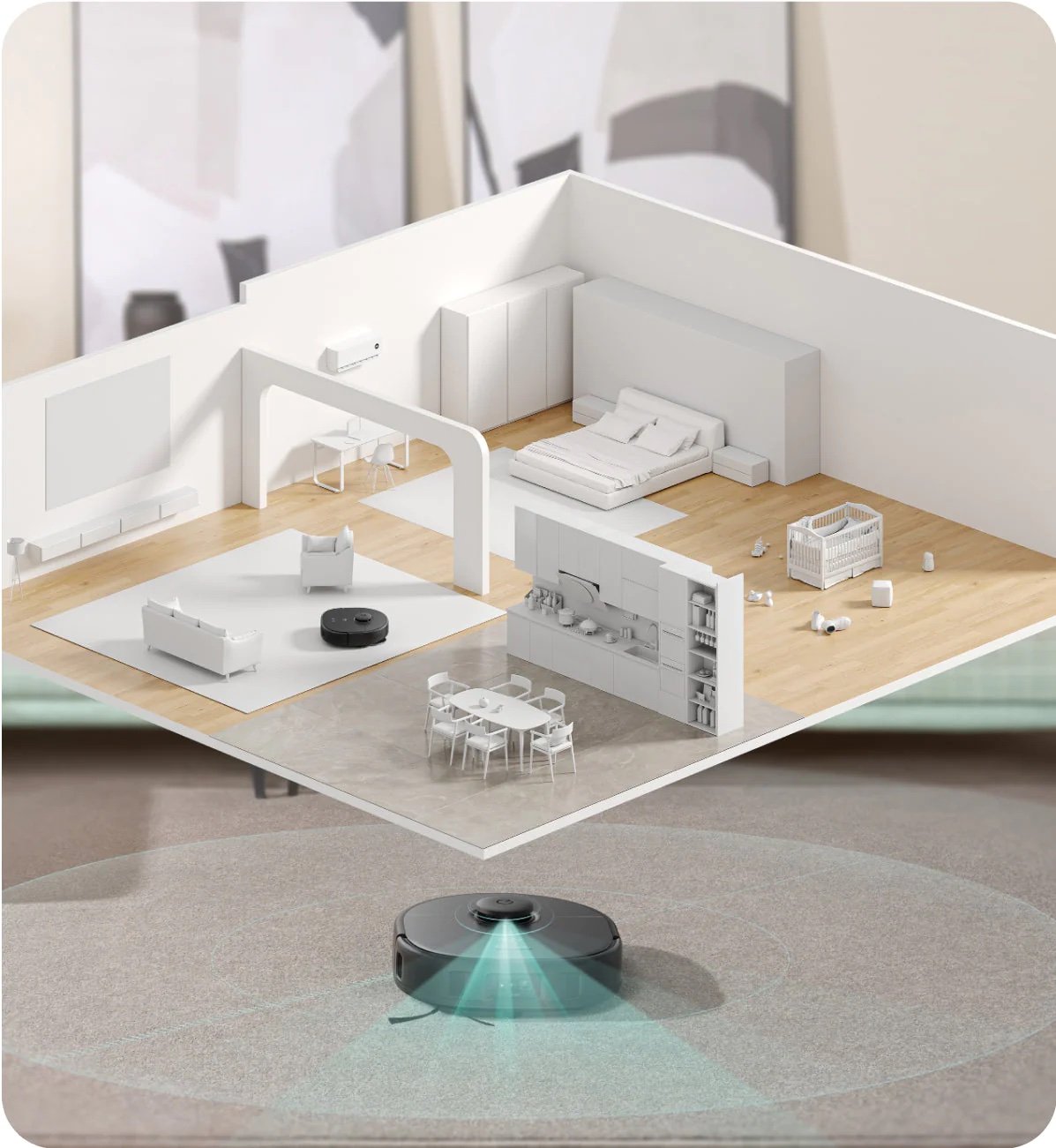
Think of your home like a soup pot. Every activity adds ingredients. Cooking adds steam, grease, and particles. Cleaning products may add chemical vapors. Pets add dander. A damp bathroom can add mold spores. Outdoor smoke or pollen can sneak in through gaps, windows, doors, and ventilation systems. If nothing removes or dilutes those ingredients, the soup gets stronger. Unfortunately, nobody ordered “dust mite chowder.”
Good IAQ means the building controls pollution at the source, brings in outdoor air when conditions are safe, removes particles through filtration, and keeps moisture in a healthy range. Poor IAQ often happens when pollutants build up faster than the building can clear them out.
Why Indoor Air Quality Matters
Indoor air quality matters because most people spend a large part of their day indoors. Homes, schools, offices, gyms, stores, and vehicles all become part of a person’s daily breathing environment. When indoor air is polluted, exposure can happen for hours at a time, often without obvious warning signs.
Short-term effects of poor indoor air may include headaches, eye irritation, coughing, sneezing, fatigue, dizziness, throat irritation, stuffy nose, or worsening allergy symptoms. Long-term or repeated exposure to certain indoor pollutants can contribute to more serious concerns, especially for children, older adults, pregnant people, and anyone with asthma, chronic lung disease, heart disease, or immune system challenges.
Indoor air quality also affects comfort and productivity. A stale room can make people feel sleepy or foggy. High humidity can make a home feel sticky and encourage mold. Very dry air can irritate skin, eyes, and nasal passages. Strong odors from paint, cleaning sprays, or smoke can make a space unpleasant even when everything looks clean.
Common Indoor Air Pollutants
Dust, Dust Mites, and Pet Dander
Dust is not just “tiny gray fluff.” It can contain skin cells, textile fibers, soil particles, pollen, insect fragments, pet dander, and other microscopic material. Dust mites thrive in bedding, upholstered furniture, rugs, and soft surfaces. For people with allergies or asthma, dust mites and pet dander can trigger sneezing, wheezing, itchy eyes, or chest tightness.
Practical fixes include washing bedding regularly in hot water when fabric allows, using allergen-proof pillow and mattress covers, vacuuming with a HEPA-filter vacuum, reducing clutter, and keeping pets out of bedrooms if symptoms are severe. Yes, your dog may file an emotional complaint, but your lungs may send a thank-you note.
Mold and Moisture
Mold grows where moisture lingers. Bathrooms, basements, crawl spaces, kitchens, laundry rooms, windowsills, and areas around leaks are common trouble spots. Mold does not need a formal invitation. Give it moisture, warmth, and something to grow on, and it will start networking immediately.
Mold exposure can cause stuffy nose, coughing, wheezing, irritated eyes, sore throat, or skin irritation. People with asthma, mold allergies, chronic lung disease, or weakened immune systems may be more sensitive. The key to mold control is moisture control. Clean visible mold safely, but also fix the reason it appeared: leaks, condensation, poor ventilation, flooding, or high humidity.
Carbon Monoxide
Carbon monoxide, or CO, is a colorless and odorless gas produced by incomplete combustion. Sources can include gas furnaces, fireplaces, gas stoves, water heaters, wood stoves, charcoal grills, cars, and portable generators. Because people cannot see or smell carbon monoxide, alarms are essential.
Symptoms of carbon monoxide poisoning may resemble the flu and can include headache, dizziness, weakness, nausea, vomiting, chest pain, and confusion. High levels can be fatal. Install carbon monoxide alarms on every level of the home and near sleeping areas. Never use a generator indoors, in a garage, or near windows and doors. “But the garage door is open” is not a safety plan; it is a bad plot twist.
Radon
Radon is a naturally occurring radioactive gas that can enter homes through cracks, gaps, and openings in foundations. It is invisible and odorless, so the only way to know whether a home has high radon levels is to test. Radon is especially important because long-term exposure is linked to lung cancer risk.
Radon can be found in old homes, new homes, drafty homes, sealed homes, homes with basements, and homes without basements. In other words, radon does not respect real estate categories. Home test kits are usually simple and affordable, and professional testing or mitigation may be needed when levels are elevated.
Volatile Organic Compounds
Volatile organic compounds, or VOCs, are gases released from certain products and materials. Common sources include paints, solvents, adhesives, pressed-wood furniture, new flooring, air fresheners, pesticides, hobby supplies, dry-cleaned clothing, and some cleaning products.
Not all VOC exposure is equally risky, but reducing unnecessary chemical vapors is a smart indoor air quality move. Choose low-VOC products when possible, follow label directions, ventilate during and after use, store chemicals tightly sealed, and avoid keeping unused paint or solvents inside living areas. If a product smells like it could remove paint from a submarine, maybe do not spray it next to your sofa.
Particulate Matter From Cooking, Smoke, and Outdoor Air
Particulate matter includes tiny particles that can be inhaled. Indoor particles can come from frying, broiling, candles, incense, fireplaces, tobacco smoke, wood smoke, dust, and outdoor pollution that enters the building. Fine particles are especially concerning because they can travel deep into the lungs.
Cooking is one of the most overlooked indoor particle sources. Frying bacon, searing steak, or accidentally turning toast into a charcoal tribute can release particles and gases. Use a range hood that vents outdoors when available, cook on back burners, open windows when outdoor air is clean, and use an air cleaner during heavy cooking if needed.
The Three Best Ways to Improve Indoor Air Quality
1. Source Control: Stop Pollution Before It Starts
Source control means removing, reducing, or isolating the source of pollution. It is usually the most effective first step because it prevents pollutants from entering the air in the first place.
Examples of source control include fixing leaks, removing moldy materials, banning indoor smoking, choosing fragrance-free or low-VOC products, storing chemicals outside living spaces, maintaining fuel-burning appliances, using exhaust fans, and replacing heavily dust-trapping items when necessary.
Source control is like turning off a faucet before mopping the floor. Air purifiers and open windows can help, but they should not be asked to do all the work while pollution sources keep partying in the corner.
2. Ventilation: Bring In Fresh Air Wisely
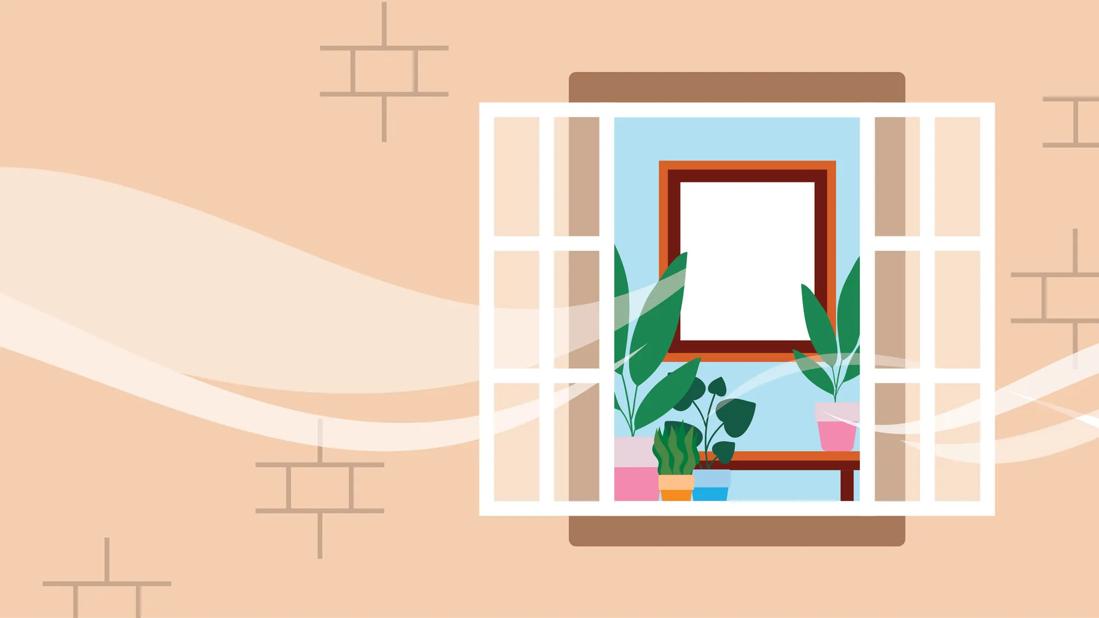
Ventilation means exchanging indoor air with outdoor air. It can happen naturally through windows and doors, mechanically through fans and HVAC systems, or locally through bathroom and kitchen exhaust fans.
Ventilation helps dilute indoor pollutants, remove moisture, and reduce odors. However, ventilation should be used wisely. If outdoor air is full of wildfire smoke, heavy traffic pollution, high pollen, or extreme humidity, opening every window may make things worse. Check local outdoor air quality before relying on open-window ventilation.
Use bathroom fans during and after showers. Use kitchen exhaust while cooking. Make sure exhaust fans actually vent outdoors, not into an attic where moisture can create a mold spa retreat. For tightly sealed homes, balanced mechanical ventilation may be helpful, especially after energy-efficiency upgrades.
3. Filtration and Air Cleaning: Capture What Remains
Filtration removes particles from air. HVAC filters can reduce dust and particles when the system is running, and portable air cleaners can help clean specific rooms. High-efficiency filters, such as HEPA filters in portable units, are especially useful for particles like smoke, dust, pollen, and pet dander.
When choosing a portable air cleaner, look at the Clean Air Delivery Rate, or CADR. CADR helps show how quickly a unit can filter air for a room of a certain size. A tiny purifier in a large open-plan living area is like using a teacup to bail out a canoe. Technically active, emotionally optimistic, practically underpowered.
Avoid air cleaners that intentionally produce ozone. Ozone can irritate the lungs and is not a safe indoor “freshness” strategy. Clean air should not require creating a different pollutant with better branding.
Humidity: The Quiet Indoor Air Quality Hero
Humidity plays a major role in indoor air quality. Too much humidity can encourage mold, dust mites, musty odors, and moisture damage. Too little humidity can dry out skin, eyes, and nasal passages. A comfortable indoor relative humidity range is often around the middle zone, commonly near 30% to 50%, though ideal levels may vary by climate and season.
Use exhaust fans in bathrooms, repair leaks quickly, keep gutters and drainage working, and consider a dehumidifier in damp basements. In dry climates or winter heating season, a humidifier may help comfort, but it must be cleaned regularly. A neglected humidifier can become less “wellness device” and more “microbe fog machine.”
Indoor Air Quality Room-by-Room
Kitchen
The kitchen is a major IAQ hotspot because cooking releases particles, moisture, odors, and combustion byproducts if gas appliances are used. Use a vented range hood when possible. If you do not have one, open a window when outdoor air is safe, use a portable air cleaner nearby, and avoid letting smoke build up.
Bathroom
Bathrooms are moisture factories. Run the exhaust fan during showers and for several minutes afterward. Wipe down wet surfaces, repair caulk, fix leaks, and wash bath mats regularly. If the mirror stays foggy long after a shower, your bathroom is politely requesting better ventilation.
Bedroom
The bedroom matters because you spend many hours there breathing close to pillows, blankets, mattresses, and dust reservoirs. Wash bedding, reduce dust collectors, consider allergen-proof covers, keep pets off the bed if allergies are an issue, and use a properly sized air cleaner if needed.
Basement
Basements often have moisture, radon, musty smells, pests, and stored chemicals. Use a dehumidifier if dampness is persistent, test for radon, seal obvious cracks, avoid storing solvents or paints in living areas, and address water intrusion quickly.
Home Office
Printers, electronics, dust, poor ventilation, and long hours can make home offices feel stale. Keep the room clean, ventilate when outdoor air is good, avoid heavy fragrance products, and place printers in well-ventilated areas. Your productivity does not need to be powered by toner fumes and old coffee.
Signs Your Indoor Air Quality May Be Poor
Indoor air problems are not always obvious, but there are clues. Watch for musty smells, frequent condensation on windows, visible mold, persistent dust, stale odors, worsening asthma or allergy symptoms indoors, headaches that improve when you leave, unusual fatigue, or coughing that seems tied to certain rooms.
Also pay attention to patterns. Do symptoms get worse after cleaning? After cooking? In the basement? During wildfire smoke events? When the HVAC system starts? Patterns can help identify sources and choose the right solution.
Smart Indoor Air Quality Habits That Actually Help
Improving indoor air quality does not require perfection. Start with the basics: keep the home clean, control moisture, use exhaust fans, avoid smoking indoors, reduce unnecessary fragrances, maintain HVAC systems, replace filters on schedule, test for radon, install carbon monoxide alarms, and ventilate when outdoor air is healthy.
Vacuum regularly with a good filter, especially if you have pets, carpets, or allergies. Use doormats and remove shoes indoors to reduce tracked-in dust and soil. Choose unscented or low-emission cleaning products. Do not mix cleaning chemicals, especially bleach with ammonia or acids. That is not cleaning; that is accidental chemistry with villain energy.
During wildfire smoke or high outdoor pollution days, keep windows and doors closed, run HVAC filtration if appropriate, use portable HEPA air cleaners, and create a cleaner-air room where vulnerable family members can spend time. During good outdoor air days, controlled ventilation can help refresh the home.
Do Houseplants Improve Indoor Air Quality?
Houseplants are lovely. They make rooms feel calmer, add color, and give people something to dramatically apologize to after forgetting to water them. But relying on houseplants to clean indoor air is not a practical substitute for source control, ventilation, and filtration.
Some lab studies have shown that plants can absorb certain chemicals under controlled conditions. Real homes are different. Air volume, ventilation, pollutant sources, soil, moisture, and plant quantity all matter. A few plants will not solve mold, smoke, radon, carbon monoxide, or VOC problems. Enjoy plants for beauty and well-being, but do not hand them the job description of a mechanical ventilation system.
When Should You Call a Professional?
Some indoor air quality problems are DIY-friendly. Others need expert help. Call a qualified professional if you have persistent mold over a large area, repeated water intrusion, suspected asbestos, high radon test results, fuel-burning appliance problems, sewage contamination, unexplained carbon monoxide alarm events, or symptoms that may be linked to a serious exposure.
You may also need an HVAC professional if your system has poor airflow, dirty ducts with visible contamination, inadequate filtration, humidity problems, or ventilation concerns after renovations. Medical symptoms should be discussed with a healthcare professional, especially for children, older adults, and people with asthma or heart and lung conditions.
A Practical Indoor Air Quality Checklist
- Test your home for radon, especially if you have never tested before.
- Install carbon monoxide alarms on every level and near sleeping areas.
- Use kitchen and bathroom exhaust fans that vent outdoors.
- Fix leaks quickly and dry wet materials within a short time.
- Keep indoor humidity under control.
- Choose low-VOC paints, cleaners, and furnishings when possible.
- Use a properly sized portable air cleaner for bedrooms or high-use rooms.
- Replace HVAC filters according to manufacturer guidance.
- Avoid smoking, vaping, burning candles, or using incense indoors if air quality is a concern.
- Check outdoor air quality before opening windows for ventilation.
Experience-Based Tips: What Indoor Air Quality Looks Like in Real Life
Indoor air quality becomes much easier to understand when you stop treating it like an abstract science topic and start noticing everyday patterns. Many people first realize they have an IAQ problem not because of a dramatic emergency, but because of small, repeated clues. A bedroom feels stuffy every morning. A basement smells musty after rain. Someone coughs every time the heat turns on. The kitchen smells like last night’s dinner until lunchtime. These are not just household quirks; they are air-quality breadcrumbs.
One practical experience is the “closed house effect.” After a few days of keeping windows shut during very hot or cold weather, indoor air may feel heavy. Odors linger longer. Dust seems more noticeable. People may feel sleepy or mildly irritated. This often happens when ventilation is low and indoor sources keep adding pollutants. The fix is not always to throw open every window at random. A smarter approach is to ventilate during times when outdoor air is clean, use exhaust fans during moisture-producing activities, and improve filtration in rooms where people spend the most time.
Another common experience is discovering that cleaning can temporarily make air worse. Sprays, scented disinfectants, polish, bleach-based products, and aerosol fresheners can release irritating vapors. Even vigorous dusting can send particles into the air. A better method is to use fragrance-free or low-emission products, spray onto a cloth instead of into the air, ventilate while cleaning, and use damp dusting rather than dry dusting. Clean should smell like nothing, not like a lemon got into a wrestling match with a chemistry set.
Cooking is also a real-world IAQ lesson. Searing food, frying, baking spills in the oven, or using gas burners can quickly change indoor air. People often notice this only when a smoke alarm complains or when cooking smells travel into bedrooms. Using a range hood, cooking with lids, reducing high-smoke methods, and running a portable air cleaner can make a noticeable difference. If the range hood only recirculates air through a weak filter, it may help with grease but not fully remove pollutants outdoors.
Humidity offers another everyday clue. If windows sweat in winter, closets smell musty, or bathroom paint peels, moisture is hanging around too long. In many homes, simply running the bath fan longer, repairing small leaks, improving drainage, and using a dehumidifier in damp areas can dramatically improve comfort. On the other hand, if winter air feels painfully dry, a properly maintained humidifier may help, but it should be cleaned often to avoid creating new problems.
Pet owners learn quickly that love has fur. Regular vacuuming, washable throws, grooming, and bedroom boundaries can reduce dander and dust. For allergy-sensitive households, a HEPA air cleaner in the bedroom often provides the most noticeable benefit because sleep time is long exposure time.
The biggest lesson from real-life indoor air quality is that small habits stack up. No single gadget fixes everything. The best results usually come from combining source control, moisture control, smart ventilation, good housekeeping, and correctly sized filtration. Clean indoor air is less about buying one magical machine and more about running the home like a tiny ecosystem where moisture, particles, chemicals, and airflow all matter.
Conclusion
Indoor air quality is one of the most important health and comfort issues hiding in plain sight. You breathe indoor air while sleeping, cooking, working, relaxing, exercising, and arguing with your thermostat. When that air contains too much dust, moisture, smoke, mold, VOCs, carbon monoxide, radon, or fine particles, your body may notice long before your eyes do.
The best approach is simple: control pollution at the source, ventilate wisely, filter effectively, and manage moisture. Test for invisible hazards like radon and carbon monoxide. Use exhaust fans where pollutants are created. Choose products with fewer irritating emissions. Keep dust under control. Pay attention to symptoms and patterns. You do not need a perfect home; you need a healthier breathing environment.
Good indoor air quality is not about fear. It is about awareness and better daily choices. Your home should be the place where you recover from the outside world, not where dust, dampness, and mystery fumes hold a weekly convention.